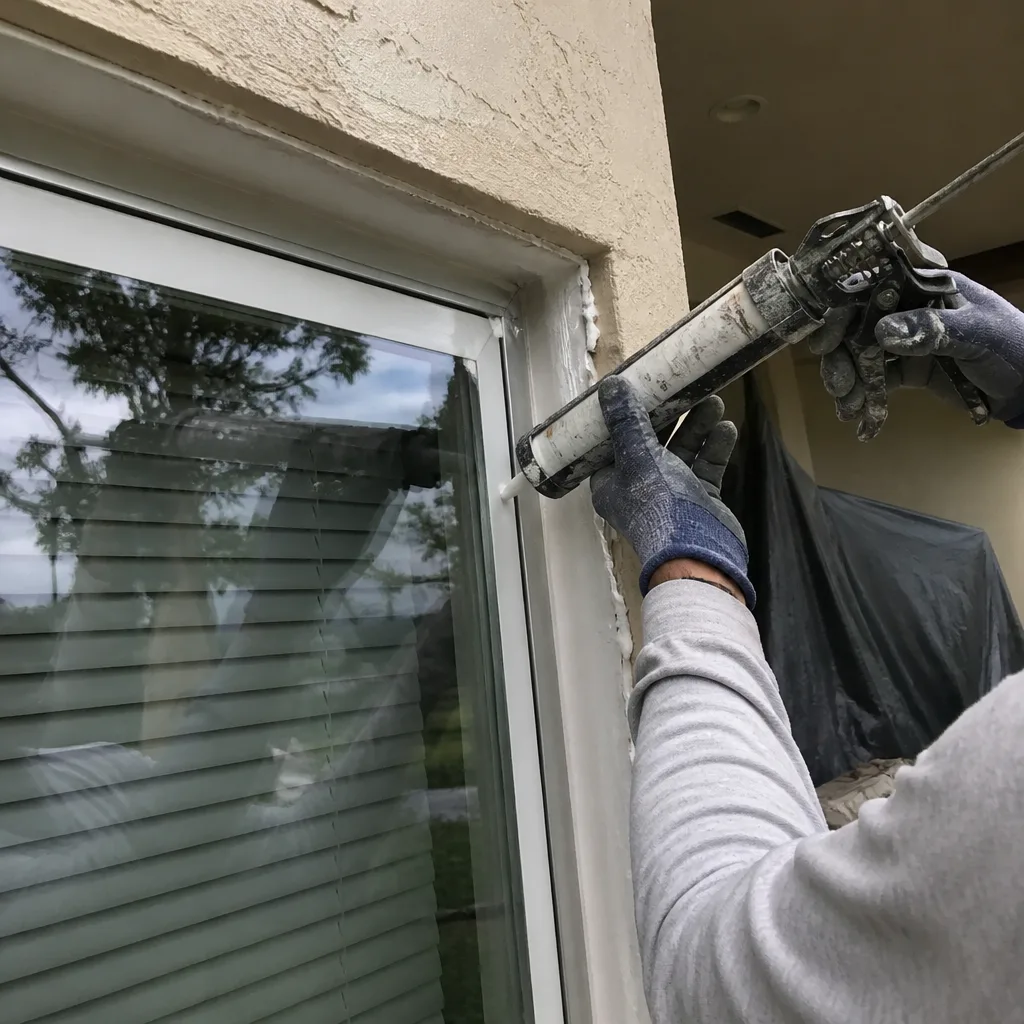
Last updated November 17, 2026


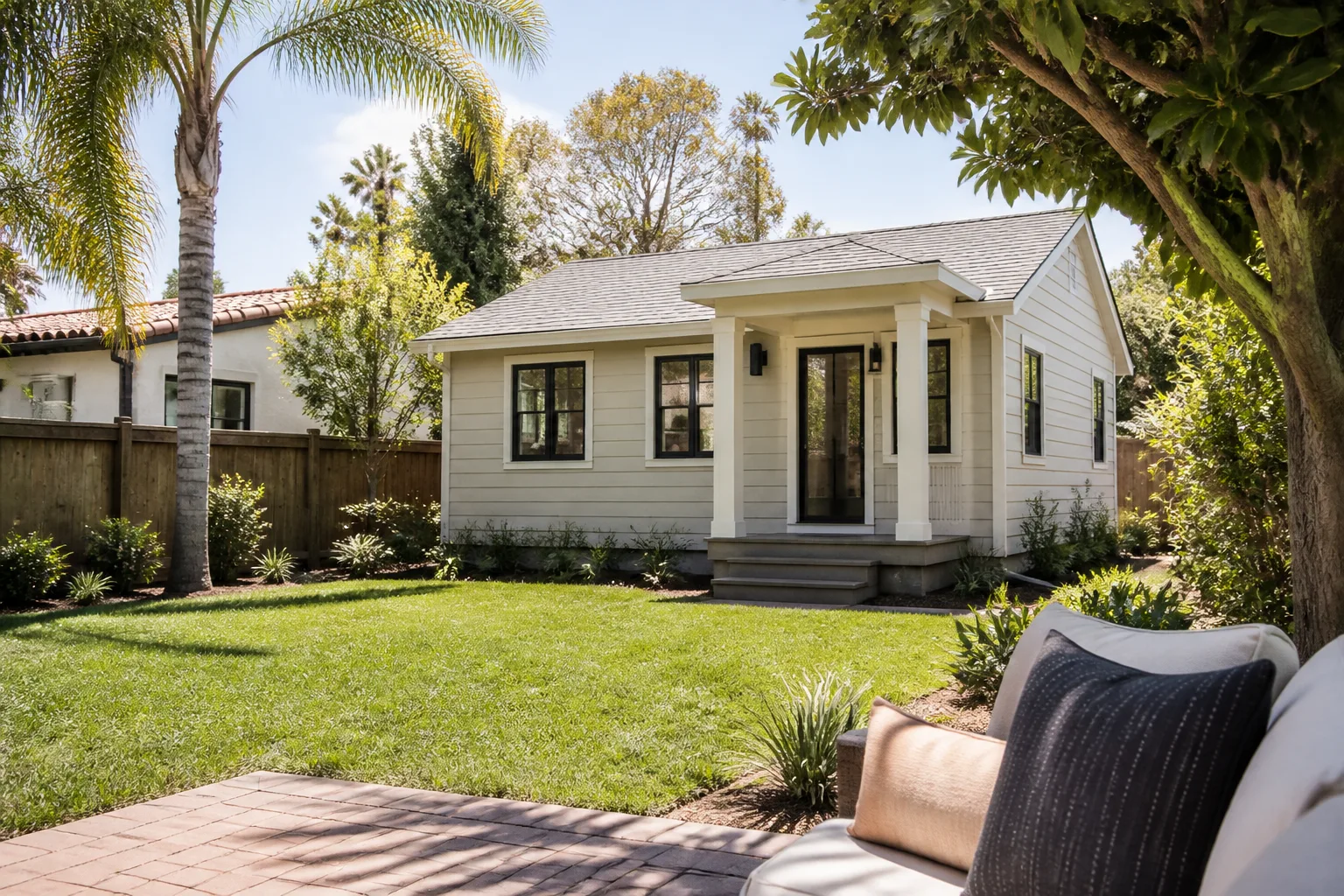
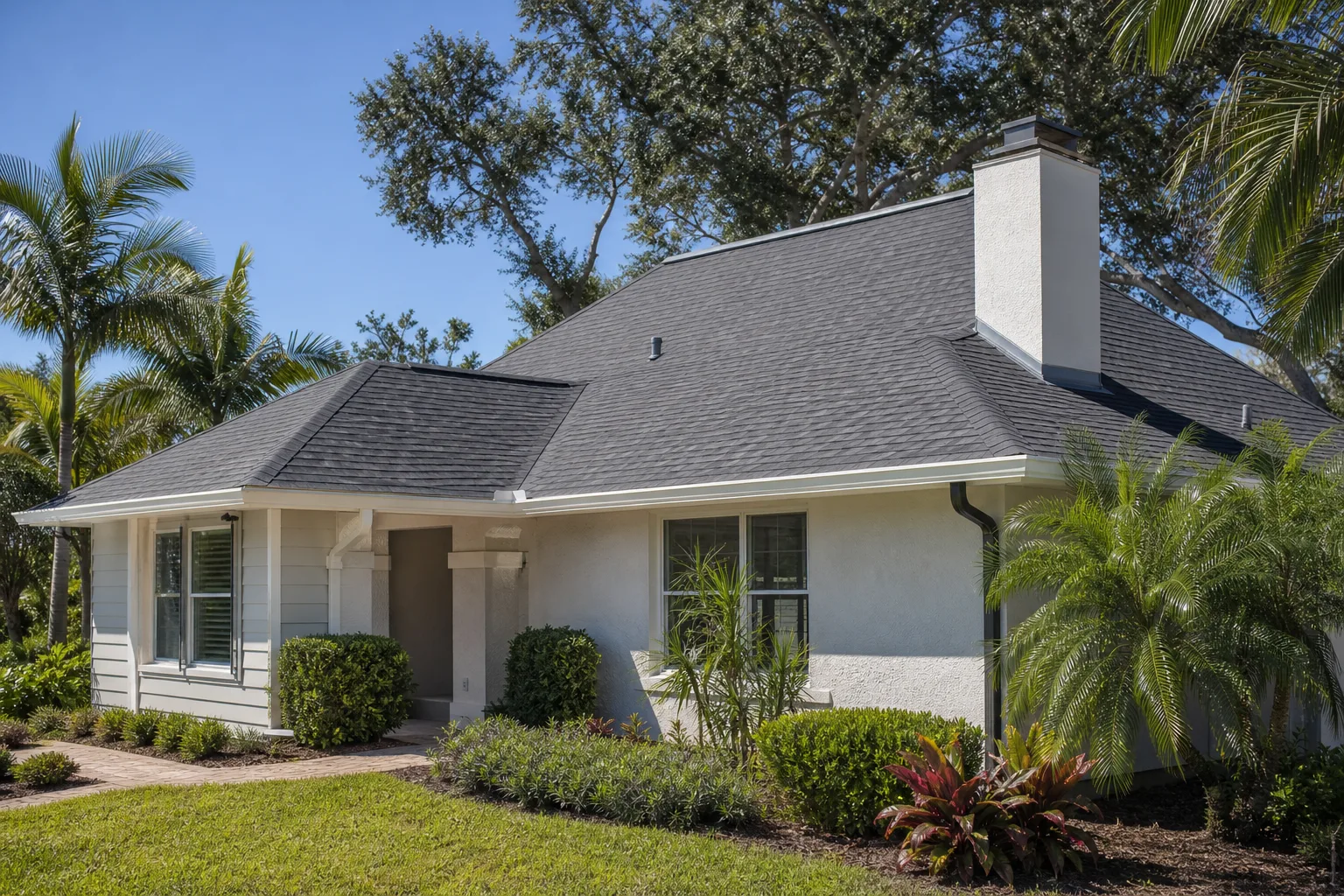
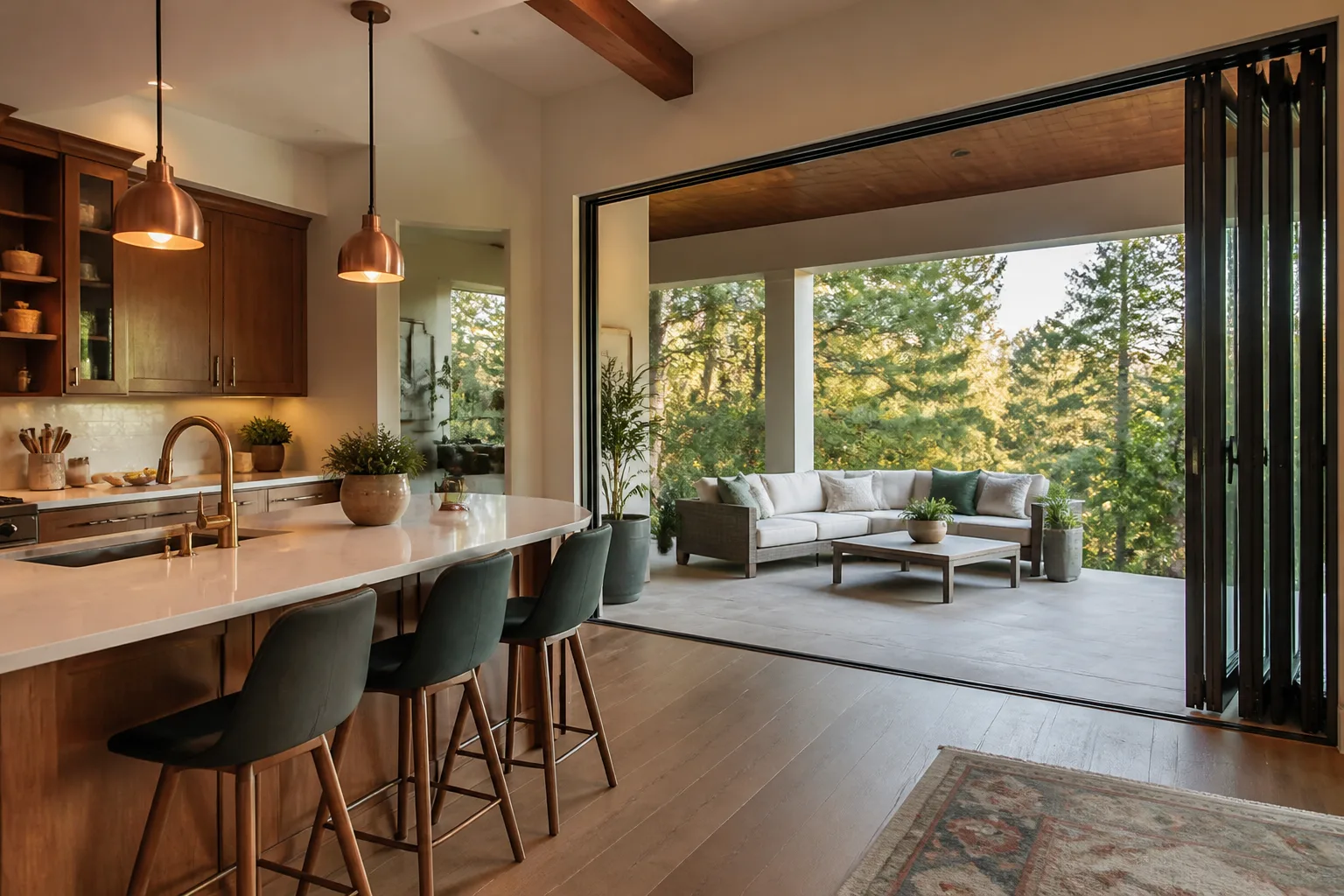
Free written scope consultation - allowances, timeline, and change-order rules on paper before a single trade is scheduled
Choosing the Right Construction Brand: A Buyer’s Guide for Doral
Miami-Dade County keeps its own product approval database. It is separate from Florida’s statewide approval system, and a roofing panel or window unit holding a Florida Product Approval number is not automatically cleared for use in Doral. The two lists overlap, but they do not match. That gap is where budgets get wrecked. A contractor orders a “hurricane-rated” product that means nothing under local code, the inspector flags it, and the homeowner eats the delay or the replacement bill. This guide shows you how to verify brand approvals before anything is ordered, how to write those brands into the contract so they stick, and which categories give you real choices in Doral versus the ones where the approved list is short and cheap options simply don’t exist.
Quick Answer
In Doral, a construction product’s brand only counts if that specific product carries a current Miami-Dade Notice of Acceptance (NOA) for use in the High-Velocity Hurricane Zone. “Hurricane-rated” is marketing language with no code standing. Look up the NOA number, check its expiration date against your project timeline, and put the exact brand and model in your contract before you pay a deposit. The category matters too: windows and roofing give you several approved brands, but some paver and door lines have narrow approval lists where the bargain option genuinely does not exist.
Styles & brands we work with
- Kitchen remodeling
- Bathroom remodeling
- Home additions & ADU
- Roofing
- Windows & doors
- Driveway & pavers
- Fence
Table of Contents
- What Is a Miami-Dade Notice of Acceptance and Why It Governs Your Brand Choice
- How Do You Look Up a Product’s NOA Number? (Step by Step)
- What Does the Expiration Date on a NOA Mean for Your Timeline?
- Which Brand Tiers Actually Matter in HVHZ Compliance?
- How Do You Write Brand Specifications Into a Contract?
- Manufacturer Warranty vs. Workmanship Warranty: Why Both Matter
- Where Doral Homeowners Have Real Brand Choice, and Where They Don’t
- The Doral Permit and Inspection Reality
What Is a Miami-Dade Notice of Acceptance and Why It Governs Your Brand Choice
Miami-Dade County sits in what the building code calls the High-Velocity Hurricane Zone, or HVHZ. Wind speeds here are high enough that the county maintains its own product approval system rather than relying only on the state. A Notice of Acceptance, usually shortened to NOA, is the county’s formal statement that a specific product, tested by a specific method, is approved for use inside that zone. The NOA is issued to a manufacturer for a defined product line, and it lists the conditions of use.
Here is the part most homeowners never hear. A Florida Product Approval number and a Miami-Dade NOA number are two different documents issued by two different systems. A shingle bundle, a window unit, or a skylight can carry the state number and still lack county approval for the HVHZ. When you hire in Doral, that distinction is not academic. It’s the difference between a job that passes final inspection and a job that gets torn back out.
We’ve watched this play out on roofing jobs in Doral where a subcontractor swapped a qualifying underlayment for a cheaper roll that only had state approval. The inspector caught it at the dry-in stage. The homeowner paid twice for the same square footage.
- NOA: county-level, required for HVHZ use, product-specific.
- Florida Product Approval: statewide, not automatically valid in the HVHZ.
- “Hurricane-rated”: a sales phrase with no enforcement behind it. If it isn’t on the NOA list, it doesn’t count.
How Do You Look Up a Product’s NOA Number? (Step by Step)
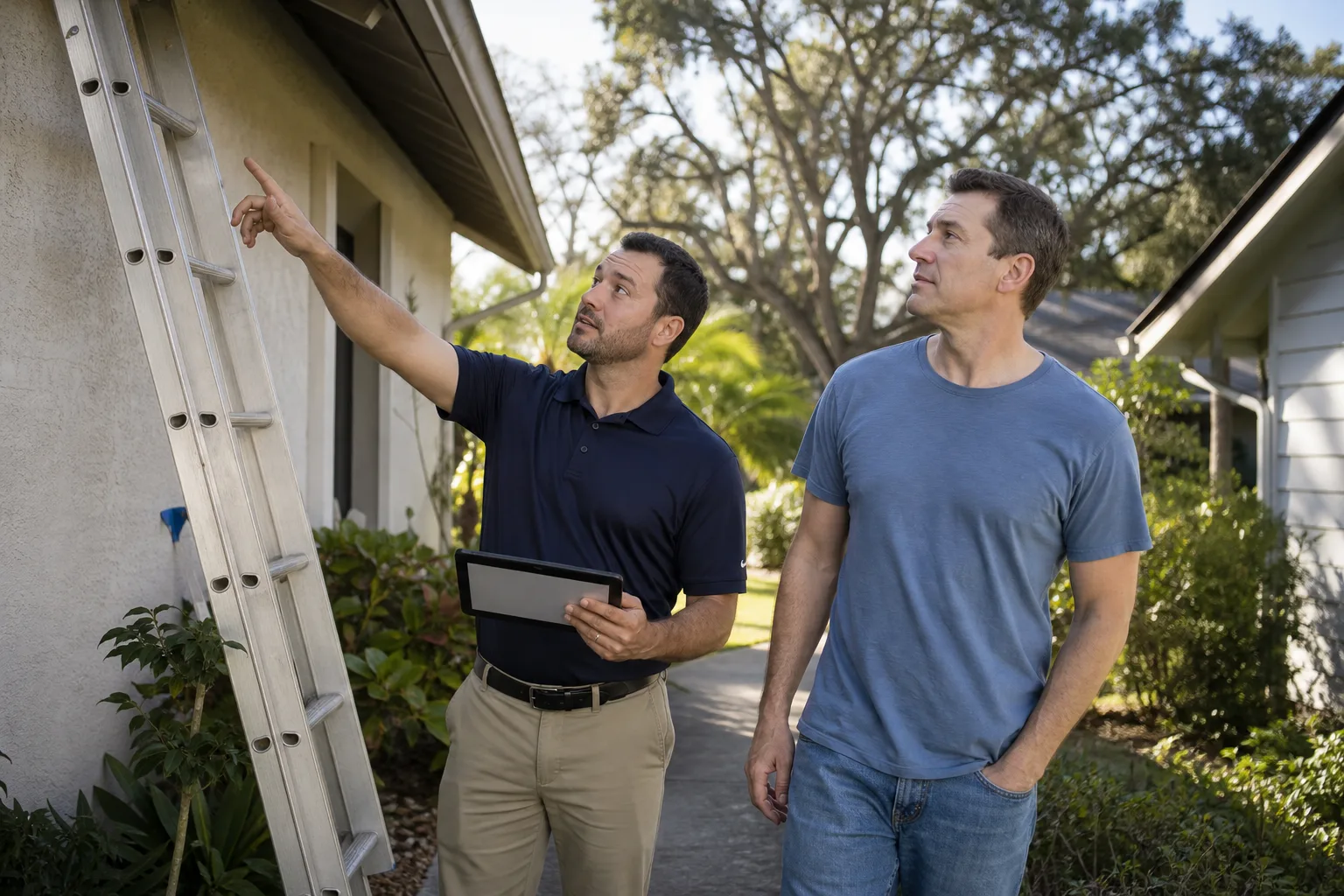
You can verify approval yourself, and you should, before you sign anything. The whole process takes about ten minutes if you have the product documentation in front of you. Ask the contractor for the exact brand name, model number, and NOA number for every major product going into the job. If they can’t produce those numbers in writing, treat that as your answer.
- Get the exact identifiers. Not “Andersen windows” but the model series, the glass package, and the product line. Manufacturers issue NOAs to specific configurations, not to a brand name in general.
- Ask for the NOA number. It looks like a short alphanumeric code and appears on the product literature and the manufacturer’s website. Any legitimate product for HVHZ use will have one.
- Look the number up in the county’s product approval database through the county’s building and neighborhood services portal. Search by NOA number, manufacturer name, or product category.
- Read the conditions of use. Most NOAs list installation conditions, approved fasteners, and limitations such as maximum span or wind pressure at a given height. The installation has to match those conditions or the approval doesn’t apply to your house.
- Check the expiration date. More on this below, but if the approval lapses before your installation date, the product may not qualify when the inspector arrives.
- Keep the printout. Save the NOA page with your contract documents. If a substitution question ever comes up, you have the source of truth in a folder.
On every eligible Doral job we handle, we pull permits and put the NOA documentation in the packet before materials are ordered, so the permit inspector sees exactly what was specified and approved. The permit inspector works for you on this, not for the contractor, and that’s why it pays to know him.
What Does the Expiration Date on a NOA Mean for Your Timeline?
Every NOA carries an expiration date. Manufacturers renew them, revise them, or let them lapse when a product line changes. The approval in effect on the day you signed the contract is not always the approval in effect the day the crew shows up. For a fast repair, this rarely matters. For a full roof replacement, a window package, or a months-long Doral home addition, it absolutely does.
Here’s how to think about the risk:
- Check the date against your install window, not your signing date. If the NOA expires in the middle of your project schedule, ask the contractor to confirm the renewal or supply an approved alternate in writing.
- Watch for revisions. A manufacturer can file an updated NOA with different conditions of use. The revision that was current when you ordered may not be the one current at inspection.
- Flag products with short approval cycles. Some imported window lines and certain paver finishes go through frequent revisions. If your timeline is long, prefer brands with a stable approval record.
- Build a substitution clause into the contract. We cover this below, but the short version: if the approved product becomes unavailable, the replacement should also be NOA-approved, and you should see the change in writing before work proceeds.
In our experience, most of the delay pain in Doral comes from a product ordered off a state approval number or a sales sheet, not from a real supply problem. The county database is the only document that decides.
Which Brand Tiers Actually Matter in HVHZ Compliance?
The construction industry loves brand talk. In Doral, some of it matters and some is noise. What matters is approved product, documented installation, and time on the ground. What doesn’t matter is a logo on a brochure.
On roofing, GAF and CertainTeed both carry approved products for HVHZ use, with specific shingle, tile, and underlayment lines that appear on the county’s list. The brand name alone doesn’t tell you whether a given product line qualifies. The NOA does.
On windows and doors, the approved list is broad. Major manufacturers like Marvin and Andersen have strong presences, and you also have real choices in fiberglass and steel entry lines from brands like Therma-Tru. A fiberglass entry door from an approved line and an approved glass package can pass where an unapproved door from the same manufacturer in a different configuration fails. Verify the exact SKU, not the brand family.
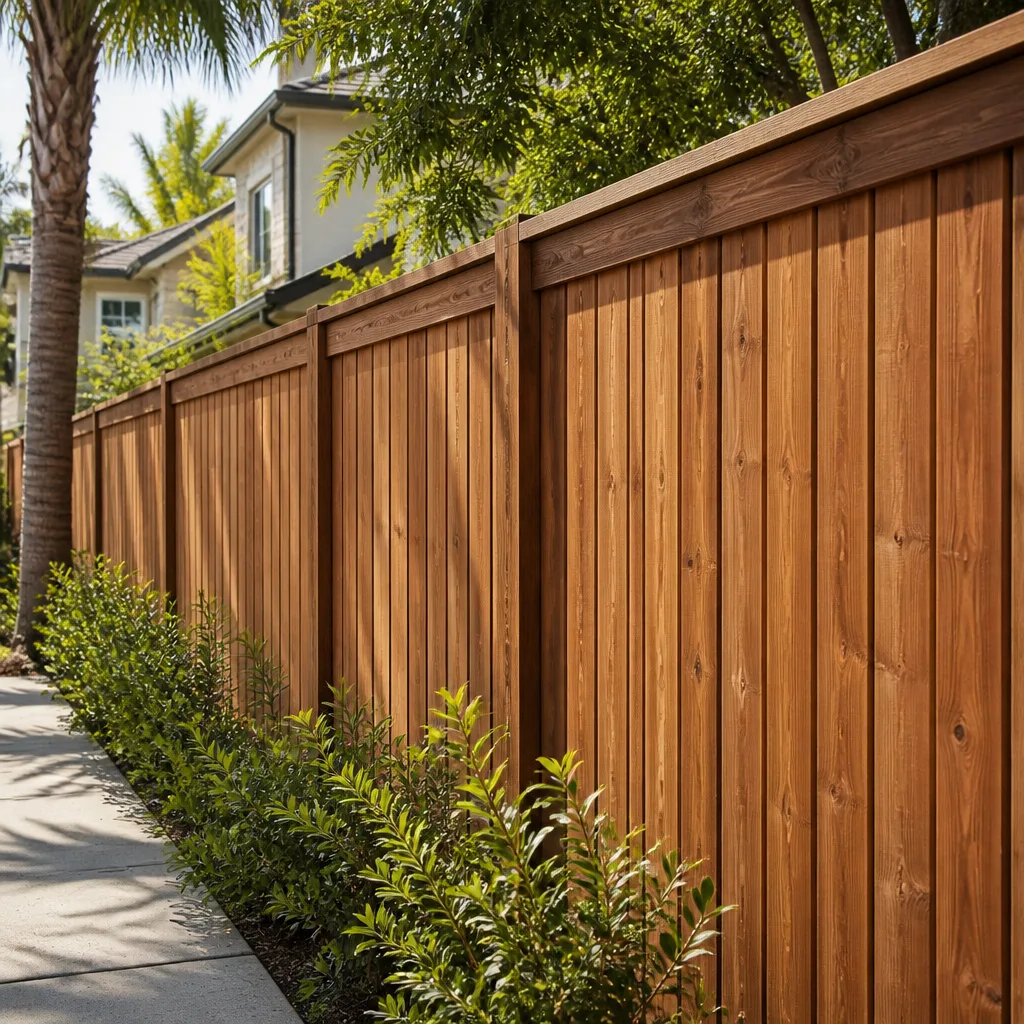
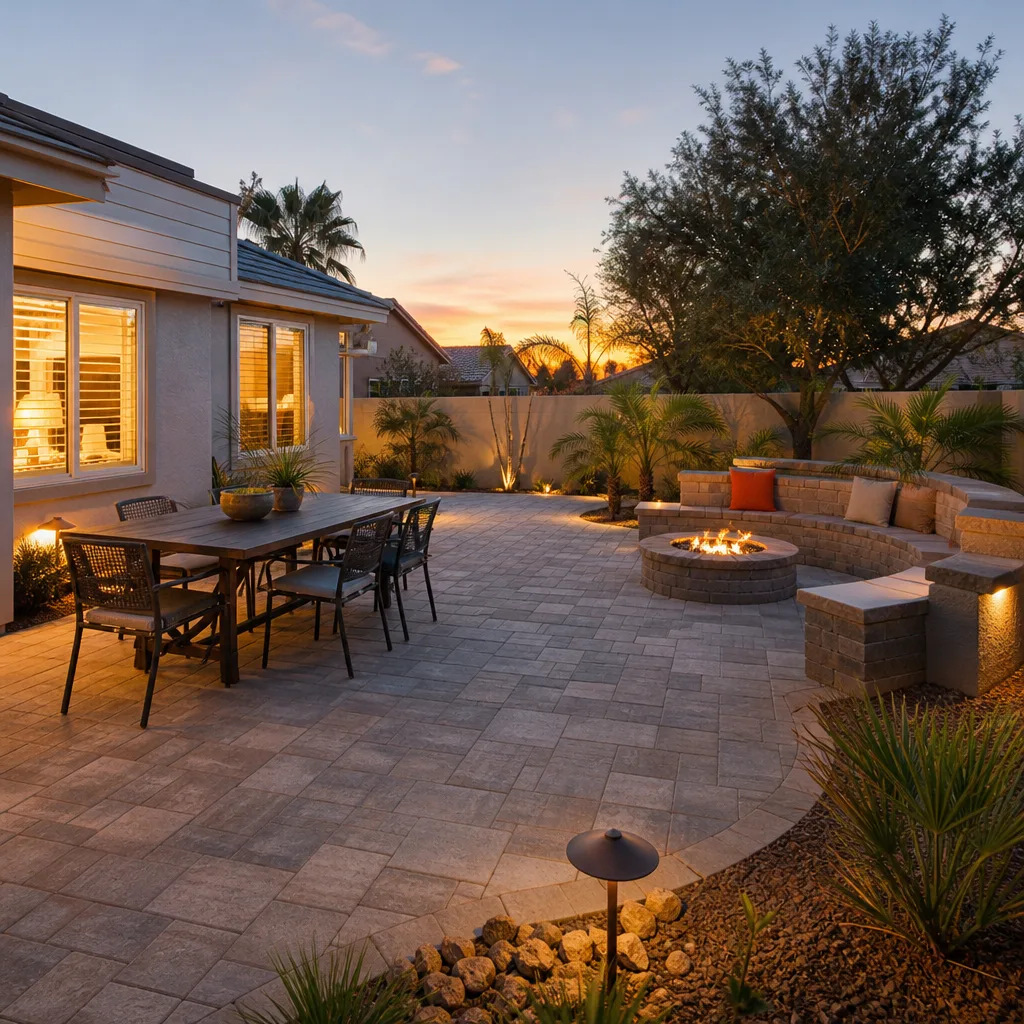
On fencing, where the HVHZ requirements are lighter, brands like Master Halco and Barrette appear often. Pergolas, screen enclosures, and hardscape pavers have their own approval pathways, and paver thickness and anchoring matter as much as the maker’s name. When you’re pricing hardscape work in Doral, ask for the NOA on any overhead structure and the anchoring spec on any paver field over an elevated deck.
One more thing. A brand on a list is not a brand installed correctly. Premium products protect you only when the installation matches the manufacturer’s published instructions, which the county inspector will check line by line.
How Do You Write Brand Specifications Into a Contract?
This is the step where most homeowners lose leverage. A contract that says “premium shingles” or “hurricane windows” is a door left open. A contract that names the brand, model, and NOA number is a wall. Write it that way, and write it before the deposit check changes hands.
- Name the product, not the brand family. Specify the exact manufacturer, line, model, and finish. “GAF Timberline HDZ, Charcoal” is a specification. “Architectural shingles” is a hope.
- List the NOA number next to every qualifying product. That number ties the specification to the county approval, so the contractor can’t hand you an unapproved “equivalent.”
- State the substitution rule in plain terms. If the specified product is unavailable, any replacement must carry its own current NOA, and no replacement is ordered or installed until you’ve approved a written change order.
- Write the change order process into the contract. Every scope change, every allowance shift, every price change arrives in writing before work happens. An allowance that isn’t on paper is a surprise waiting for a date.
- Hold back the final payment until the inspection signs off. Tie the last payment to a passed final inspection with the NOAs for installed products on file.
- Get it signed and dated before materials are ordered. The date matters. If a contractor orders product the week before closing, you may not get the version you specified.
On every eligible Doral job we write the scope this way, and the reason is simple: the written change order is the only thing standing between your agreed price and the invoice at the end. Fixed pricing with no change orders unless you approve them in writing is the only kind worth signing.
Manufacturer Warranty vs. Workmanship Warranty: Why Both Matter
A manufacturer’s warranty covers the product. A workmanship warranty covers the installation. In Doral, they are not interchangeable, and a job can have all the premium brands in the world and still fail if the installation voids the coverage.
Here’s how the two interact. Premium brands often condition their warranty on installation that meets the published instructions. The Miami-Dade inspector verifies those instructions against the job, including fasteners, underlayment, flashing details, and panel spacing. If the installation doesn’t match the published method, the manufacturer can deny a claim. The product warranty you paid for evaporates.
On the workmanship side, ask three questions before you sign:
- What is the written workmanship warranty, and for how long? Get it in the contract. Verbal warranties have a way of vanishing.
- Who comes back if there’s a problem, and how do you reach them? A live person answering the phone matters far more than a warranty page count.
- Does the warranty survive a passed inspection, or does it start at the date of the contract? The clock should start after installation, not before.
Our jobs carry the 90-Day Done Right Promise, written on every contract. If something isn’t done right, you make one call and Tom comes back and makes it right. Pair that with the manufacturer’s warranty, and you have coverage on both the product and the hands that installed it.
Where Doral Homeowners Have Real Brand Choice, and Where They Don’t
Brand approval lists in the HVHZ are not evenly spread across product categories. Some categories give you a wide menu, and some are narrow enough that the bargain option genuinely does not exist. Planning around this saves a lot of back and forth.
Wide approval lists (real choice on brand and price):
- Windows and doors. Many approved product lines across major manufacturers. You can compare performance, aesthetics, and price with real latitude.
- Roofing. GAF and CertainTeed both maintain approved lines, and a number of other manufacturers do as well. The main constraint is your roof type, not brand scarcity.
- Fencing on the ground. Where the HVHZ requirements don’t govern, you have wide latitude. Brands like Master Halco and Barrette appear often, and material choice opens up.
Narrow approval lists (fewer choices; budget options may not exist):
- Entry doors with glazing. A door plus glass package is approved as a unit, and the approved configurations are narrower than the door brand lineup suggests. Fiberglass entry lines from Therma-Tru are worth comparing because they come in approved configs, but not every model qualifies.
- Overhead structures such as screen enclosures and covered pergolas. The approved list is short, and anchoring details matter as much as the product.
- Large glass and impact systems with unusual sizes. Oversized or nonstandard units often fall outside a product line’s approved envelope.
In Doral, a lot of the housing stock sits in newer developments where the original installation followed one approved product spec closely. If you’re replacing like for like, matching the original approved product line is often the fastest path to a passing inspection.
The Doral Permit and Inspection Reality
Doral’s building department is serious about documentation, as it has to be. When you pull a permit for roofing, windows, or structural work, the plan review will look for NOA numbers on the products specified. When you pass inspection, the inspector will compare installed products to the approved ones. This is a house-by-house process; it doesn’t happen from a spreadsheet downtown.
What this means for your project:
- Permits are not optional. The last contractor many of our customers used told them permits were optional. They aren’t, and the liability lands on the homeowner when something fails or a future sale requires a permit record.
- Approved product lists can be revised mid-project. If the approval lapses or the product changes, the change needs to happen in writing before installation, or you risk a failed inspection and a re-do.
- The inspection is your leverage. The inspector works for you, not for the contractor. A passed inspection with NOAs on file protects both your insurance standing and your resale.
- Insurance companies look at this. After an inspection, an insurance underwriter may ask for your roof or window documentation. Approved product on file makes that conversation short. A missing approval makes it long.
On every eligible Doral project, we pull permits and schedule inspections as part of the scope. It’s not a favor; it’s the whole point of having a name on the job. If you’re comparing bids, this is one difference you can verify before you sign, along with the license number and a look at the paperwork.
Common Mistakes to Avoid
- Accepting “hurricane-rated” in place of an NOA number. The phrase means nothing on paper. If the contractor can’t supply the NOA number for the specific product, you don’t have an approved product, you have a marketing claim.
- Confusing Florida Product Approval with Miami-Dade NOA. A product with state approval can still fail HVHZ review. Never accept one number in place of the other for Doral work.
- Leaving the brand unspecified in the contract. A contract that says “premium windows” or “architectural shingles” leaves the door open for substitution after the deposit clears. Name the exact product, model, and NOA number.
- Signing before checking the NOA expiration date. A long Doral project can outrun an approval cycle. Match the approval window to the installation window, not to the signing date.
- Assuming a big brand equals approval. Major manufacturers offer both approved and unapproved configurations. Marvin, Andersen, GAF, and CertainTeed all have qualified products, and each of them sells models that aren’t right for HVHZ use.
- Skipping the inspection to save time. An unpermitted roof or window job can cost you an insurance claim after storm damage and complicate a future sale. Speed isn’t worth that trade.
- Judging the bid on price alone. In Doral, the cheapest bid often means a product off the state list or no permit at all. Compare approved products, permits, and written workmanship warranties line by line, not just the bottom line.
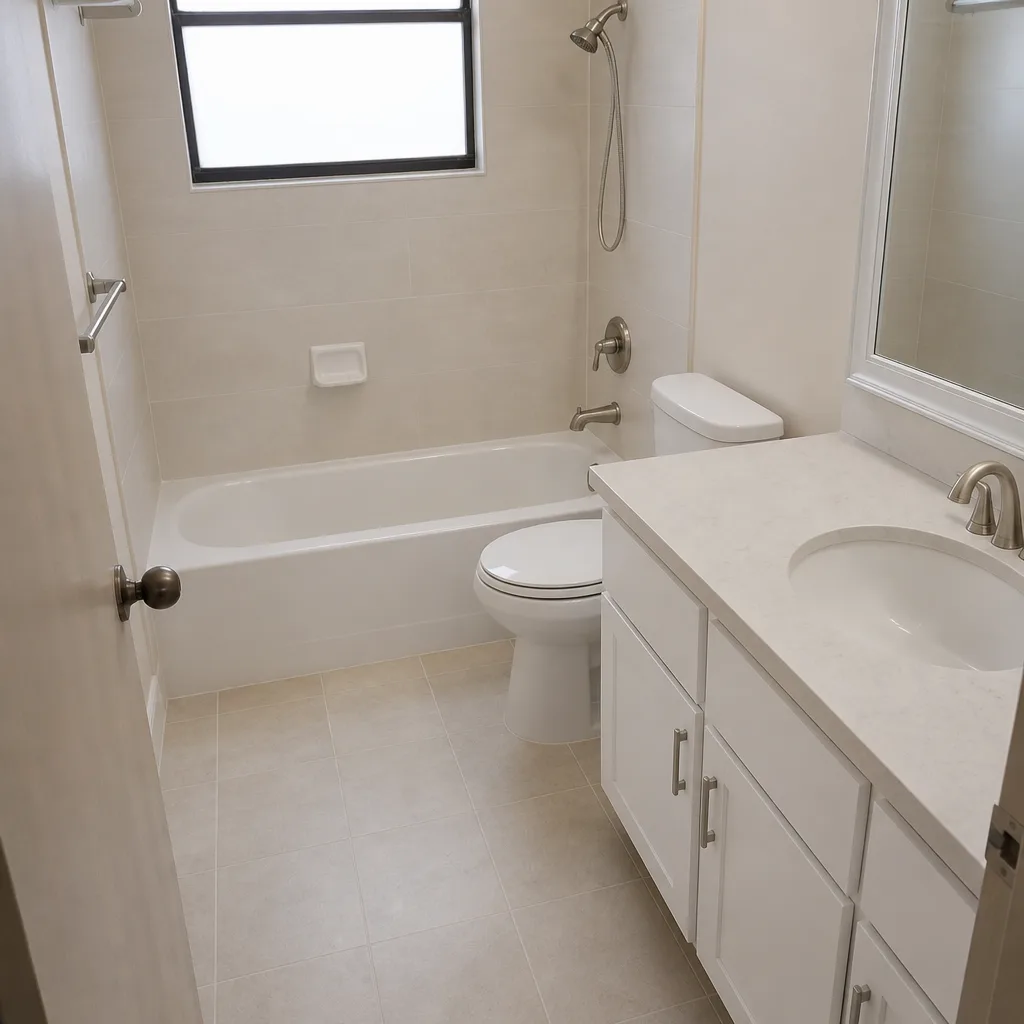
See the difference
 Before
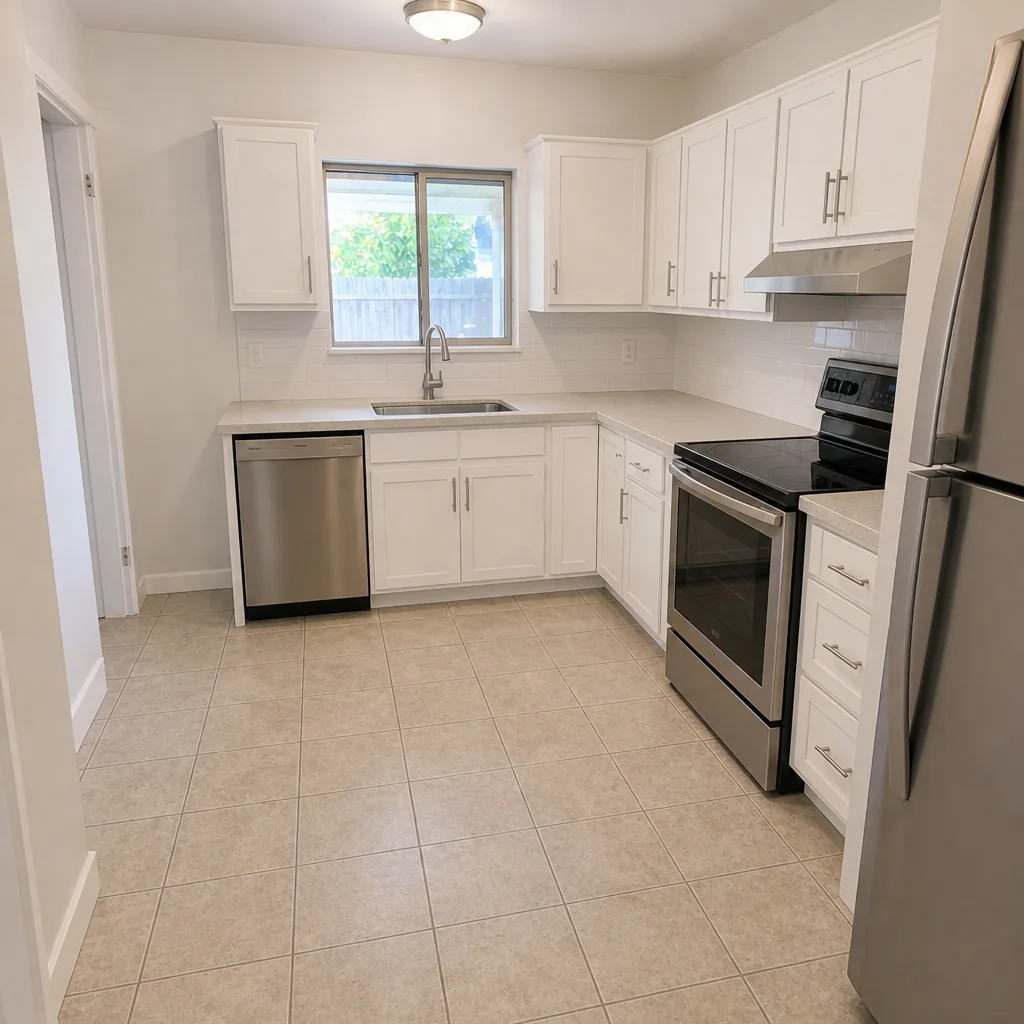 After
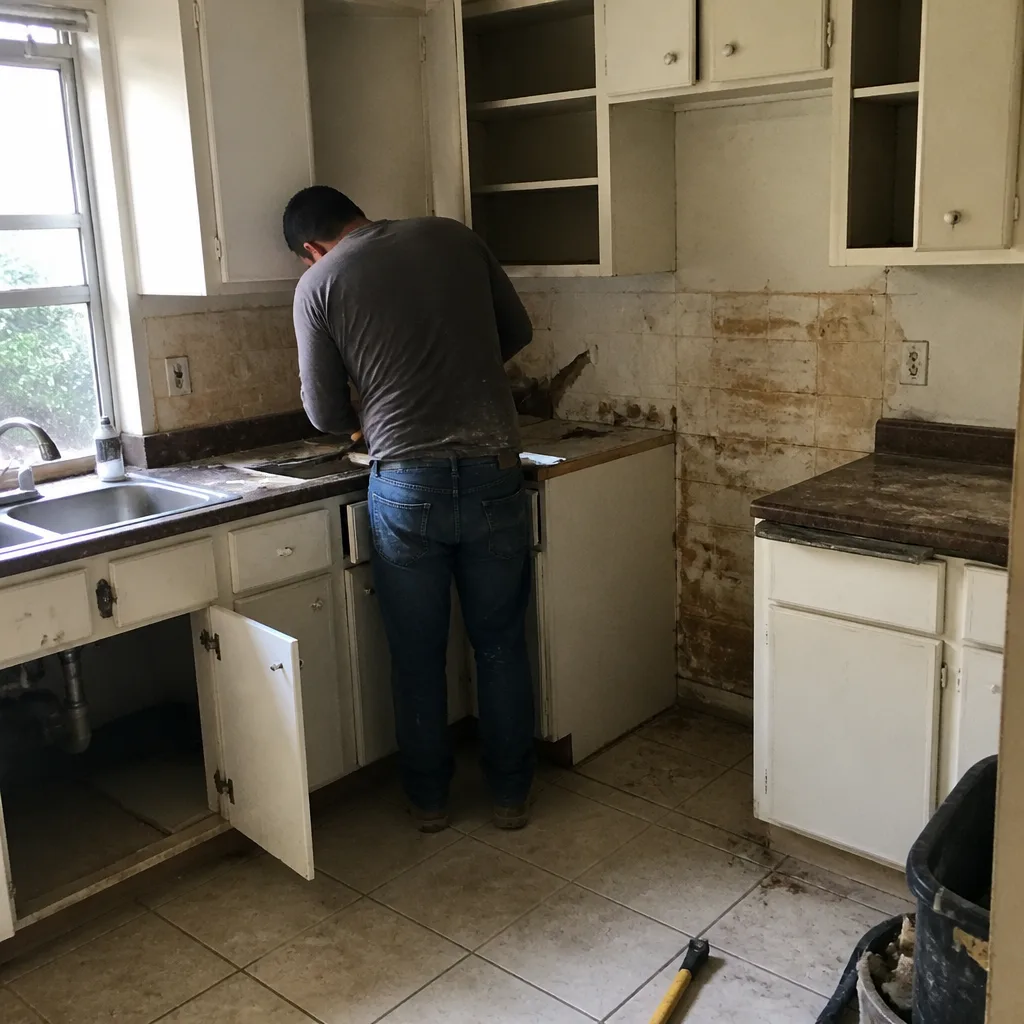 Before
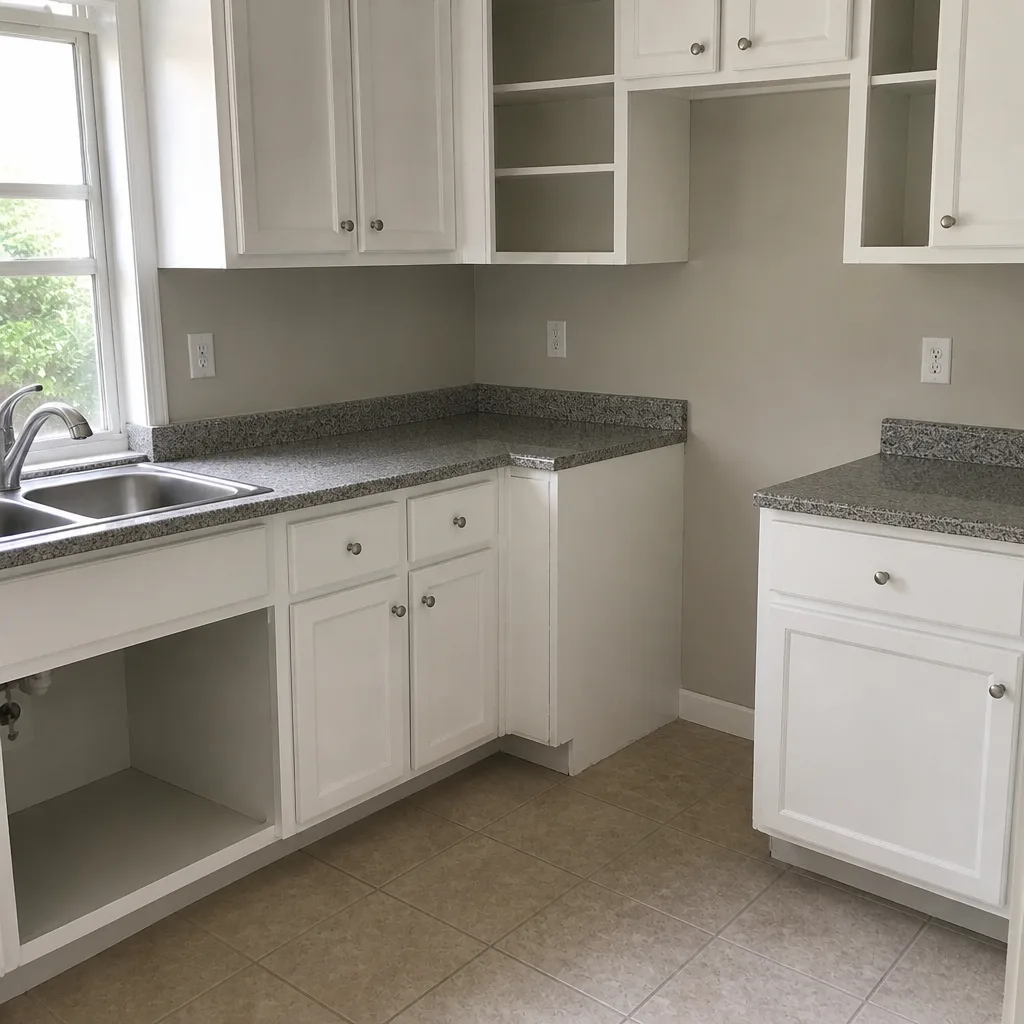 After
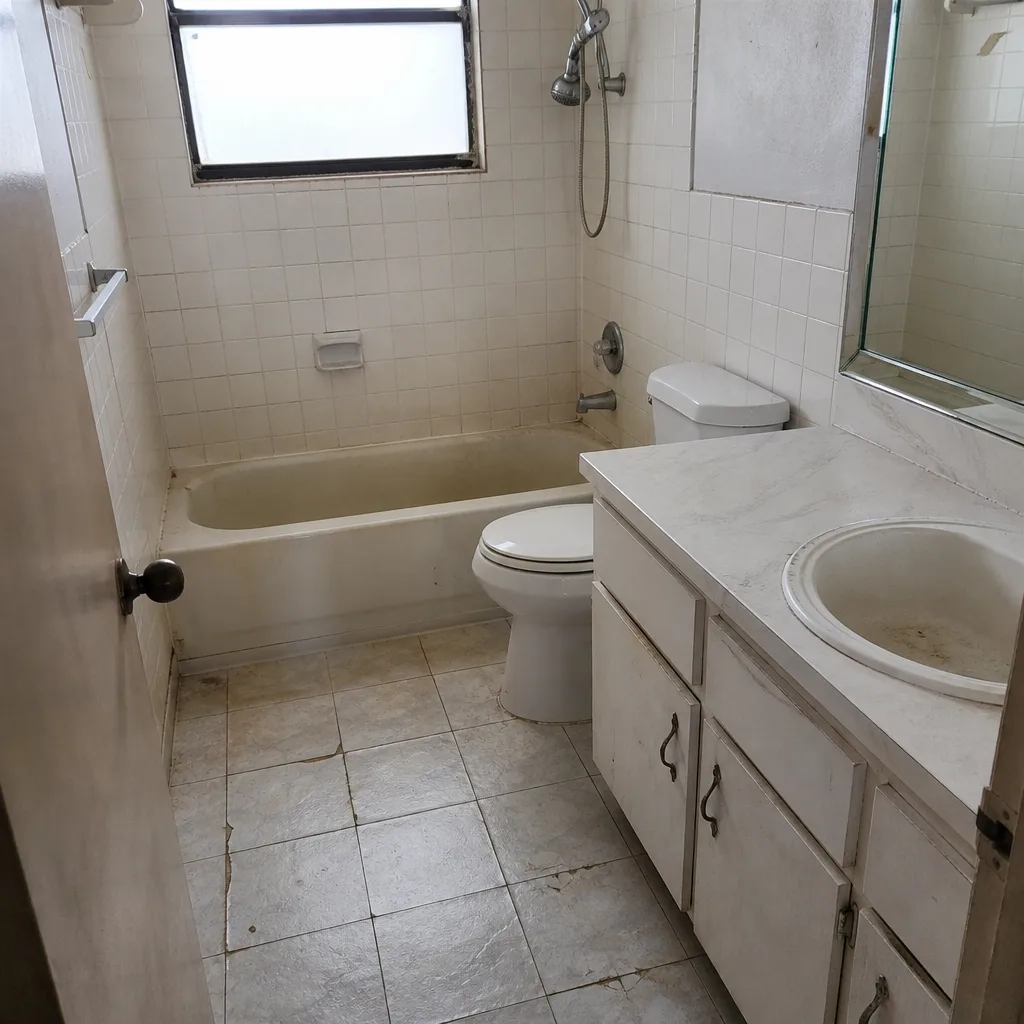 Before
 After
When to Call a Professional
Call when a product is being specified and no NOA number is on the table yet. Call when your contract lists brands but not models or approval numbers. Call when you’re planning a roofing, window, or structural project in Doral and want to know whether the products in the bid are actually cleared for HVHZ use. Call when a prior contractor told you permits were optional, or when a job was left incomplete. And call when you’re comparing bids and want a second set of eyes on the paperwork before you sign. Barrett & Sons Construction Doral offers free estimates in Doral. We’ll review the products, confirm the approvals, and put everything in writing. Call (833) 734-5128.
Frequently Asked Questions
A NOA number is the specific approval code Miami-Dade County issues for a product cleared for use in the High-Velocity Hurricane Zone. It looks like a short alphanumeric code on the manufacturer’s literature. A Florida Product Approval number is a separate document and does not automatically cover Doral work. Call (833) 734-5128 if you want us to confirm a product’s NOA before your project is ordered.
Look up the product’s NOA number in Miami-Dade County’s product approval database and confirm that it lists the exact product line and model you’re being quoted. The brand name alone doesn’t matter; the product line and configuration do. GAF and CertainTeed both carry approved lines, and each also has models that only hold state approval. Call (833) 734-5128 for a free second opinion on the paperwork.
Not if the contract specifies the exact product, model, and NOA number and requires a written change order for any substitution. A well-written scope names the approved product, and any change arrives in writing before materials are ordered. If your contract says “premium shingles” or “hurricane windows,” it leaves the door open. Call (833) 734-5128 to review your scope before you sign.
It varies by product and manufacturer, and the approval can be revised or allowed to lapse. The right way to check is to match the NOA expiration date to your installation window, not your signing date. For long Doral projects, ask the contractor to confirm the approval will be current at the time of installation. Call (833) 734-5128 if you want the NOAs pulled and reviewed before you commit.
Yes. Any eligible roofing, window, or structural project in Doral requires a permit, and the plan review will look for approved products on the plans. Skipping the permit puts the insurance claim and the resale at risk. We pull permits and schedule inspections on every eligible job, so the paperwork trail is in your file. Call (833) 734-5128 for a free estimate.
Not usually. Manufacturer warranties cover the product, not the labor, and most condition the coverage on installation that matches the published instructions. The Miami-Dade inspector verifies those instructions against the job, and if the install doesn’t match, the manufacturer can deny a claim. Pair the product warranty with a written workmanship warranty from the contractor. Call (833) 734-5128 to learn what our 90-Day Done Right Promise covers.
The Bottom Line
In Doral, brand choice is a compliance question before it’s an aesthetic one. The county’s NOA system is the list that counts, and a product’s approval is tied to a specific model and a specific expiration date. Verify the NOA number, match it to your install window, and write the exact product into the contract so substitution can’t happen after the deposit clears. Then pair premium brands with an installation that meets the manufacturer’s published instructions and a written workmanship warranty. If a Doral contractor can’t produce an NOA number in writing, they’ve given you the only answer that matters. For a free estimate with the paperwork in order from the first meeting, call (833) 734-5128. You can start with a look at our Barrett & Sons Construction Doral home page, or go deeper on the trades that carry heavy brand decisions: Driveway & Pavers in Doral, Fence Installation in Doral, and Home Additions & ADU in Doral.
Contact Us
If you’re in Doral and want your product approvals verified before anything is ordered, call (833) 734-5128 for a free estimate. We’ll walk through the NOA numbers, the brand specifications, and the written scope together, and nothing moves until you’ve approved it in writing. That’s the way we’ve worked since the name went on the paperwork, and it’s the way we’ll work on your project.
Written by the team at Barrett & Sons Construction Doral.