Free written scope consultation - allowances, timeline, and change-order rules on paper before a single trade is scheduled
Styles & brands we work with
- Kitchen remodeling
- Bathroom remodeling
- Home additions & ADU
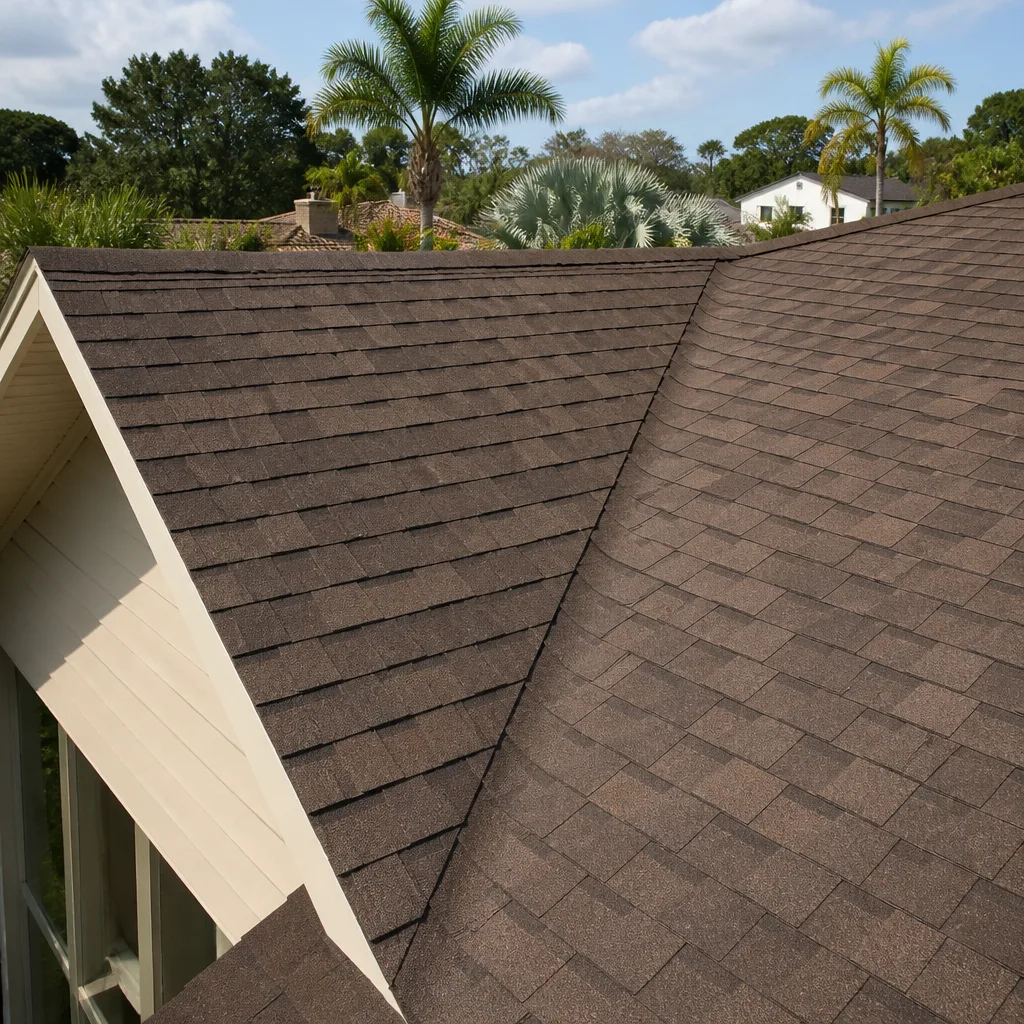
- Roofing
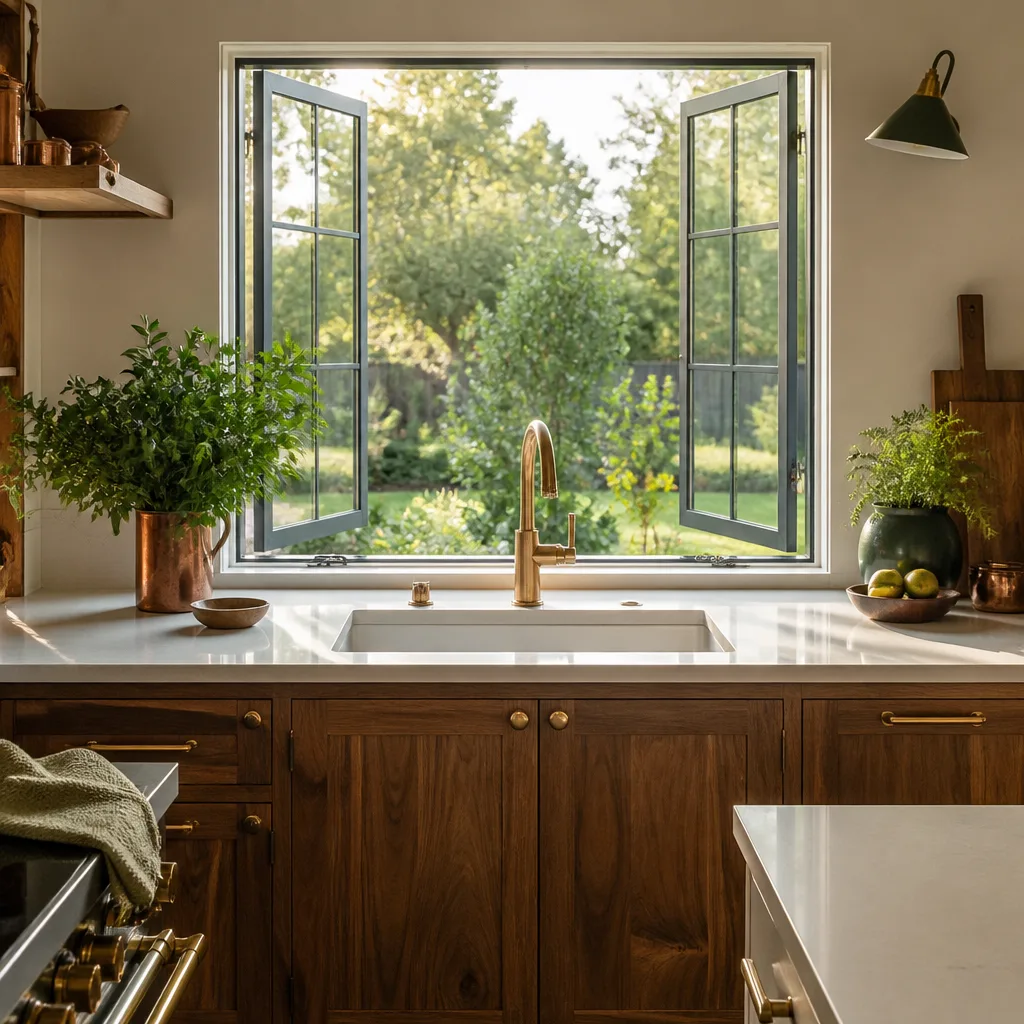
- Windows & doors
- Driveway & pavers
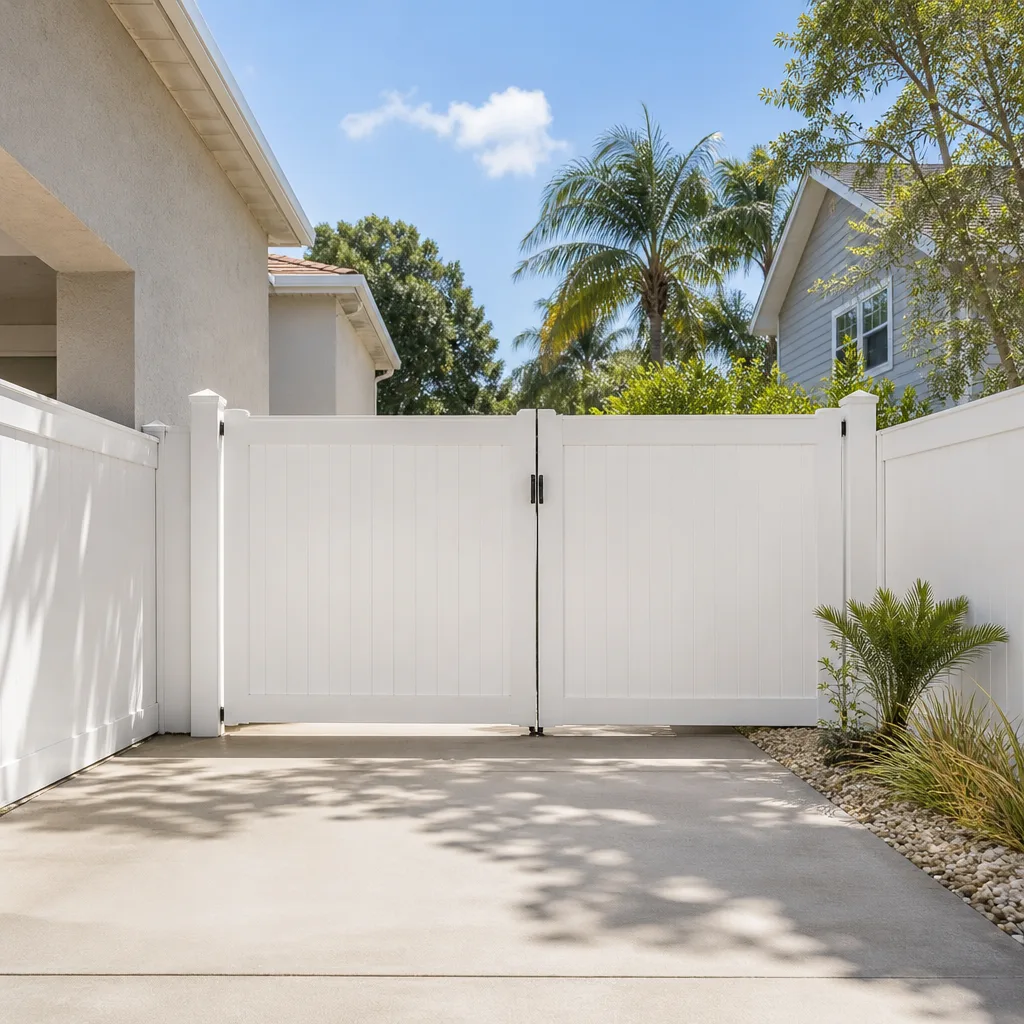
- Fence
See the difference
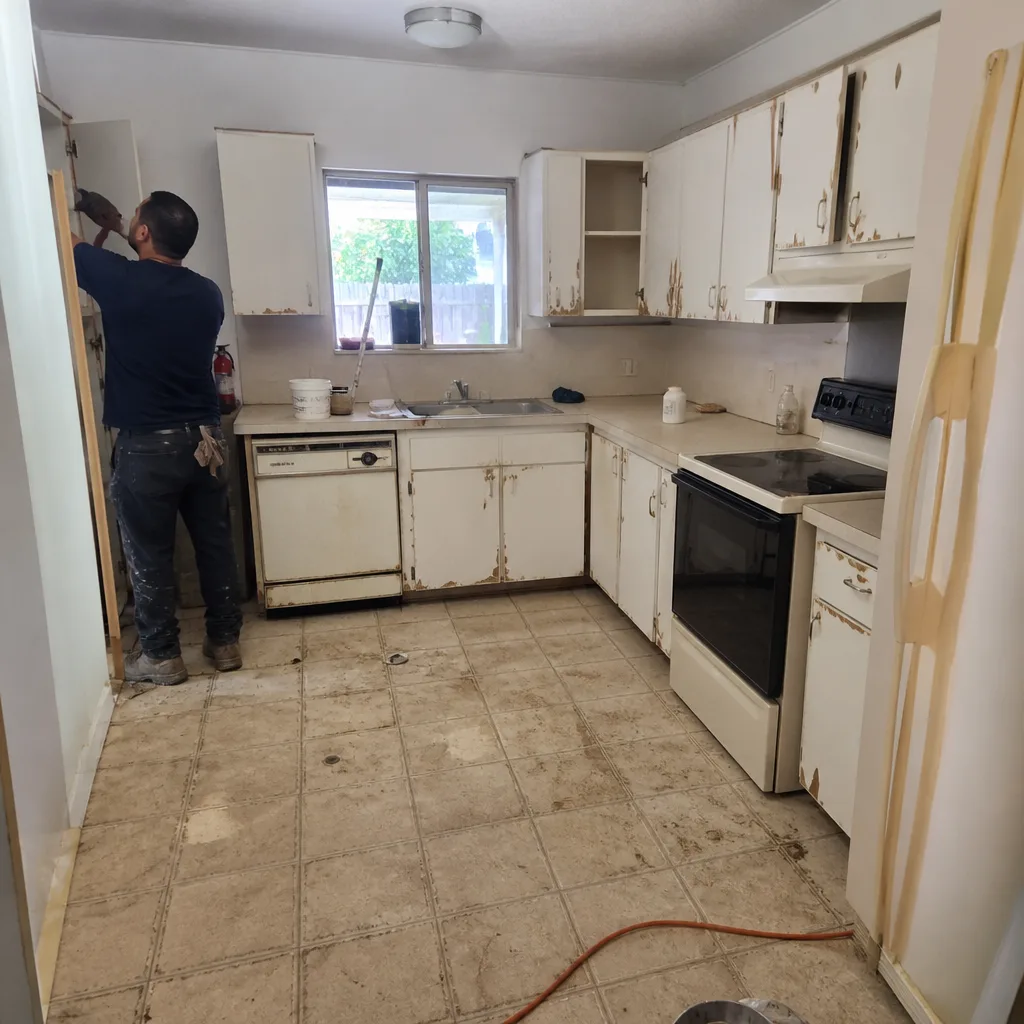 Before
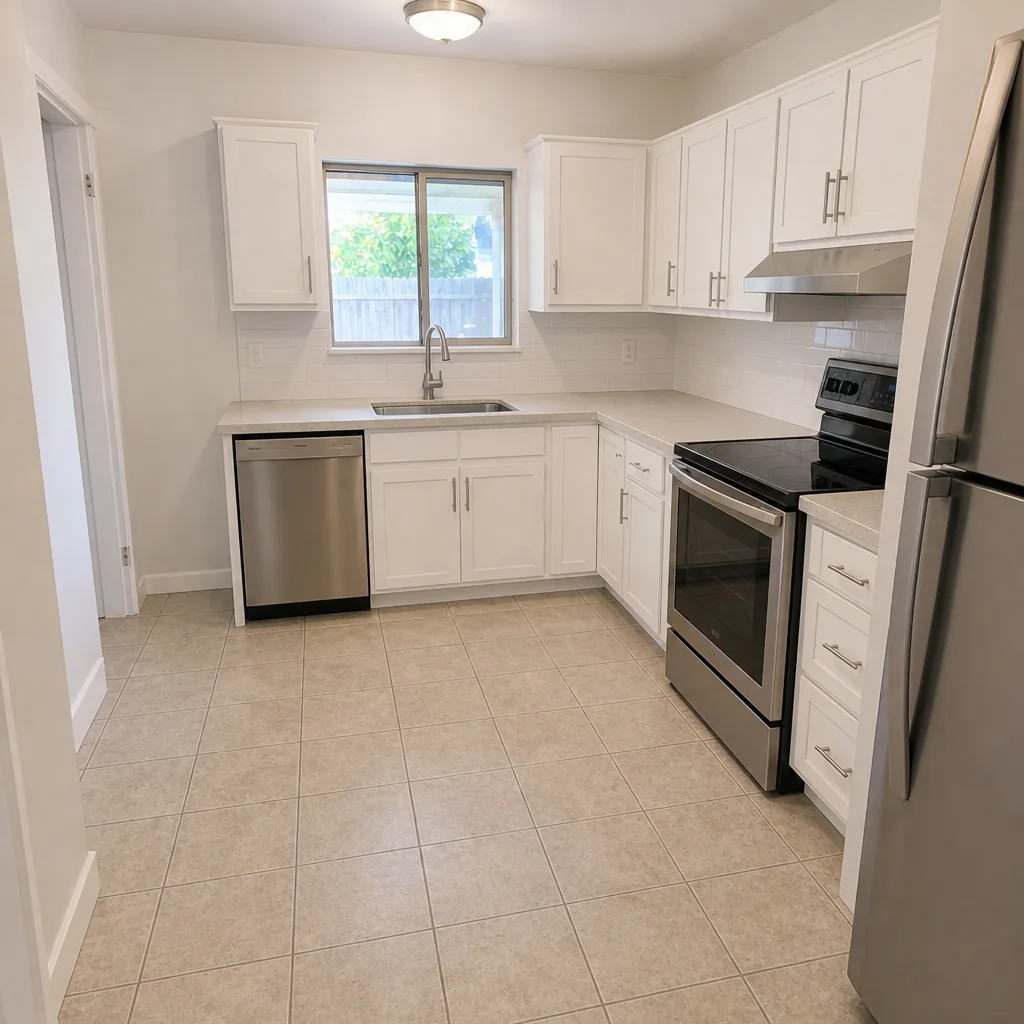 After
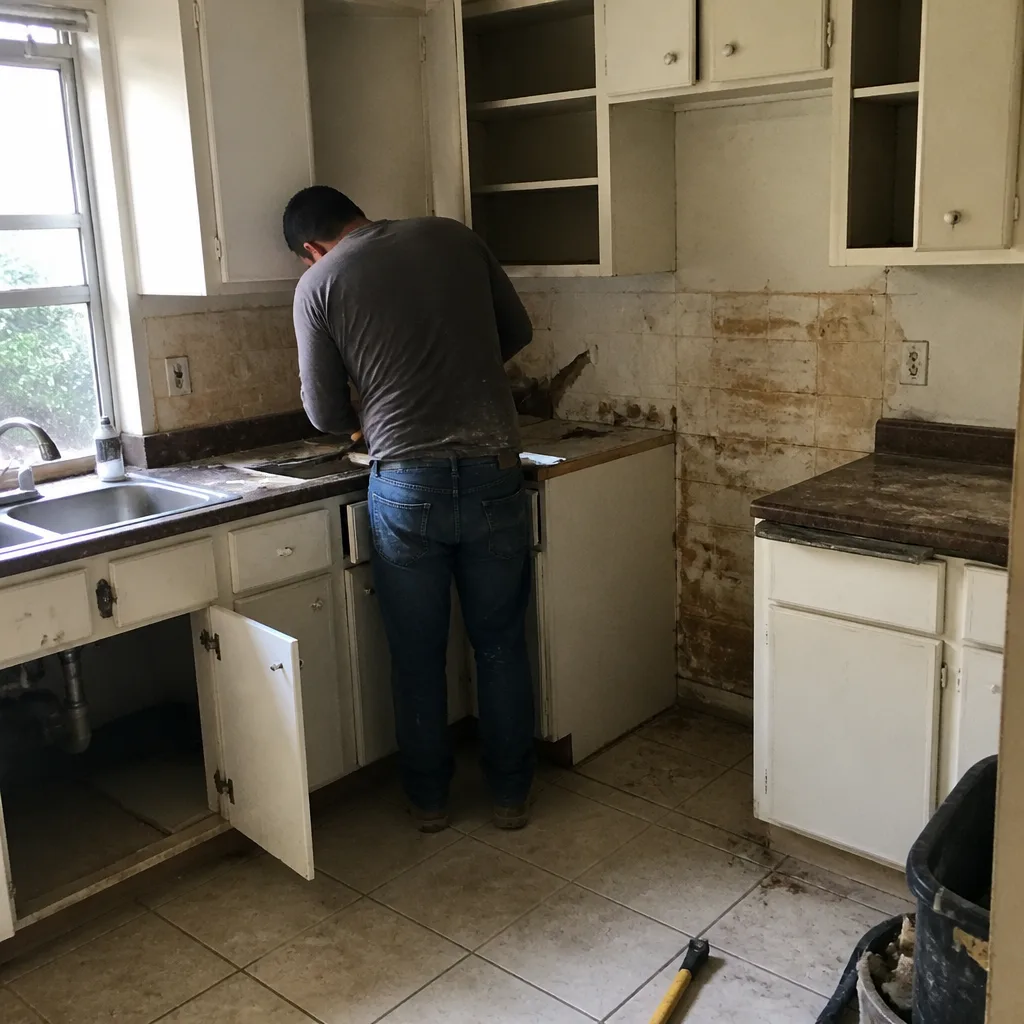 Before
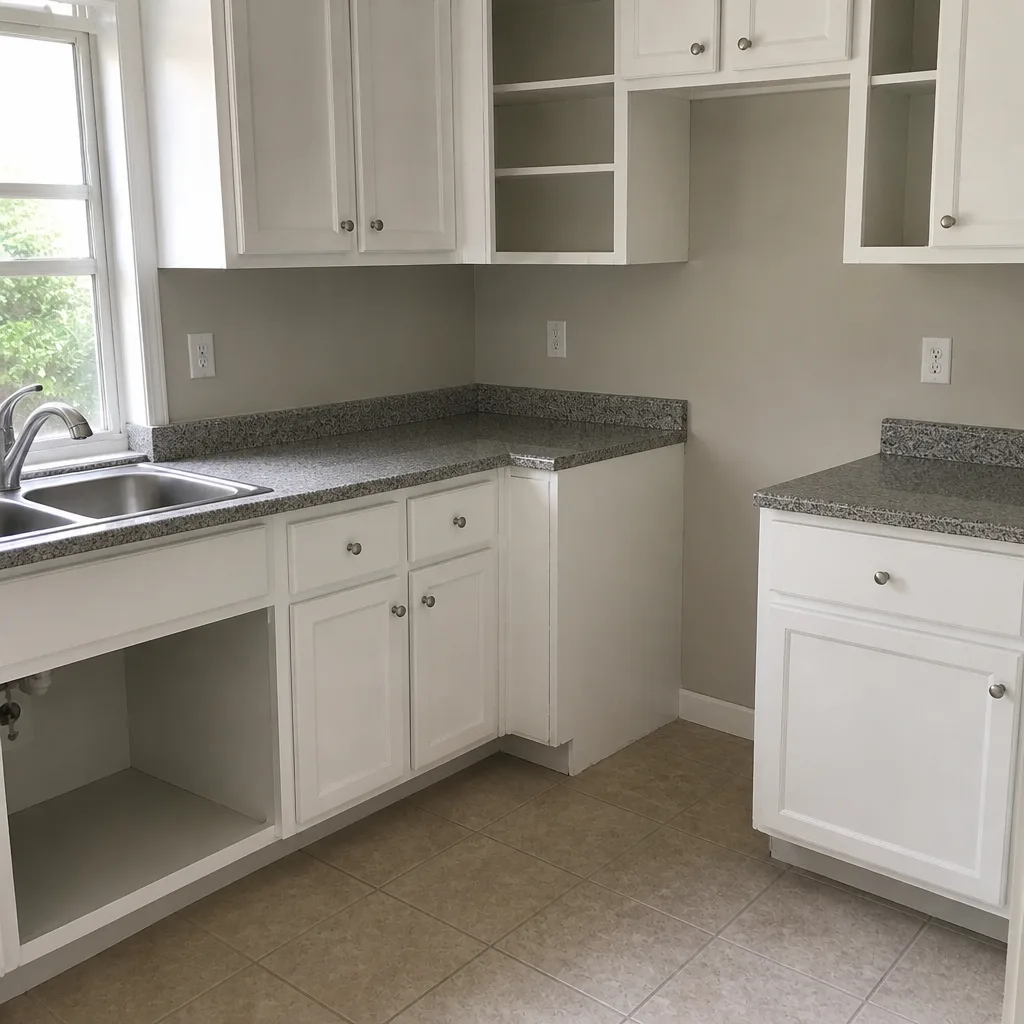 After
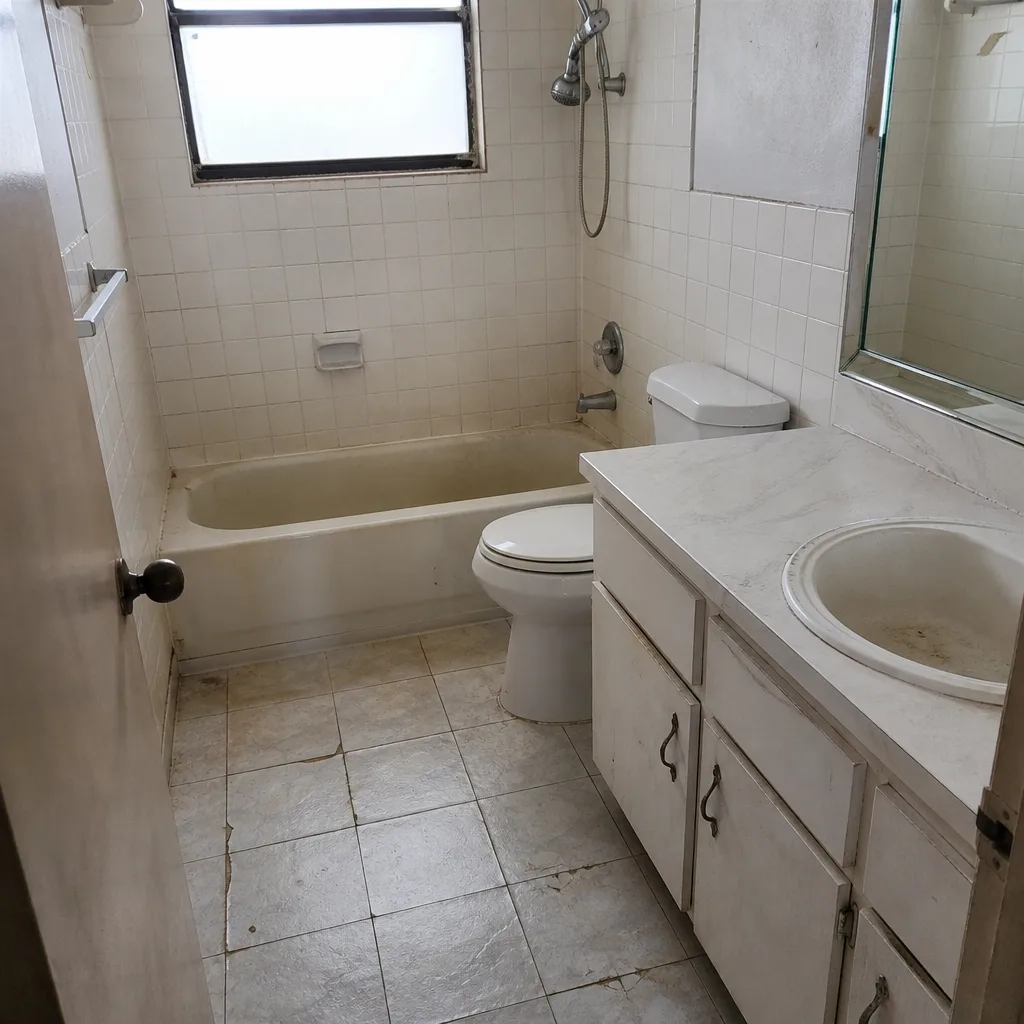 Before
 After
ADU Rules and Requirements in Doral, FL: What Actually Governs Your Lot
An ADU in Doral has to clear three sets of rules, not one: Miami-Dade County zoning, the City of Doral’s own land development code, and, in most of the city’s Mediterranean-revival subdivisions, a private HOA or recorded covenant that can veto the project even when the county says yes. Florida’s 2020 preemption law loosened the state-level restrictions, but it did not overwrite local site-coverage limits or private deed restrictions. Before you spend a dollar on drawings, figure out which layers apply to your parcel. Call (833) 734-5128 and we’ll walk you through it.
Why Doral Is Different From the Rest of Miami-Dade
Doral sits west of Miami International Airport on drained Everglades, and the ground tells you that the moment you dig. Lots here are fill over former marsh, which means a high water table and soft soil sitting just below the surface. Builders learned to work around it with raised pads, pile foundations, and careful slab detailing, and the housing stock shows it: mostly 1990s-to-2010s Mediterranean-revival stucco-on-CMU subdivisions and townhome clusters, plus a huge inventory of tilt-wall warehouses. That’s the backdrop for every ADU conversation in this city, and it drives cost in ways a state-level guide will never mention.
The wet season is the other constant. Fifty-plus inches of rain, concentrated between May and October, and hurricane wind-load requirements mean any detached structure has to be engineered for both standing water and uplift. If your ADU plan doesn’t account for drainage and tie-downs, the inspector will remind you.
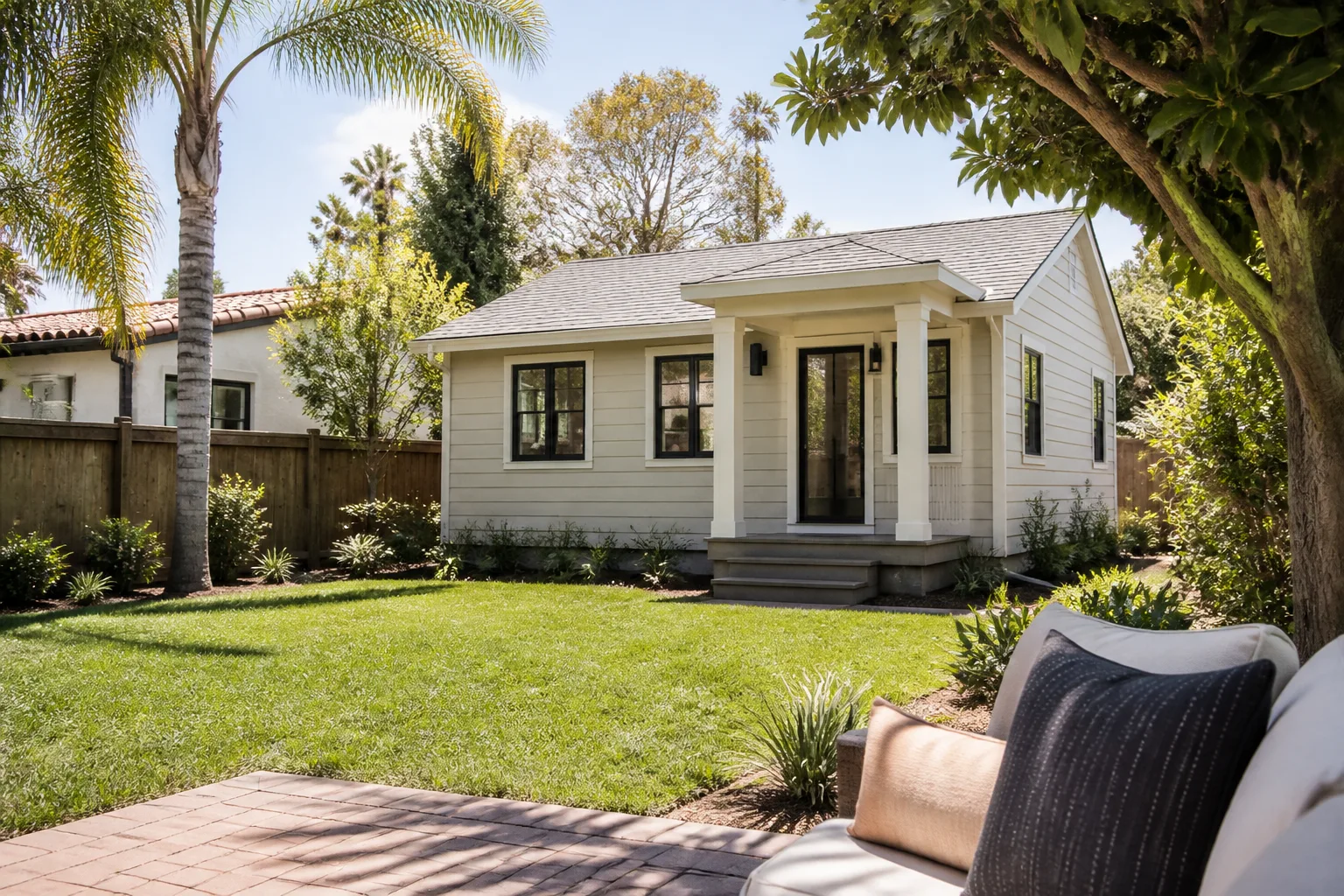
The Two-Layer Approval Process (and the Third Sign-Off Most Guides Skip)
Here’s the approval path most Doral homeowners actually hit, in order:
- Layer 1 – Miami-Dade County. Zoning review, then building permits through the county’s process. This is where lot coverage, setbacks, and height get tested against the underlying code.
- Layer 2 – City of Doral. Doral’s municipal code layers on top of the county’s. A plan that clears the county can still fail on city design standards, landscaping requirements, or parking rules.
- Layer 3 – Your HOA or recorded covenants. This is the one people forget. Much of Doral’s housing was platted with CC&Rs, and an architectural review committee can block an ADU outright, regardless of what county or city says. Get the covenant language read before you draw anything.
On a lot inside an HOA-governed subdivision, that third sign-off comes before permits are even submitted. Skip it and you can end up with approved drawings and a neighbor’s complaint pending against you.
Lot Coverage: Why the “Obvious” ADU Spot Often Isn’t
Most Doral lots from the 1990s and 2000s carry a 50-60% impervious-surface limit. That includes your house footprint, driveway, patios, and any new ADU slab. On the smaller townhome lots, the math gets tight fast – add an ADU footprint and you can push right past the limit without even noticing. If that happens, your options are a site-plan variance or a redesign that shrinks the footprint.
This is where the local knowledge matters more than the codebook. On a tight townhome cluster, the detached ADU you pictured in the back corner may simply not fit inside the numbers. A garage conversion often does, and it sidesteps the coverage question because you’re not adding impervious surface – you’re changing what’s inside it. We’ve seen that switch save projects that were headed for a variance hearing.
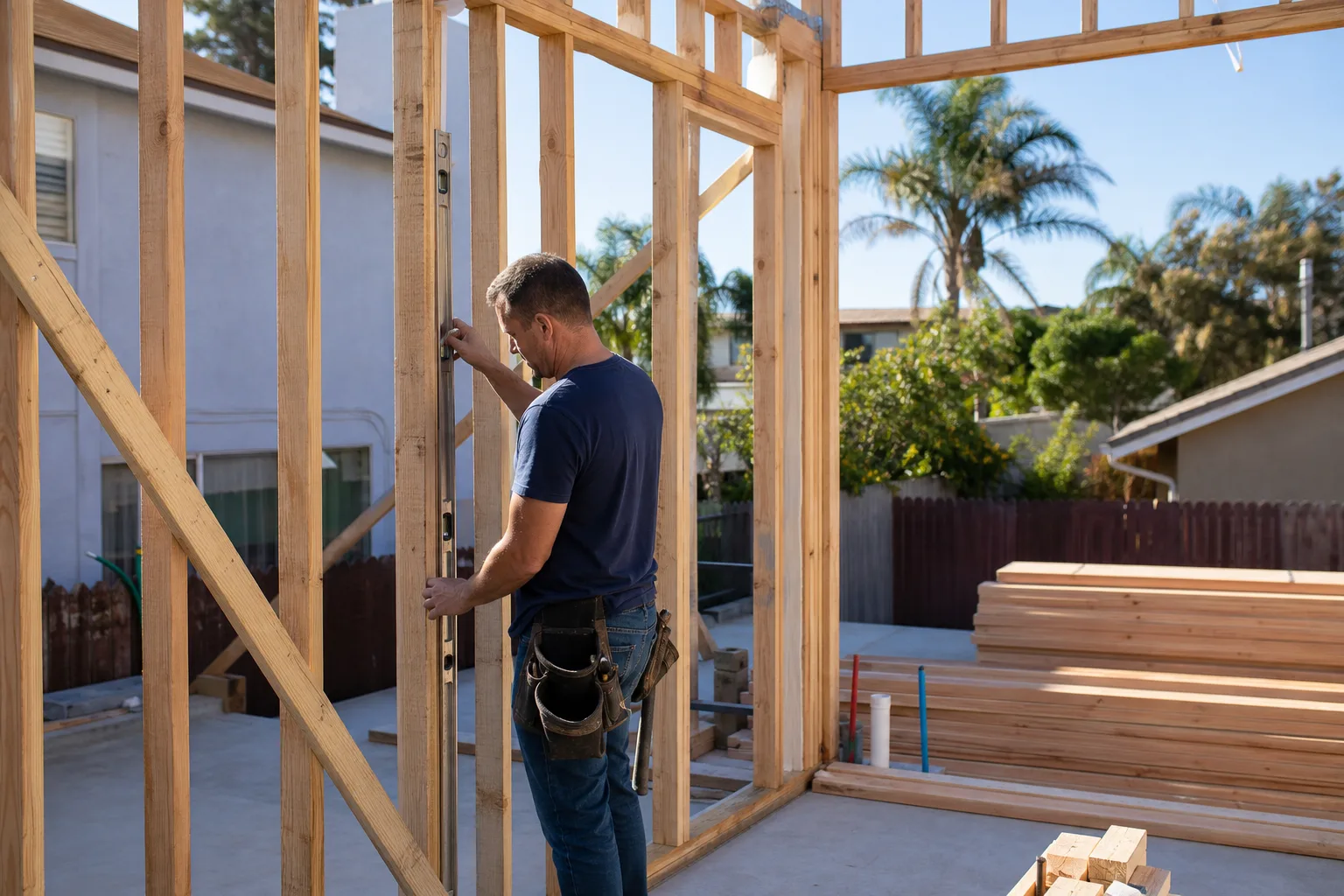
High Water Table: Soils Reports, Piles, and the Cost Nobody Budgets For
Doral’s lots sit over drained marsh, so a standard monolithic slab is often off the table. Detached ADUs here frequently need a soils report and may require grade beams or piles to keep the structure stable and above the water table. That’s not a small line item.
The utility side is just as real. In Miami-Dade, an ADU can require a separate water and sewer tap with WASD (Water and Sewer Department) approval, and that adds weeks of review plus fees that a state-level guide will never put in front of you. Between soils, foundation, and taps, an ADU that looked straightforward on paper can pick up meaningful cost and schedule before the first piece of rebar goes in.
What ADU Work Typically Runs in Doral
For planning purposes, here’s where ADU and addition projects land in this market:
| Project | Typical range |
|---|---|
| ADU construction (full build) | $90,000-$220,000 |
| Home addition | $45,000-$130,000 |
| Garage conversion to ADU | $30,000-$80,000 |
The lead range for a full ADU project in Doral runs $45,000-$130,000 for the addition portion, with the detached build landing higher once soils, piles, and separate taps are in the number. Materials matter too – we install James Hardie siding and KraftMaid cabinetry on these builds, brands you can look up yourself rather than mystery products off a van.
How We Handle the Unknowns: Allowances in Writing
An ADU has more unknowns than almost any other residential project, because the ground and the covenants don’t reveal themselves until you’re in it. Soils, utility connections, HOA compliance – every one of those can move the number after you’ve signed. That’s why we spell out every allowance before ground breaks. The allowance that isn’t on paper is a surprise waiting for a date, and we’d rather put it in writing up front.
If something changes mid-build, you get a written change order before any work proceeds. No surprise invoice at the end. For the deeper walkthrough of how we approach these builds, see our Home Additions & ADU in Doral page.
FAQs
No. If your subdivision has recorded covenants that prohibit accessory dwelling units, the HOA can block the project even when Miami-Dade and Doral zoning both allow it. Read your CC&Rs and get an architectural review decision first, because private deed restrictions sit on top of the county and city rules.
Often yes. An ADU in Miami-Dade can require its own water and sewer tap with WASD approval, which adds review time and fees to the project. Whether yours does depends on the utility layout and how the unit will be metered – call (833) 734-5128 and we’ll help you get a straight answer before you budget.
It can. Many Doral lots carry a 50-60% impervious-surface limit that includes the house, driveway, and patios, and adding an ADU footprint can push you over. A garage conversion is often the workaround since it adds no impervious surface. Call us for a free second opinion on your lot’s numbers.
Plan on several months, not weeks, once you factor in the county review, the city review, HOA sign-off, a soils report, and WASD approval for a separate tap. The projects that move fastest are the ones where all three layers get cleared before drawings are submitted. Call (833) 734-5128 for an upfront estimate and a realistic timeline.
If you’d rather have it looked at, Barrett & Sons Construction Doral offers a no-pressure assessment in Doral – call (833) 734-5128 for a free estimate, and we’ll put the scope, the allowances, and the change orders in writing before anyone picks up a hammer.
Written by the team at Barrett & Sons Construction Doral, serving Doral, FL.