Last updated November 17, 2026






Free written scope consultation - allowances, timeline, and change-order rules on paper before a single trade is scheduled
Bathroom Remodeling Warning Signs Every Homeowner Should Know
A grout line that starts cracking before your first full month of use isn’t a cosmetic quirk. It’s a subfloor or tile-setting problem that will worsen every single day you ignore it. Most bad bathroom remodels don’t announce themselves with a burst pipe or a ceiling on the floor – they whisper first, through hairline cracks, slow drains, and a faint musty smell you can’t place. The homeowners who catch those whispers in the first 90 days spend a couple hundred dollars. The ones who don’t spend thousands. This guide teaches you to read the room, so a $200 fix doesn’t become a $6,000 mold remediation. We’ve walked into plenty of Doral bathrooms where the story was already written on the walls.
Quick Answer
The earliest signs of a bad bathroom remodel are cracked grout within the first month, tiles that sound hollow when tapped, slow drains that started after the job, a toilet that runs on its own, and paint or caulk peeling near the shower. Each one points to a specific installation problem – subfloor flex, thin-set coverage gaps, improper drain slope, or missing ventilation – and each gets more expensive the longer it sits. Document everything in the first 30 days and raise it in writing while the work is still under warranty.
Styles & brands we work with
- Kitchen remodeling
- Bathroom remodeling
- Home additions & ADU
- Roofing
- Windows & doors
- Driveway & pavers
- Fence
Table of Contents
- Tile Work Red Flags: Lippage, Grout Cracks, and Hollow Tiles
- Plumbing Warning Signs at the Fixture Level
- How to Spot Improper Ventilation Before Mold Appears
- Contractor Problems vs. Homeowner Maintenance
- Waterproofing Failures You Can Catch Early
- What to Document in the First 30 Days
- Why Doral Bathrooms Fail Differently
- How to Approach the Conversation With Your Contractor
Tile Work Red Flags: Lippage, Grout Cracks, and Hollow Tiles
Tile is the honest part of a bathroom. It tells you what’s happening underneath, if you know how to listen. In our experience across Doral remodels, three tile symptoms cover most of the early failures we get called back to inspect.
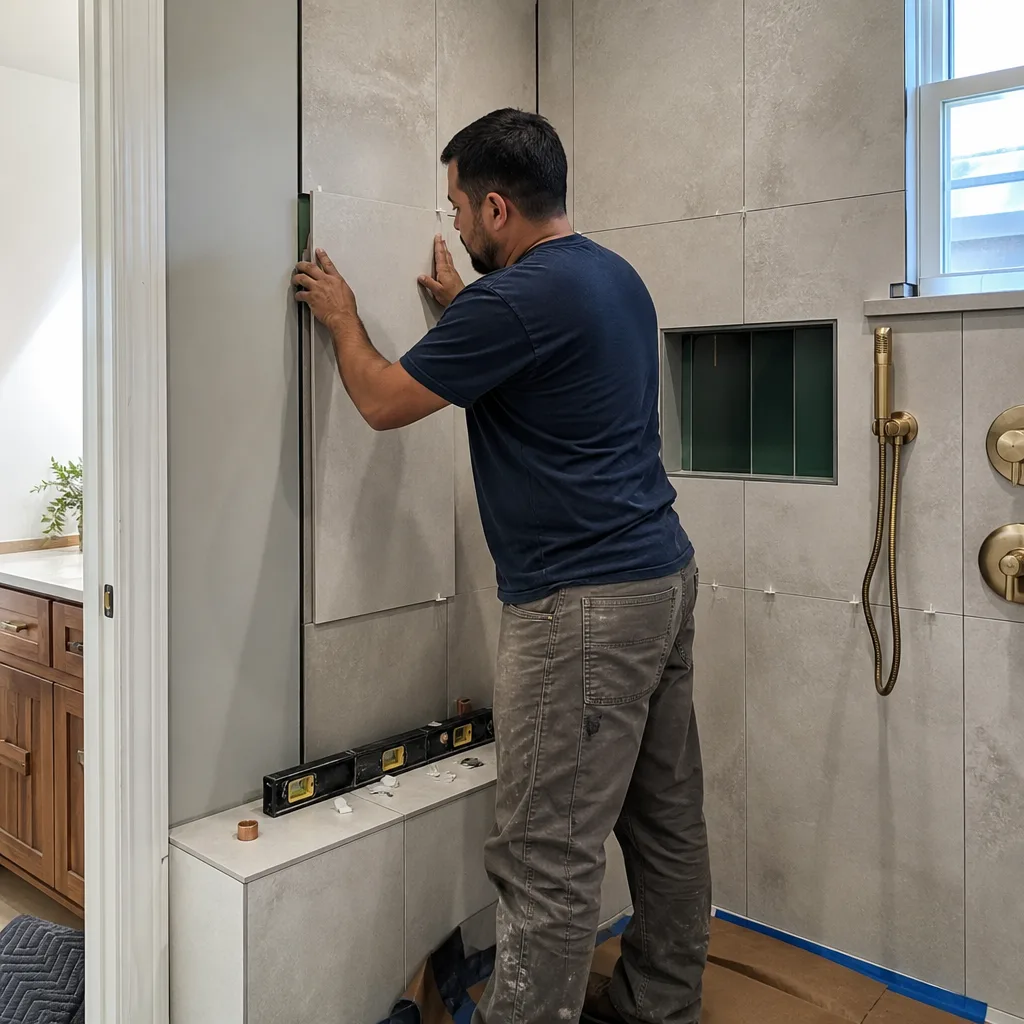
Lippage is when one tile edge sits higher than its neighbor – you can feel it with a fingernail dragged across the seam. A little is normal in large-format tile. Anything you can catch a fingernail on consistently means the installer didn’t use a leveling system or didn’t flatten the substrate. Left alone, the high edge chips, and the grout joint beside it opens up.
Grout cracks within 30 days are the loudest warning. Grout doesn’t crack because it’s old. It cracks because something moved – the subfloor flexed, the tile debonded, or the thin-set wasn’t mixed or applied correctly. A crack running in a straight line along a joint is usually a substrate problem. Cracks radiating from a corner or fixture usually mean a movement joint was skipped.
Hollow-sounding tiles are the quiet one. Tap a tile with a plastic screwdriver handle. A dull thud is normal. A hollow ring means the thin-set didn’t bond across the full tile – usually coverage under 80%, which is below the standard for wet areas. That tile is one dropped shampoo bottle away from coming loose, and water can travel behind it.
- Lippage you can feel: substrate not flattened, no leveling clips used.
- Grout hairline cracks in month one: subfloor flex or thin-set failure.
- Hollow tiles near the shower: insufficient thin-set coverage, water intrusion risk.
- Grout turning sandy or washing out: wrong grout for a wet area, or not sealed.
None of these are cosmetic. Each one is a small opening where water gets in and stays.
Plumbing Warning Signs at the Fixture Level
You don’t need to open a wall to know something’s off with the plumbing. The fixtures tell you. After a remodel, watch these four things for the first 60 days.
- Slow drains that weren’t slow before. If the shower or sink drained fine before the job and now pools water, the cause is usually a P-trap installed with the wrong slope, construction debris left in the line, or a vent that got capped or blocked during framing. This is not a “give it time” problem.
- A toilet that runs or refills on its own. A running toilet after a remodel is almost always a flapper that wasn’t seated correctly, a fill valve set too high, or debris in the valve. It wastes water and can signal a supply line that wasn’t tightened properly.
- Water pressure drop at one fixture only. If the shower is weak but the sink is fine, the shower cartridge or the showerhead screen is likely clogged with sediment stirred up during the plumbing work. If every fixture dropped, suspect a partially closed shutoff valve or a supply line that’s undersized for the new fixtures.
- Water stains or soft spots at the base of the toilet. That’s a wax ring that didn’t seal, and it will rot the subfloor from the top down. Catch it in week two and it’s a $30 part. Catch it in month eight and it’s a floor tear-out.
One more: a slight sulfur or musty smell under the sink after the job usually means a drain connection that wasn’t sealed at the trap. Cheap fix, easy to miss.
How to Spot Improper Ventilation Before Mold Appears
Mold on a bathroom ceiling is the end of the story, not the beginning. The beginning is a fan that’s too small, vented to the wrong place, or wired to the light switch so it never runs long enough to matter. South Florida humidity makes this worse than almost anywhere else in the country – a bathroom here can hit 90% relative humidity within minutes of a hot shower, and if that moisture has nowhere to go, it starts condensing on the coolest surface in the room: usually the ceiling above the shower.
Here’s how to check your fan in under five minutes, no tools:
- The tissue test. Hold a single square of toilet paper up to the fan grille while it’s running. If it doesn’t stay stuck to the grille, the fan isn’t pulling enough air.
- The mirror test. Run the shower hot for five minutes with the fan on. If the mirror is still fogged two minutes after you shut the water off, the fan is undersized or venting poorly.
- Check where it vents. The exhaust duct should go outside the house – through the roof or a wall – not into the attic. A fan dumping humid air into a South Florida attic is a mold farm waiting to bloom.
- Listen for the run-on. A properly wired fan should keep running 15 to 20 minutes after the shower ends. If it dies the second you hit the light switch, moisture is staying behind.
If you’re planning a bigger project and want the ventilation done right the first time, our Barrett & Sons Construction Doral home page lays out how we handle scope on remodeling work. And if the remodel is part of a larger addition, the same ventilation logic applies to any new wet room – see Home Additions & ADU in Doral.
Contractor Problems vs. Homeowner Maintenance
This distinction matters more than any other in this guide, because one is a warranty call and the other is a Saturday afternoon at the hardware store. Getting it wrong either way costs you – you either pay for something that should have been covered, or you burn goodwill chasing a contractor for something that was never his fault.
Contractor-caused problems trace back to installation decisions. These include:
- Grout cracking in the first 30 days (subfloor or thin-set failure).
- A shower that pools water because the pan wasn’t sloped to the drain.
- A fan vented into the attic instead of outside.
- A toilet that rocks because the flange wasn’t set at the right height.
- Caulk peeling at a fresh shower surround within weeks (wrong caulk or a wet substrate when it was applied).
Homeowner-maintenance problems are things that happen to every bathroom over time, regardless of who built it:
- Grout discoloration or mildew in a shower that isn’t cleaned or resealed.
- A fan that stops working after two years (motors wear out).
- Caulk that fails because someone scrubbed it with an abrasive cleaner.
- A slow drain caused by hair, not by installation.
The dividing line is usually time and cause. Failure within the warranty period that traces to installation is on the contractor. Wear-and-tear that shows up after a year or more of normal use is on you. If you’re not sure which side of the line you’re on, that’s exactly when you ask – not accuse. A written, specific question gets a better answer than a phone call that starts with “your guy did this wrong.”
Waterproofing Failures You Can Catch Early
Waterproofing is the invisible layer that makes or breaks a shower, and it’s the hardest thing to inspect after the tile goes up. But there are still tells. The most reliable one is moisture where it shouldn’t be.
Run your hand along the base of the shower wall and the outside face of the shower curb after a shower. If you feel dampness on the dry side of the curb, the pan liner or the surface waterproofing has a breach. Look at the grout at the bottom row of wall tile – if it’s darker than the rest and stays dark, water is wicking up behind it. Look at the paint or drywall on the wall behind the shower. Any bubbling, soft spot, or musty smell on the far side is the most expensive kind of early warning.
The other check is at the shower pan drain. If the tile around the drain feels loose or the grout ring is cracked, that’s a common failure point where the waterproofing membrane ties into the drain flange. It gets skipped more than it should, and it’s the exact spot where water gets under a shower and stays.
For remodels that extend beyond the bathroom – a new patio, a driveway, a fence to finish the yard – the same “water has to go somewhere” principle applies. Our Driveway & Pavers in Doral page shows how we handle drainage on exterior hardscape, and Fence Installation in Doral covers keeping wind-driven rain off the walls.
What to Document in the First 30 Days
If you suspect something’s wrong in the first month, the single most useful thing you can do is start a paper trail. Not because you’re building a case – because you’re making the problem easy for your contractor to solve honestly. Here’s the exact order of steps we recommend.
- Photograph the issue with a scale in frame. A coin, a tape measure, or a ruler next to the crack or gap tells the contractor how big the problem actually is. Close-up photos with no reference point get ignored.
- Photograph the whole context, not just the defect. A photo of the cracked grout alone is easy to dismiss. A photo that shows the crack is right at the shower curb where water pools tells a different story.
- Note the date you first saw it and how it’s changed. “Crack was hairline on day 12, now runs two tiles long on day 26” is a documented progression that no honest installer can argue with.
- Write a short, specific message – not a phone call. Email or text with the photos, the dates, and a plain question: “I noticed this on [date], it’s gotten bigger since. Can you take a look?” That’s it. No accusations, no threats.
- Give the contractor a chance to respond before you escalate. The best crews want to fix it. A documented, polite request from a reasonable customer is the easiest job on their schedule.
- Keep every message, every change order, and the final contract together. If it does turn into a dispute, that folder is the difference between “he said, she said” and a clear record.
One thing to be firm on: if the issue is a waterproofing or subfloor failure, accept a proper repair, not a cosmetic patch. A bead of new grout over a cracked joint is not a fix. It’s a delay. The best contractors will agree with you on that. If yours wants to wait and see, get the conversation in writing.
Why Doral Bathrooms Fail Differently
Doral isn’t a generic U.S. market for bathroom work, and the failure patterns reflect it. The South Florida climate pushes bathrooms harder than most. High humidity year-round means any small waterproofing breach gets wet and stays wet. Summer thunderstorms send moisture against exterior walls, and bathrooms that share a wall with the outside get more stress than an interior bath. We regularly see tile failures and grout cracking tied to that exterior-wall exposure in neighborhoods like Doral Isles and the communities near Downtown Doral.
The construction stock matters too. A lot of Doral homes are built with concrete-block exterior walls and a certain generation of cast-iron or older PVC plumbing. When a bathroom remodel ties new shower valves or a relocated sink into that older plumbing, a mismatched fitting or an incorrect rough-in measurement can cause a slow leak inside the wall. That leak doesn’t announce itself with a puddle – it shows up six months later as a soft spot in the drywall on the other side of the wall or a buckling baseboard in the adjoining room.
The permit side is its own chapter. Miami-Dade County requires permits and inspections on bathroom remodels that touch plumbing, electrical, or structural work, and Doral sits squarely under that jurisdiction. In our experience, when a remodel was done without permits, the inspection trail is missing and you have no way to verify that waterproofing or rough-in was done to code. If you don’t know whether your remodel was permitted, look up the permit on the county’s records before anything else. That one check can save a whole conversation later.
How to Approach the Conversation With Your Contractor
Here’s the part most homeowners get wrong, and it costs them. The right conversation to have with a contractor about a suspected problem is not a confrontation. It’s a service request. You want the same thing – a bathroom that works – and the contractor who did the work almost always wants the chance to make it right rather than have the problem land on his reputation.
Lead with the facts, not the verdict. “The grout at the shower curb cracked on day 14 and has grown since. Can you come look?” gets a visit. “Your installer did this wrong and I want my money back” gets a lawyer and a standoff, and neither of those fixes the bathroom.
Ask for a written response. Once you’ve shown the photos and had the visit, ask for a written summary of what they think is happening and what they’ll do about it – in writing, before work resumes. Any contractor who won’t put a diagnosis and a plan in writing is telling you something about how they’ll handle the next issue too.
Know what your contract says about warranty. This is where the paper trail pays off. A written warranty on the work – not just the materials, the labor – is what makes the difference between a free fix and a negotiation. It’s also why we write the 90-Day Done Right Promise onto every construction and remodeling contract. If it isn’t done right, Tom comes back and makes it right, one call. No fine print, no buried clauses.
If your contractor has stopped answering calls, if the company can’t produce a permit, or if the problem is a waterproofing failure and they want to patch it and walk, that’s when you bring in a second opinion. Look for one in writing, from someone who’ll put their name on it.
Common Mistakes to Avoid
- Waiting “to see if it gets worse.” In a Doral bathroom, moisture doesn’t stay put – it spreads. A slow leak caught in week two is a $200 repair. Caught in month six, it’s a floor and wall section replaced.
- Repainting or re-caulking over the symptom. Fresh caulk over a failing shower pan hides the problem for a few more months while the damage continues underneath. Fix the cause first.
- Skipping the permit records. Before you even diagnose the problem, confirm the remodel was permitted and inspected. An un-permitted job changes the entire conversation about who’s responsible.
- Complaining by phone only. A verbal complaint has no record. A dated email or text with photos does. Send it.
- Assuming the problem is the tile. Cracked tile usually means a subfloor or waterproofing problem underneath. Replacing the tile without fixing the substrate is throwing money at a symptom.
- Hiring a repair crew without asking about the warranty. If the first contractor’s warranty on labor was the reason to call them, make sure the second one is willing to put the same thing in writing.
- Letting the 90-day window close on a known problem. Almost every legitimate warranty on remodeling work is windowed. If you see something early, report it early – even if you’re not sure yet.
See the difference
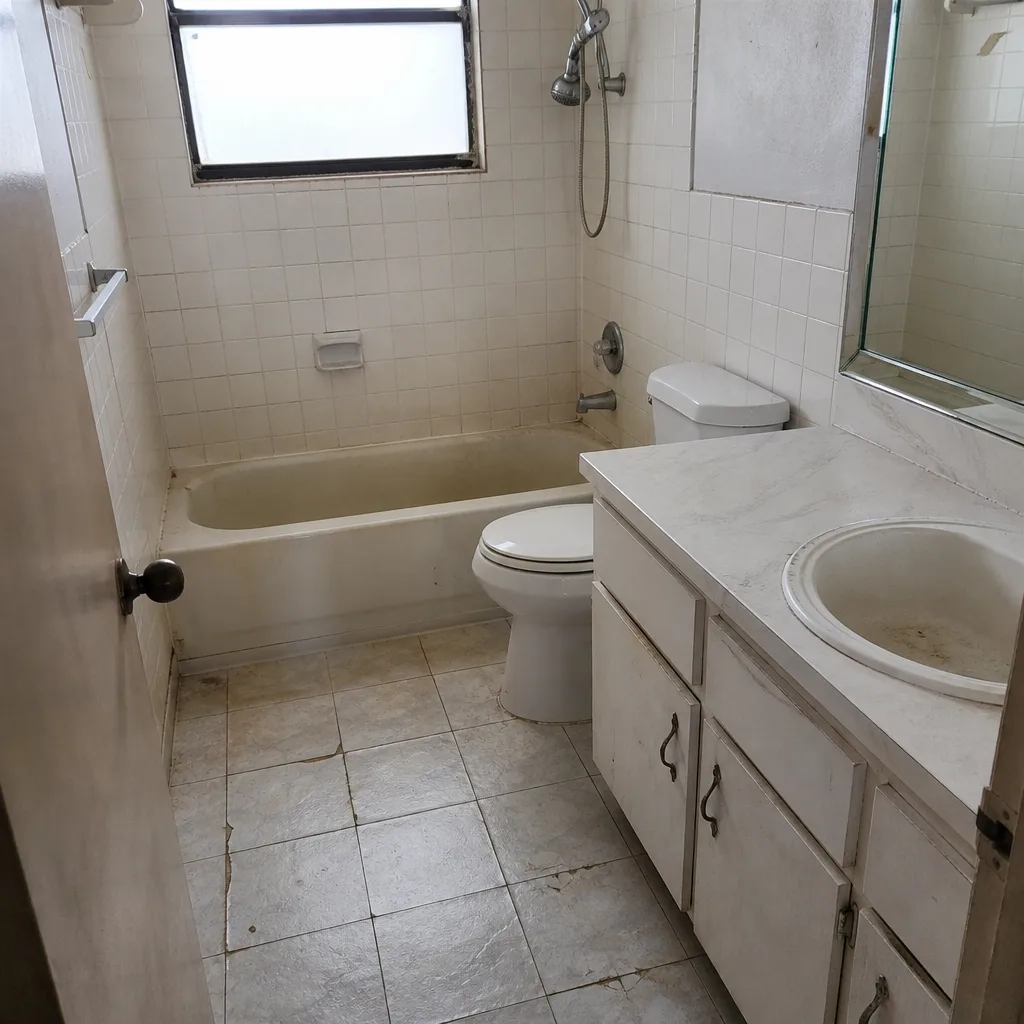
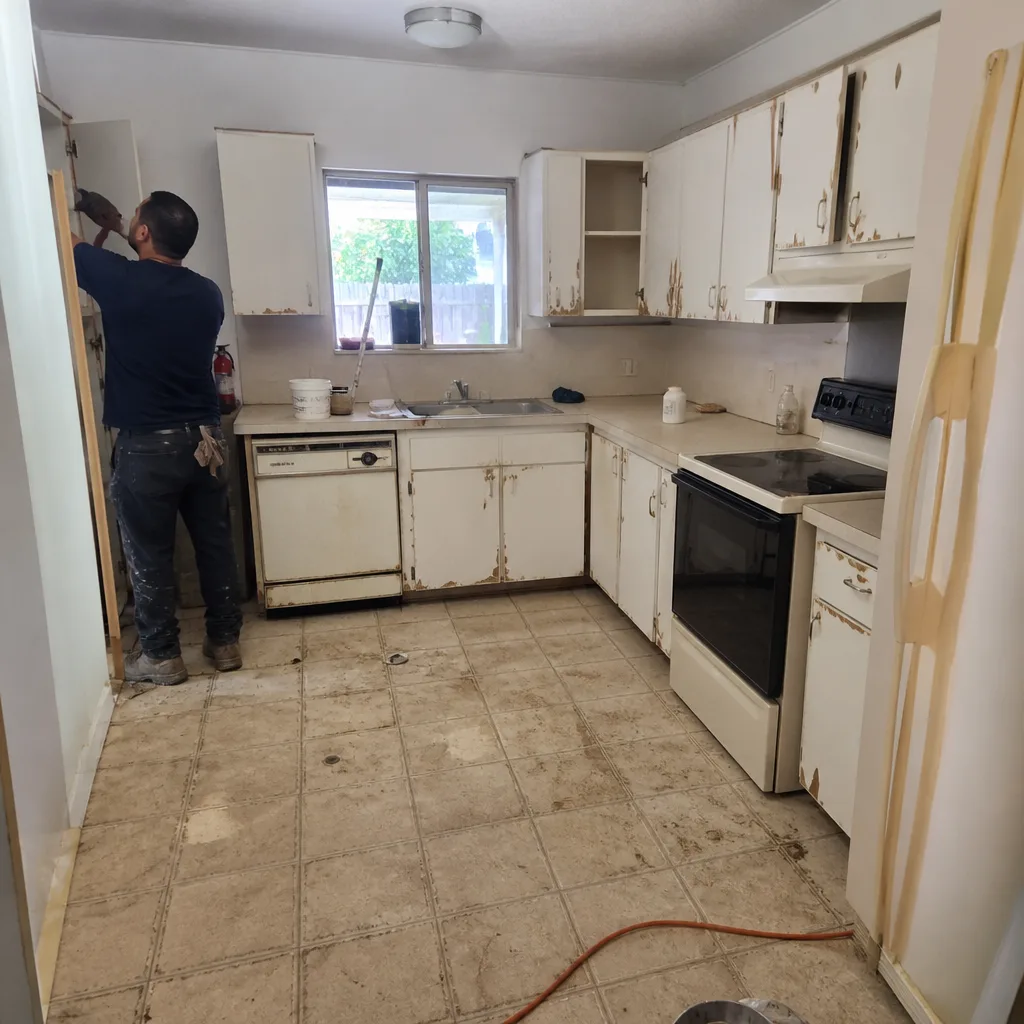 Before
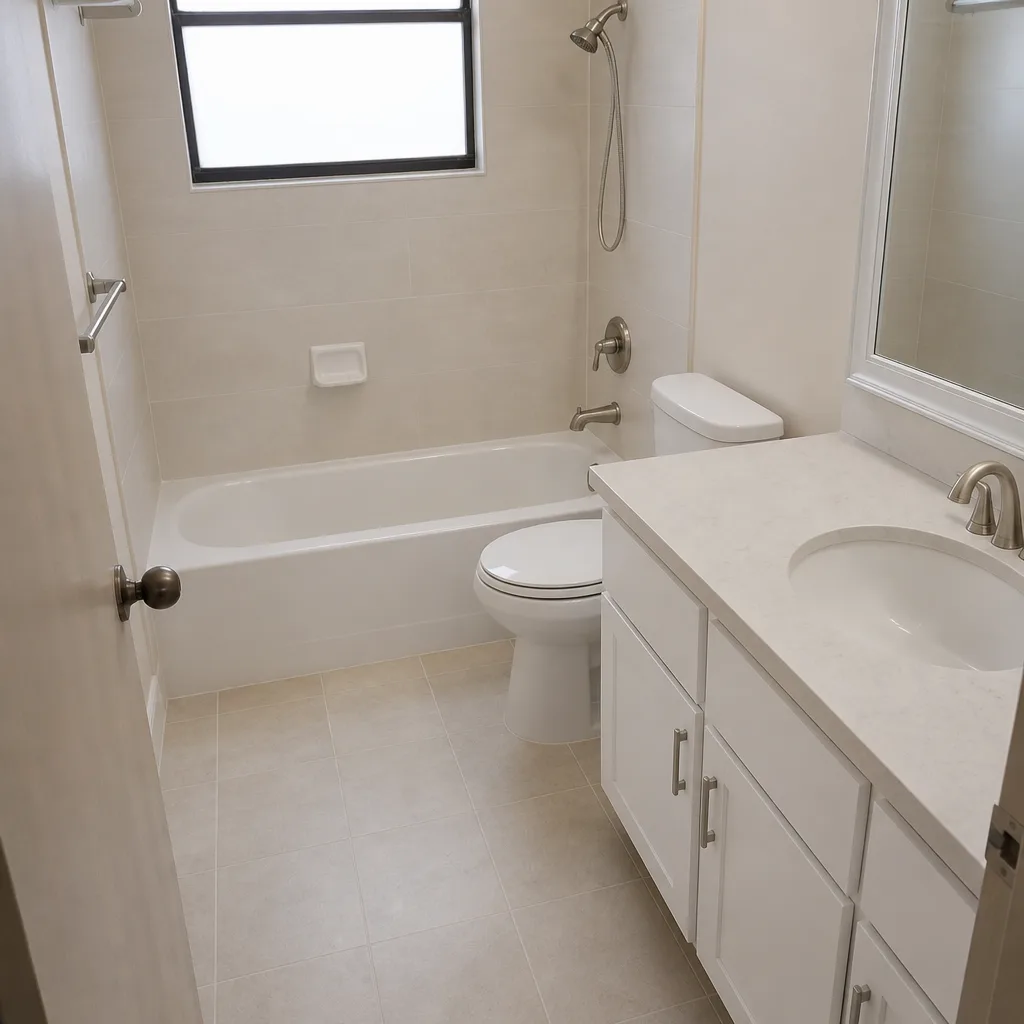
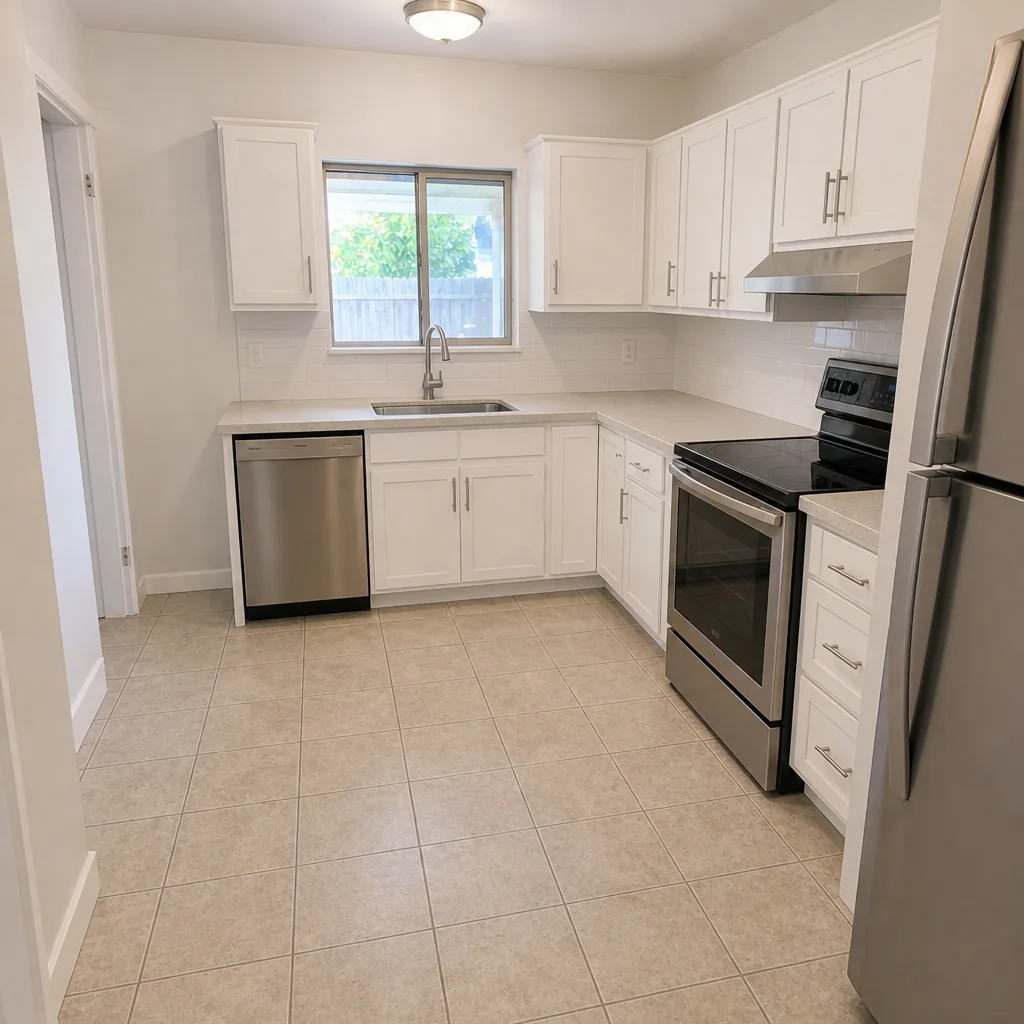 After
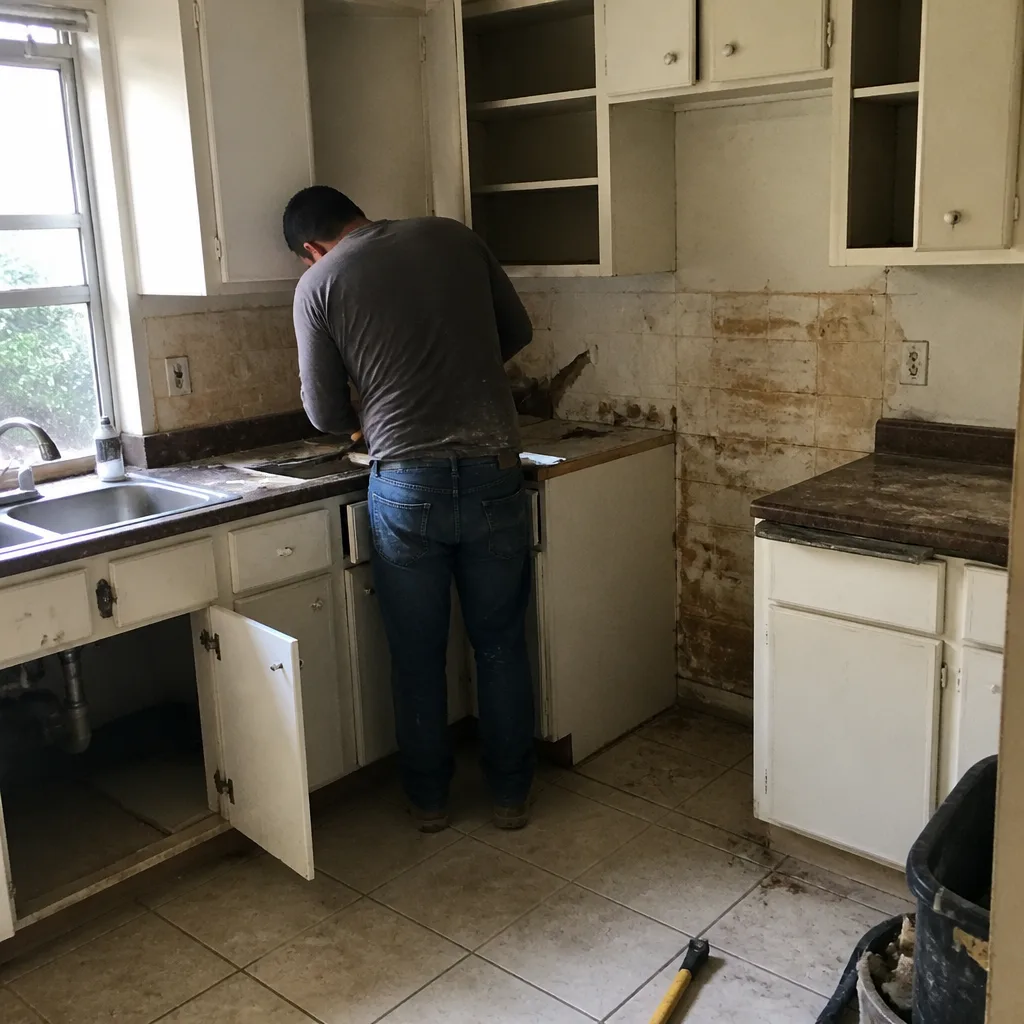 Before
 After
 Before
 After
When to Call a Professional
Some warning signs are a Saturday project. Others are a phone call. Call a professional immediately if: water is pooling or dripping where it shouldn’t be, you smell a persistent musty odor with no visible source, the drywall on the back side of the shower wall feels soft, the toilet rocks when you sit on it, or a shower pan has visible cracks. Also call if your contractor won’t respond to a documented complaint, or if the job was un-permitted and you need it inspected. These are not cases where waiting is smart. Barrett & Sons Construction Doral offers free estimates in Doral – call (833) 734-5128 to schedule one, and ask for a written second opinion on any written estimate you already have. It’s free, and it’s the fastest way to know exactly what you’re dealing with. Our technicians have up to 28 years of experience reading these rooms, and we’ve seen almost every failure mode a Doral bathroom can produce.
Frequently Asked Questions
The earliest signs are cracked grout within the first month, tiles that sound hollow when tapped, slow drains that started after the job, and a toilet that runs on its own. These point to subfloor flex, thin-set coverage gaps, or rough-in errors and should be documented and reported to the contractor immediately, in writing with photos. Call (833) 734-5128 if you’d like a professional second opinion – estimates are free.
Grout in a properly built shower should go years without cracking. If it cracks within the first 30 to 60 days, the cause is almost always movement underneath – a subfloor that flexed or thin-set that didn’t bond – not the grout itself. It’s a warranty issue, not a maintenance issue. Call (833) 734-5128 for a free estimate on the repair.
Yes, and Doral’s humidity makes it more likely than in most markets. The two main causes are a waterproofing failure that lets water behind the tile and a ventilation fan that’s undersized or vented into the attic instead of outside. South Florida bathrooms can hit 90% relative humidity within minutes of a shower, so any moisture that stays put has a head start on mold. Call (833) 734-5128 to schedule a free inspection.
Yes, if the work touches plumbing, electrical, or structural elements – which most remodels do. Miami-Dade County requires permits and inspections, and Doral falls under that jurisdiction. If your remodel wasn’t permitted, you should check the county’s records before anything else, because an un-permitted job changes what recourse you have. Call (833) 734-5128 for a free estimate on a permitted repair or re-inspection.
Yes. A hollow sound means the thin-set didn’t bond across enough of the tile, and in a wet area that’s below standard coverage. The tile is at risk of coming loose and water can travel behind it, so it’s worth flagging to your contractor while the job is still under warranty. Call (833) 734-5128 if you’d like a second opinion on whether it’s a fix or a wait-and-see.
Send a documented, written request with photos and dates, keep a copy, and then call in a professional second opinion in writing. If the problem is a waterproofing or subfloor failure and the original contractor won’t take responsibility, you need to know the true scope before you spend another dime. Barrett & Sons Construction Doral offers a free second opinion on any written estimate – call (833) 734-5128 to schedule one.
The Bottom Line
Bad bathroom work leaves evidence long before it fails catastrophically, and the first 90 days are when that evidence is cheapest to act on. Cracked grout in month one, hollow tiles, slow drains, a running toilet, a fan that doesn’t pull air – each of these is a specific, addressable problem, and each one grows more expensive the longer it sits. Document what you see, put it in writing, and give your contractor the chance to make it right. If they won’t, get a second opinion in writing before you spend another dollar. In Doral, with our humidity and our building stock, the clock runs faster than most homeowners realize. Catch it early.
Call (833) 734-5128 to schedule your free estimate with Barrett & Sons Construction Doral. Every price change is a written change order, every eligible job gets permits pulled and inspections signed, and our technicians have up to 28 years of experience reading exactly this kind of trouble.
Written by the team at Barrett & Sons Construction Doral.