Last updated November 17, 2026
Free written scope consultation - allowances, timeline, and change-order rules on paper before a single trade is scheduled
The Complete Home Additions & ADU Guide for Doral Homeowners
Florida legalized accessory dwelling units statewide in 2021, but Doral’s local zoning still controls what you can actually build on your lot – and most homeowners don’t find that out until after they’ve drawn plans. We’ve watched it happen: a family spends $3,000 on architectural drawings for a detached ADU, submits to the City of Doral, and learns the lot’s setback and lot-coverage math won’t allow it. That’s the gap this guide closes. Below you’ll find Doral’s zoning districts explained, Miami-Dade impact fees broken down, attached vs. detached ADU structure for concrete block (CBS) construction, utility meter rules, and real South Florida cost ranges – the same numbers we work with when we sit down at a kitchen table in Doral.
Quick Answer
In Doral, a home addition or ADU runs roughly $180 to $320 per square foot all-in, and a 600 sq ft detached ADU typically lands between $110,000 and $195,000 once impact fees, permits, and utility connections are included. Whether you can build one depends on your specific zoning district, your lot coverage and setback math, and how the ADU will be used – rental income changes the fee picture. Start with a zoning check before you spend a dollar on drawings.
Styles & brands we work with
- Kitchen remodeling
- Bathroom remodeling
- Home additions & ADU
- Roofing
- Windows & doors
- Driveway & pavers
- Fence
Table of Contents
- How does Doral zoning decide whether you can build an ADU?
- What do Miami-Dade impact fees actually cost for an addition?
- Attached vs. detached ADUs and Doral’s CBS construction standard
- The Doral permit process, step by step
- Separate meter or sub-panel? Utility rules for ADU rentals
- What will a Doral addition cost, line by line?
- Wind mitigation and insurance after an addition
- Common mistakes to avoid
How does Doral zoning decide whether you can build an ADU?
Doral runs its own building department and its own zoning code, separate from Miami-Dade County. That distinction matters more than almost any other fact in this guide. A state law says ADUs are legal; a Doral zoning designation says whether your lot can hold one. Those are different questions and they get answered by different people.
Most Doral residential parcels fall into one of a few categories, and each treats an addition differently:
- Single-family residential districts – typically the most permissive for a primary addition and often for an attached or detached ADU, subject to lot coverage (usually capped around 35 to 40 percent of the lot), rear and side setbacks, and a maximum accessory structure height.
- Mixed-use corridors – Doral’s commercial spine (think the Doral Boulevard and NW 87th Avenue corridors) blends retail, office, and residential. If your property sits in a mixed-use district, ADU eligibility often hinges on whether the residential use is a permitted primary use or a conditional one.
- Planned unit developments and gated communities – individual HOAs in communities like those around Doral Park and the northwest neighborhoods can impose deed restrictions that are stricter than the city code. A city permit doesn’t override an HOA covenant.
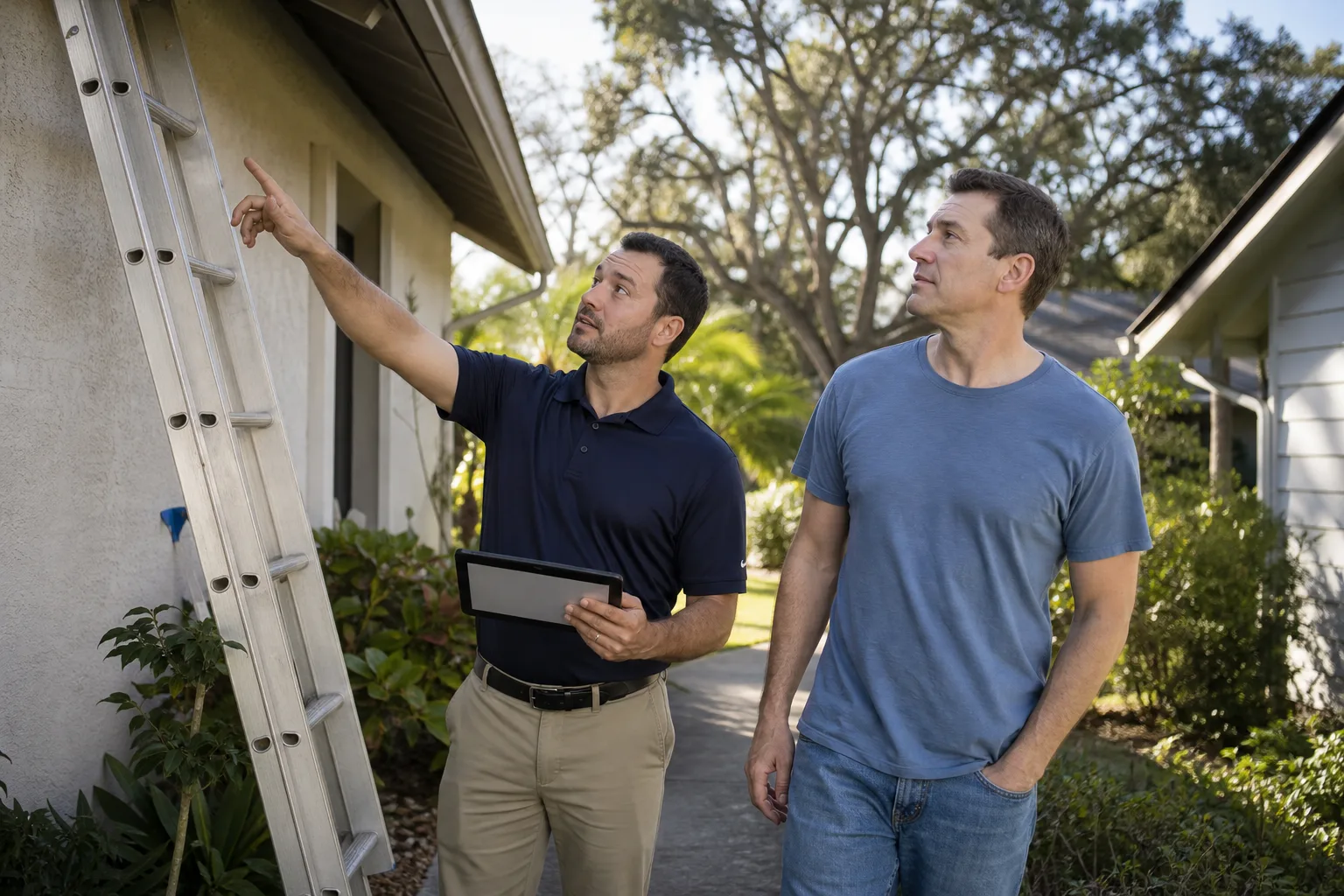
The practical move: before you hire a designer, pull your property’s zoning designation from the Miami-Dade Property Appraiser and confirm it with the City of Doral planning department. Ask two questions – what’s my maximum lot coverage, and is an ADU a permitted accessory use in my district? The answers decide everything downstream. If you want a crew that already knows how to read those answers, our Home Additions & ADU service in Doral starts with that zoning check.
What do Miami-Dade impact fees actually cost for an addition?
This is the line item most guides leave out, and it’s the one that stings. Miami-Dade County assesses impact fees on new square footage to cover the added load on roads, parks, fire, and schools. For a home addition, those fees commonly run $5,000 to $15,000 or more, and the number swings with how the space is used.
Here’s what drives the range:
- Use type. A primary-suite addition for your own family is assessed differently than an ADU designed as a rental. A kitchenette and separate entrance can trigger a higher land-use classification.
- Square footage. Fees scale with added conditioned area. A 400 sq ft addition and an 800 sq ft addition are not the same conversation.
- School concurrency. Miami-Dade ties some impact fees to school capacity by area. If the surrounding Doral schools are at capacity, the school portion can climb.
- Credits. Demolition of existing square footage can offset part of the fee. If you’re replacing an old screened enclosure or carport with conditioned space, ask whether you qualify for a credit.
Impact fees are paid at permit issuance, not at the end of the job, so they land early and they land hard. Budget them into your first conversation with a lender, not your last. A written line-item estimate that lists impact fees as a separate line is the only honest way to quote an addition in Doral.
Attached vs. detached ADUs and Doral’s CBS construction standard
Doral builds in CBS – concrete block and stucco – because that’s what survives a South Florida wind event and what the insurance market rewards. That single fact shapes every structural decision on an addition, and it pulls attached and detached ADUs in different directions.
Attached ADUs
An attached ADU shares a wall, roof plane, and foundation with the main house. It’s usually cheaper per square foot because you’re not duplicating a foundation, a roofline, or a full set of exterior walls. The structural catch is the tie-in: the new block wall has to be tied to the existing structure with proper reinforcement, and the roofline has to be flashed and integrated so it doesn’t leak at the junction. In our experience around Doral, water intrusion at that seam is the number one callback on attached additions.
Detached ADUs
A detached ADU is a standalone CBS structure with its own foundation, roof, and hurricane straps. It costs more up front but gives you a clean structural envelope and a true rental separation. Two Doral-specific considerations: your lot-coverage math gets tighter because you’re adding a footprint away from the house, and the rear setback has to hold. In the tighter lots west of the Palmetto, a detached ADU often fails the setback test before it fails anything else.
Either way, the roof matters. We install GAF and CertainTeed systems on additions because both carry wind ratings that satisfy Miami-Dade’s high-velocity hurricane zone requirements and both have documented product lines you can look up by name. When the inspector asks what’s on the roof, “a brand you’ve never heard of” is the wrong answer.
The Doral permit process, step by step
Doral issues its own permits, runs its own inspections, and has its own review queue. That queue moves, but it doesn’t move overnight. Here’s the realistic path:
- Zoning verification. Confirm your district, lot coverage allowance, setbacks, and whether an ADU is permitted. Do this before design.
- Survey and site plan. A current boundary survey shows exactly where your setbacks fall. Old surveys can be off, and an off survey means a rejected plan.
- Architectural and structural drawings. Sealed drawings covering foundation, framing, roof structure, and wind loads for the high-velocity hurricane zone.
- Impact fee calculation. The city and county calculate your fees based on use and square footage. Get this number before you sign a construction contract.
- Submittal and plan review. The Doral building department reviews for code and zoning compliance. Expect plan review comments and a revision cycle – plan for one round and be pleasantly surprised if you skip it.
- Permit issuance and fee payment. Impact fees and permit fees are paid here.
- Construction and inspections. Foundation, tie-beam, framing, and final inspections are signed in sequence. Each one has to pass before the next stage.
- Certificate of Occupancy. This is the finish line. No legal use, no rental income, no insurance coverage on the new space until the CO is issued.
The permit inspector works for you, not for us – that’s why we like him. Every eligible job we take includes permits pulled and inspections signed, because the last contractor most people used told them permits were optional. They aren’t.
Separate meter or sub-panel? Utility rules for ADU rentals
If the ADU will be rented, “how do we split the power and water” becomes a real legal and financial question, not a rounding error. The answer comes down to how you’re using the space.
Electrical
A sub-panel fed from the main house service is the cheaper path and is fine for an ADU occupied by family or used as a guest suite. It means one meter, one bill. For a formal rental where the tenant pays their own electric, you’ll want a separately metered service, and FPL will require a separate service drop and meter base – which adds cost and means coordinating with FPL’s connection schedule. Budget the difference early; retrofitting a separate meter after the walls are closed is expensive.
Water and sewer
Miami-Dade Water & Sewer treats a separately metered ADU as a separate account, which usually means a separate water service line and meter – a bigger excavation than most homeowners expect. If you stay on one meter, you’ll need to decide how utilities get billed to a tenant in your lease. Some Doral owners fold water into rent and keep one meter; others pay for the separate tap. Neither is wrong, but the decision has to be made before the slab is poured, not after.
For a fence or hardscape component of an ADU project, see fence installation in Doral and driveway & pavers in Doral – both tie into the site plan and both are easier to coordinate while the yard is already torn up.
What will a Doral addition cost, line by line?
National averages are useless here. South Florida labor, CBS material, and Miami-Dade fee schedules drive the numbers, and they run higher than most of what you’ll read online. Here’s what our estimates look like on a 600 sq ft detached ADU in Doral. Your numbers will vary with site conditions, finishes, and use type.
- Design, survey, and engineering: $8,000 – $15,000
- Impact fees (Miami-Dade): $5,000 – $15,000+
- Permits and plan review: $3,000 – $7,000
- Site work, slab, and foundation: $18,000 – $30,000
- CBS walls, framing, roof (HVHZ-rated): $45,000 – $75,000
- Utilities (sub-panel or separate meter; water tap if separate): $6,000 – $18,000
- Interior finishes, kitchenette, bath: $25,000 – $45,000
That totals roughly $110,000 to $195,000 for a detached 600 sq ft ADU, or about $180 to $320 per square foot. An attached ADU typically lands toward the lower end because you’re not duplicating a foundation and full roof system. A primary-suite addition often runs less per square foot than an ADU because the kitchenette, separate entrance, and extra bath disappear.
Every scope, allowance, and price change should arrive as a written change order before the work happens. An allowance that isn’t on paper is a surprise waiting for a date. If a contractor can’t hand you a line-item estimate that separates fees, materials, and labor, keep looking.
Wind mitigation and insurance after an addition
An addition changes your wind mitigation profile, and that affects your insurance premium – sometimes up or down. Miami-Dade sits in the high-velocity hurricane zone, and every component of the new structure has to meet HVHZ standards: roof deck attachment, secondary water barrier, roof-to-wall connections, and opening protection.
Two things to do at completion. First, get an updated wind mitigation inspection on the whole house, not just the addition. A new roof on the addition with proper straps and a secondary water barrier can earn credits on the entire policy. Second, update your homeowner’s policy to reflect the added square footage and value before the certificate of occupancy – an uninsured addition is a gap you don’t want to discover after a storm.
Common Mistakes to Avoid
- Drawing plans before checking zoning. The most expensive mistake in Doral is paying a designer for an ADU that your district or setbacks won’t allow. Verify zoning first, always.
- Forgetting impact fees in the budget. A $10,000 impact fee that shows up at permit issuance can sink a project that looked fine on paper. Ask for it as a separate line.
- Assuming the state ADU law overrides local code. Florida legalized ADUs; Doral’s zoning still decides whether yours is buildable. They answer different questions.
- Choosing a sub-panel for a rental. If the tenant pays their own electric, you need a separate meter – and retrofitting one later costs far more than putting it in during construction.
- Ignoring HOA restrictions. Doral has gated communities with deed restrictions stricter than the city. A permit doesn’t override an HOA covenant.
- Skipping the updated wind mitigation inspection. A new HVHZ-compliant roof is an insurance credit waiting to happen – but only if you get the inspection.
- Skipping permits to “save time.” An unpermitted ADU can’t be legally rented, may not be insurable, and can complicate a future sale. The inspector is on your side.
See the difference
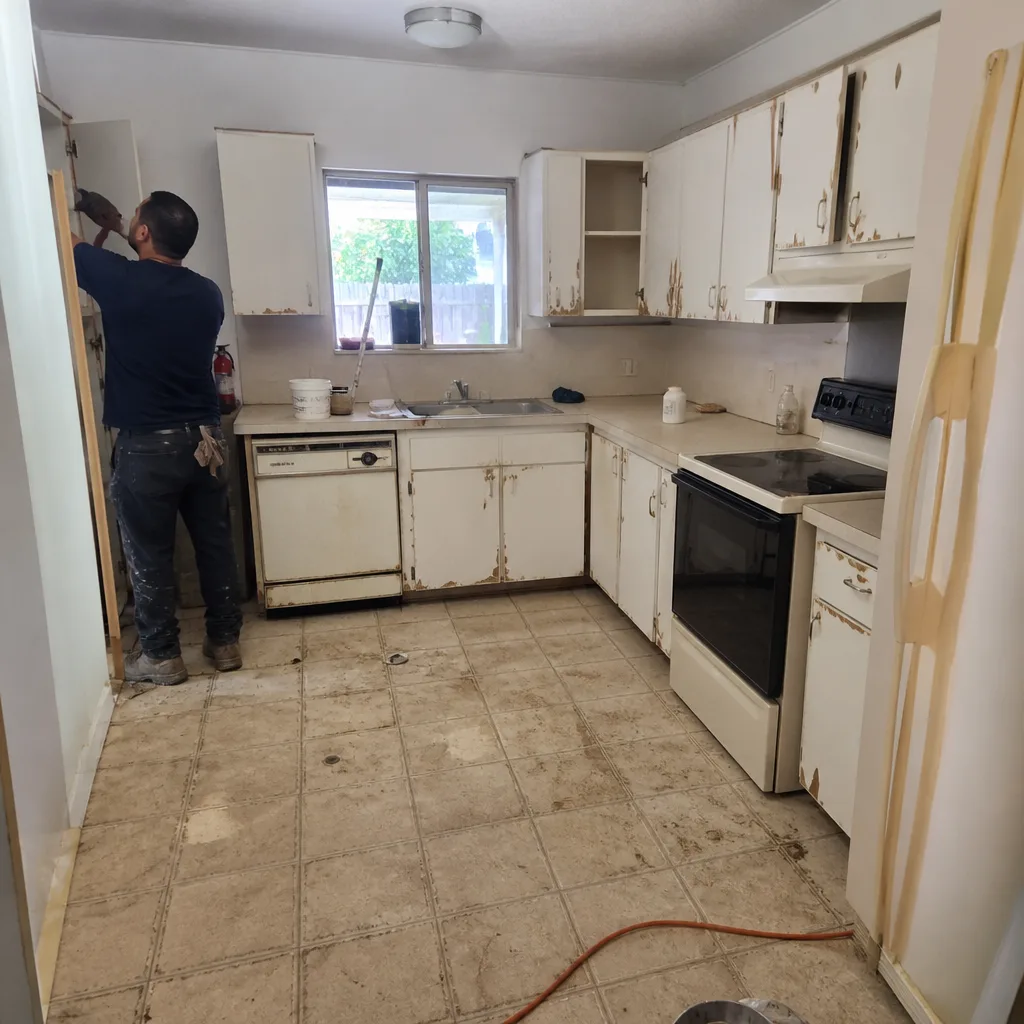 Before
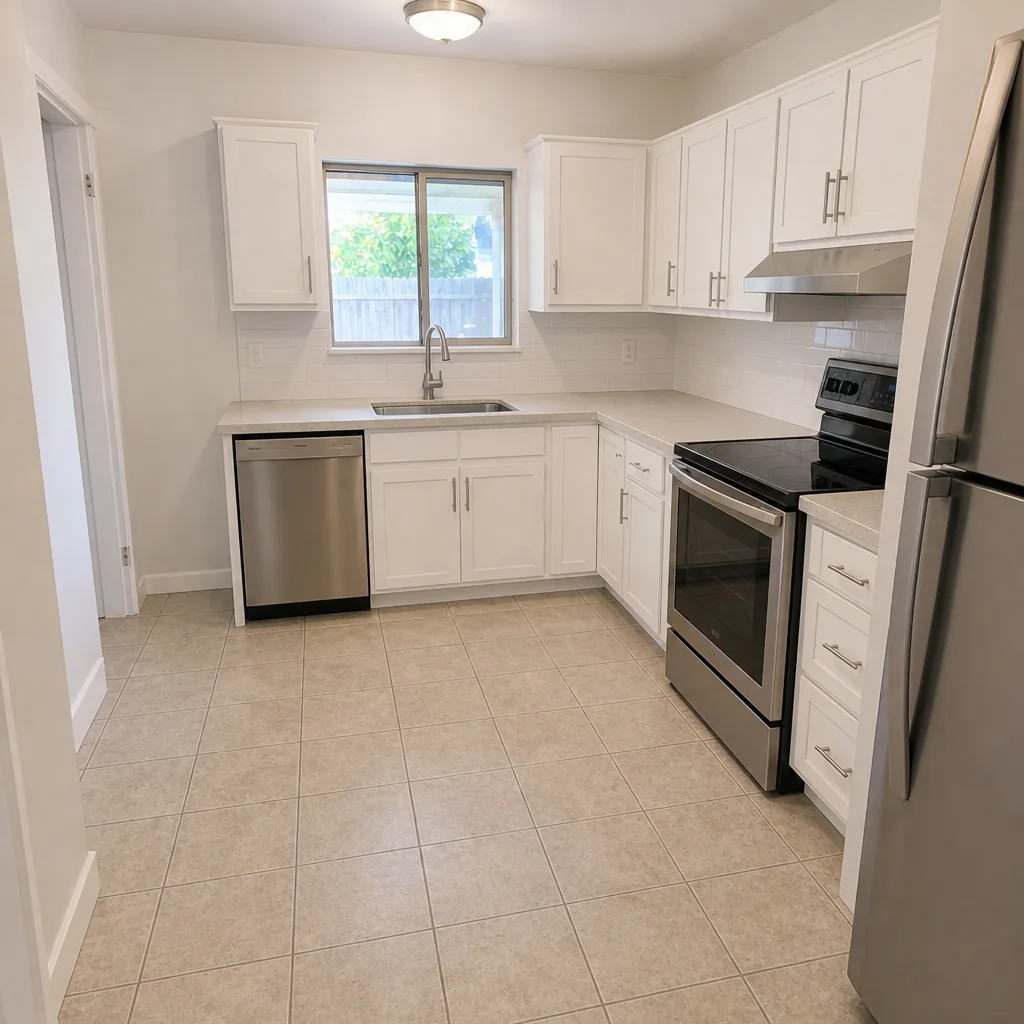 After
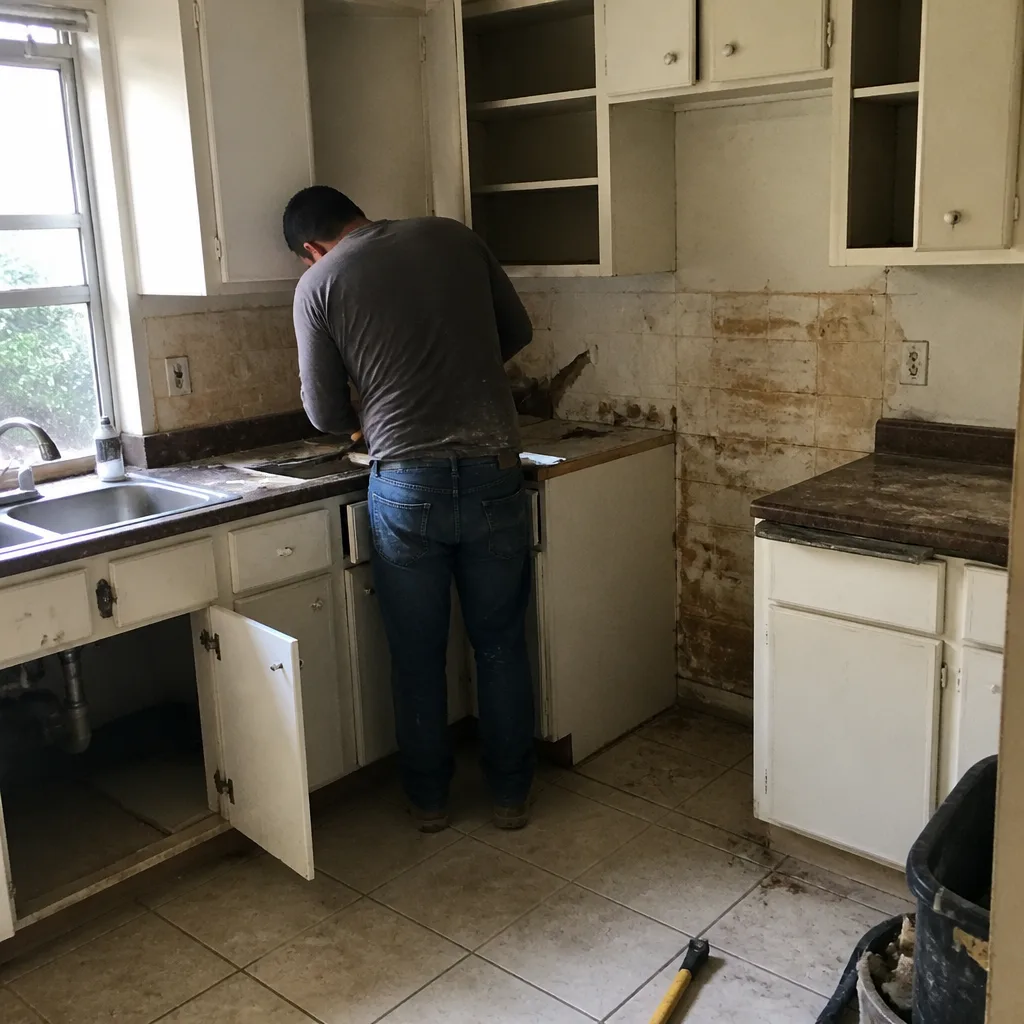 Before
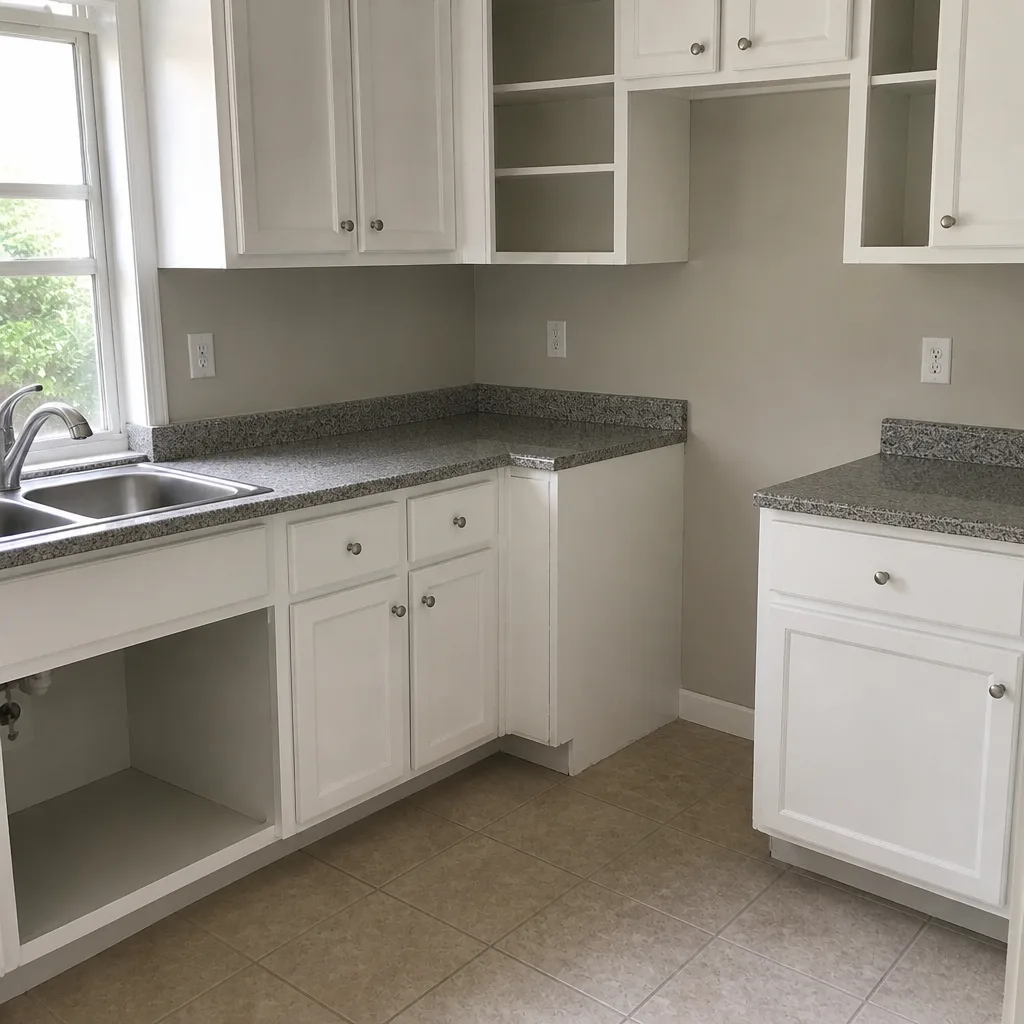 After
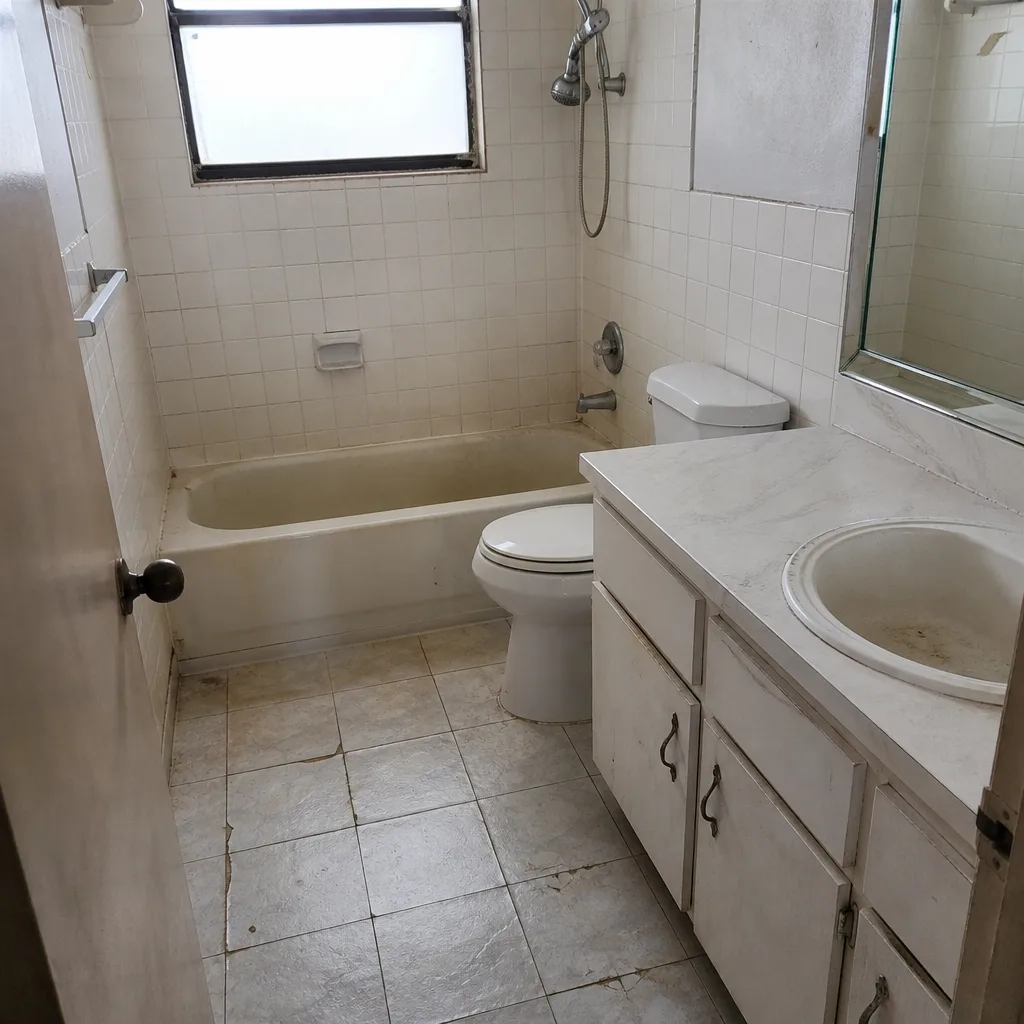 Before
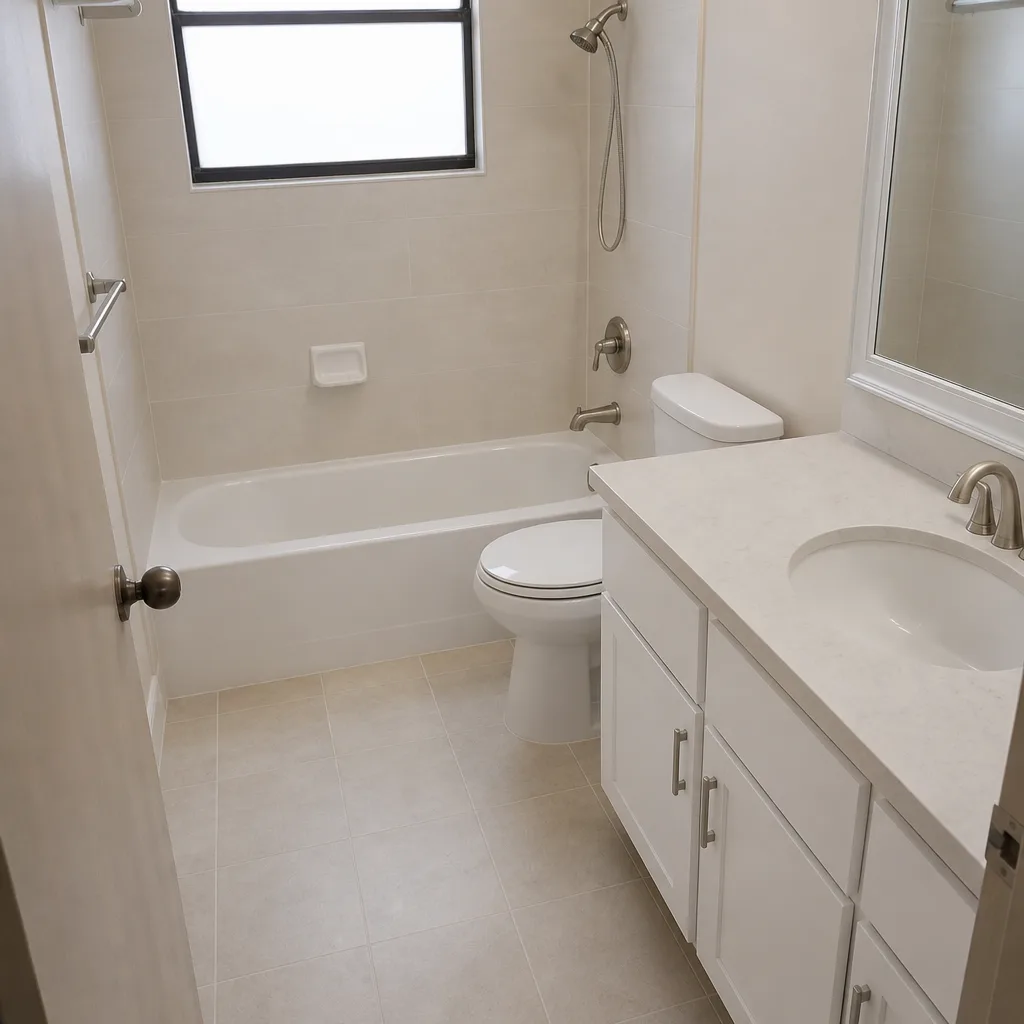 After
When to Call a Professional
An ADU or addition touches structural engineering, high-velocity hurricane zone code, separate utility services, and an impact fee schedule that most homeowners have never seen. If your project includes any new foundation, a roofline tie-in to an existing CBS wall, a separate electrical meter, or a plan that has to pass Doral plan review, get a licensed professional involved before you spend money on drawings. The structural and electrical work here isn’t a weekend project – a mistake in a tie-beam or a service drop is dangerous and expensive to correct. Barrett & Sons Construction Doral offers free estimates in Doral – call (833) 734-5128 to sit down with a written, line-item scope before you commit.
Frequently Asked Questions
It depends on your zoning district, your lot coverage, and your setbacks – not just the state law. Florida legalized ADUs in 2021, but the City of Doral’s own zoning controls whether your specific lot can hold one. Pull your zoning designation first, then confirm with Doral planning before you draw plans. Call (833) 734-5128 and we’ll walk you through the zoning check for free.
A Doral addition typically runs $180 to $320 per square foot all-in, and a 600 sq ft detached ADU commonly lands between $110,000 and $195,000 including impact fees, permits, and utilities. The range is wide because use type, utilities, and finishes swing the number. Call (833) 734-5128 for an exact quote – estimates are free.
Impact fees for a Doral addition commonly run $5,000 to $15,000 or more, depending on use type, square footage, and school concurrency. Rental-use ADUs often trigger higher fees than a family primary suite. Ask for impact fees as a separate line on any estimate, and call us for a current figure.
For a formal rental where the tenant pays their own electric, yes – FPL requires a separate service and meter, and Miami-Dade Water & Sewer treats a separately metered unit as its own account. For family or guest use, a sub-panel off the main service is cheaper and usually sufficient. Decide before the slab is poured, then call (833) 734-5128 to plan the utility scope.
Not without your signature. Every scope, allowance, and price change should arrive as a written change order before any work proceeds – that’s how we operate on every job. An allowance that isn’t on paper is a surprise waiting for a date. Call (833) 734-5128 for a written, line-item estimate with no hidden fees.
Most Doral additions take six to twelve months from permit submittal to certificate of occupancy, with plan review and one comment cycle eating several weeks on their own. Construction itself depends on size and site conditions. Call us for a realistic schedule for your specific project, based on the current Doral review queue.
The Bottom Line
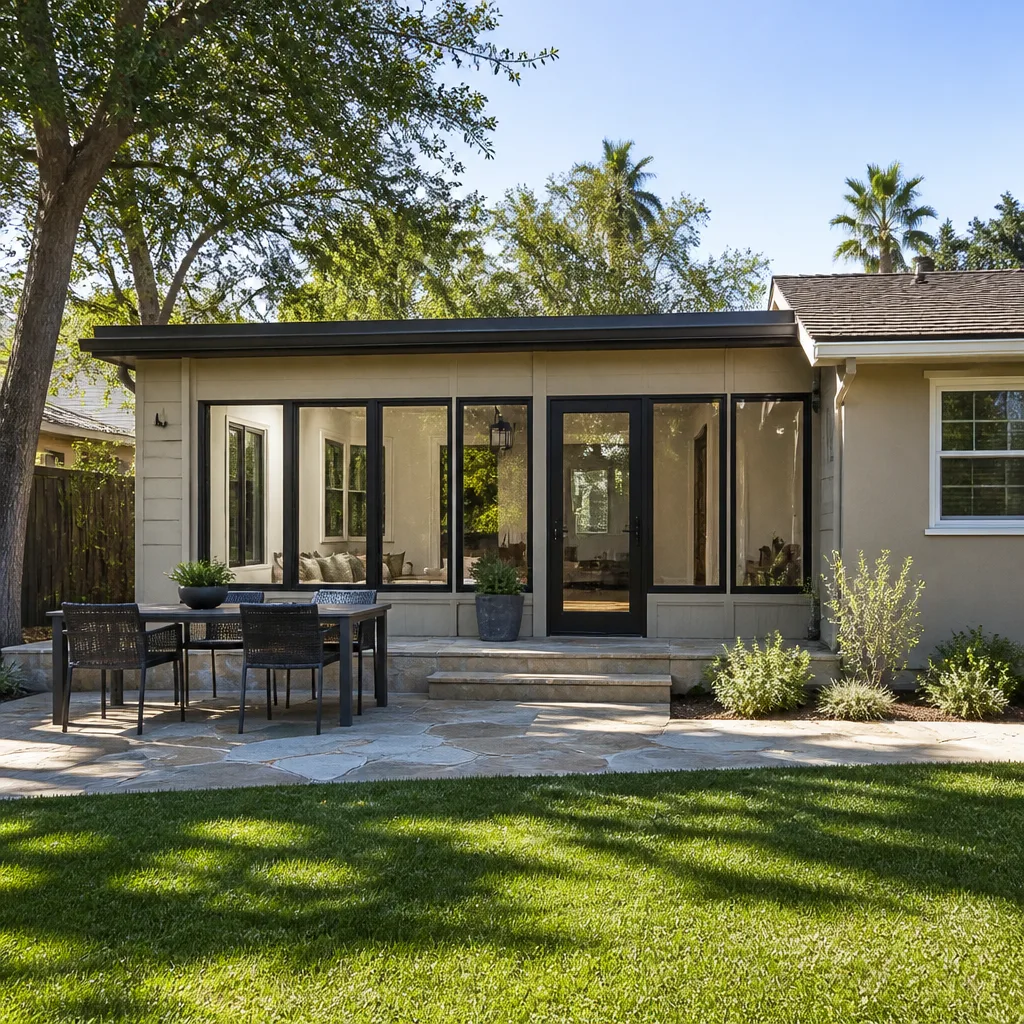
Doral isn’t generic Florida. It has its own building department, its own zoning districts, and a Miami-Dade impact fee schedule that surprises almost every first-time addition builder. The winning sequence is zoning first, impact fees second, drawings third, construction last – and a contractor who puts the whole scope in writing before a nail moves. If you remember one thing from this guide, make it this: verify your district and your fee exposure before you spend money on a design. When you’re ready to price it for real, start with our Barrett & Sons Construction Doral home page and we’ll take it from there.
Barrett & Sons Construction Doral is owner-operated, and every eligible job includes permits pulled, inspections signed, and a written 90-Day Done Right Promise on the contract. We also offer a Free Second Opinion on Any Written Estimate, No Trip Charge Inside the County, and a permanent 10% Senior & Veteran discount. Call (833) 734-5128 for a free estimate on your Doral addition or ADU – a live person answers, day or night.
Written by the team at Barrett & Sons Construction Doral.