Last updated November 17, 2026

Free written scope consultation - allowances, timeline, and change-order rules on paper before a single trade is scheduled
Driveway & Pavers Maintenance Schedule: What to Do and When
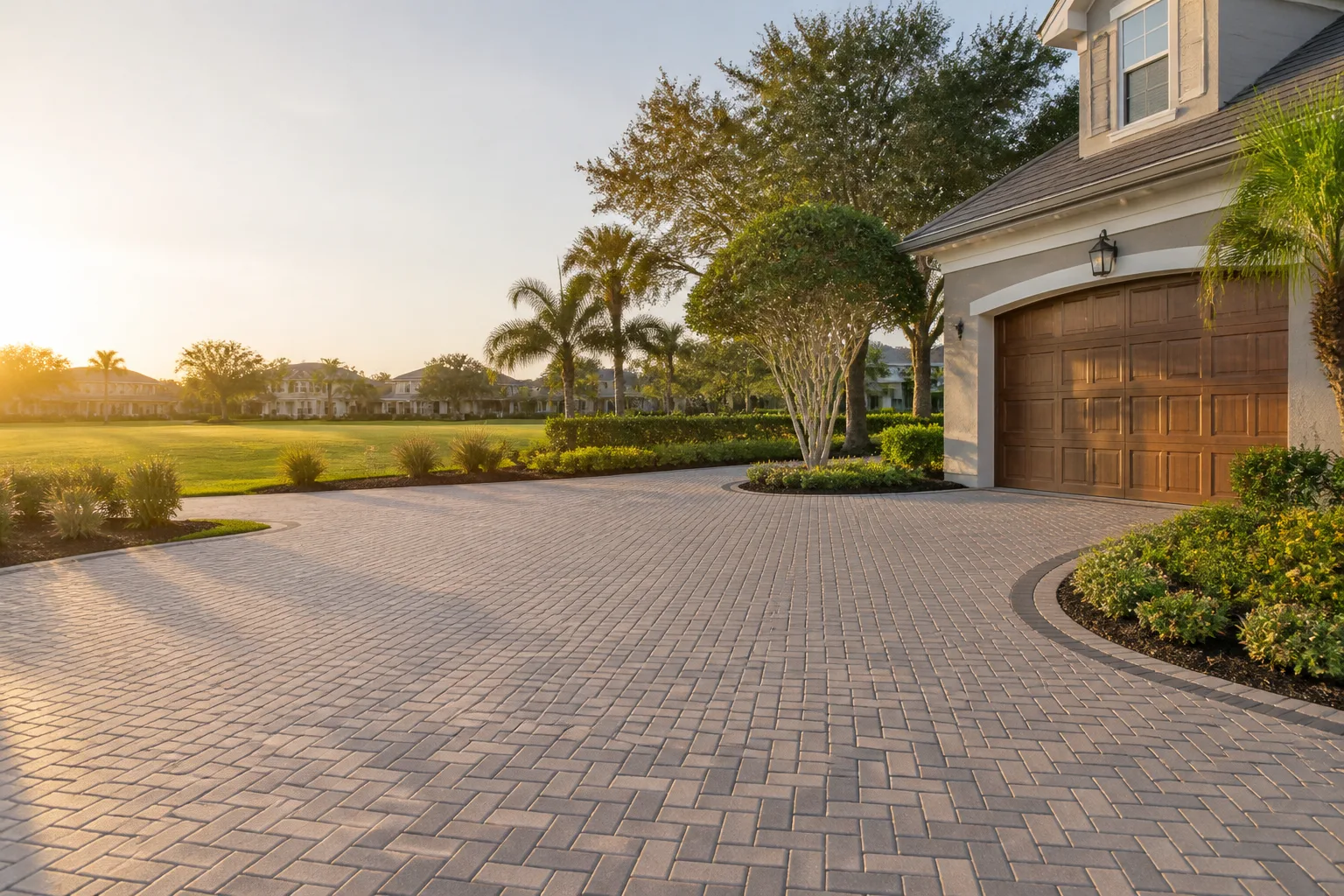
The sealer label says reapply every three years. In Doral’s sun, you’ll be looking at two – and you’ll know it because the pavers will tell you before the calendar does. UV exposure here degrades a sealer roughly twice as fast as the manufacturer’s baseline, and the six-month wet season that rolls in around May works the joint sand loose in ways a driveway in Ohio never experiences. What follows is a maintenance calendar built around Doral’s actual weather, not a generic average. You’ll learn how to test your sealer, when to top-dress sand versus replace it, what cleaners are safe, and how to pressure-wash without wrecking the surface in one afternoon.
Quick Answer
A paver driveway in Doral needs deep cleaning and joint sand inspection once before wet season (April) and once after it ends (October), a water-bead sealer test every six months, full re-sealing every 18 to 24 months, and a light sweep-and-top-dress of polymeric sand two to three times a year. Pressure-washing belongs on that schedule once annually at 1,500 to 2,000 PSI with a fan tip, never a turbo nozzle, because Doral’s travertine and concrete pavers mark permanently when blasted.
Styles & brands we work with
- Kitchen remodeling
- Bathroom remodeling
- Home additions & ADU
- Roofing
- Windows & doors
- Driveway & pavers
- Fence
Table of Contents
- Why a Doral Paver Driveway Ages Differently
- The Month-by-Month Schedule
- April: What to Do Before Wet Season Hits
- October: Post-Wet-Season Inspection
- The Water-Bead Test: Is Your Sealer Still Holding?
- Polymeric Sand: Top-Dress, Replace, or Call for Help?
- Safe Cleaners vs. Cleaners That Ruin Doral Pavers
- Pressure-Washing Without the Damage
Why a Doral Paver Driveway Ages Differently
A paver driveway anywhere lasts thirty years or more. A paver driveway in Doral lives a harder life than the same driveway in Georgia or the Carolinas, and not for the reason most homeowners assume. Yes, the summer sun is brutal. But the bigger factor is the water cycle: from roughly late May through October, Doral gets near-daily afternoon thunderstorms that dump an inch in under an hour, saturating the joint sand and then flashing it dry under high UV. That wet-dry cycle repeats hundreds of times a season.
What that does to a driveway is specific:
- Joint sand migrates. Heavy rain sheet-flows across pavers and pulls polymeric sand out of the joints, especially on sloped aprons and the strip near the street where water accelerates.
- Sealer wears unevenly. The sun-facing half of a driveway fades faster than the shaded half, so a “re-seal the whole thing” job comes up sooner than the label promises.
- Efflorescence blooms. The white mineral haze that shows up on concrete pavers after wet season is moisture pushing salts to the surface. It’s cosmetic but it looks like damage and it traps dirt.
- Mold and algae get a foothold. North-facing sections and shaded carports in Doral stay damp long enough for a green film to take hold, which makes pavers slick.
Our crews have worked paver driveways across Doral for years, and the pattern holds: driveways that get two cleanings and a joint inspection a year outlast the ones that get “a pressure-wash when it looks dirty” by a wide margin. The pavers wear out on the schedule you set, not the one on the box. If you want the broader installation and material picture, our Driveway & Pavers in Doral page covers options by paver type and finish.
The Month-by-Month Schedule
Treat the calendar as two anchors and a set of smaller checks around them. The April pre-wet-season deep clean and the October post-wet-season inspection are the big ones. Everything else is a quick pass you can do with a broom and a hose in twenty minutes.
- January – February: Sweep joints, top-dress any thin spots in the polymeric sand, and check the low corner of the driveway for standing water after a rain. Cool, dry weather is the best window for a re-seal if one is due.
- March: Fresh water-bead test (details below). If water soaks in instead of beading, plan the re-seal before wet season.
- April: Pre-wet-season deep clean, joint inspection, full top-dress of sand, and any spot re-seal. This is the most important month on the calendar.
- May through September: Monthly broom sweep and a quick walk for popped pavers or joint gaps after big storms. Skip pressure-washing during this window unless something is actively growing.
- October: Post-wet-season inspection and correction. This is when you fix what six months of rain did.
- November – December: Deep clean once wet season has fully broken, re-seal if the April test said it was time, and check drainage. Doral’s dry season is short and it’s the right window for sealer to cure without rain interrupting.
April: What to Do Before Wet Season Hits
April is the last dry month before the afternoon storms settle in for the summer, and it’s the one window where sealer can cure for 24 to 48 hours without a downpour interrupting. Miss it and you’ll be sealing in rain, which is the number one reason home-applied sealer fails. Here’s what we do in April on a Doral driveway:
- Clear and inspect. Sweep the whole surface, then walk the joints with a screwdriver handle or a soft probe. Any joint where sand has dropped more than a quarter inch below the paver edge needs topping up.
- Pull weeds before they seed. The grass growing out of a joint in April becomes a root system by August that lifts the pavers. Hand-pull or use a joint-safe weed tool, never a broadleaf spray that can stain pavers.
- Clean the surface. A detergent-based paver cleaner applied with a pump sprayer, then a rinse at low pressure. Skip acid wash unless the pavers are concrete and you know what you’re doing; acid on travertine etches it in a heartbeat.
- Top-dress the sand. Sweep polymeric sand into the joints, compact it lightly with a hand tamper on a wood block, and mist it according to the product instructions. Do not let it sit on the paver face or it cures into a hard haze.
- Seal if the water-bead test says so. Two coats, allowed to dry between, on a day when the forecast is clear for 48 hours. April in Doral gives you the best odds on that forecast.
The reason April matters so much: polymeric sand that is fully cured before the first rainstorm holds through the wet season. Sand that is applied in June gets rained on the same week and never sets hard. The timing of the job is most of the result.
October: Post-Wet-Season Inspection
October is when you find out what six months of near-daily rain did to the driveway. Walk the whole surface with the October list in hand and you’ll catch problems while they’re still cheap to fix:
- Look for washout. Dark wet patches along the joint lines, sand down the slope near the street, or a joint you can push a screwdriver into without resistance all mean the sand is gone. Re-top-dress, don’t just leave it.
- Check for efflorescence. White haze on concrete pavers after wet season is cosmetic. A paver efflorescence remover, applied gently, takes it off. Travertine and limestone should never see an acid product.
- Roll the whole driveway with your hand low. Any paver that rocks underfoot has lost its bedding sand or been undermined by a root. One rocking paver becomes five in a year if it isn’t reset.
- Re-test the sealer. Splash a cup of water on a few sections. If it beads and stays beaded, the sealer held through the season. If it soaks in within 30 seconds, you’re re-sealing before the next wet season.
- Inspect drainage. The gutter, the apron, the low corner near the garage door. Standing water is what breaks pavers, not heat.
Our experience after a Doral wet season is that the home-applied seal job from April either holds steady or fails in patches, and the failures are almost always on the street-facing slope where water runs hardest. If the whole surface is failing, that’s the point where a professional sealer application is cheaper than redoing it yourself twice. The same inspection logic applies to any hardscape around the house, and our Barrett & Sons Construction Doral home page lists the services that touch a driveway on the way to the street.
The Water-Bead Test: Is Your Sealer Still Holding?
The water-bead test is the whole tool you need, and it’s free. Pour about half a cup of water on three or four sections of the driveway, wait thirty seconds, and look at what the water does.
- Beads tightly and rolls: sealer is holding. Re-test in six months.
- Beads loosely or partly soaks: sealer is thinning. Plan a re-seal before the next wet season.
- Soaks in within 30 seconds and darkens the paver: the sealer has failed. The pavers are fully exposed to UV and to the wet season, and one more summer will speed the fade.
Do the test on both the sunny half and the shaded half of the driveway, because Doral’s UV exposure is not even across the surface. The sun-facing side usually tells you first. Repeat the test after every re-seal so you have a baseline: fresh beading that starts to break down after 22 months tells you the sealer life on your driveway is about 22 months, and the calendar should be set to that, not to the three-year figure on the label.
In our experience, most Doral driveways under a good quality sealer land somewhere between 18 and 24 months, not three years. North-facing sections may hold longer because they’re shaded. The strip along the street normally fails first because of splash from the road and full afternoon sun. Test those sections last if you want a fair read on the main surface.
Polymeric Sand: Top-Dress, Replace, or Call for Help?
Polymeric sand in the joints is what keeps pavers locked together and keeps water out of the base. The trick with this material is knowing the difference between a joint that needs a top-dress and a joint that’s structurally compromised.
Top-dress when the sand has dropped noticeably below the paver face but is still solid – you can push a broom across it without the sand crumbling. Doral rain causes this routinely, so expect to top-dress at least once or twice a year.
Replace the full joint sand when the joint is empty or nearly empty, or when you can push a screwdriver down more than a half inch, or when a whole run of joints has washed out. Full replacement means removing the old sand, cleaning the joint, and re-sanding fresh. It’s a bigger job and usually signals that water is not draining the way it should.
Call for help when a tree root has lifted pavers, when the joint has become a channel for water into the base, or when a section of driveway is moving. Nothing you apply to that joint will fix it. The pavers need to come up, the base needs correction, and then the pavers go back. That’s a hardscape repair, not a maintenance task. If the same area keeps washing out after two top-dresses, something under the surface is wrong and it’s worth having a pro look at it.
Safe Cleaners vs. Cleaners That Ruin Doral Pavers
The wrong product applied to a Doral paver driveway can leave a permanent mark in five minutes. The single biggest risk is acid on travertine or limestone pavers – it etches the surface and there is no un-etching it. Use this checklist:
- Safe: pH-neutral paver cleaner, mild dish soap and water for light dirt, a dedicated efflorescence remover on concrete pavers only, oxygen-based cleaners for organic stains.
- Safe in the right hands: muriatic acid on concrete pavers only, diluted per instruction, never on travertine, limestone, or sealers that haven’t been checked for acid compatibility.
- Never: bleach on concrete pavers – it bleaches pigment and dulls the surface; acid on travertine, which etches and whitens the tile; harsh solvents on any sealed driveway, which strip the sealer and take the surface with them; and degreasers with heavy surfactants that get trapped in joints and grow algae.
- Never on any paver: a turbo nozzle or a metal-tipped attachment. We cover that in the next section.
A note on spills. Doral driveways get oil drips, fertilizer dust from the lawn, and pool-chemical splash from nearby homes. Clean a spill within the same week. A small oil stain removed quickly is a five-minute job; the same stain left for a season becomes a permanent mark because it’s fully soaked into the paver.
Pressure-Washing Without the Damage
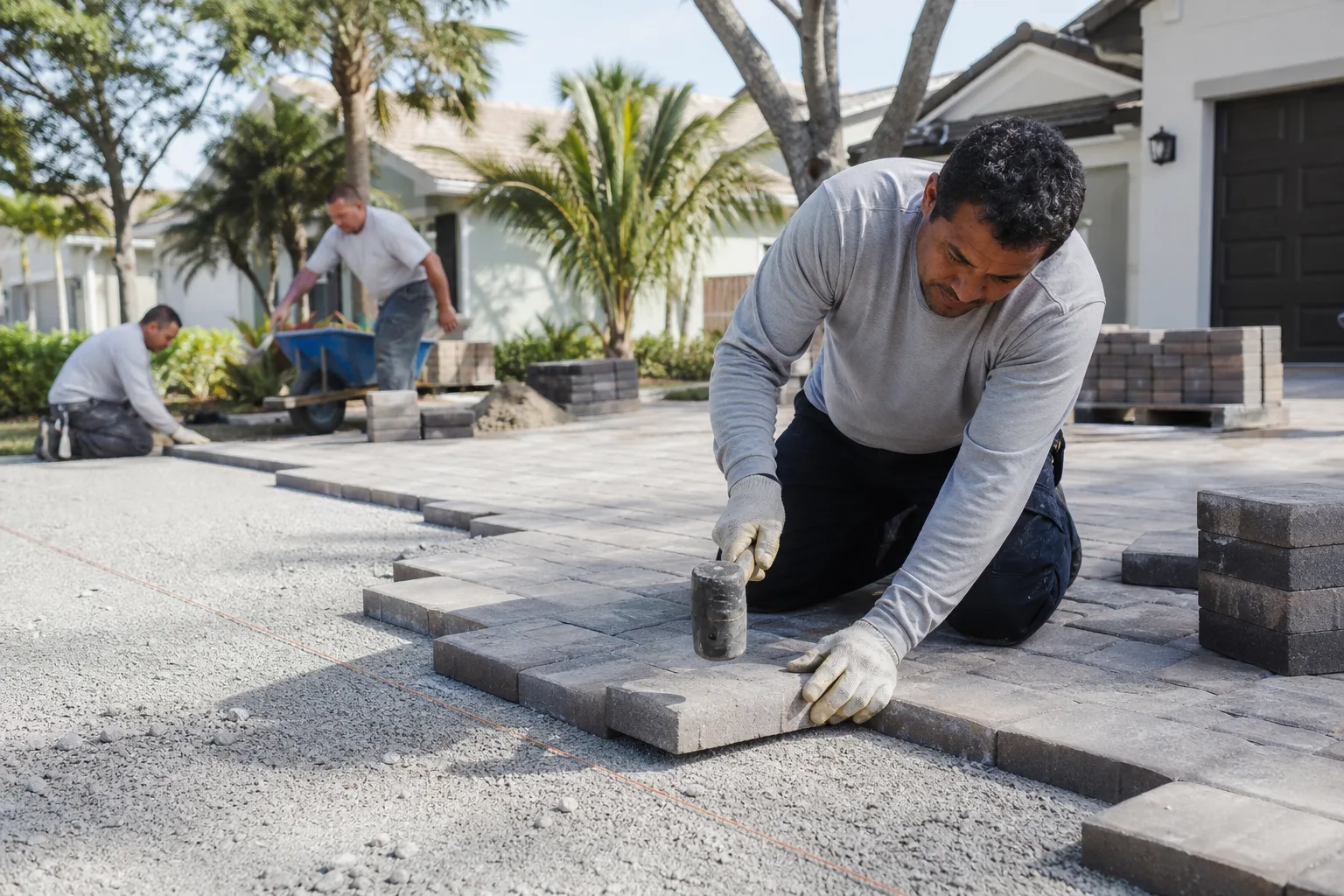
Pressure-washing a paver driveway is one of those jobs where technique matters more than the machine. A careful wash adds years to the surface. A careless one takes the top texture off in an afternoon, and that texture doesn’t come back. The three things that govern the result:
- Angle. Hold the wand at a shallow angle to the surface, no more than 30 degrees, and work across the pavers, not straight into the joints. A vertical wand cuts into the joint and blows out the sand.
- PSI. Stay at 1,500 to 2,000 PSI. Higher than 2,500 begins to erode the face of soft pavers, travertine in particular. Lower than about 1,200 just smears the dirt around.
- Nozzle. A 25-degree or 40-degree fan tip. Never a 0-degree pencil tip and never a turbo nozzle, which concentrate the stream into a jet that removes material rather than cleaning it.
Work in sections and overlap. Rinse as you go so the dirt you lift doesn’t dry into a haze. After the surface is dry, walk the joints again – a good pressure-wash will always pull some sand out of the joints, and that’s fine. Top-dress before the next rainy stretch. If you’re planning to re-seal, wait until the paver surface is fully dry inside and out – at least two full days of Doral dry-season weather – before the first coat goes down.
Common Mistakes to Avoid
- Sealing too soon after the wet season. A driveway sealed in early November is often still holding moisture from the summer, and trapped moisture pushes the sealer off within a year. Wait for a genuinely dry stretch.
- Using a turbo nozzle or pencil tip on travertine. In Doral, this is the single most common way a homeowner costs themselves a re-surfacing. The marks look like white streaks and they don’t buff out.
- Acid-washing concrete pavers with a heavy hand. Diluted correctly is fine; splashed at full strength bleaches pigment and leaves lighter patches across the driveway. Never on travertine.
- Skipping the October inspection. Six months of Doral rain is the main reason driveways fail, and the problems are cheap to fix in October and expensive to fix the following spring.
- “Sealing” a driveway without cleaning it first. Sealer over dirt and old sand locks the dirt in and looks worse than not sealing. Clean, dry, then seal.
- Pressure-washing during wet season. You’ll be sealing over wet pavers, or you’ll be sanding and then getting rained on the same afternoon. Do the big jobs in the dry window.
- Ignoring one rocking paver. A rocking paver abrades its neighbors and opens a joint. In our experience, one loose corner near a tree in Doral becomes a five-paver repair inside two years.
See the difference
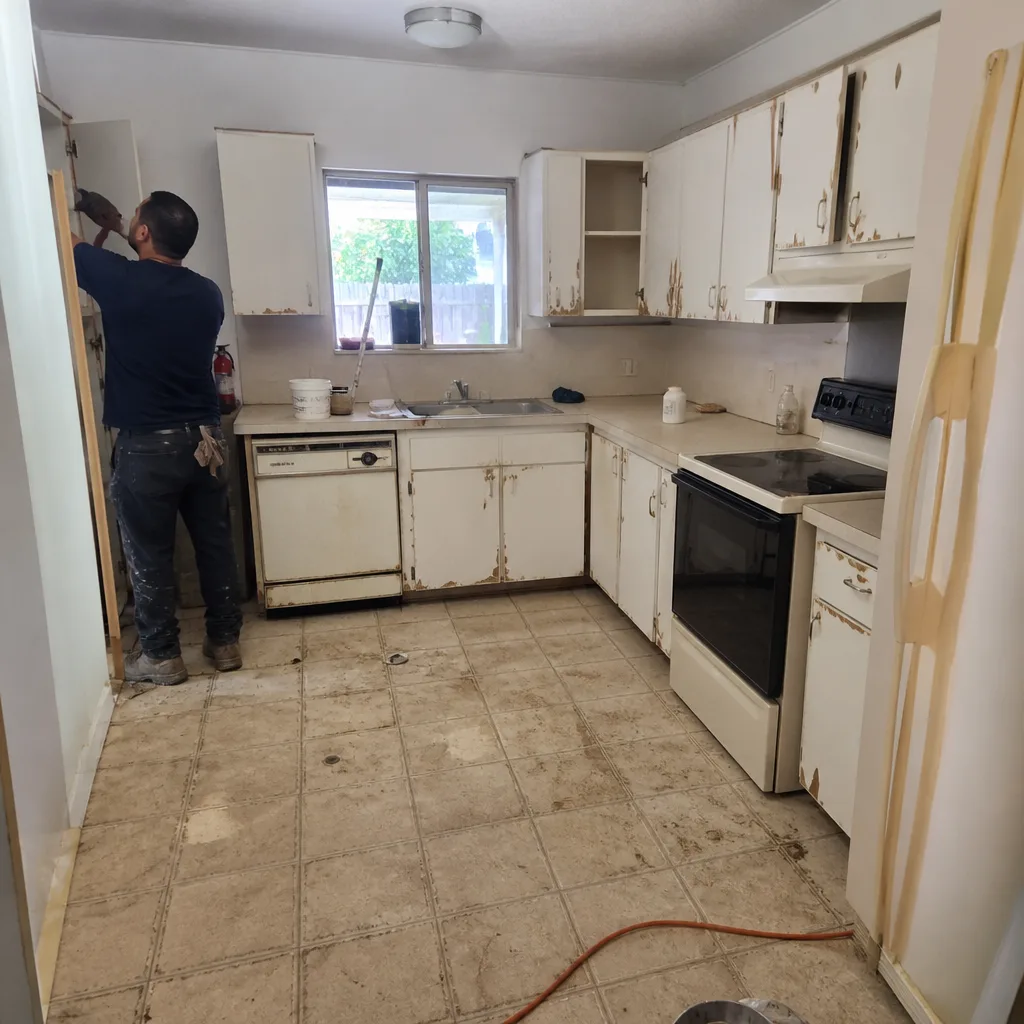 Before
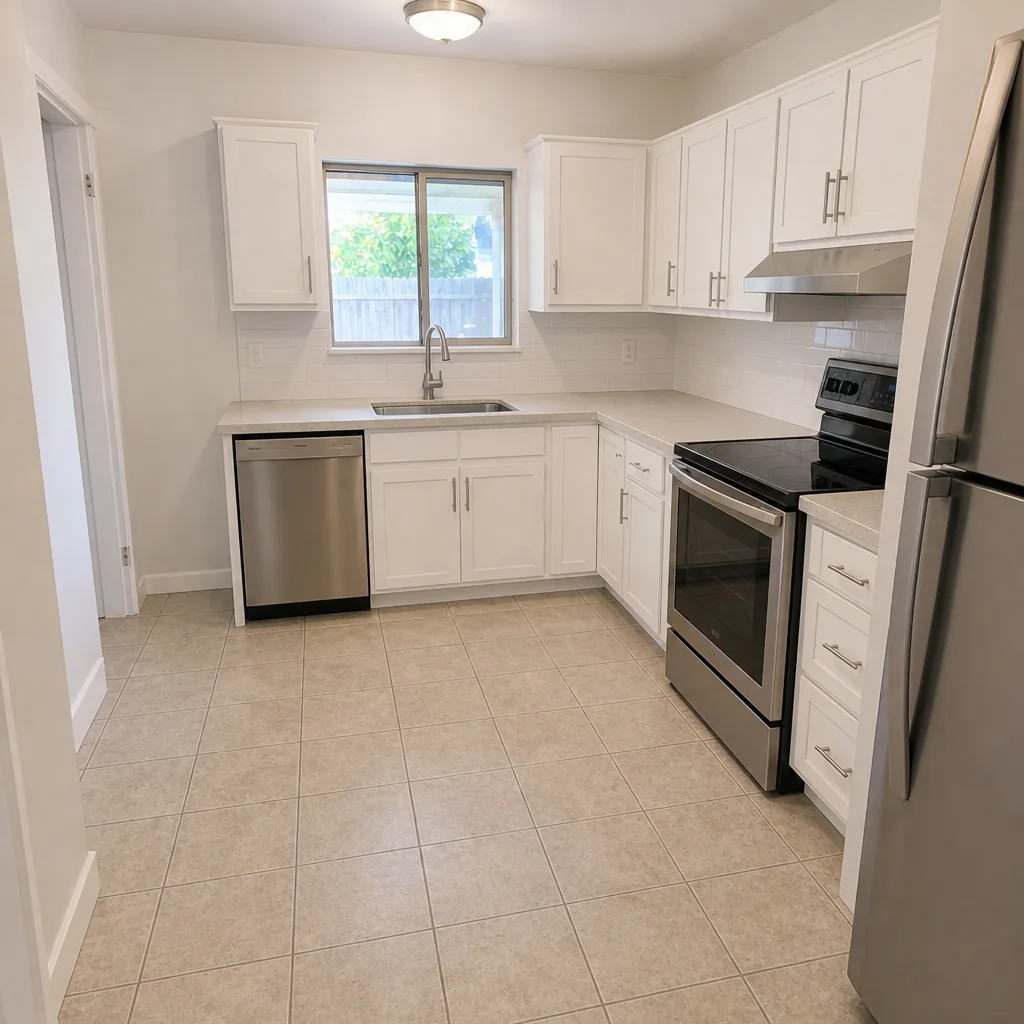 After
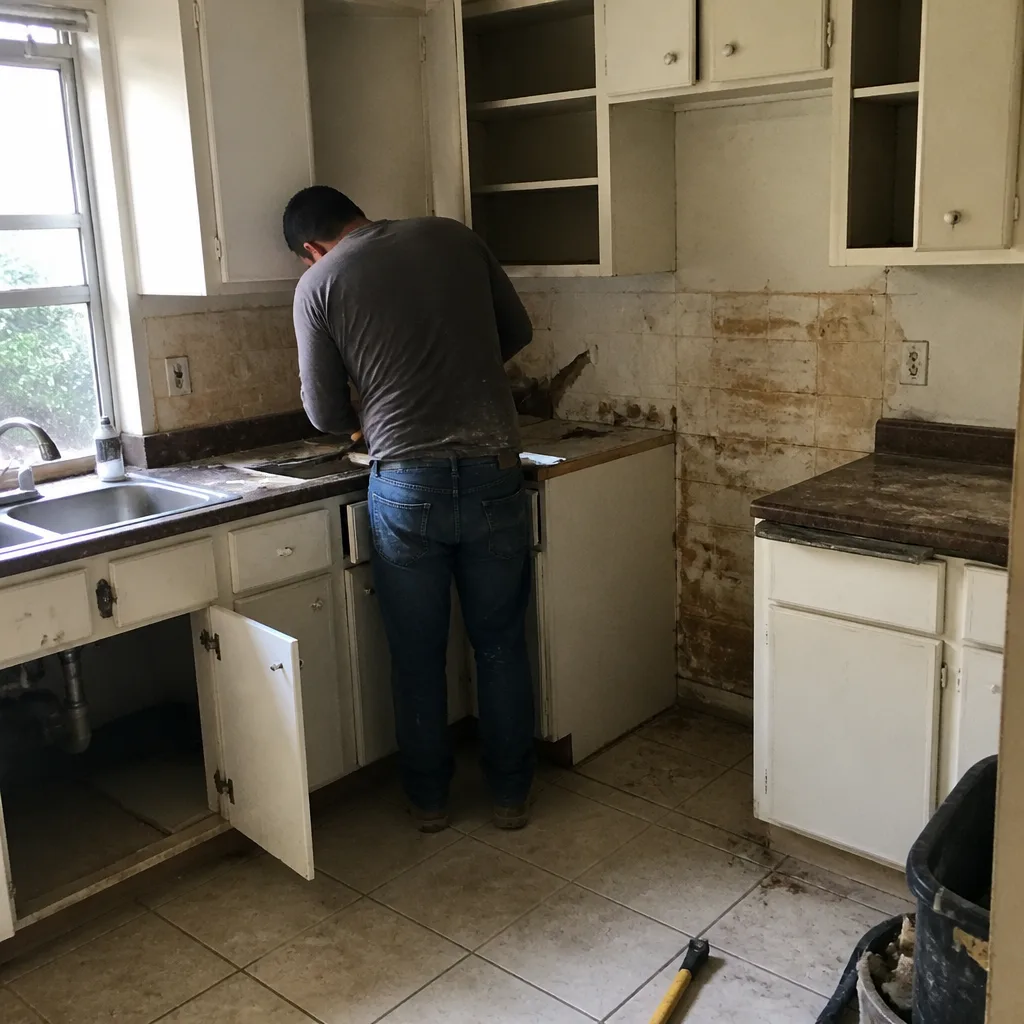 Before
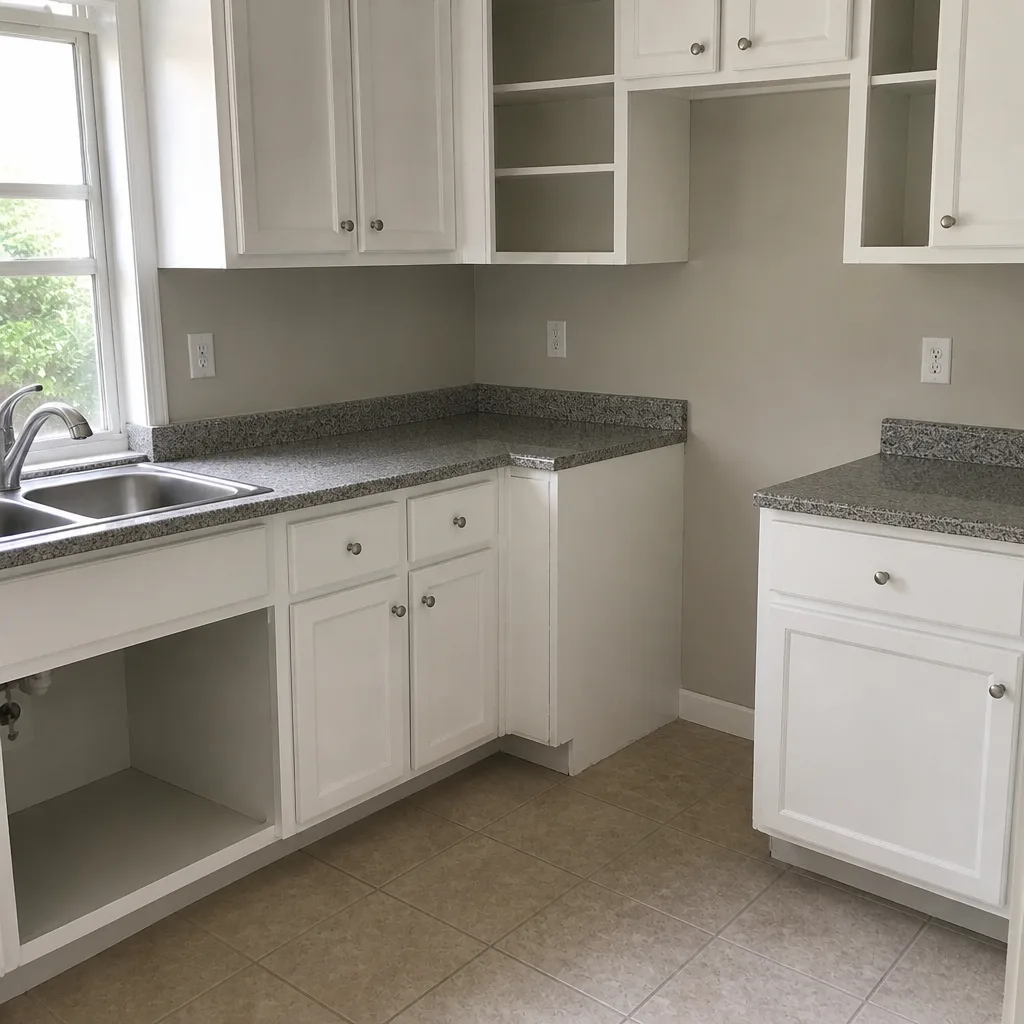 After
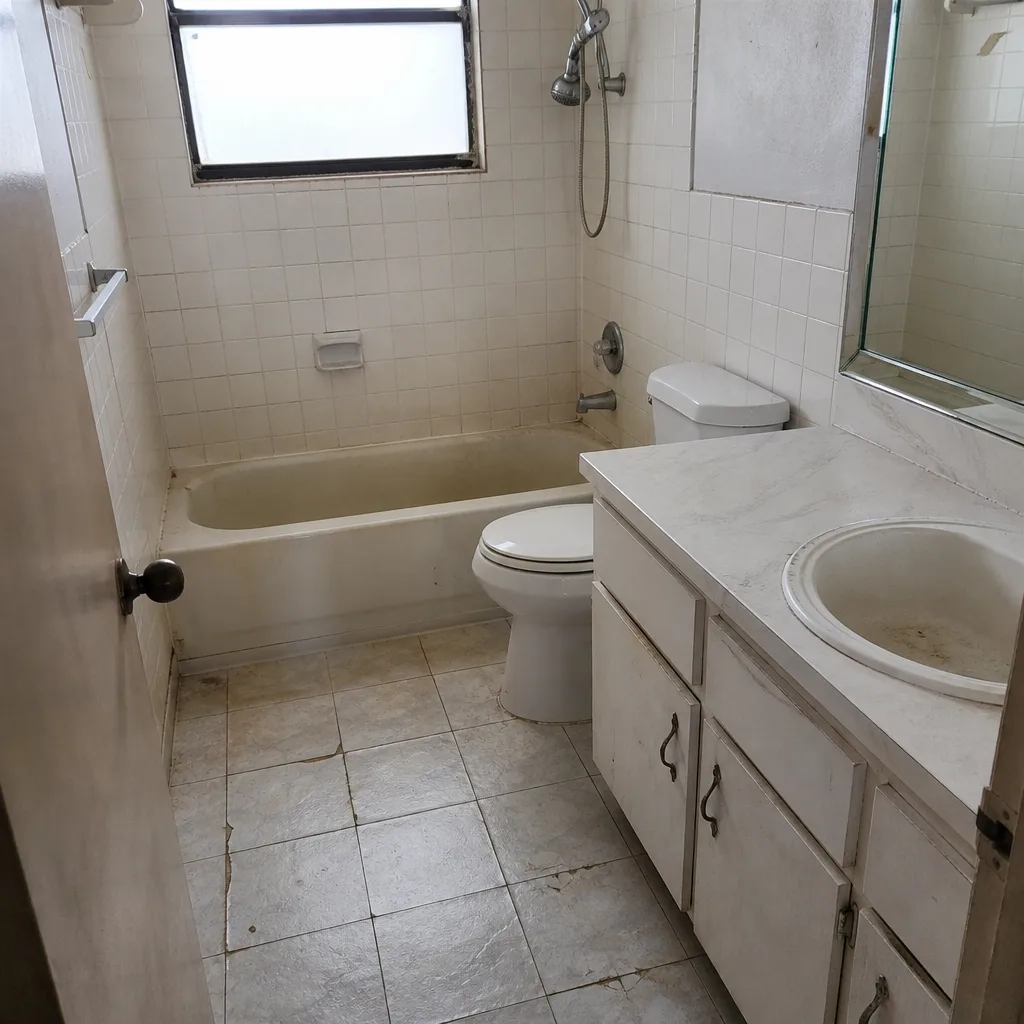 Before
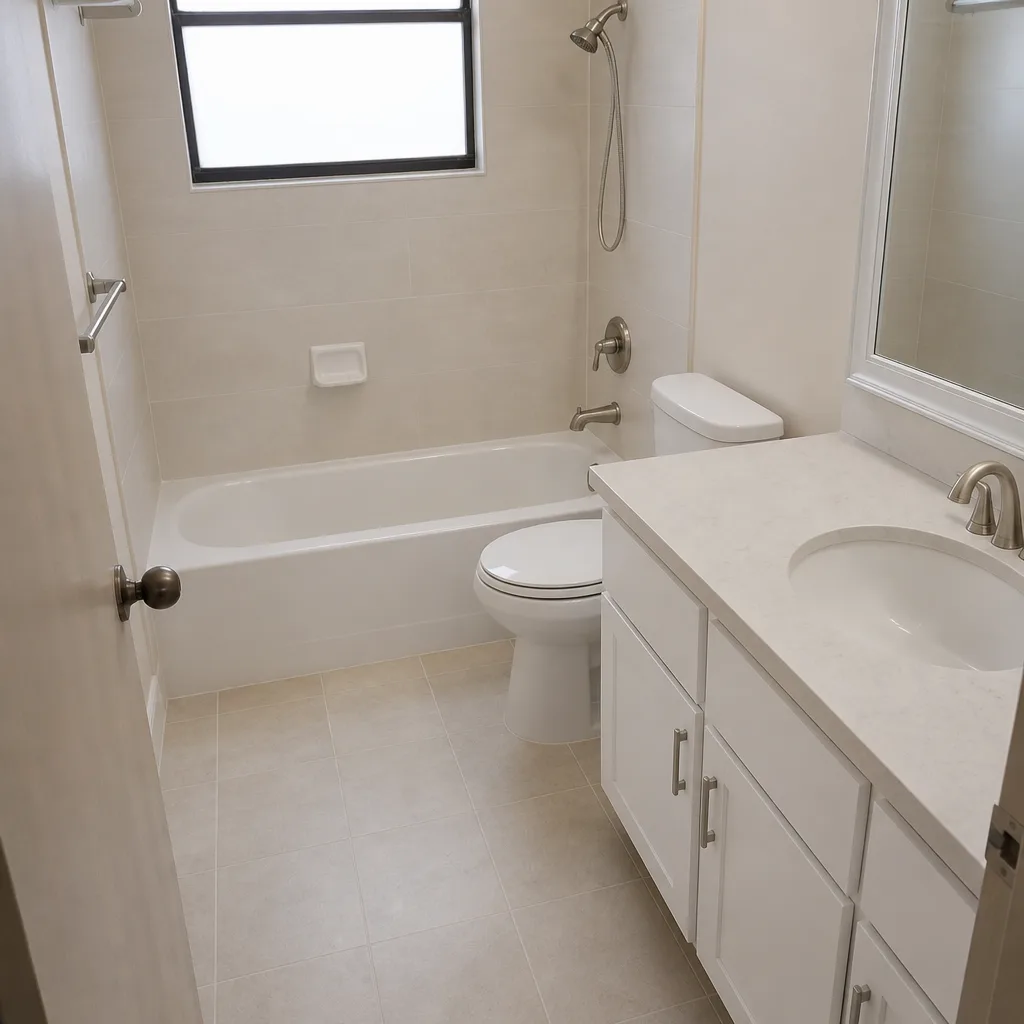 After
When to Call a Professional
Most of the calendar above is owner work. Some of it isn’t. Call a professional when you see a rocking or sunken section that suggests a base failure, when a tree root has lifted pavers and you’ll need removal and re-bedding, when the whole surface is stripping and re-sealing in stages isn’t working, or when the joint sand has washed out repeatedly in the same spot – that last one is a sign the drainage or the base under the driveway isn’t right. Our Driveway & Pavers service page covers the repair and re-bedding side, and if the driveway project sits inside a larger plan for the property, the Home Additions & ADU in Doral page shows how we handle hardscape work alongside new construction. Barrett & Sons Construction Doral offers free estimates in Doral – call (833) 734-5128.
Frequently Asked Questions
Every 18 to 24 months for most Doral driveways, not the three years the sealer label suggests. Test with a cup of water: if the water stops beading and soaks in within 30 seconds, it’s time. UV exposure here degrades sealer about twice as fast as northern climates. Call (833) 734-5128 for a free estimate on re-sealing.
Yes, but only at 1,500 to 2,000 PSI with a 25- or 40-degree fan tip, and never with a turbo nozzle or pencil tip. Travertine is softer than concrete pavers and marks permanently under concentrated pressure. If you don’t own a variable-PSI machine, call a pro before you experiment – the marks don’t come out.
Because Doral’s wet season pulls sand out of joints on the surface slope and near the street, where rain accelerates. Top-dressing twice a year is normal. If the same area washes out after two top-dresses, though, the base or drainage may be wrong and it’s worth a professional look. Call (833) 734-5128 for a free estimate.
That’s efflorescence – salts pushed to the surface by moisture. It’s cosmetic on concrete pavers and comes off with a dedicated efflorescence remover. Never use acid on travertine or limestone, which etches. If the haze returns quickly after removal, have the drainage checked.
Not bleach – it bleaches pigment on concrete pavers and dulls the surface. Muriatic acid on concrete pavers is fine when diluted correctly; on travertine and limestone, never. When in doubt, use a pH-neutral paver cleaner and save the acid for a pro. Call us for advice before you try it.
Twenty-five to thirty years or more for the pavers themselves, provided they’re re-sealed on schedule and joint sand is maintained. The base and drainage decide whether pavers stay locked together; the surface treatment decides how they look. Our technicians have up to 28 years of experience with both.
The Bottom Line
A Doral paver driveway has a maintenance rhythm all its own. Two anchor inspections a year – April before the wet season and October after it – do more for the driveway than anything else you’ll do. Test the sealer with water every six months and re-seal every 18 to 24 months, not the three years on the label. Top-dress the polymeric sand two to three times a year, and treat a rocking or sunken paver as an early warning, not a small defect. When in doubt, clean before you seal, stay under 2,000 PSI with a fan tip, and never acid-wash travertine. The pavers will tell you when it’s time; you just have to look.
Contact

If your driveway needs more than the calendar, Barrett & Sons Construction Doral can look at it with you. Every estimate is free, and every scope, allowance, and price change comes to you in writing before work starts. Our crews pull the permits that need pulling and install Belgard and Techo-Bloc hardscape because those are brands you can look up. Call (833) 734-5128 for a free estimate – a live person answers, day or night.
Written by the team at Barrett & Sons Construction Doral.