Last updated November 17, 2026





Free written scope consultation - allowances, timeline, and change-order rules on paper before a single trade is scheduled
Home Additions & ADU Warning Signs Every Homeowner Should Know
The most common way homeowners lose money on additions isn’t a contractor who disappears. It’s a contractor who finishes the job unpermitted, leaving the homeowner holding an illegal structure they now have to retrofit or demolish. In our experience around Doral, the bid that looks slightly cheaper is usually the one with the holes in the paperwork, and the holes don’t show up until the inspector does. This guide is a document audit, not a construction audit. We’ll walk through the contract language, draw schedules, permit references, and closing papers that separate a real general contractor from a risk. Every one of these checks you can run yourself at the kitchen table, before you sign anything, and before the first dumpster lands in your driveway.
Quick Answer
The biggest warning signs on a home addition or ADU are a contract with no permit submission date, a lump-sum price with no written change-order clause, a draw schedule tied to calendar dates instead of completed milestones, and no mention of Florida’s Notice to Owner and lien waiver process. If a bid is missing any of those four, stop and ask questions before you sign.
Styles & brands we work with
- Kitchen remodeling
- Bathroom remodeling
- Home additions & ADU
- Roofing
- Windows & doors
- Driveway & pavers
- Fence
Table of Contents
- The Warning Signs That Live in the Paperwork
- No Permit Number Referenced in the Contract
- Lump-Sum Contracts and the Change-Order Gap
- Subcontractor Substitution and Whose License Is Actually on the Job
- Draw Schedules Tied to Calendar Dates vs. Milestones
- Notice to Owner and Lien Waivers
- ADU-Specific Traps in Doral
- Common Mistakes to Avoid
- When to Call a Professional
- Frequently Asked Questions
The Warning Signs That Live in the Paperwork
Addition and ADU scams rarely look like scams at the bid stage. They look like reasonable contractors with slightly lower prices. The tell isn’t in the truck or the handshake, it’s in the documents you’re being asked to sign.
Here’s the core problem. On a small repair, a bad contractor costs you a few thousand dollars. On a home addition or an accessory dwelling unit, a bad contractor can leave you with a structure that Doral code enforcement flags as unpermitted, which means you can’t sell the house without disclosure, can’t get insurance to cover it properly, and may face a demolition order that costs more than the addition itself.
Before you compare bids, do this document check first. If a bid fails any of these, the price on the page doesn’t matter.
- Permit submission date in the contract. A licensed general contractor should be able to name the date they will submit to Doral’s building department before mobilization.
- Written change-order clause on any addition over $10,000. Florida law requires specific contract elements at this size, and the change-order clause is the head of the list.
- Subcontractor disclosure with verified licenses. You should know who is doing the electrical, plumbing, and structural work, and you should be able to look up their license numbers.
- Draw schedule tied to milestones, not calendar dates. Calendar draws mean you’re funding a contractor’s cash flow, not your project’s progress.
- Notice to Owner and lien waiver process in the closeout packet. Missing these means the contractor likely doesn’t understand Florida construction law.
Run all five checks before you sign. If you’re in Doral and want a second set of eyes on a written bid you’ve already been handed, our team offers a free second opinion on any written estimate. It’s one of the four standing offers we publish, alongside $40 off any repair over $200, no trip charge inside the county, and a permanent 10% senior and veteran discount.
No Permit Number Referenced in the Contract
This is the first piece of paper to look for. A licensed general contractor who pulls permits on every eligible job in Doral should be able to tell you two things in writing: the date they will submit the permit application to the city, and the name of the qualifying agent whose license will be recorded on that permit.
If the contract you’re holding has no permit reference at all, that’s a document-level red flag. It doesn’t tell you the contractor won’t pull one. It tells you the contract doesn’t obligate them to, and that’s what matters when the inspector arrives in month five and asks why a slab was poured without a foundation inspection.
What a good contract looks like on this point:
- The full scope is referenced, with permit-ready drawings attached and initialed.
- A submission date is stated, and it precedes mobilization.
- The qualifying agent’s name and license number appear on the permit log, and you can look it up yourself.
- The cost of the permit, engineering, and inspection fees is itemized, not buried in a lump sum.
- Responsibility for any corrections the inspector requires is written into the contract, not left to “we’ll see.”
The permit inspector works for you, not for the contractor. That’s the reason we like seeing him on a Doral addition job. Every inspection is a free third-party check on the work you’re paying for, and a contractor who treats the permit process as an annoyance is telling you something about how they view oversight.
Lump-Sum Contracts and the Change-Order Gap
A lump-sum price with no change-order clause is the most common paperwork gap we see on additions in Doral. It’s also the single biggest cause of the “surprise invoice at the end” that our customers describe from their last contractor.
Florida law treats residential construction contracts over $2,500 with specific required elements, and additions that run into six figures are squarely in scope. When a contract just says “Build 400 square foot addition, $X” and stops, it isn’t protecting you. It’s protecting the contractor from having to explain where the money went.
What you want instead:
- Line-item scope. Framing, electrical, plumbing, HVAC, drywall, finishes, and roofing each listed with their own allowance or price.
- Allowances written down. If the contract says “tile allowance $4 per square foot,” that dollar figure is on paper and it’s yours to hold them to. An allowance that isn’t on paper is a surprise waiting for a date.
- A change-order clause. Every scope change, every price change, in writing, signed by you, before the nail goes in. No exceptions, no verbal okay from the driveway.
- A defined completion definition. “Substantial completion” means the punch list has been signed off, not that the crew has moved to the next job.
On the finish side of a Doral addition, we install KraftMaid cabinetry and Cambria countertops when a kitchen is part of the scope, and GAF or CertainTeed roofing when the addition ties into an existing roof. These are brands you can look up, not mystery materials off a van. If a bid just says “premium cabinets included,” ask which brand and which model number. The answer tells you whether the bid is real.
Subcontractor Substitution and Whose License Is Actually on the Job
Most of the actual work on an addition is performed by subcontractors. The framing crew, the electrician, the plumber, the HVAC installer, the drywaller. If your contract doesn’t name them or their license numbers, you don’t know who’s coming onto your property, and you don’t know whether their work will pass inspection.
Subcontractor substitution language is the trap. A bid that lists “Master electrician – TBD” is asking you to accept whoever shows up. A bid that says “ABC Electric, license number [published], verified” is telling you the contractor did their homework.
Here’s what to ask for:
- A named subcontractor for each licensed trade, with the license number for the qualifying agent.
- Proof of general liability insurance and workers’ comp for each named sub, current as of the contract date.
- A written substitution clause requiring your approval before any trade sub is swapped out.
- The name of the site supervisor who will be on the job, and whether that person is actually on site most days or just reachable by phone.
We do this a little differently on our Doral additions, and it’s worth saying out loud. The crews running our jobs are owner-operated, and Tom Barrett and his sons are on site most days. That’s not a marketing line. It’s the reason a scope change that shows up mid-build gets caught on day one instead of at the final walk-through. Background-checked crew members carry the Barrett & Sons name onto every job, and you’ll know who’s on your property before they arrive.
Draw Schedules Tied to Calendar Dates vs. Milestones
A draw schedule is how the money moves during construction. On a properly structured addition, draws are tied to completion milestones. On a badly structured addition, they’re tied to calendar dates, which means you’re paying for progress whether or not progress happened.
The calendar-date draw is a cash-flow loan from you to the contractor. It’s very common on bids from contractors who are running tight, and it’s the leading indicator that your deposit is funding the previous customer’s job, not yours.
A milestone-based draw schedule looks like this:
- Draw 1 (at signing): Deposit for permits, engineering, and material deposits, typically 10-15%.
- Draw 2 (foundation inspected and approved): Reimburses foundation and slab.
- Draw 3 (framing, roof dried-in, and rough inspections signed): The largest single draw on most additions, because that’s where the money is.
- Draw 4 (drywall hung and finished, HVAC and electrical trim started): Moves into the finish phase.
- Draw 5 (substantial completion, punch list signed): Final 5-10%, held until the walk-through is done.
Every draw above should be released against a signed inspection or a written confirmation from you that the milestone was hit. If a bid hands you a calendar (“$40,000 on the 1st of each month for five months”), you’re not the client on that job, you’re the bank.
Notice to Owner and Lien Waivers
In Florida, mechanics liens follow the money. Any contractor, subcontractor, or material supplier who doesn’t get paid can file a lien against your property, even if you’ve already paid the general contractor in full. The way you protect yourself is documentation: Notice to Owner filings and lien waivers at every draw.
A Notice to Owner (NTO) is a document a sub or supplier serves on you within 45 days of first providing labor or materials. It’s not a lawsuit. It’s a notice that they have the right to lien if they aren’t paid. Getting an NTO in the mail is normal and expected. What’s not normal is a general contractor who never mentions the process.
When the closeout packet arrives, you should be able to confirm:
- Every subcontractor and major supplier on the job served an NTO or signed a waiver of the right to do so.
- A conditional lien waiver is signed by each sub at every draw, releasing their right to lien for that amount.
- Final unconditional lien waivers from all subs and suppliers are delivered at or before final payment.
- The general contractor files a Notice of Commencement at the start of the job and posts it on site.
The Notice of Commencement is the paper the inspector looks for on day one, and it’s the paper your title company will ask about at closing. A Doral contractor who can’t produce it, or who has to look up what it is, has told you everything you need to know about how well they know Florida construction law.
ADU-Specific Traps in Doral
An accessory dwelling unit is a home with its own kitchen, bathroom, entrance, and sleeping area, either attached to or detached from the main house. In Doral and the surrounding Miami-Dade County market, ADUs have become a real option for multigenerational households and rental income, and that’s exactly why the paperwork traps here are worth understanding before you sign.
Three things to watch on any ADU bid:
- Zoning pre-check. Every ADU on a property in Doral needs a zoning review before design. A bid that skips the zoning step and quotes you a price “assuming it’s allowed” is quoting a number it can’t deliver. Ask for the zoning determination letter before you pay a design deposit.
- Impact fees and utility connections. A Doral ADU bid should itemize water, sewer, and electric connection fees as separate lines. If they’re inside a lump sum, you can’t tell what you’re paying.
- Design wind speed and flood elevation. Miami-Dade construction requires design for high-velocity hurricane zones. A Doral ADU bid that doesn’t reference the design wind speed on the structural sheets isn’t ready to submit to permitting.
On the finish side, if the ADU has a patio or driveway approach, expect pavers or hardscape as part of the scope. When that lands in the bid, ask which brand and which profile, because the difference between a Tremron paver and a specialty Techo-Bloc profile shows up on the invoice. Our Home Additions & ADU in Doral page walks through the full ADU process from zoning through closeout if you want the long version.
See the difference
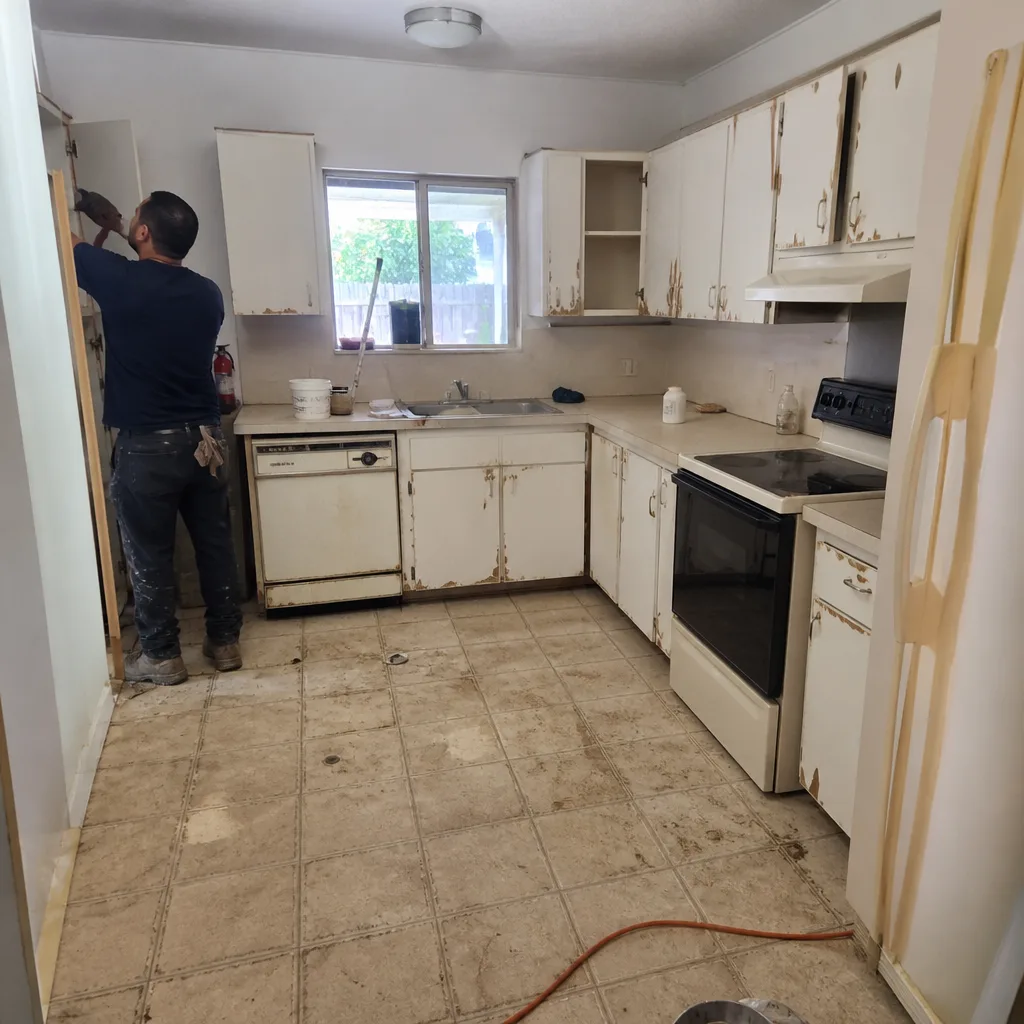 Before
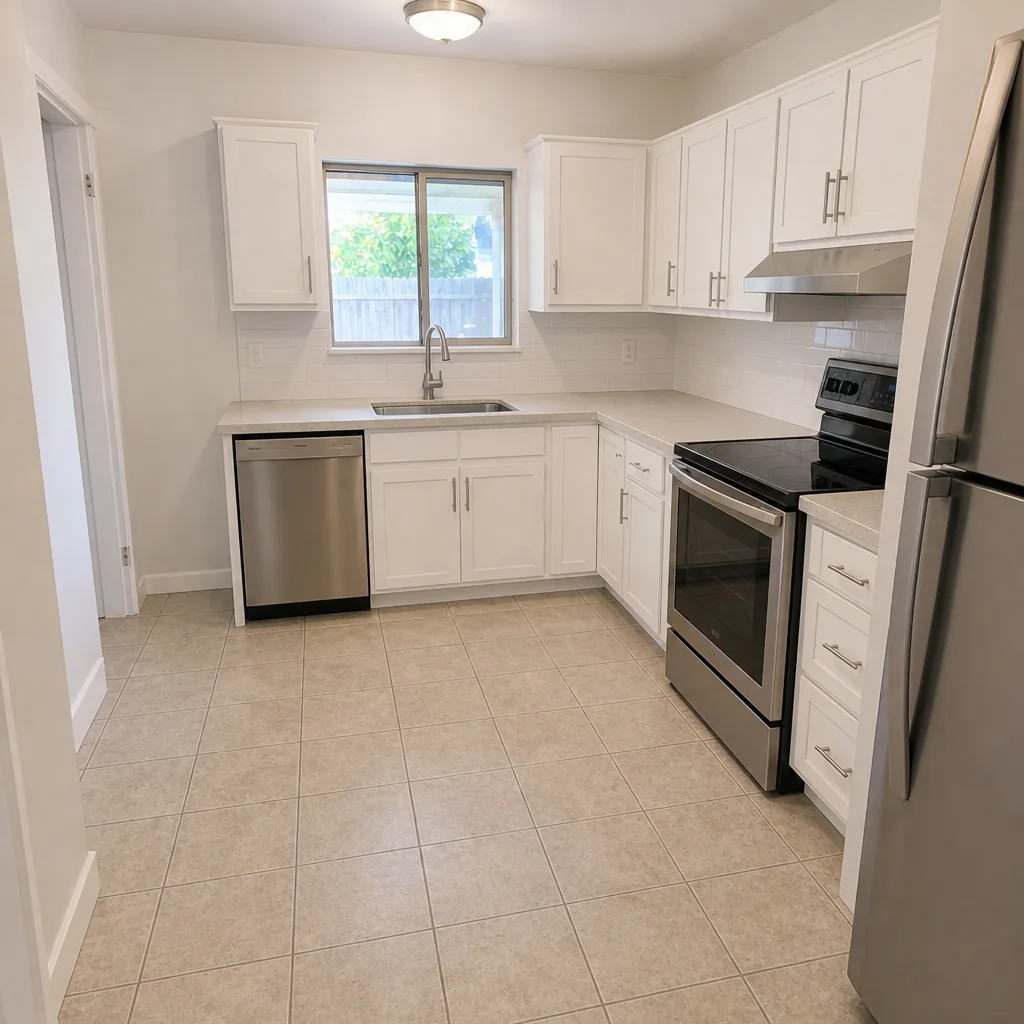 After
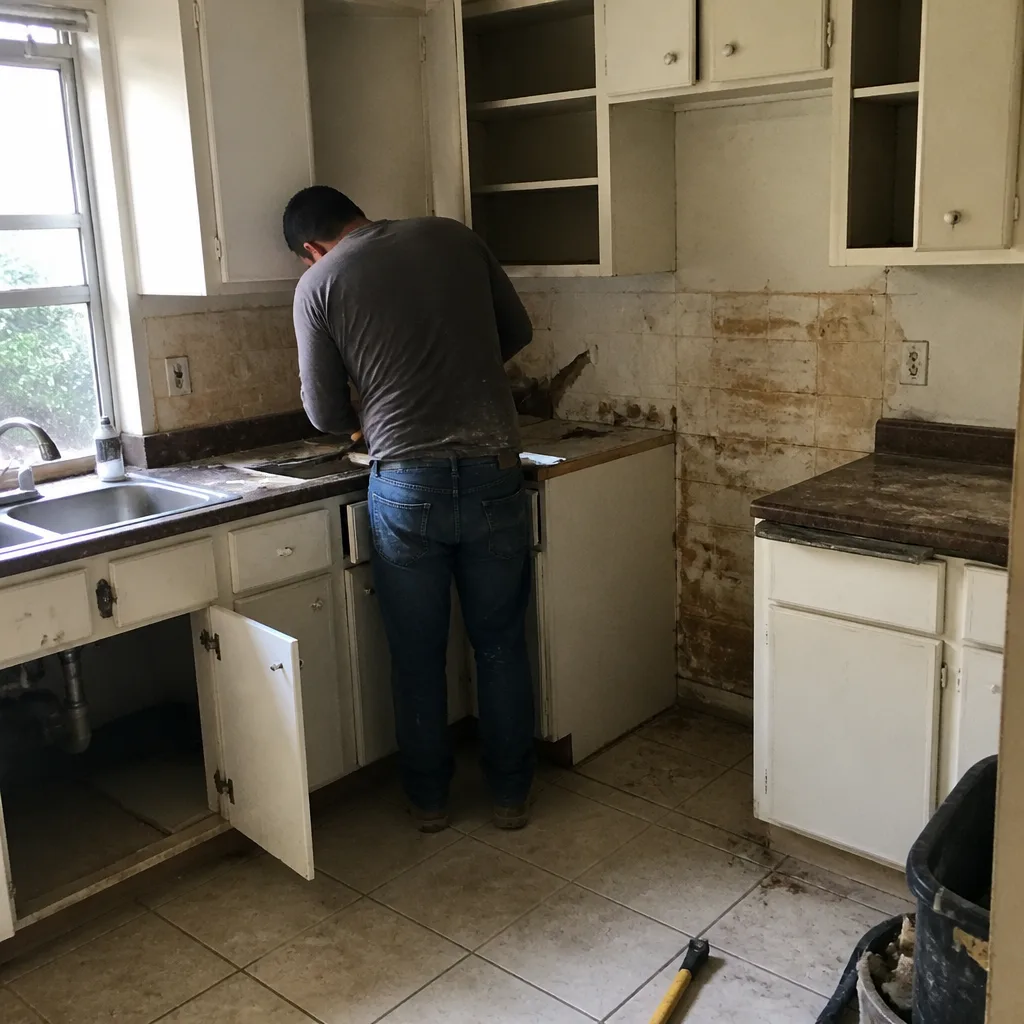 Before
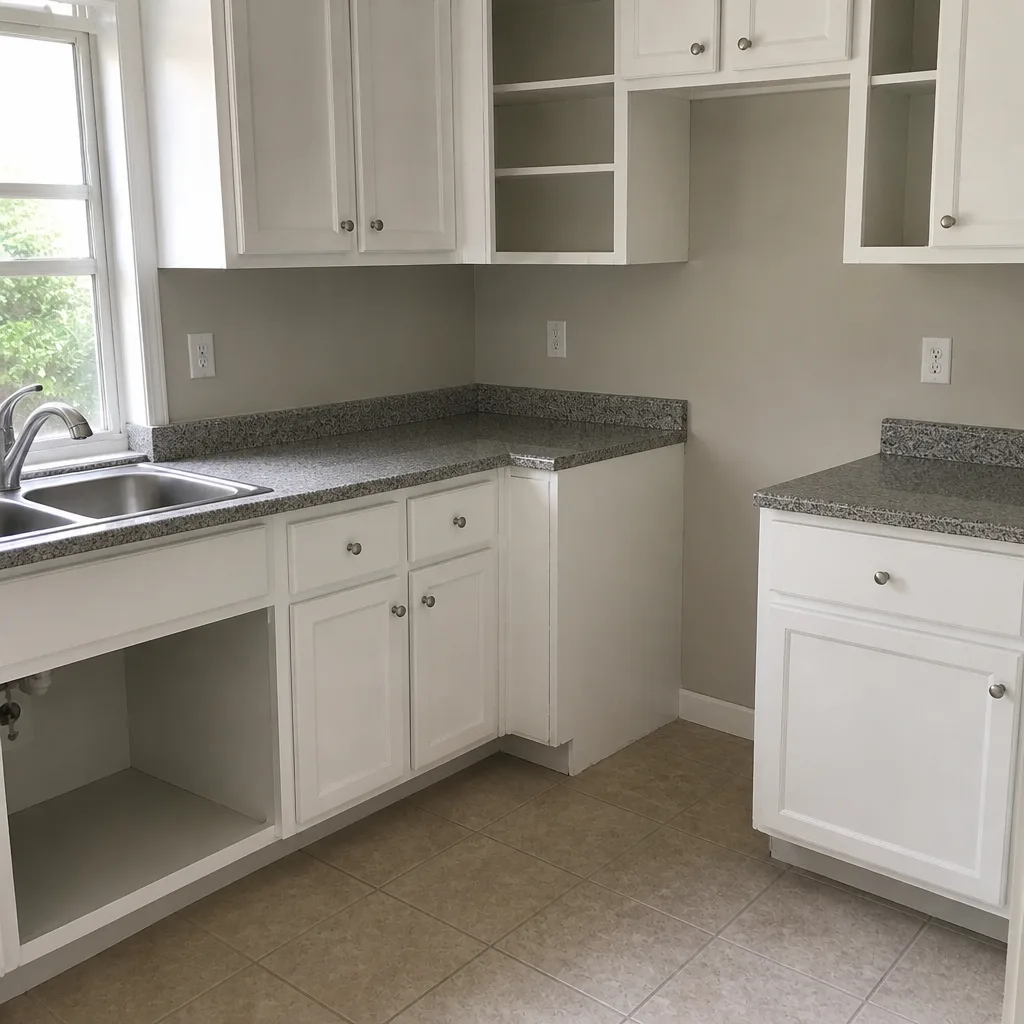 After
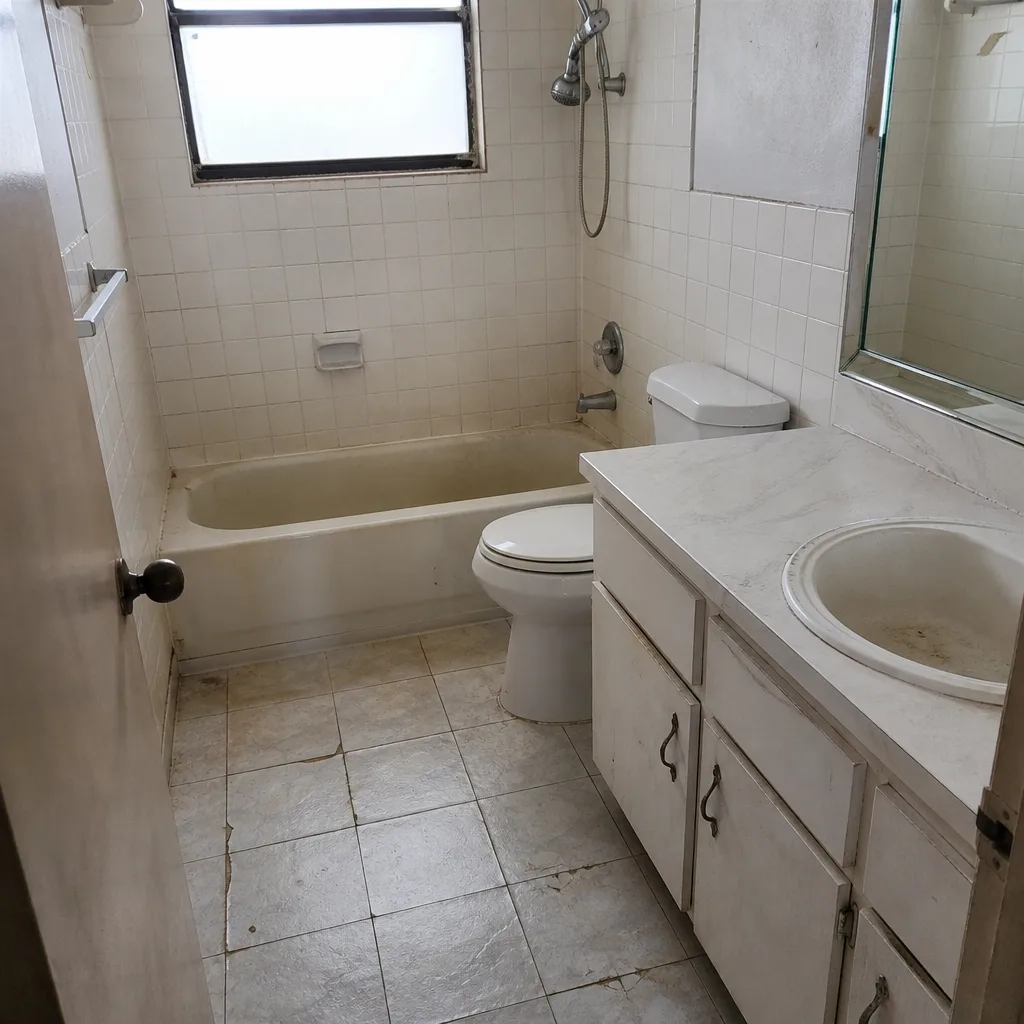 Before
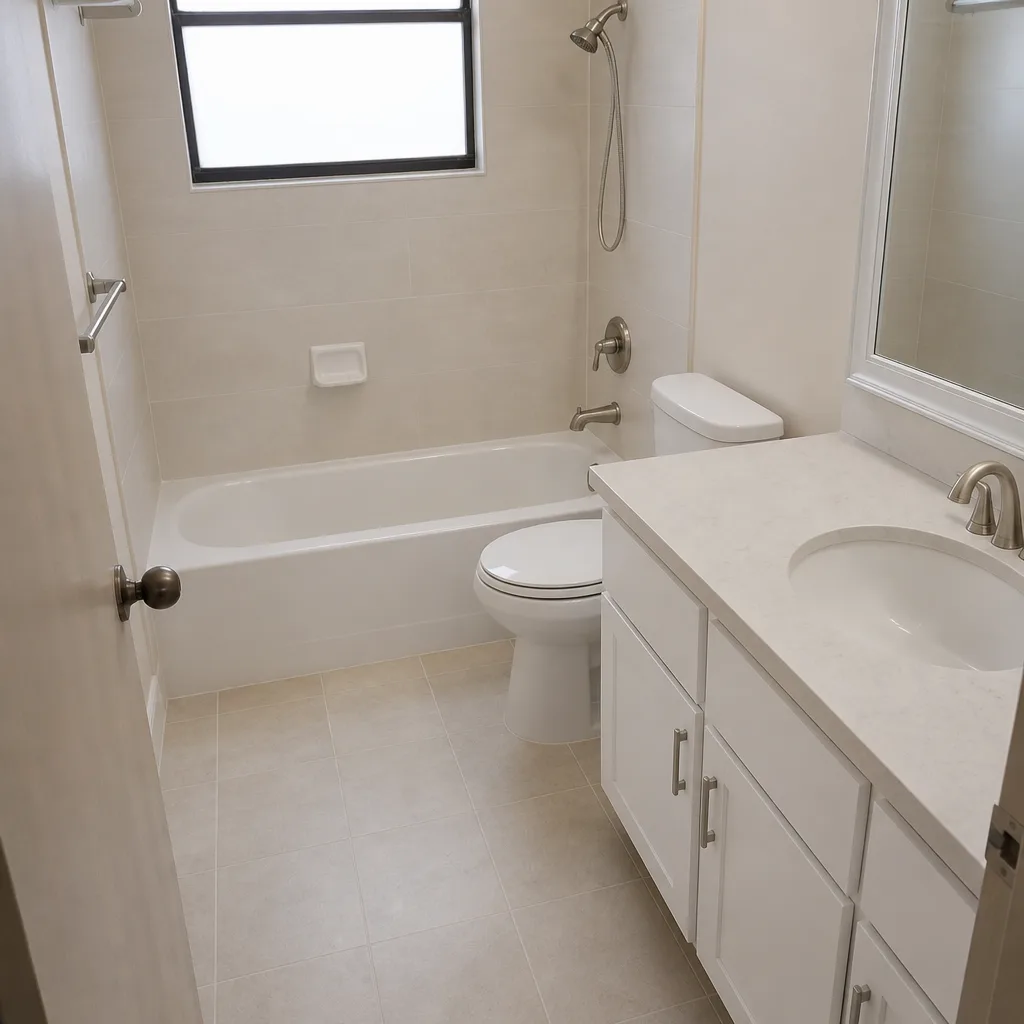 After
Common Mistakes to Avoid
- Signing a bid with no permit submission date. If the contract doesn’t name the date, the contractor isn’t obligated to file until they’re ready, and “ready” can be months after the slab goes in.
- Accepting a lump-sum price with no written change-order clause. Every addition in Doral hits at least one surprise in the field. Without a written change order, that surprise becomes a bill at the end.
- Letting the contractor name the subs after you sign. Substitution after the fact is how a licensed and insured bid becomes a job run by whoever answers the phone that week.
- Paying on a calendar-date draw schedule. You’re not funding your project’s progress, you’re funding the contractor’s cash flow. Milestones or nothing.
- Closing without final unconditional lien waivers. In Florida, a sub who wasn’t paid can lien your property even after you’ve paid the general contractor. Waivers are the paper that prevents it.
- Failing to check the license number. Anyone can hand you a business card. Florida publishes license numbers online. Look up the qualifying agent, not just the company name, and do it before you sign.
- Skipping the zoning pre-check on a Doral ADU. The price you’re quoted “assuming it’s allowed” isn’t a real price, it’s a conversation starter. Get the zoning determination first.
When to Call a Professional
You should call a licensed general contractor the moment any of the following is on the table: a signed contract with no permit reference, a lump sum with no change-order clause, a calendar-date draw schedule, a bid that doesn’t name its subs, or a closeout packet that arrives without lien waivers. Any one of those on its own is worth a second opinion before you sign. Two of them together mean the bid isn’t ready. If you’ve already signed and you’re seeing those gaps on the executed contract, that’s also a call, because the sooner the paperwork gets corrected, the cheaper the correction is.
Barrett & Sons Construction Doral offers free estimates in Doral, plus a free second opinion on any written estimate you’ve already received. Call (833) 734-5128 and a live person will pick up. Our technicians have up to 28 years of experience, and every price change on our jobs arrives in writing before the nail moves.
Frequently Asked Questions
Plan on a wide range depending on size and finish level, and treat any bid below the local range as a document-level red flag rather than a deal. In Doral, a mid-range second-story addition typically runs higher per square foot than a single-story bump-out because of the structural and roof tie-in work, and an ADU adds utility connection fees and zoning review on top. Get line-item quotes with allowances written down. Call (833) 734-5128 for an exact quote, estimates are free.
Yes. Any addition that touches the structure, roof, electrical, plumbing, or HVAC on a Doral home requires permitting through the city’s building department, and the addition cannot be legally occupied until the final inspection clears and the certificate of occupancy is issued. An addition built without a permit becomes a disclosed defect at resale and can trigger a retrofit or demolition order.
Look for a permit submission date in the contract and the name of the qualifying agent whose license will be recorded on the permit. If the contract has neither, the contractor isn’t obligated to file before mobilization. Ask for both in writing and verify the license number yourself before you sign anything.
A Notice to Owner is a normal document that a subcontractor or supplier serves on you within 45 days of starting work, telling you they have the right to lien the property if they aren’t paid. You shouldn’t be worried about receiving one, you should be worried if the closeout packet doesn’t include one from every sub on the job.
It can, but only if the contract has a written change-order clause in place before signing, and every price change arrives in writing before the work proceeds. That clause is what keeps a mid-build surprise from becoming an invoice at the end. If a bid has no change-order language, ask for it before you sign.
Yes. Every eligible addition and ADU we build in Doral has permits pulled and inspections signed as part of the scope, and the permit submission date is named in the contract before mobilization. If permits aren’t on the scope, we don’t take the job. It’s the same standard we hold on every job, from our Driveway & Pavers in Doral work to full Home Additions & ADU in Doral builds.
The Bottom Line
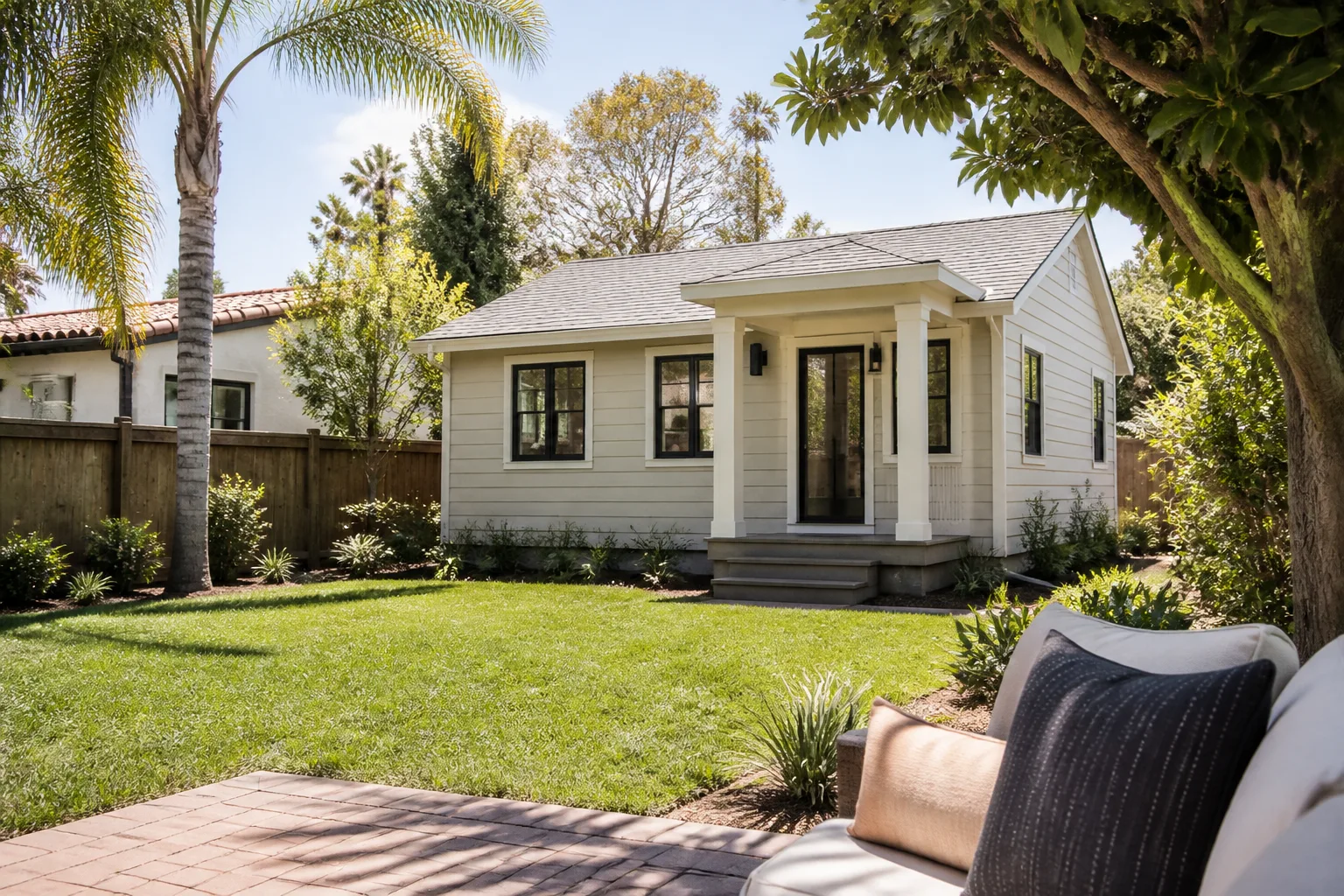
The paperwork is the job. Every red flag we’ve walked through in this guide is a document-level question you can ask before you sign, and every one of them is answerable by a real general contractor. Permit submission date, written change-order clause, verified subs, milestone draws, and lien waivers. Five checks, one kitchen table, and you’ll know more about the bid than ninety percent of the homeowners who’ve lost money on a Doral addition in the last five years. If any of those is missing, that’s the bid to walk away from. If all five are there in writing, you’re ready to talk.
Your home is likely the biggest investment you’ll ever make, and an addition or ADU is the job where the paperwork matters most. Call Barrett & Sons Construction Doral at (833) 734-5128 for a free estimate, and we’ll walk your documents with you before a single shovel touches the dirt. If you want to see what we do across the trades first, start at our Barrett & Sons Construction Doral home page, then check our fence installation in Doral, and when the addition has you rethinking the driveway and hardscape, our Unilock and Techo-Bloc work is on the same standard as everything else.
Written by the team at Barrett & Sons Construction Doral.