Last updated November 17, 2026


Free written scope consultation - allowances, timeline, and change-order rules on paper before a single trade is scheduled
How Long Does Home Additions & ADU Take? Timelines and What to Expect
Most homeowners we meet in Doral underestimate their addition timeline by 60 to 90 days. Not because they’re careless, but because they’re counting construction weeks while the real clock runs on the design-permit-inspection pipeline that brackets every build. Here’s the part that surprises people: a capable crew can frame and close a 500-square-foot addition in about three weeks once the permit is in hand. Getting that permit through Miami-Dade on a first submission is the part that eats the calendar. In this guide, we’ll break down all five phases of a Doral home addition or ADU project, show you where the weeks actually go, and flag the contractor estimates that should make you walk away.
Quick Answer
A permitted home addition or ADU in Doral typically takes 6 to 10 months from signed design contract to final inspection, with the majority of that time spent in design and Miami-Dade permitting rather than actual construction. The build itself usually runs 8 to 16 weeks depending on size and complexity. If anyone quotes you under three months for a fully permitted addition in Miami-Dade County, they’re either misinformed about the process or planning to skip permits entirely.
Styles & brands we work with
- Kitchen remodeling
- Bathroom remodeling
- Home additions & ADU
- Roofing
- Windows & doors
- Driveway & pavers
- Fence
Table of Contents
- The Five Phases of a Doral Addition Timeline
- Why Miami-Dade Permit Review Takes 8 – 14 Weeks
- First Submission Approval Is Rare: The Revision Cycle
- The Inspection Scheduling Backlog Nobody Warns You About
- What Can Legally Happen Before the Permit Is Issued
- ADU Timelines: How They Differ from Standard Additions
- Red Flags in a Contractor’s Timeline Estimate
- Common Mistakes to Avoid
- When to Call a Professional
- Frequently Asked Questions
The Five Phases of a Doral Addition Timeline
Every addition we build in Doral moves through five phases, and each one has its own clock. Here’s the honest breakdown:
- Design and engineering (4 – 8 weeks). This includes site survey, architectural drawings, structural engineering sign-off, and energy calculations required by the Florida Building Code. For an ADU, add another week or two for the site plan and utility connections.
- Permit submission (1 – 2 weeks). The application package itself must be complete before submission. Missing a single submittal here can kick you back to phase one.
- Permit review and revision (8 – 20 weeks). This is the wildcard phase. Miami-Dade’s building department review alone can run 8 – 14 weeks on first submission, and revision cycles stack on top of that.
- Construction (8 – 16 weeks). A 500-square-foot addition is often framed and closed within about three weeks. Finishes, MEP rough-in, and inspections fill out the rest of the schedule.
- Inspection closeout (2 – 4 weeks). Final inspections for framing, electrical, plumbing, mechanical, and the certificate of occupancy. In Doral, inspection scheduling itself can add a week or two per phase during busy season.
Add it up and you’re looking at six to ten months for a typical permitted addition. The build is not the bottleneck. The pipeline around it is.
Why Miami-Dade Permit Review Takes 8 – 14 Weeks
Miami-Dade County processes an enormous volume of residential permits, and single-family additions compete with everything else in the queue. The 8 – 14 week first-submission window is realistic in a healthy year; during post-storm recovery periods or peak construction season, it can stretch longer. That timeline assumes a complete, accurate application. An incomplete application gets a deficiency notice and the clock restarts.
What adds weeks that homeowners don’t expect:
- Wind-load and product approval documentation. Miami-Dade has its own product approval system (NOA) that’s stricter than most of Florida. Windows, doors, and structural components need approved notices of acceptance, and any substitution mid-review means resubmittal.
- Flood zone review. Much of Doral sits in or near FEMA flood zones. If your lot is in a Special Flood Hazard Area, expect an elevation certificate and possibly a floodplain development review tacked onto your standard review.
- Tree and landscaping review. Doral has tree protection ordinances that trigger plan revisions if existing trees fall in the footprint.
- Concurrency and impact fees. Fee calculation and payment timing can hold up issuance even after plan approval.
We pull permits on every eligible job precisely because skipping this step doesn’t save time, it just moves the pain to resale, insurance, or a stop-work order. The permit inspector works for you, not for us. That’s why we like him.
First Submission Approval Is Rare: The Revision Cycle
Most addition plans come back from Miami-Dade with comments on the first pass. That’s not a sign of a bad architect; it’s the normal rhythm of a department that reviews thousands of plans. What matters is how the revisions get handled. A typical revision cycle costs two to five calendar weeks per round, sometimes more if the comment touches structural or life-safety items. Two revision cycles add a month, easily.
The single biggest thing you can do to shorten this phase is hire a design professional who has submitted plans in Doral and Miami-Dade before. They know which details reviewers flag. A first-time-out designer saves you a fee and costs you weeks.
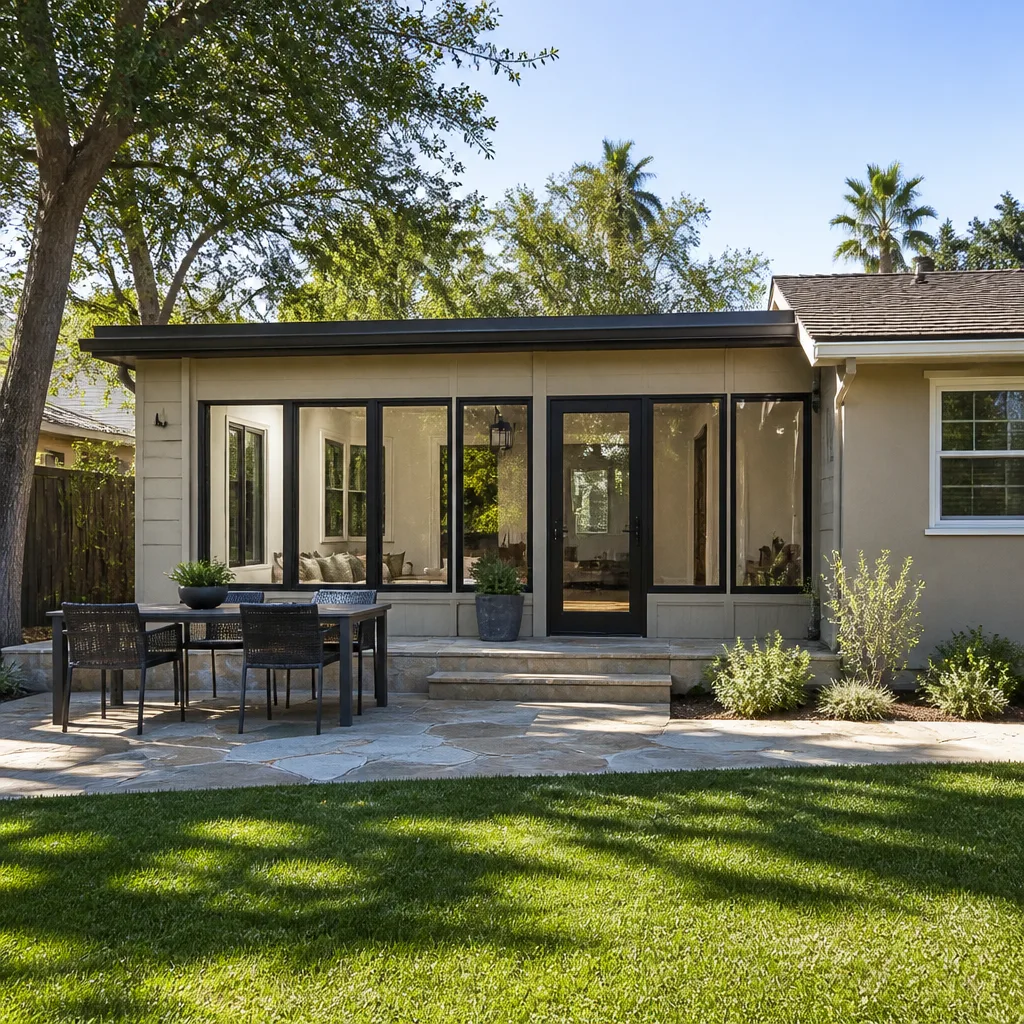
If you’re mapping out a larger remodel or addition project, our overview of Home Additions & ADU in Doral lays out the scope options that shape both review complexity and build length. Smaller footprints with simpler roof lines clear review faster than complex, multi-mass designs.
The Inspection Scheduling Backlog Nobody Warns You About
Permit review gets all the attention, but the inspection calendar quietly steals weeks on the back end. In Doral, rough inspections during busy season can queue one to two weeks out. That doesn’t sound like much until you do the math: a typical addition has roughly six to ten inspection touchpoints across framing, electrical rough, plumbing rough, mechanical, insulation, drywall, and finals. Two weeks of scheduling lag on several of those adds up to a month or more.
How we compress it:
- We call for inspections the moment a phase is ready, not after other trades finish.
- We stack trades so the electrician’s rough and the plumber’s rough land in the same inspection window when possible.
- We keep a rolling schedule that anticipates the backlog instead of treating it as a surprise.
The crews we work with have seen how much this matters on Doral jobs. It’s the difference between a project that closes on schedule and one that stalls out for a month while everyone waits for a two-hour inspection.
What Can Legally Happen Before the Permit Is Issued
This is one of the most misunderstood parts of the process, and it’s where unlicensed contractors get homeowners into trouble. A contractor cannot legally begin structural work, foundation work, or any component that requires inspection before the permit is issued. Period.
What can sometimes move forward early:
- Site preparation and surveying. Land clearing, staking, and utility locating can usually be arranged ahead of issuance.
- Demolition. In some cases, demolition permits are pulled separately and work can begin before the full building permit issues, but this depends on the scope and should be confirmed in writing with the county.
- Material ordering and long-lead scheduling. Ordering windows, doors, and cabinets is smart. Installing them is not legal until the permit is in hand.
Everything structural waits. Anyone who tells you otherwise is asking you to accept a stop-work order as a risk. That’s a risk that lands on your property record, not theirs.
ADU Timelines: How They Differ from Standard Additions
Accessory dwelling units in Doral have their own tail of extra time. State law has changed the ADU landscape in Florida, but local zoning and utility reviews still add weeks that a standard addition doesn’t face. Expect an ADU to run toward the longer end of the timeline ranges, often 8 to 12 months on the full pipeline:
- Zoning and setback review gets a dedicated look for ADUs, because Doral and Miami-Dade both regulate lot coverage, setbacks, and parking independently of the building review.
- Utility connections for a separate meter, water, and sewer or septic may require concurrency review and separate inspections.
- Life-safety and egress requirements for a dwelling unit mean smoke alarms, egress windows, and sometimes a separate address assignment, each with its own inspection.
If you’re in the early planning stage and want to understand what an ADU actually costs and includes, the team at Barrett & Sons Construction Doral walks through the scope options from foundation to finishes daily. Start with the Barrett & Sons Construction Doral home page for the full range of what we build.
Red Flags in a Contractor’s Timeline Estimate
We’ve been called to finish jobs that another contractor quoted at “six to eight weeks” and then abandoned at the framing stage when reality set in. Here’s what to look for when you’re getting timeline estimates:
- Anyone quoting under three months for a permitted addition in Miami-Dade. They’re either not pulling permits or they haven’t done the math.
- No mention of permit review time. If the schedule starts at “day one: construction,” the estimate is fiction.
- Vague language about “assuming no delays.” Every project has delays. A serious contractor builds them into the schedule and tells you which ones to expect.
- No written change order process. The allowance that isn’t on paper is a surprise waiting for a date. Ask to see a sample change order before you sign.
- Missing inspection fees or permit costs. These should be itemized, not buried in a lump sum.
- No license number on the estimate. Look it up before you sign anything.
Written scope, written allowances, written change orders. That’s the difference between a timeline you can plan around and a number that gets revised every time you turn around.
Common Mistakes to Avoid
- Starting design before checking zoning. Two sentences on lot coverage and setbacks from Doral’s planning office can save months of designing a footprint that will never be approved. Confirm your buildable envelope first.
- Assuming first-submission approval. Budget 8 to 20 weeks for review and revisions, not 8. The homeowners who stay calm are the ones who planned for the second round before it happened.
- Choosing materials that aren’t Miami-Dade NOA compliant. That beautiful door from the big-box showroom may not have a Notice of Acceptance for Miami-Dade wind loads. Swapping it mid-review costs weeks and money.
- Underestimating inspection scheduling. Don’t plan a move-in date around the construction calendar alone. Rough inspection backlog in Doral adds one to two weeks per trade during peak season.
- Letting a contractor begin without permits “to save time.” This always ends badly: stop-work orders, fines, and disclosure problems at resale. Florida law and Miami-Dade code don’t bend on this.
- Signing a lump-sum estimate with allowances left blank. Unwritten allowances are how $15,000 kitchens become $28,000 kitchens. Everything in writing, every time.
- Not planning for the Florida rainy season. June through September in Doral means afternoon thunderstorms that can cost framing days. The best schedules account for weather downtime up front.
We see these mistakes constantly, and every one of them adds weeks. Avoiding them isn’t about being cautious. It’s about knowing how the process actually behaves in Doral.
When to Call a Professional
Call a licensed contractor before you buy plans, before you buy materials, and before you tell your family the addition is happening next spring. If any of the following apply, it’s time to talk to a professional: you’re seriously considering an addition or ADU in Doral; you’ve received a quote with a timeline under three months for a permitted build; you’re inheriting a half-finished project from a previous contractor; or you’re planning a project that touches plumbing, electrical, or structural elements. Barrett & Sons Construction Doral offers free estimates in Doral. Call (833) 734-5128. We’ll walk the site, talk through the realistic schedule, and give you a written scope with a written timeline you can actually plan around.
Frequently Asked Questions
A permitted home addition in Florida typically takes 6 to 10 months from signed contract to final inspection, with 8 to 14 weeks of that spent in county permit review alone. Build time varies by size, but for a 500-square-foot addition, construction is often 8 to 12 weeks and the permit pipeline is the rest. Call (833) 734-5128 for a free estimate on your Doral project.
Miami-Dade’s first-submission review for a residential addition usually runs 8 to 14 weeks, and revisions add two to five weeks per round. The most common cause of delay is an incomplete submittal package, especially around Notice of Acceptance documentation and flood zone requirements. Call us for a free second opinion on any written estimate you’ve received.
Structural, foundation, and inspected work cannot begin until the permit is issued. Site preparation, surveying, and in limited cases demolition under a separate permit can sometimes move forward earlier. If a contractor tells you they can start framing “while we wait on the permit,” that’s a red flag, not a shortcut. Call (833) 734-5128 to discuss a legally sound schedule.
ADUs in Doral typically run 8 to 12 months end to end because zoning review, utility connections, and separate address assignments add their own review time. Doral’s local zoning overlays on top of Miami-Dade permitting rules, and each layer adds weeks. The faster you lock in a compliant footprint, the fewer revision cycles you’ll face.
Estimates vary because the ones with written scope, allowances, and change orders tend to be accurate, while the lowball quotes often leave items out and add them later. A contractor who gives you a real line-item estimate with permits included isn’t padding the price, they’re being honest about what the job actually costs. Always compare on written scope, not on the headline number.
Timeline slips happen on nearly every project, but where the slip lands matters. Permit review delays are often outside anyone’s control, while construction delays usually come down to scheduling and trade coordination. Ask your contractor for a written schedule at contract signing and written updates when phases change. Call (833) 734-5128 for a free second opinion if a project you’re in feels like it’s slipping without explanation.
The Bottom Line
Home additions and ADUs in Doral take 6 to 10 months on the realistic timeline, and the weeks that matter most are the ones spent in design, Miami-Dade permit review, revisions, and inspections, not the construction itself. Anyone quoting under three months for a permitted addition in Miami-Dade is either not pulling permits or doesn’t know the process. Plan for revision cycles, plan for inspection backlog, and plan for Florida weather. Do those three things and the schedule you write down is the schedule you’ll likely hit. All of it starts with a written scope, a written timeline, and a live voice on the other end of the phone.
When you’re ready to talk real numbers for your Doral addition or ADU, call (833) 734-5128 for a free estimate. We answer the phone, we pull the permits, and we put the timeline in writing.
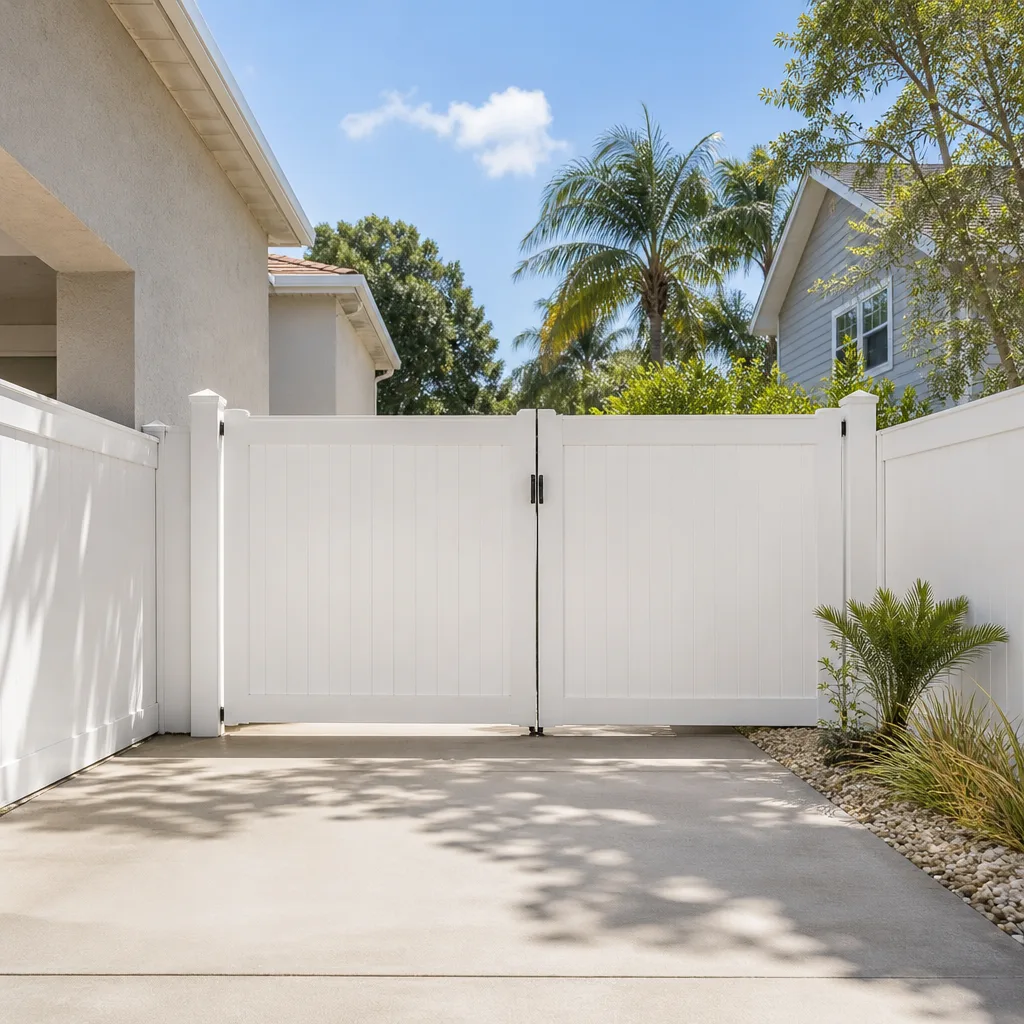
While you’re planning the project, our guides to Driveway & Pavers in Doral and Fence Installation in Doral cover the outdoor scope that often pairs with an addition, including fence lines we often build with Ameristar, Jerith, or Bufftech panels matched to the property line. Both projects benefit from the same written scope and change order discipline that keeps an addition on schedule.
Written by the team at Barrett & Sons Construction Doral.
See the difference
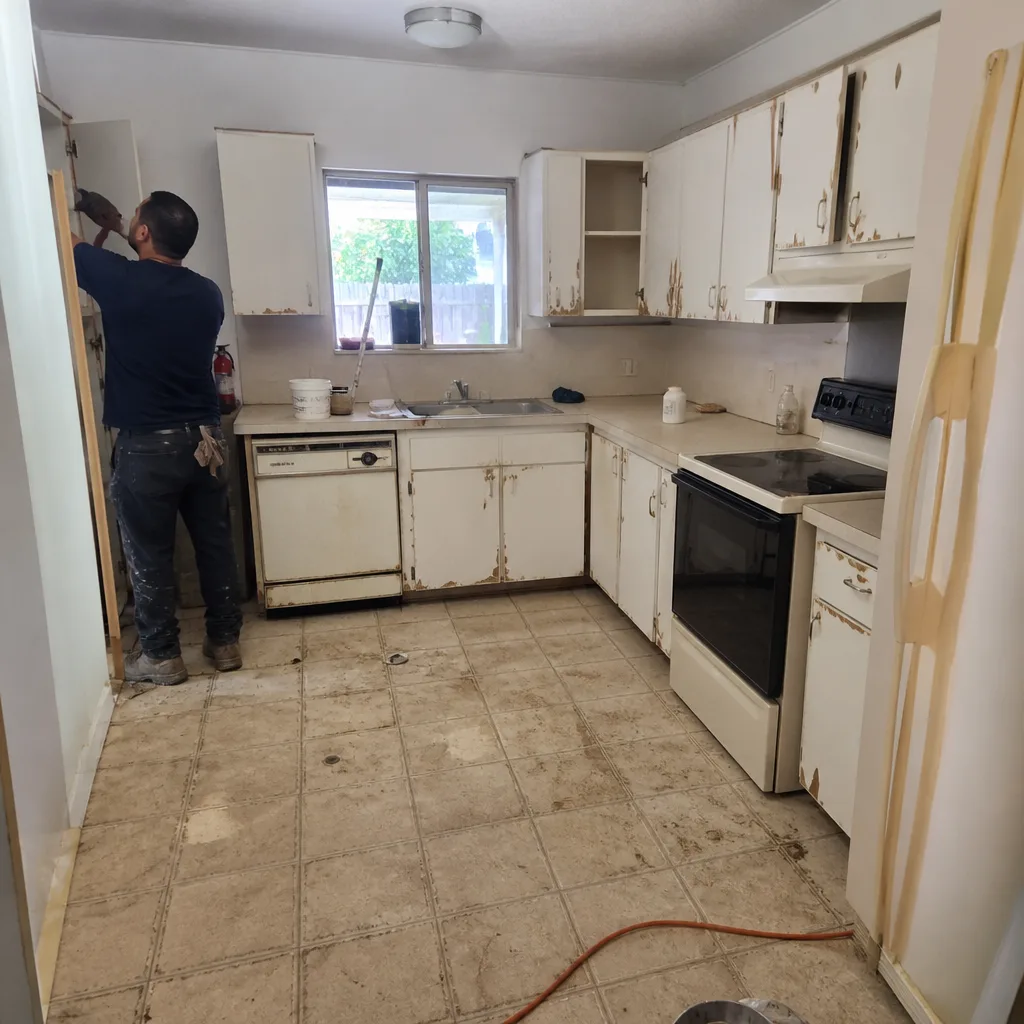 Before
 After
 Before
 After
 Before
 After