Last updated November 17, 2026



Free written scope consultation - allowances, timeline, and change-order rules on paper before a single trade is scheduled
Construction Warning Signs: A Doral Homeowner’s Reference Guide
Here’s the uncomfortable truth most checklists skip: the contractor who costs you the most money in Doral is rarely the one with no license and a cash-only handshake. It’s the one who shows up in a branded truck, hands you a clean written quote, and has a real Florida license number – then pulls your permit and subs the actual work to a crew nobody vetted. That arrangement is legal in Florida unless your contract specifically forbids it. This guide covers the professional-looking warning signs that standard lists miss, the Doral market patterns we’ve watched play out for years, and the contract language that protects you before you sign.
Quick Answer
The most expensive construction problems in Doral don’t come from obviously shady contractors – they come from licensed contractors who pull permits but hand your job to unlicensed subs, pad margins with manufactured change orders, or collect deposits beyond what Florida law allows. Protect yourself with three things: contract language that requires the licensed contractor’s own crew on site, written change orders before any added work, and deposit limits of 10% on jobs under $10,000 and 30% on larger ones.
Styles & brands we work with
- Kitchen remodeling
- Bathroom remodeling
- Home additions & ADU
- Roofing
- Windows & doors
- Driveway & pavers
- Fence
Table of Contents
- The Licensed Contractor Who Isn’t Really Doing Your Job
- Scope Creep by Crisis: The Manufactured Change Order
- What a Suspiciously Low Doral Bid Actually Signals
- Payment Structure Warning Signs Under Florida Law
- Are the Subcontractors Covered by the Contractor’s Insurance?
- Contract Language That Protects You in Writing
- Doral-Specific Red Flags: Climate, Code, and Market Pressure
The Licensed Contractor Who Isn’t Really Doing Your Job
A Florida license number tells you one thing: the person or company holding it passed the state’s requirements. It does not tell you who will swing the hammer in your Doral home next Tuesday. That’s the gap most homeowners never think to close.
The pattern we see: a licensed qualifying contractor signs your contract, pulls the permit in their name, and then sends an unlicensed crew to perform the work. The permit passes inspection because the licensed person’s name is on it. The work itself was done by people with no verifiable credentials, no workers’ comp coverage under your contractor’s policy, and no accountability beyond a text message. If that crew cuts a corner and it fails three months later, your recourse is against a name on a permit – not the people who actually built it.
Is this illegal? Not automatically in Florida. It becomes a violation of your agreement only if your contract specifically prohibits subcontracting without written approval. Which means the fix is simple and most homeowners never ask for it:
- Add a clause requiring the licensed contractor to be on site for permit inspections and structural milestones. Name the person or the company, not “a representative.”
- Require written approval before any subcontractor is assigned to your job. If the contractor won’t agree to this in writing, that’s your answer.
- Ask which crew members will be on site for each phase – framing, electrical, plumbing, finish. If the answer is vague, press for names and license numbers.
- Verify every sub independently through the Florida DBPR license lookup before work begins.
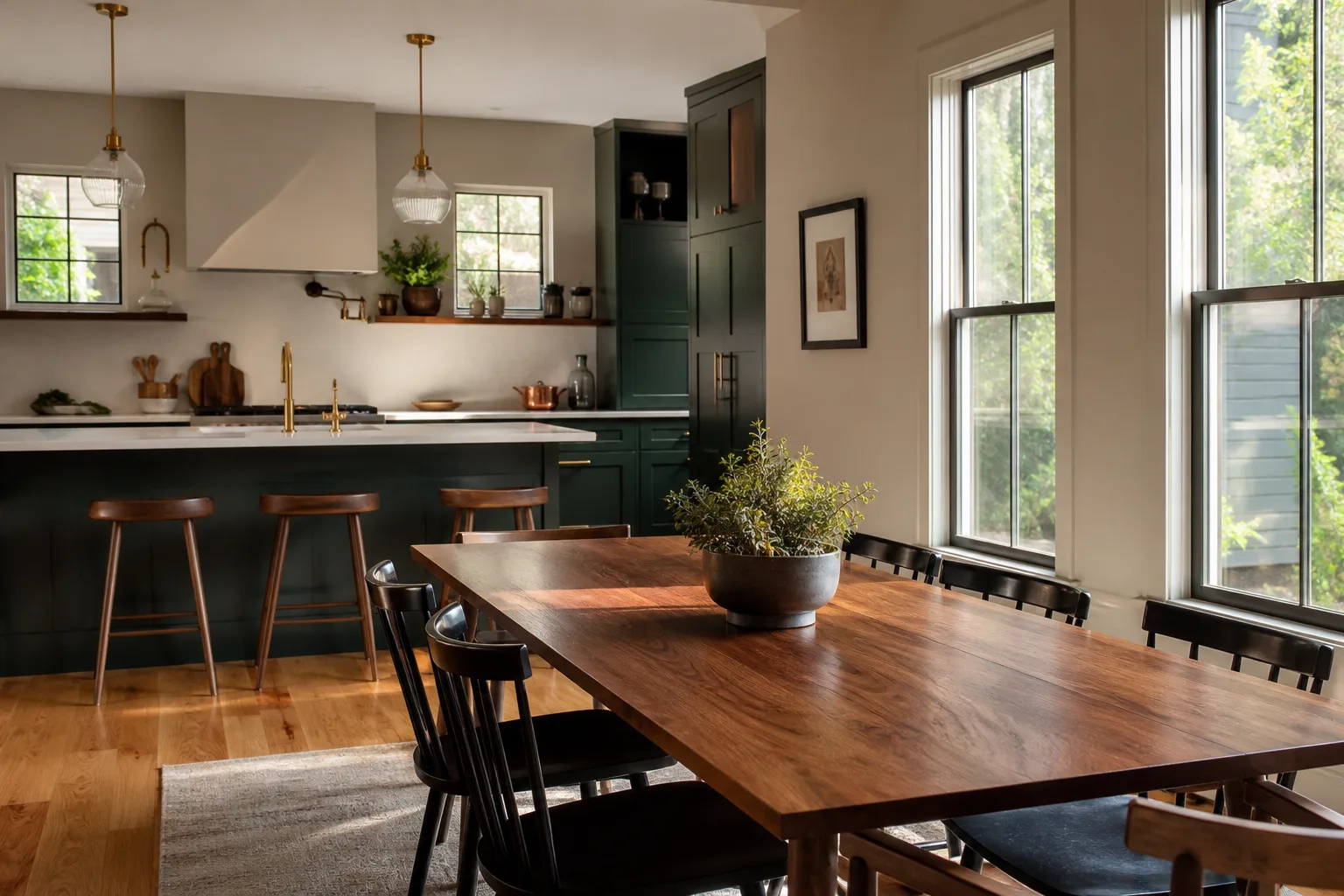
We’ve built our own Doral operation around this exact issue: the people doing your kitchen remodel or home addition or ADU in Doral are background-checked crew members who carry our name, not anonymous labor sourced at the last minute. If your contractor can’t say the same, ask why.
Scope Creep by Crisis: The Manufactured Change Order
Most legitimate change orders come from things nobody could see until the walls came down – hidden water damage, outdated wiring, a joist that wasn’t to code. In Doral’s older residential pockets, that’s a real and recurring situation. But there’s a version of this that gets manufactured, and it follows a recognizable script.
The bid comes in low. The margin is thin or negative. Six weeks in, you get the call: “We found something.” The discovery is vague, the urgency is high, and the change order arrives as a number, not an itemized breakdown. You approve it because the job is half done and stopping feels worse than paying.
This is where the Barrett & Sons Construction Doral home approach differs from what many homeowners have experienced: every scope line, every allowance, every price change arrives as a written change order before the work happens. No surprise invoices at the end, because an allowance that isn’t on paper is a surprise waiting for a date. Our written change order requirement is built into every contract – not buried in fine print, but printed on the page you sign.
What legitimate change orders look like:
- Itemized, not lumped. Labor, material, and timeline impact shown separately.
- Photographed. The condition prompting the change is documented.
- Optional where possible. Not every discovery requires the most expensive fix – sometimes there’s a sound, less costly path, and you deserve to hear it.
- Signed before work proceeds. No verbal approvals, no “we already started, so.”
If your contractor’s change orders are verbal, urgent, and unexplained, ask for the photo and the itemization. An honest contractor welcomes that question.
What a Suspiciously Low Doral Bid Actually Signals
A bid that comes in 20-30% below every other quote in Doral isn’t a deal – it’s a specific set of corners about to be cut. Here’s what we’ve watched get stripped out of low bids, ranked by how often we see it.
- Cheap windows with no impact rating. Doral sits in a wind-borne debris region, and the right product matters. A low bid often substitutes a builder-grade window where a PGT or CGI impact unit was quoted. Ask for the exact product and the NOA number before you sign.
- Thin or missing permits. Permit costs come out of margin, and the contractor who “handles it later” usually doesn’t.
- Unlicensed or uncovered labor. The crew shows up without workers’ comp under the contractor’s policy. If someone’s hurt on your property, that gap becomes your problem.
- Undersized materials. A thinner roof deck, a lighter paver base, a fence post set at the wrong depth for Doral’s high water table – all invisible until it fails.
- The vanishing allowance. A low bid often understates what finishes will actually cost, knowing you’ll pay the difference at selection time.
We quote premium brands you can look up – KraftMaid and Cambria in kitchens, GAF and CertainTeed on roofs, Andersen and Marvin on windows, Belgard and Techo-Bloc on hardscapes – because a named product with a manufacturer’s spec sheet behind it is a harder thing to cut than a mystery brand off a van. If a Doral bid can’t tell you the exact product and the permit line item, the number is fiction.
Payment Structure Warning Signs Under Florida Law
Florida statute (Section 489.126) puts limits on what a contractor can collect as a deposit before work begins. Those limits exist for a reason: they protect you from contractors who fund their operation with the next customer’s deposit.
The general rule to remember:
- Jobs under $10,000: more than 10% upfront is a red flag.
- Jobs over $10,000: more than 30% upfront should cause you to ask questions.
- Deposits should be tied to a written schedule – a payment plan matched to milestones the contractor can document, not one big check on day one.
- Final payment should be held until the job passes inspection and you’ve signed off on the punch list.
Two more payment-pattern warning signs worth knowing:
The “material just came in” squeeze. A contractor calls mid-job and asks for an early draw because a supplier needs the money for lumber or windows. Sometimes it’s real. But you should be able to verify it, and the request should be in writing – never a cashier’s check to a holding company.
The disappearing progress bill. Payments should follow visible progress you can walk out and photograph. If the money is flowing but the work isn’t, stop writing checks and ask for a written reconciliation of the schedule.
A contractor who runs a healthy operation doesn’t need an outsized deposit to start your Doral job. If they do, you’re funding their working capital, not your project.
Are the Subcontractors Covered by the Contractor’s Insurance?
This is the single most overlooked warning sign in construction, and the answer determines whether your homeowner’s policy becomes the safety net if someone gets hurt on your Doral property.
Here’s the distinction that matters:
- General liability covers property damage the contractor causes – a broken window, a damaged neighbor’s fence, a roof leak.
- Workers’ compensation covers medical bills and lost wages if a crew member is hurt on your job.
- Subcontractor coverage is separate. A contractor’s workers’ comp policy may not extend to subs who aren’t their direct employees. If a sub is injured and not covered, the claim can land on you.
What to do:
- Ask for the contractor’s certificate of insurance – both general liability and workers’ comp – and call the insurer to verify it’s current.
- Ask specifically whether subcontractors are covered under the policy, or whether each sub carries its own insurance.
- Request that each sub provide a certificate of insurance before starting work on your Doral job.
- If the contractor can’t answer clearly, treat that as a hard warning sign. “I’ll have to check” from a licensed contractor on a repeat question means the answer is probably no.
We require proof of coverage from everyone who touches a job, and we don’t hire unlicensed labor. That’s not a marketing line – it’s the difference between a small filing and a liability claim against your house, and it’s why we keep our crews in-house and accountable rather than subbing blindly.
Contract Language That Protects You in Writing
If you take one thing from this Doral guide, make it this: a handshake doesn’t protect you. A permit doesn’t protect you. A contract clause does.
Before you sign anything, these clauses should be in writing:
- A no-unapproved-subcontractor clause. “Contractor shall not assign work to any subcontractor without prior written approval from the homeowner, and all subcontractors shall provide a certificate of insurance before starting work.”
- A written change-order requirement. “Any change to scope, materials, or schedule shall be documented in a written change order signed by both parties before work proceeds.”
- A permit clause. “Contractor shall obtain all required permits and pass all required inspections before final payment is due.”
- A payment schedule clause. “Payments tied to documented milestones. Final payment due upon completion and homeowner sign-off.”
- A written warranty clause. “Workmanship warranty: [specific terms].” Ours is the 90-Day Done Right Promise – printed on every contract, not buried in fine print. If something isn’t done right, one call brings Tom back.
- A lien-waiver clause. “Contractor shall provide a signed lien waiver from all subs and suppliers upon final payment.”
Ask to see the contract before you sign. A good contractor hands you a written contract with all of this in it, and doesn’t flinch when you say you’re going to read it carefully. If they do flinch, that’s your answer.
Doral-Specific Red Flags: Climate, Code, and Market Pressure
Doral’s specific conditions create their own warning signs. What looks fine in a generic guide can be a real risk here. A few patterns we’ve seen repeatedly:
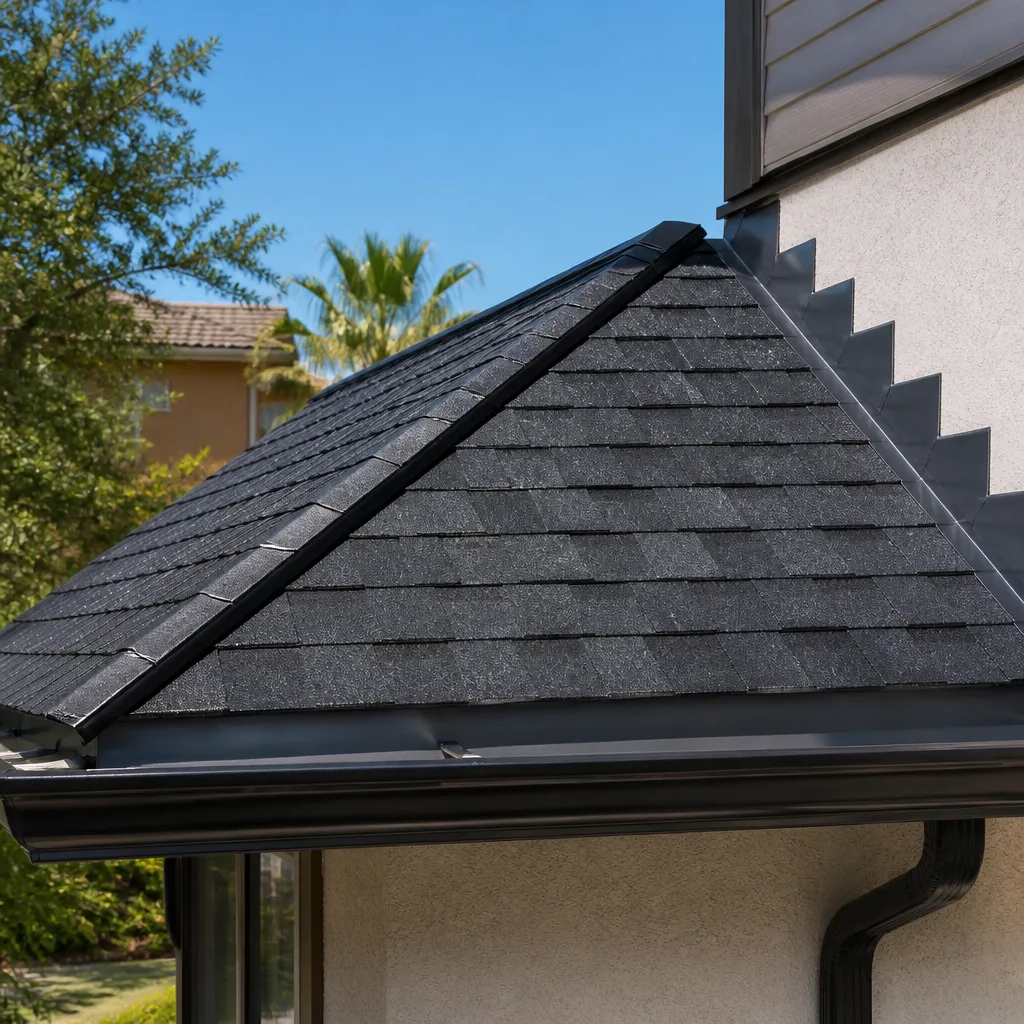
Roof and window claims in a high-wind zone. Doral sits in Miami-Dade’s High Velocity Hurricane Zone, and product approval matters. A bid that promises impact windows at a price that suggests they’re not impact-rated is a warning sign. Ask for the product approval number – PGT, CGI, ES Windows, and CWS all publish theirs. A contractor who can’t hand you the NOA is offering you something else.
Drainage and grading shortcuts. Doral’s high water table and heavy summer rain punish bad grading. A patio or paver job that skips the base prep and slope is going to flood your patio by August. When you price driveway and pavers in Doral, ask how the contractor handles water – if they can’t explain the slope and the base material, that’s your answer.
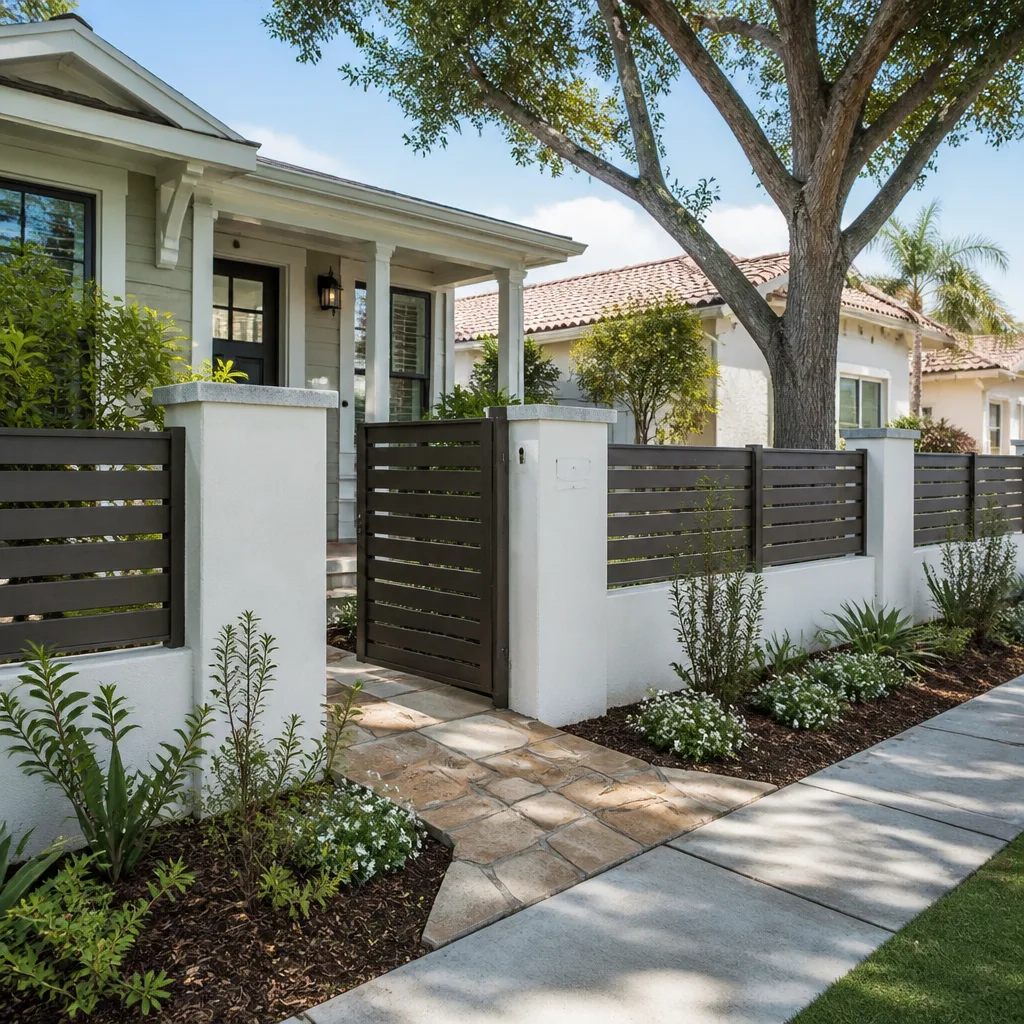
Fence posts in the wrong ground. A fence set in sand with no concrete, or a post set too shallow for Doral’s soil, is going to lean by hurricane season. Ask about the depth and the setting method before you sign on fence installation in Doral.
Permit-shy contractors in a fast market. Doral has seen steady construction pressure and it attracts out-of-town outfits that quote quickly and disappear. A contractor who can’t show you a local permit history, published address, or license number you can look up yourself is a risk – no matter how professional the truck looks.
Common Mistakes to Avoid
- Assuming a license number means in-house crews. A Florida license is a qualifier, not a guarantee the licensed person or their crew shows up. Verify who’s on site, not just who signs.
- Skipping the sub insurance check. In Doral, an uninsured sub injury on your property can become your liability claim. Ask for certificates before work begins.
- Signing a contract with no change-order clause. A verbal “we’ll figure it out” leaves you exposed when the change order arrives as a $6,000 surprise invoice.
- Paying more than 10% upfront on a job under $10,000. Florida law sets deposit limits, and paying beyond them is a signal worth heeding.
- Accepting a bid without named products. If the bid says “impact windows” without a brand or product approval number, you’re paying for a name you can’t verify. Ask for PGT, CGI, or ES Windows specs.
- Ignoring drainage on patio and paver jobs. Doral’s water table and summer rain turn a shortcut on grading into a flooded slab. Ask how the water moves.
- Not verifying the license before signing. The Florida DBPR lookup takes two minutes. Use it on every contractor – even the one your neighbor swears by.
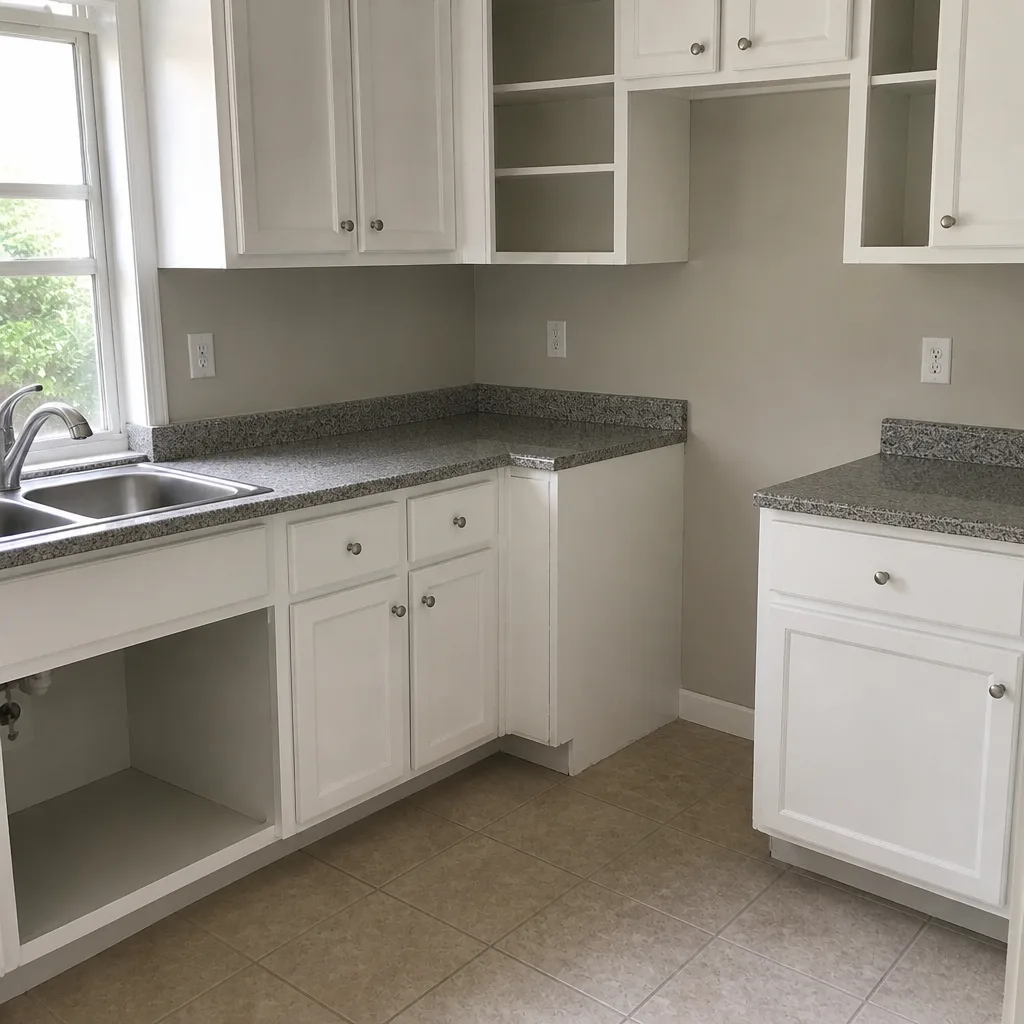
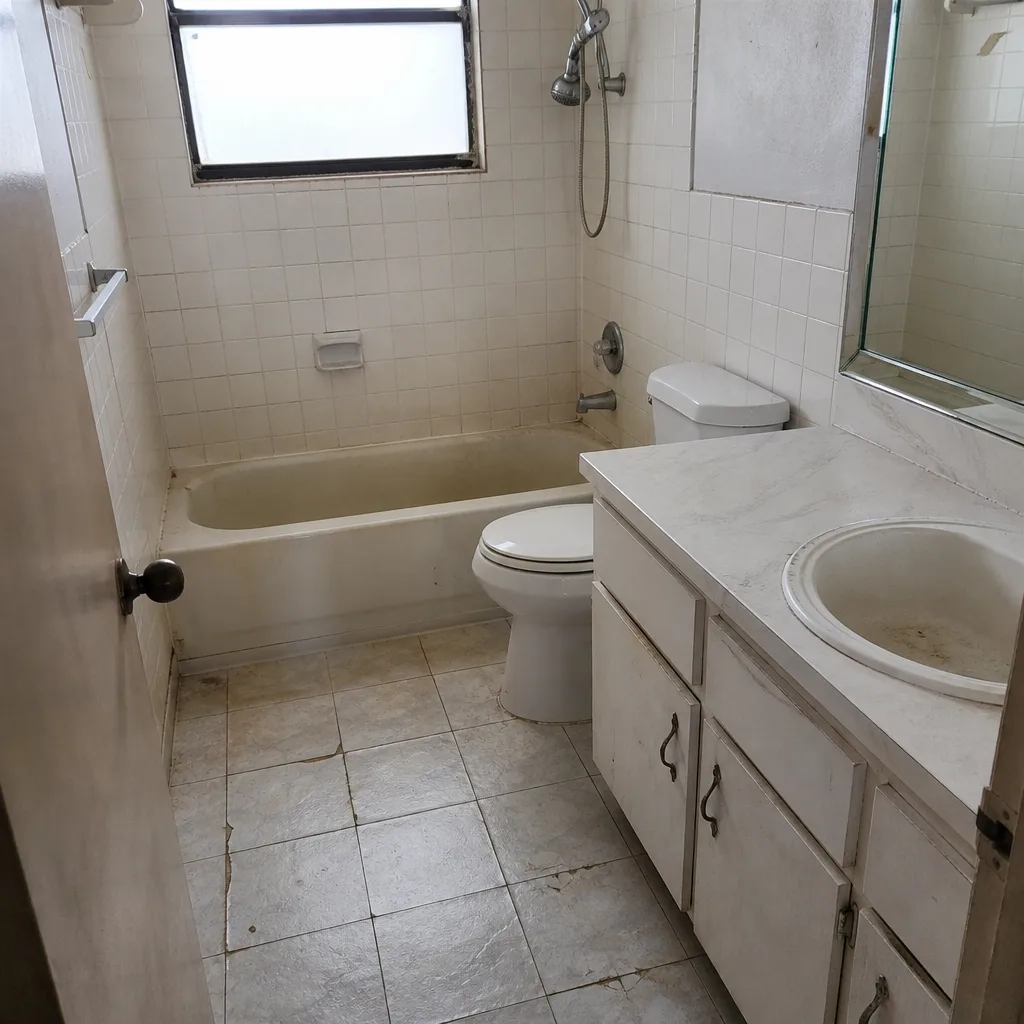
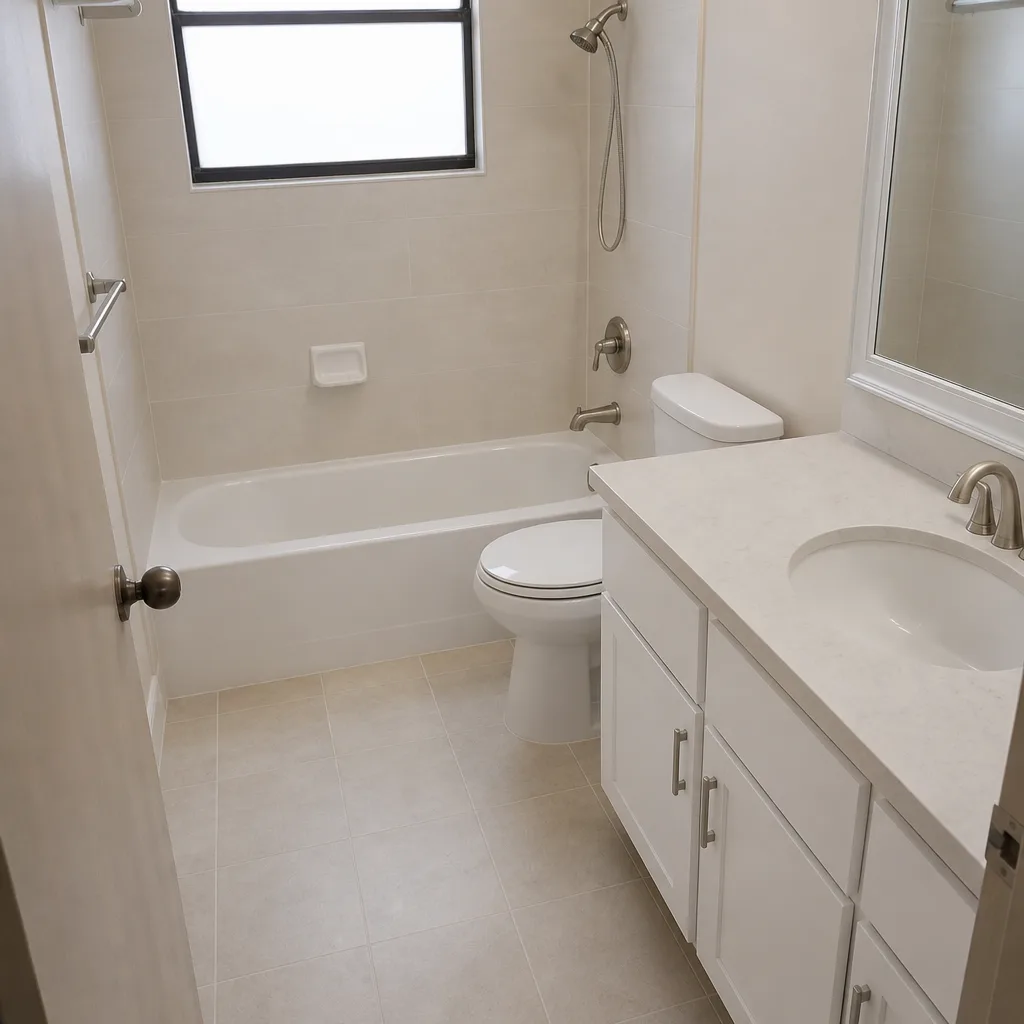
See the difference
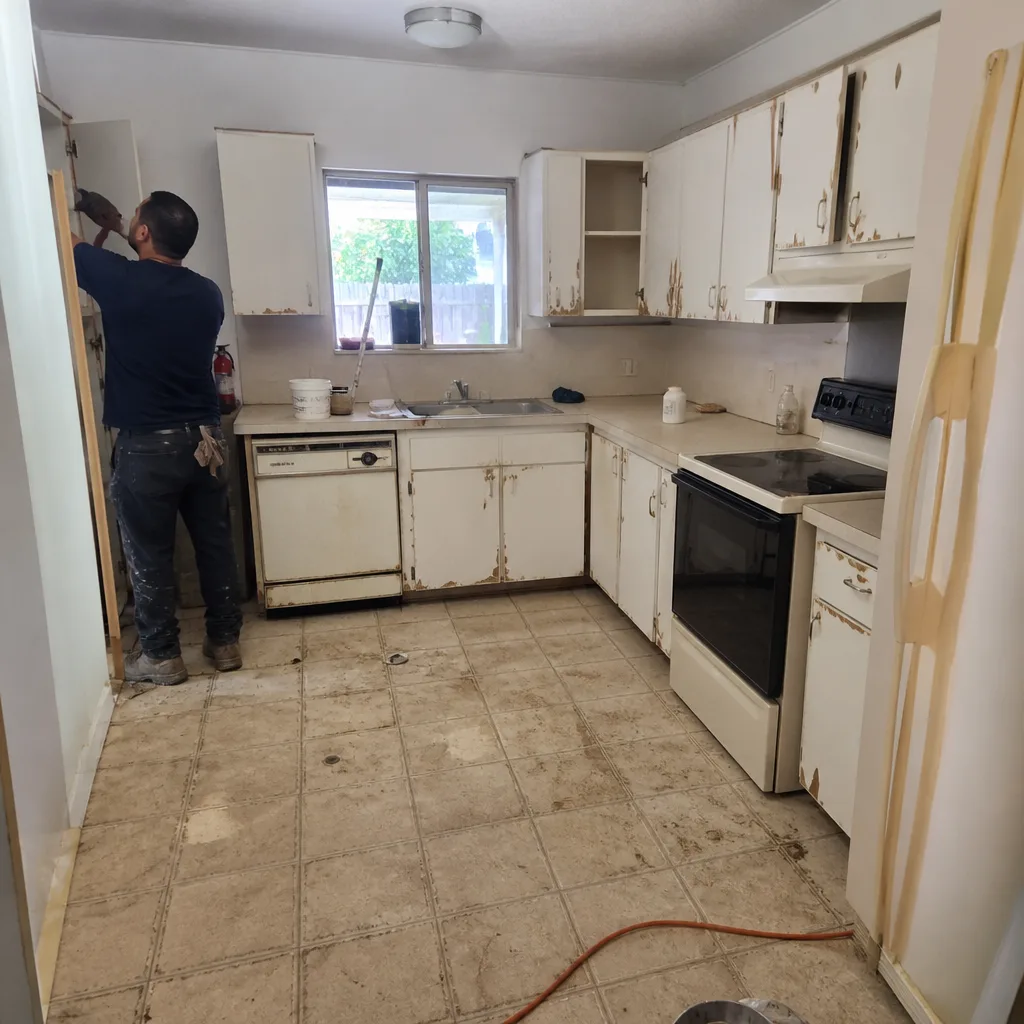 Before
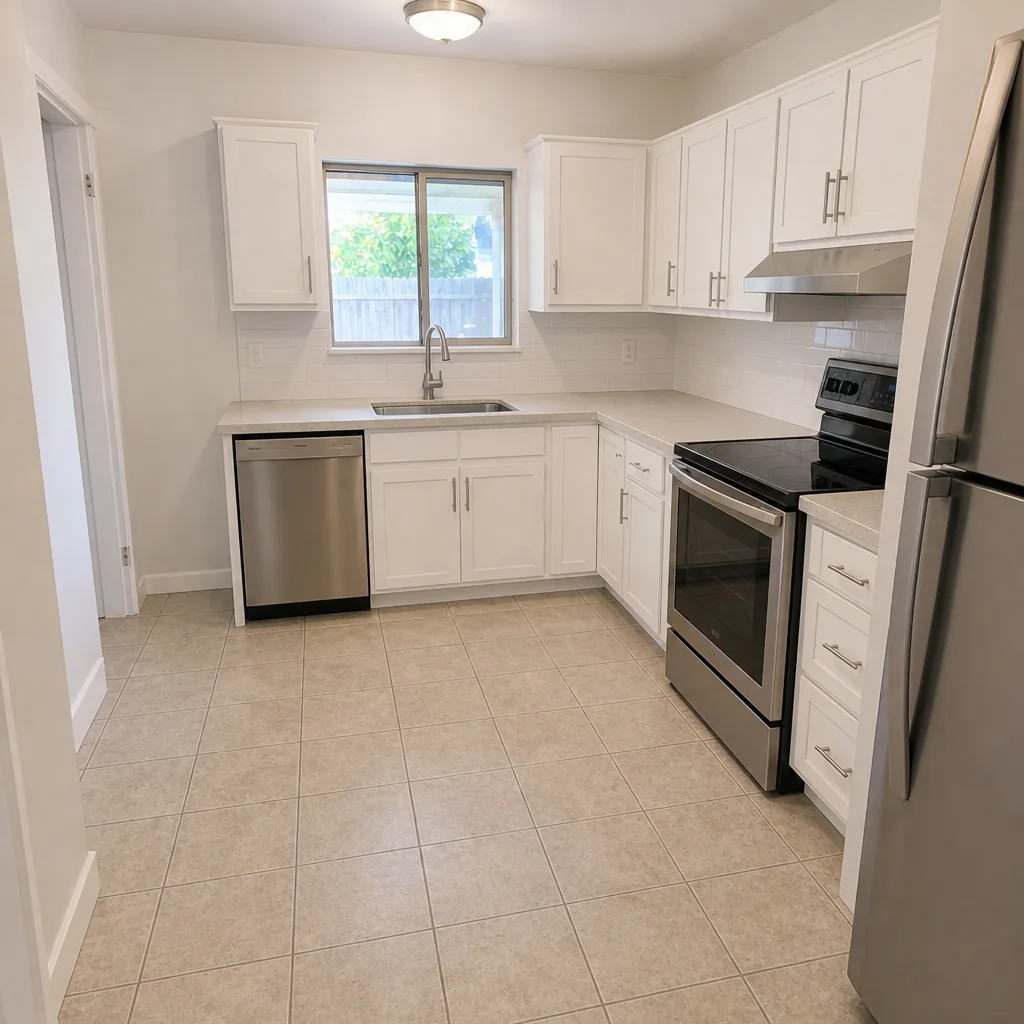 After
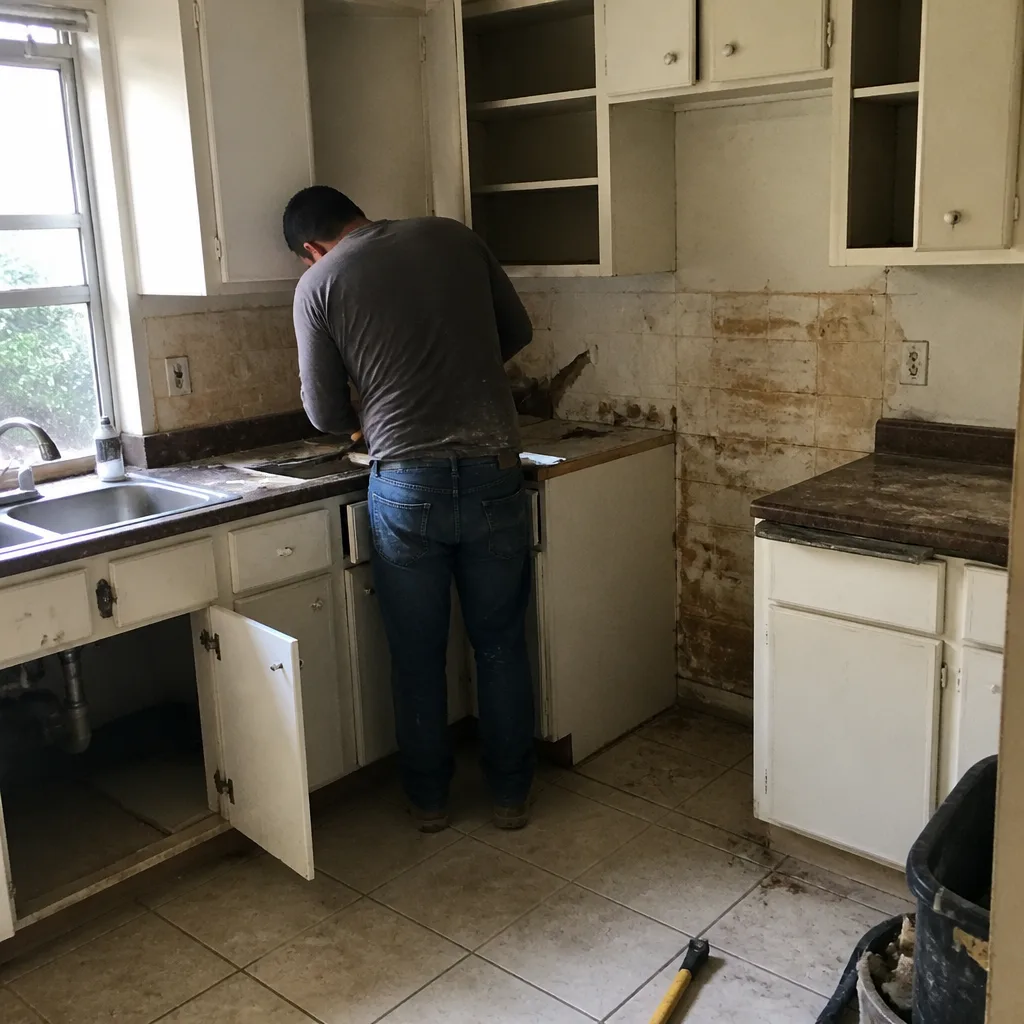 Before
 After
 Before
 After
When to Call a Professional
Some warning signs are worth asking about yourself. Others mean stop and call someone who does this for a living. If a contractor asks for cash without a written contract, refuses to provide a certificate of insurance, can’t name the products going into your home, or asks for a deposit above Florida’s limits, that’s a stop-and-reassess moment. Beyond that: if your project involves structural changes, a roof replacement in Doral’s high-wind zone, window replacement in a hurricane-rated zone, electrical or plumbing work, or a permit of any kind, involve a licensed, insured contractor with verifiable credentials. Getting it wrong costs more than the job.
Barrett & Sons Construction Doral offers free estimates in Doral – call (833) 734-5128. We bring a written scope, a written change-order process, and a 90-Day Done Right Promise on every eligible job.
Frequently Asked Questions
Ask directly – in writing – whether the licensed contractor’s own crew will be on site, and require written approval before any subcontractor is assigned to your job. Florida law doesn’t require the license-holder to be present, so the contract is your only protection. A contractor who won’t agree to a subcontractor-approval clause is telling you something.
Under Florida law, deposits should stay at or under 10% on jobs under $10,000 and 30% on larger jobs, tied to a written milestone schedule. Anything above those limits, or a request for a single lump-sum check on day one, is a warning sign. Call (833) 734-5128 for a written quote with a clear payment schedule.
Ask for a certificate of insurance for both general liability and workers’ comp, call the insurer to verify it’s current, and ask specifically whether subs are covered under the policy or carry their own. If a sub isn’t covered, an injury on your property can become your liability. Get this in writing before work starts.
A bid 20-30% below others usually signals the contractor plans to cut specific corners: cheap or non-rated windows, missing permits, uninsured labor, undersized materials, or understated finish allowances. Ask for the exact product names and the permit line item. If they can’t give you both, the number isn’t real.
No – legitimate discoveries happen on older Doral homes, especially hidden water damage and outdated wiring. The warning sign is how the change order arrives: vague, urgent, and unphotographed. A written, itemized, photographed change order signed before work proceeds is the standard. Verbal approvals are a red flag.
Use the Florida DBPR license lookup online, then verify the company’s qualifier is a real person or entity behind the name on your contract. Match the license number to the business name and address, not just the phone number. Five minutes now saves months of headaches later.
The Bottom Line
The professional-looking contractor is the one who takes your money most cleanly in Doral – because they know exactly how to look safe. Three tools close the gap: a contract clause that requires the licensed contractor’s own crew on site and in writing, a written change-order process before any added work, and a deposit structure within Florida’s limits. Verify the license, verify the insurance, and verify the products. If those checks come back clean, you’ve filtered out most of the risk. If the contractor won’t give you any of them, you’ve filtered out the contractor – which is the point.
Barrett & Sons Construction Doral brings a written scope, written allowances, written change orders, and a 90-Day Done Right Promise on every eligible job. No surprise invoices at the end. Every permit pulled, every inspection signed, every subs’ insurance verified before work begins. Call (833) 734-5128 to schedule your free estimate – a live person answers the phone.
Written by the team at Barrett & Sons Construction Doral.