Last updated November 17, 2026
Free written scope consultation - allowances, timeline, and change-order rules on paper before a single trade is scheduled
The Complete Fence Installation Guide for Doral Homeowners
Miami-Dade County has some of the most specific residential fence wind-load requirements in the country. A fence that’s code-legal in Broward can fail inspection here, and a contractor who doesn’t know that difference is a problem you’ll pay for twice: once to install it wrong, and again to tear it out. Doral adds a second layer most guides ignore. Our master-planned communities carry deed restrictions that dictate height, material, and even color, and our ground sits on a high water table that punishes shallow post holes. This guide covers what actually matters for fence installation in Doral, from HVHZ specs to HOA approval to what a no-permit fence costs you at closing.
Quick Answer
A fence in Doral must satisfy three separate sets of rules at once: Miami-Dade’s High Velocity Hurricane Zone wind-load standards for material and post spacing, your community’s HOA deed restrictions on height, material, and color, and the county’s residential fence permit requirement. Get all three right and a fence lasts decades in this climate. Skip any one of them and you’re looking at a failed inspection, a forced removal, or a problem that surfaces when you try to sell.
Styles & brands we work with
- Kitchen remodeling
- Bathroom remodeling
- Home additions & ADU
- Roofing
- Windows & doors
- Driveway & pavers
- Fence
Table of Contents
- What Miami-Dade’s HVHZ Requirements Mean for Your Fence
- HOA Rules Across Doral’s Master-Planned Communities
- Post-Hole Depth and Footing in South Florida’s Water Table
- Material Comparison for Doral’s Climate
- Permits, Inspections, and What a No-Permit Fence Costs You
- The Fence Installation Process, Start to Finish
- Common Mistakes to Avoid
- Frequently Asked Questions
What Miami-Dade’s HVHZ Requirements Mean for Your Fence
Miami-Dade sits inside the High Velocity Hurricane Zone, which is a formal designation in the Florida Building Code, not a marketing phrase. It means every permitted exterior structure, fences included, has to be engineered or specified to resist a defined wind load. For fencing, that translates into three practical rules: post spacing, embedment depth, and product approval. Panels spaced too far apart catch wind like a sail. Posts set too shallow pull out of saturated ground in a named storm. And materials without a Miami-Dade Notice of Acceptance (NOA) may not pass inspection no matter how solid the install looks.
The good news is that meeting HVHZ doesn’t require gold-plated construction. Standard 6-foot residential fencing with properly sized posts, correct spacing, and approved materials clears the bar routinely. Over-engineering is where budgets get blown. We’ve seen quotes in Doral inflated for “hurricane-grade” upgrades that amount to the same approved spec written in scarier language.
What qualifies, in general terms:
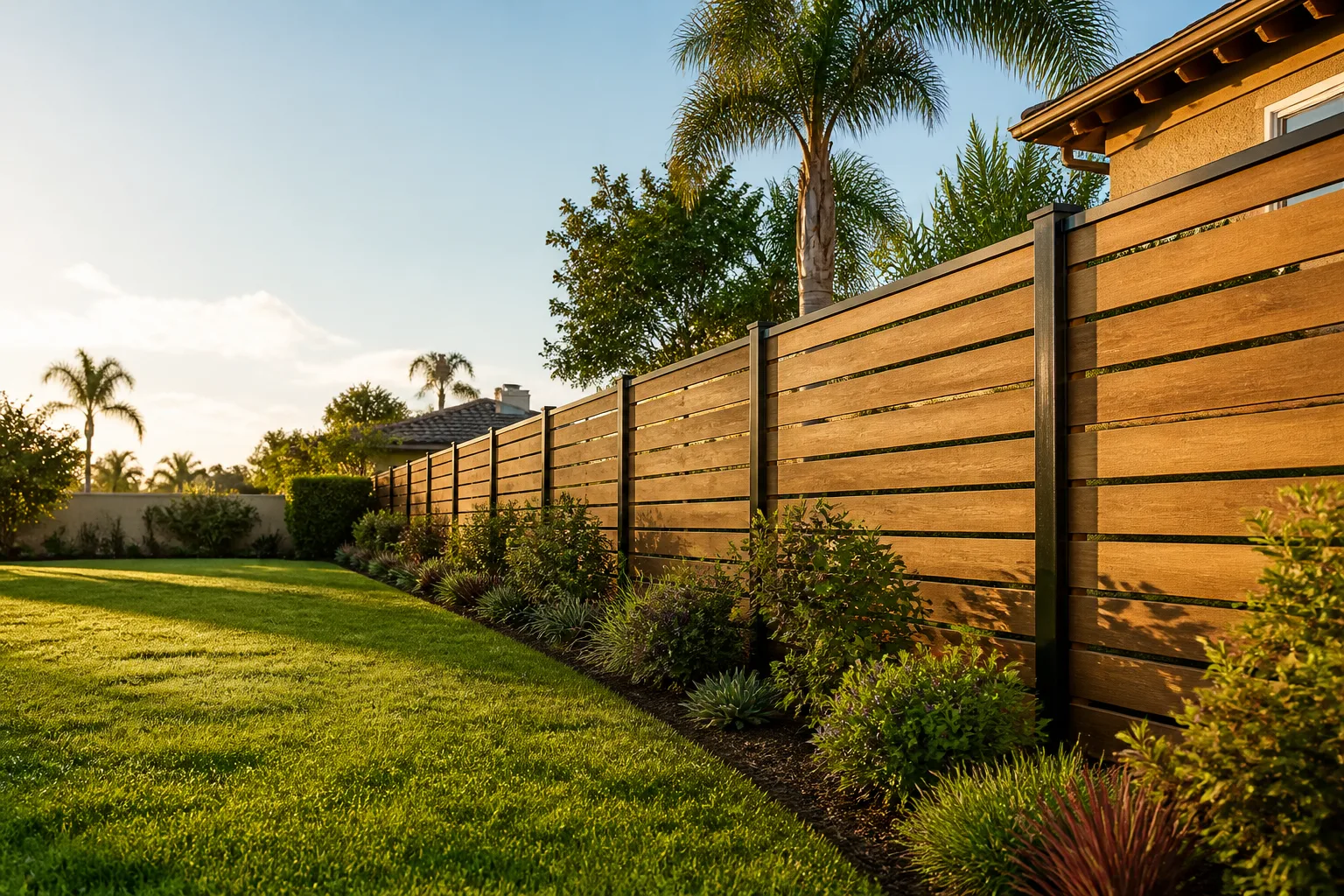
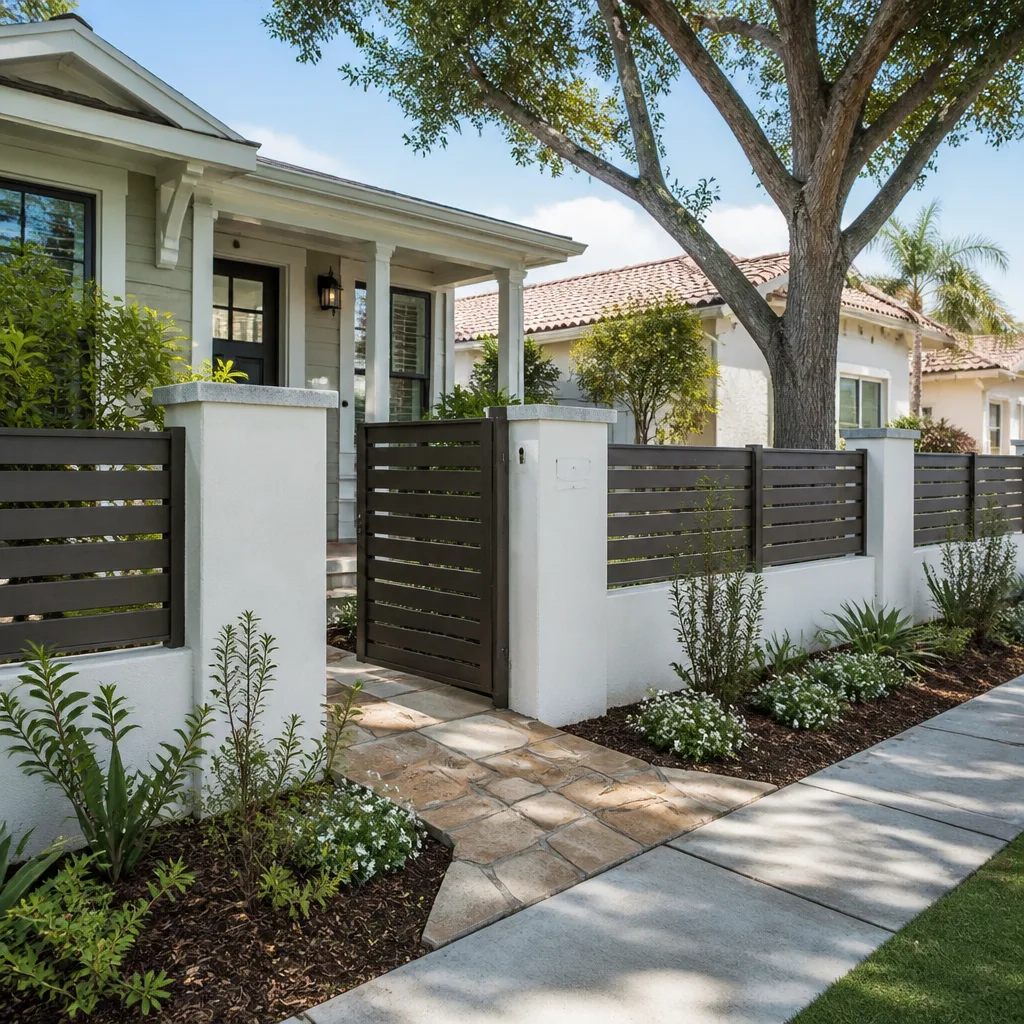
- Aluminum: Open-picket aluminum designed for HVHZ use, typically installed at standard residential post spacing, is the most forgiving option for wind load because it lets air pass through.
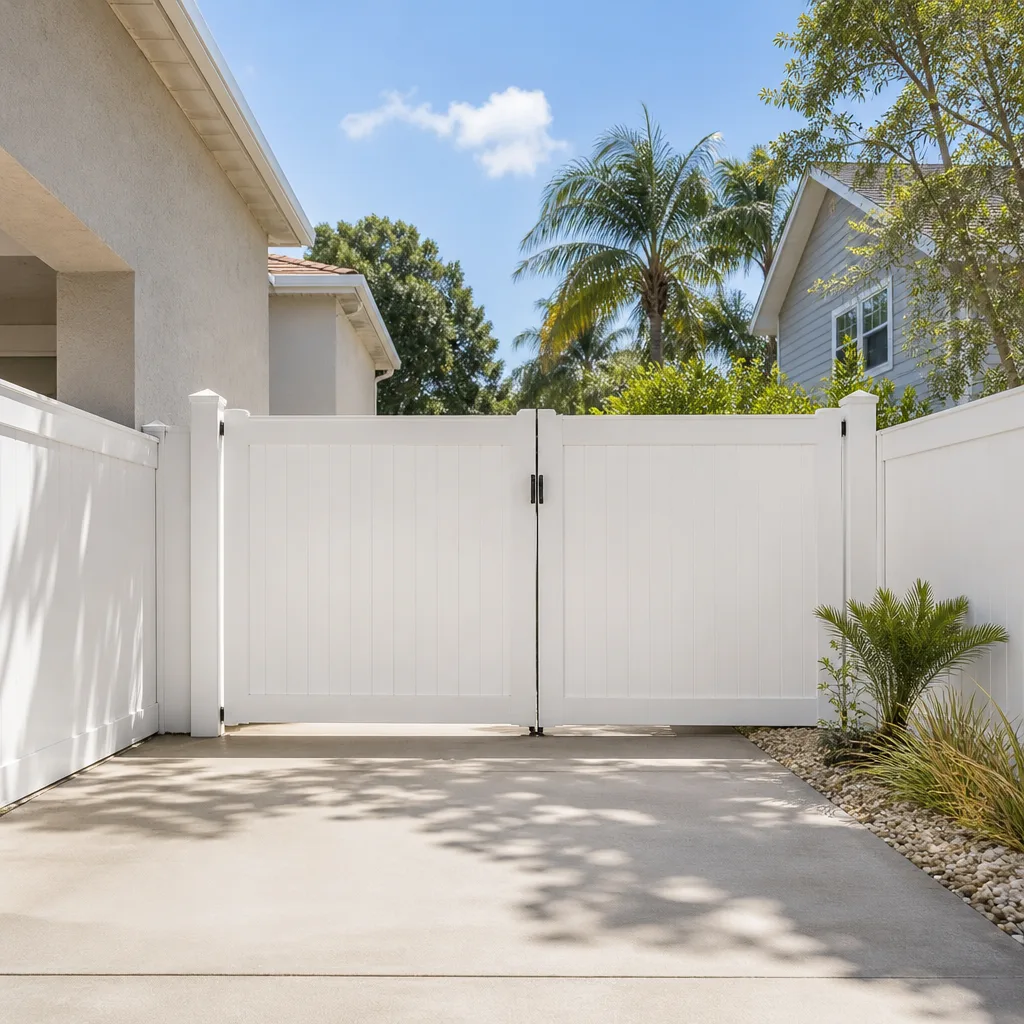
- Vinyl: Approved vinyl systems with reinforced posts and tighter panel attachment can work, but the manufacturer’s approval matters. Not every vinyl product is rated for this zone.
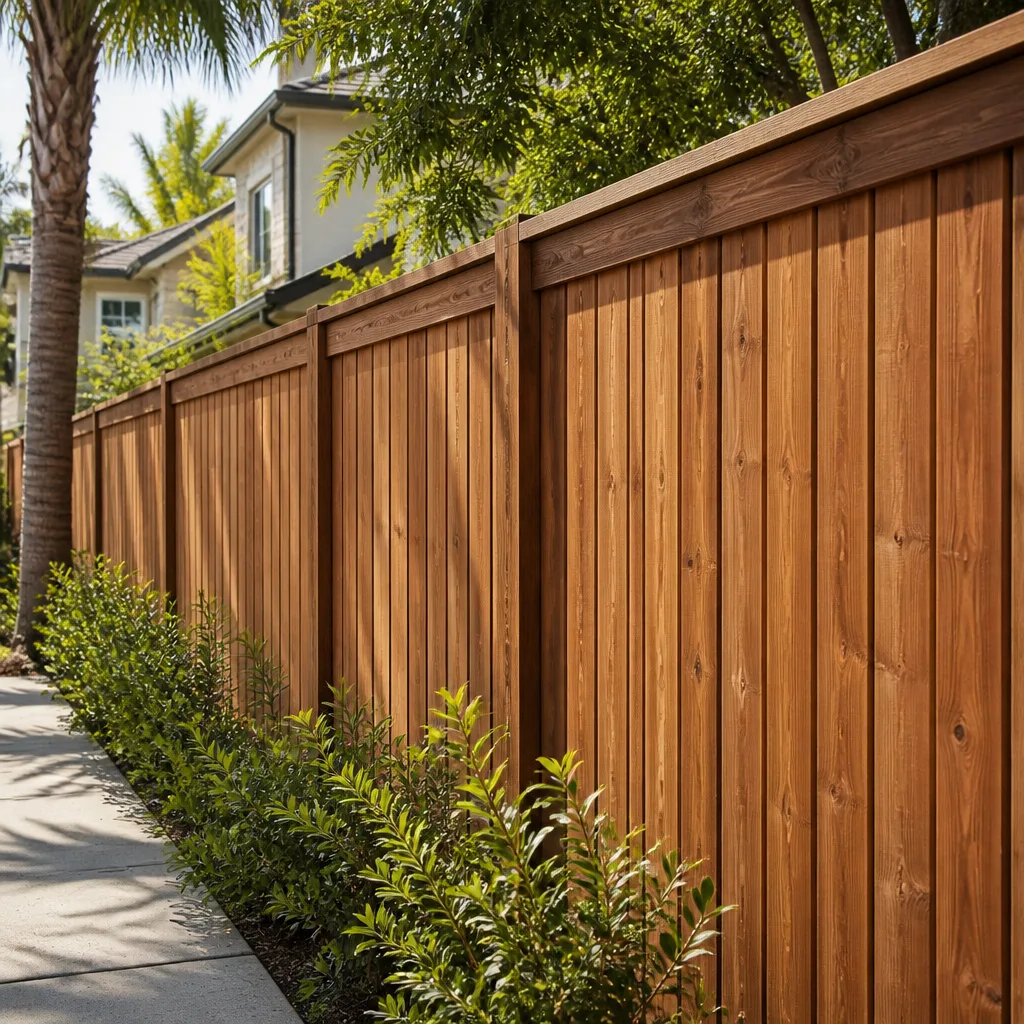
- Wood: Wood fencing can pass with the right post embedment and bracing, but it requires more inspection attention and ages faster in this climate.
- CBS block and stucco: A masonry wall is the most wind-resistant option and the most expensive, and it’s treated more like a structure than a fence for permitting purposes.
On any permitted job, the inspector checks spacing, embedment, and product documentation. The permit inspector works for you, not for us, and we pull permits on every eligible job. That’s how we prefer it. Learn more about our Fence Installation in Doral service if you want the short version of all of this.
HOA Rules Across Doral’s Master-Planned Communities
Doral is largely built out through planned communities, and those deed restrictions often run stricter than the county code. A fence that passes county inspection can still draw an HOA violation letter, and the HOA has no obligation to be reasonable about it. The rules typically fall into three buckets: height by yard zone, material restrictions, and color approval.
Height by yard zone. Most Doral communities cap a rear-yard privacy fence at 6 feet and a front or street-facing fence at 4 feet, measured above finished grade. Side-yard transitions between the two sometimes have their own rule. Measuring from grade, not from the top of a footing, matters more than homeowners expect.
Material restrictions. Many communities require a specific look: aluminum for street-facing sections, vinyl or masonry for privacy runs. Chain link is frequently banned outright in front yards and sometimes everywhere. Wood privacy fencing is permitted in some communities and prohibited in others, so this is where assumption gets expensive.
Color approval. Even when the material is allowed, the color often requires an architectural review committee sign-off. Tan, bronze, black, and white are the usual approved palettes. A dark green vinyl fence that looked great in the showroom may not be on the approved list.
Before a single post goes in the ground, request your community’s architectural guidelines and the committee’s approval form. Keep the written approval. When you sell, and in any dispute with a future board, that document is worth more than the fence itself.
Post-Hole Depth and Footing in South Florida’s Water Table
This is the part of a Doral fence project that most guides skip. South Florida’s water table sits high, and in flat, low-lying parts of Doral and nearby areas it can climb to within a couple of feet of the surface during the wet season. A post hole dug in March can be sitting in groundwater by September. That changes everything about how a fence is anchored.
The standard requirement is a post hole roughly three times the post width in diameter, set well below grade, with concrete mix that’s specified for wet conditions and cured properly. But “well below grade” is where local judgment enters. A post hole that’s deep enough for the soil on paper may be sitting in a pool of water if the hole fills before the concrete goes in. We’ve seen posts pulled out of the ground a season after installation because the footing was set in standing water, the mix stayed soupy, and it never cured to strength.
In our experience the practical checklist looks like this:
- Dig during dry-season windows when the water table is lowest and the ground is firmest.
- Check for water in each hole before setting the post. If it’s pooling, pump it out or switch to a mix designed for wet conditions.
- Use the right footing mix, not whatever’s on the shelf. Wet-set concrete and standard bagged mix behave differently in saturated ground.
- Brace every post until the footing has fully cured, and don’t let anyone lean on a panel before it’s set.
- Inspect the footer crowns so drainage runs away from the posts, not toward them.
Get this part right and a fence stands for twenty years. Get it sloppy and you’ll be re-setting posts in year three.
Material Comparison for Doral’s Climate
Doral’s heat, humidity, and salt-laden air push every material in different ways. There’s no single best choice, only the best choice for what you want the fence to do and what you’re willing to spend and maintain over the years. Here’s the honest comparison.
- Aluminum: The lowest-maintenance option in this climate. Rust-proof, wind-forgiving because air passes through, no repainting, and no water absorption. Expect roughly $40 to $70 per linear foot installed for a standard residential spec. The trade-off is less privacy than a solid fence and less impact sound protection.
- Vinyl: Popular for privacy, clean lines, and no painting. In Doral’s heat, quality matters: cheap vinyl gets brittle and fades or cracks after a few seasons, while a UV-stabilized product with reinforced posts holds up far better. Roughly $35 to $60 per linear foot installed.
- CBS block and stucco: The most durable and the most private. Masonry walls shrug off hurricanes, block noise, and age gracefully with paint or stucco maintenance. They’re also the most expensive, often $80 to $150 per linear foot or more, and the permitting is heavier because it’s treated as a structure.
- Wood: The classic privacy fence, with the shortest lifespan in this climate. Wood absorbs moisture, warps, and attracts termites in South Florida’s environment. It needs sealing or painting every couple of years. Roughly $30 to $55 per linear foot installed, but the maintenance line item never stops.
If durability and low upkeep drive the decision, aluminum wins. If privacy and permanence drive it, masonry wins. Vinyl is a reasonable middle where it’s approved, and wood makes sense when HOA rules and budget both point there and you accept the maintenance.
Permits, Inspections, and What a No-Permit Fence Costs You
Miami-Dade County requires a permit for most residential fence installation, and Doral follows the county process. A fence over a certain height, a masonry wall, or any fence along a property line typically needs the full permitting route. The last contractor most homeowners used told them permits were optional. That advice is free and it is expensive.
Here’s what an unpermitted fence costs you:
- At sale, an open permit or unpermitted improvement can hold up closing. Buyers, lenders, and title companies ask. If the fence isn’t on record and doesn’t match code, you may be asked to remove it or pay to correct it before the deal closes. That’s often far more than the permit ever would have cost.
- Inspections become someone else’s problem. If the fence needs an inspection and the original installer didn’t arrange one, you inherit the paperwork.
- Neighbor disputes get harder. A permitted fence with survey documentation answers questions about property lines and setbacks that an unpermitted one can’t.
We pull permits and sign inspections on every eligible Doral job because the cost of doing it right is small next to the cost of the problem at sale. When you’re comparing fence quotes in Doral, ask directly: is the permit included, and who signs the inspection?
The Fence Installation Process, Start to Finish
Fence installation in Doral follows a sequence, and the sequence matters. Rushing any step is how fences end up crooked or fail inspection. Here’s the process, roughly as it runs on a typical residential job.
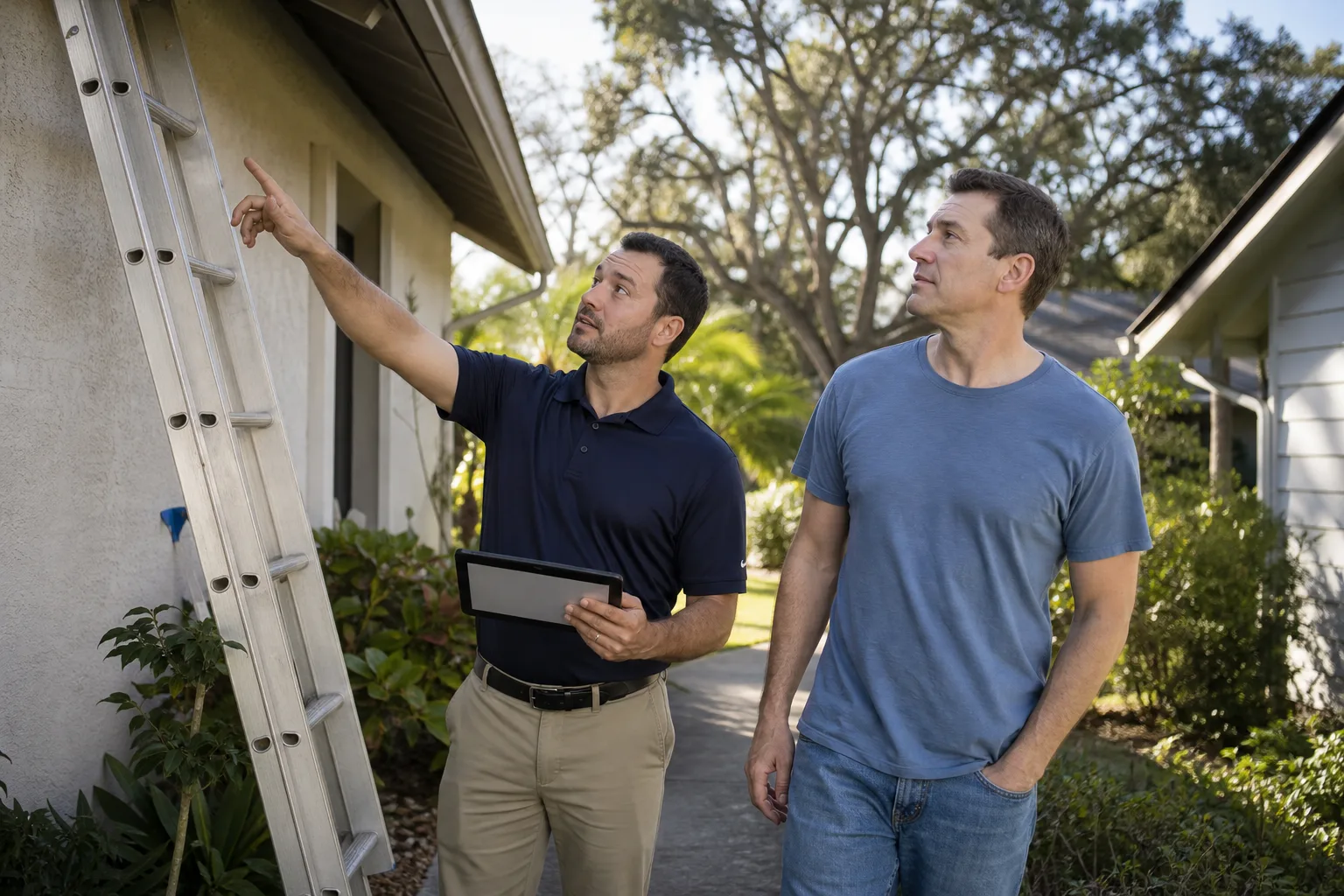
- Site visit and scope. We walk the property, confirm the property lines against the survey, review HOA guidelines, and put the scope in writing before anything is ordered.
- HOA approval. Submit the application with material samples or photos and the exact color. Wait for written approval.
- Permit application. File with Miami-Dade County, submit the product documentation, and wait for issuance.
- Utility locates. Call 811 and mark irrigation, water, gas, and electrical lines. Free, and it prevents very expensive mistakes.
- Layout and digging. Set post locations, confirm spacing, and dig to the required depth. Check each hole for standing water before setting posts. This is the step where local knowledge shows.
- Setting posts and footings. Set the posts, pour the footings, and brace until cured. Nothing loads the posts until the concrete is ready.
- Panels, rails, gates, and finish. Install panels and rails, hang gates on proper hardware, cap or stain per spec.
- Inspection and walkthrough. Sign off with the county inspector, walk the job with you, and correct anything before we call it done.
Most residential installations run several days to a week of on-site work once permits and approvals are in hand. The approval timeline is usually the long pole. If your project overlaps with other exterior work, our Driveway & Pavers in Doral team can often coordinate timing so everything wraps together.
Common Mistakes to Avoid
- Skipping the HOA application. A fence installed without committee approval can be ordered removed even if it’s perfectly built. Submit the paperwork first, and keep the written approval.
- Using any concrete mix on a wet hole. In Doral’s saturated ground, choosing the wrong mix means a footing that never cures to strength. Check the hole and use the right mix.
- Not pulling the permit. Unpermitted fences cause trouble at sale and during inspections. The permit is not the place to save money.
- Comparing quotes without the same scope. One quote might include the permit, footings below grade, and an approved product; another might not. Compare line items, in writing.
- Assuming a “hurricane-rated” claim means approved. Ask for the Miami-Dade product approval and the actual post spacing, not a sticker on a brochure.
- Setting posts before utility locates. Irrigation and gas lines run under yards here, and a post hole dug blind is a hit waiting to happen.
- Choosing a material your HOA will reject. Check the approved material and color list before you fall in love with a style.
See the difference
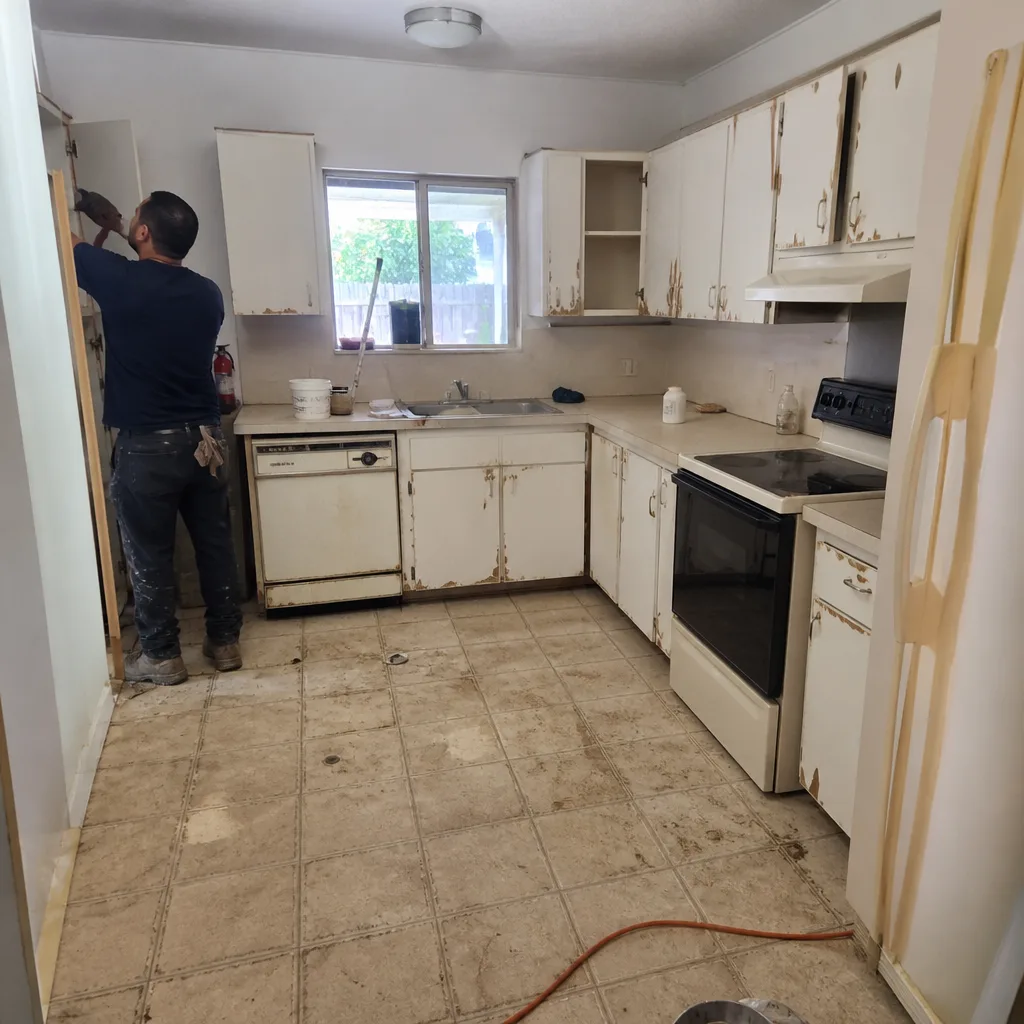 Before
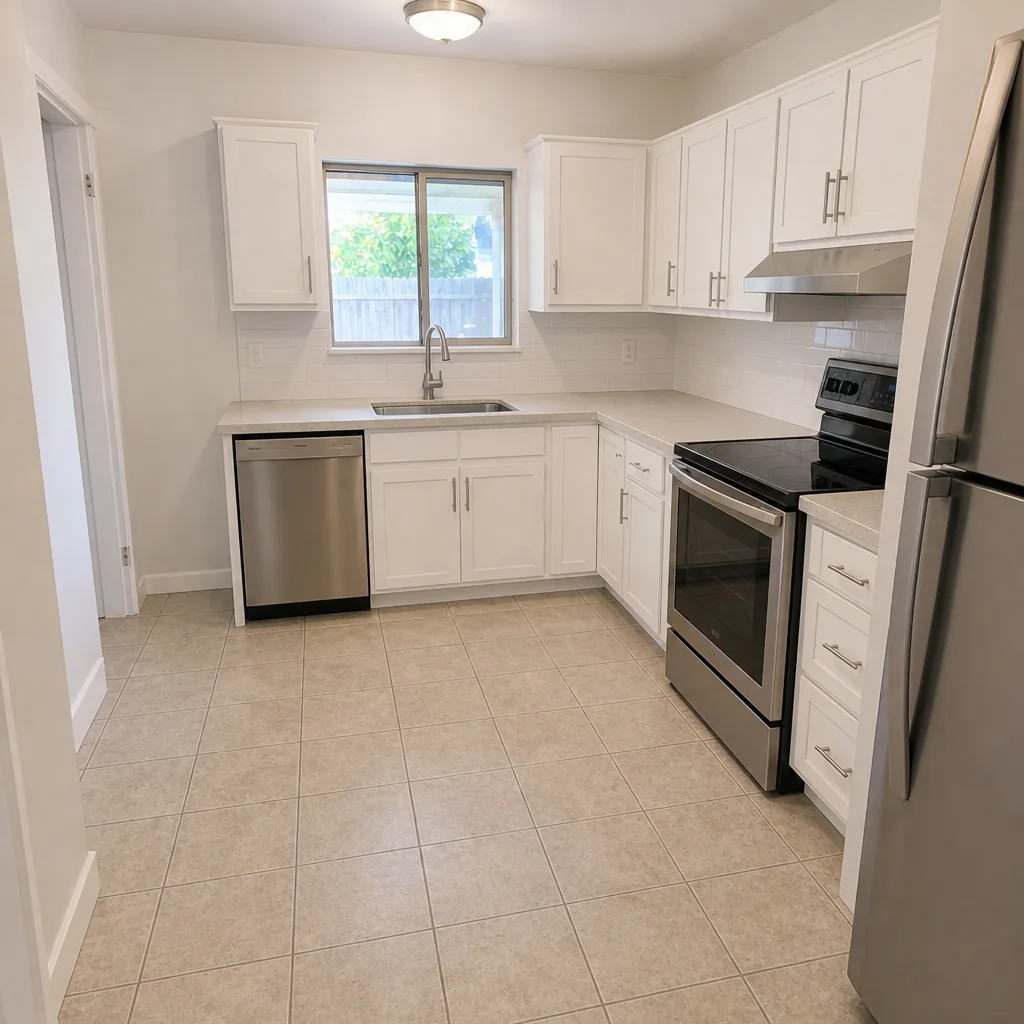 After
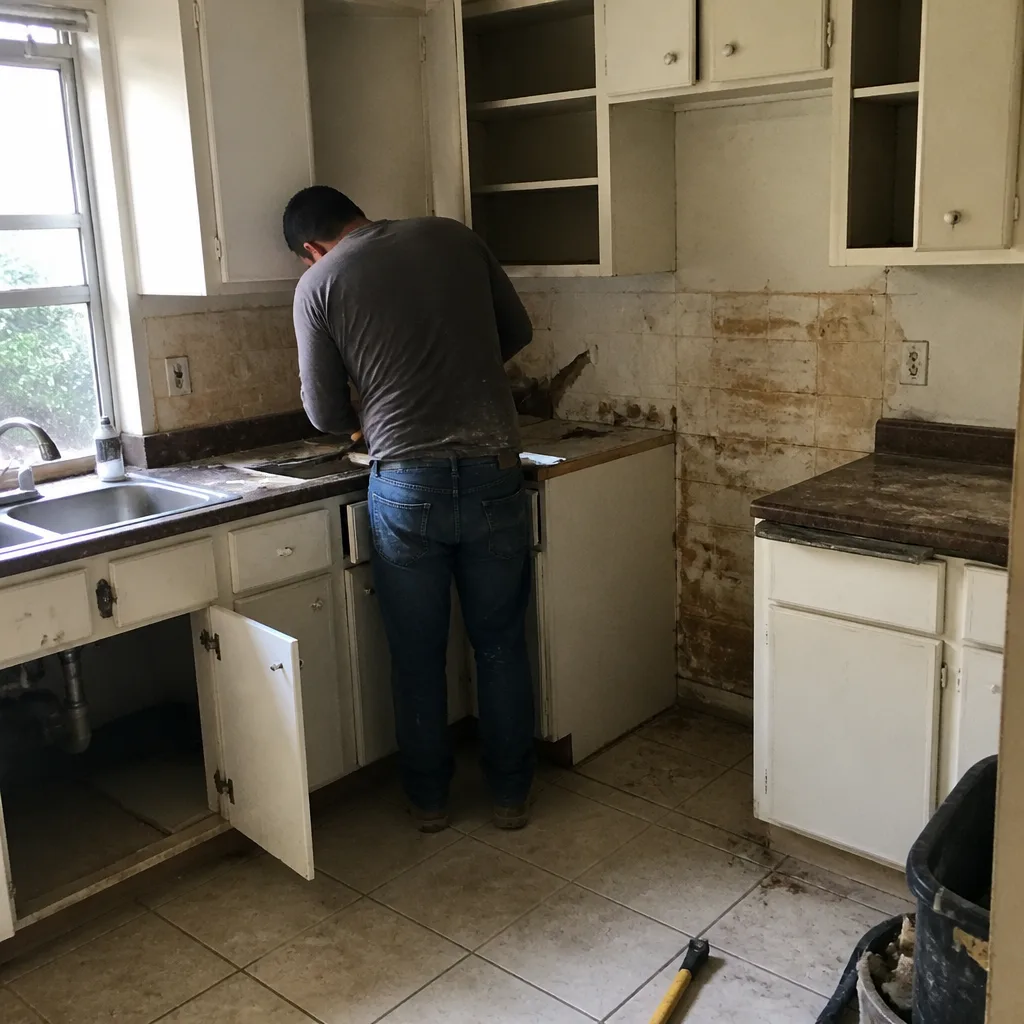 Before
 After
 Before
 After
When to Call a Professional
Fence installation in Doral is one of those projects that feels DIY-friendly until you hit the permitting and HVHZ requirements. Call a professional when the fence touches a property line, when it’s over the standard residential height, when it’s a masonry wall, when you’re inside a community with architectural review, or when the fence is being engineered to resist hurricane wind loads. Those situations involve documents, inspections, and product approvals that a homeowner can’t reasonably navigate alone, and a mistake here is expensive to undo.
Barrett & Sons Construction Doral offers free estimates in Doral, and every estimate comes as a written line-item quote. If you’ve already got a bid from someone else, our free second-opinion offer applies. Call (833) 734-5128 to schedule a free estimate, and we’ll walk the property and put the scope in writing.
Frequently Asked Questions
Yes, in most cases. Miami-Dade County requires a permit for residential fence installation, and Doral follows that process. Masonry walls, taller fences, and any fence along a property line need the full route with plan review and inspection. Installing without one creates problems at sale and during inspection, and it’s not worth the money it saves. Call (833) 734-5128 and we’ll tell you exactly what your project needs.
Most Doral master-planned communities cap a backyard privacy fence at 6 feet and a front or street-facing fence at 4 feet, measured above finished grade. Individual communities vary, and side-yard transitions sometimes have their own rule. The HOA height limit is often stricter than the county code, so always check the deed restrictions first. If you’re not sure which rule applies to your lot, call (833) 734-5128 for a free estimate and we’ll confirm before anything gets built.
Aluminum holds up best with the least maintenance, because it doesn’t rust, absorb water, or need repainting, and it sheds wind load well. Masonry block is the most durable and most private, but it’s the most expensive. Vinyl is a good middle option when a quality product is approved and installed correctly. Wood is the shortest-lived in this climate. Call (833) 734-5128 to talk through which material suits your HOA and budget.
Post holes should run roughly three times the post width in diameter and set well below grade, using a concrete mix designed for wet conditions. Doral’s high water table can put groundwater in a post hole during the wet season, and the footing mix matters more here than in drier climates. The right depth is a judgment call on each job, and that’s why we check every hole before setting the post. Call (833) 734-5128 for a free estimate.
An unpermitted fence can hold up closing. Buyers, lenders, and title companies ask about improvements, and if the fence isn’t on record or doesn’t match code, you may be required to remove it or pay to bring it into compliance before the sale goes through. The correction almost always costs more than the permit would have. Call (833) 734-5128 and we’ll help you sort out what your project needs.
Most residential fencing in Doral runs roughly $30 to $70 per linear foot installed for aluminum, wood, or vinyl, and masonry walls run higher depending on height and finish. The final number depends on the material, the length of the run, gate count, and whether footings need to go deeper for the water table. We put every price in writing, and every change order comes in writing before the work happens. Call (833) 734-5128 for an exact written quote; estimates are free.
The Bottom Line
Fence installation in Doral is a three-layer job: Miami-Dade HVHZ requirements, HOA deed restrictions, and South Florida’s high water table. Nail all three and you get a fence that passes inspection, satisfies the community, and stands for decades. Skip any of them and it becomes a sale-day problem. The material choice matters, but not as much as the install and the paperwork behind it. Barrett & Sons has been building in local communities since 1998, and Tom Barrett’s sons run the crews. Every eligible Doral job gets its permit pulled and its inspection signed. Every price change is a written change order before the work happens. Every job carries the 90-Day Done Right Promise. If a fence doesn’t pass, we come back and make it right. Related work we handle includes Home Additions & ADU in Doral and the full range of services on our Barrett & Sons Construction Doral home page.
Ready to price your project? Call (833) 734-5128 to schedule a free estimate. We answer the phone with a live person, day or night. Ask about our standing offers: $40 off any repair over $200, free second opinion on any written estimate, no trip charge inside the county, and our permanent 10% Senior & Veteran discount.
Written by the team at Barrett & Sons Construction Doral.