Last updated November 17, 2026


Free written scope consultation - allowances, timeline, and change-order rules on paper before a single trade is scheduled
Fence Installation Maintenance Schedule: What to Do and When
The wet season doesn’t damage your fence. It reveals the damage that started accumulating in the dry season. That’s the counterintuitive part most Doral homeowners learn the hard way: by the time the June rains arrive, a fastener that loosened in March has already begun rusting from the inside, and a hairline footing crack from February has had four dry months to widen. Your most important inspection happens in April, before a drop of rain falls. This guide maps every fence maintenance task to Doral’s actual calendar, so $40 of upkeep prevents the $4,000 repair we get called out to fix every autumn.
Quick Answer
Fence maintenance in Doral follows a two-season cycle, not a generic “inspect annually” rule. Your critical inspection window is April, before the wet season, when you tighten fasteners, seal wood, and check footings in dry conditions. The second window is November, after hurricane season, when you check for fastener pullout, footing crack propagation, and hidden lean in HVHZ-rated fences. Everything else (hardware lubrication, vegetation control, UV protectant) is quarterly.
Styles & brands we work with
- Kitchen remodeling
- Bathroom remodeling
- Home additions & ADU
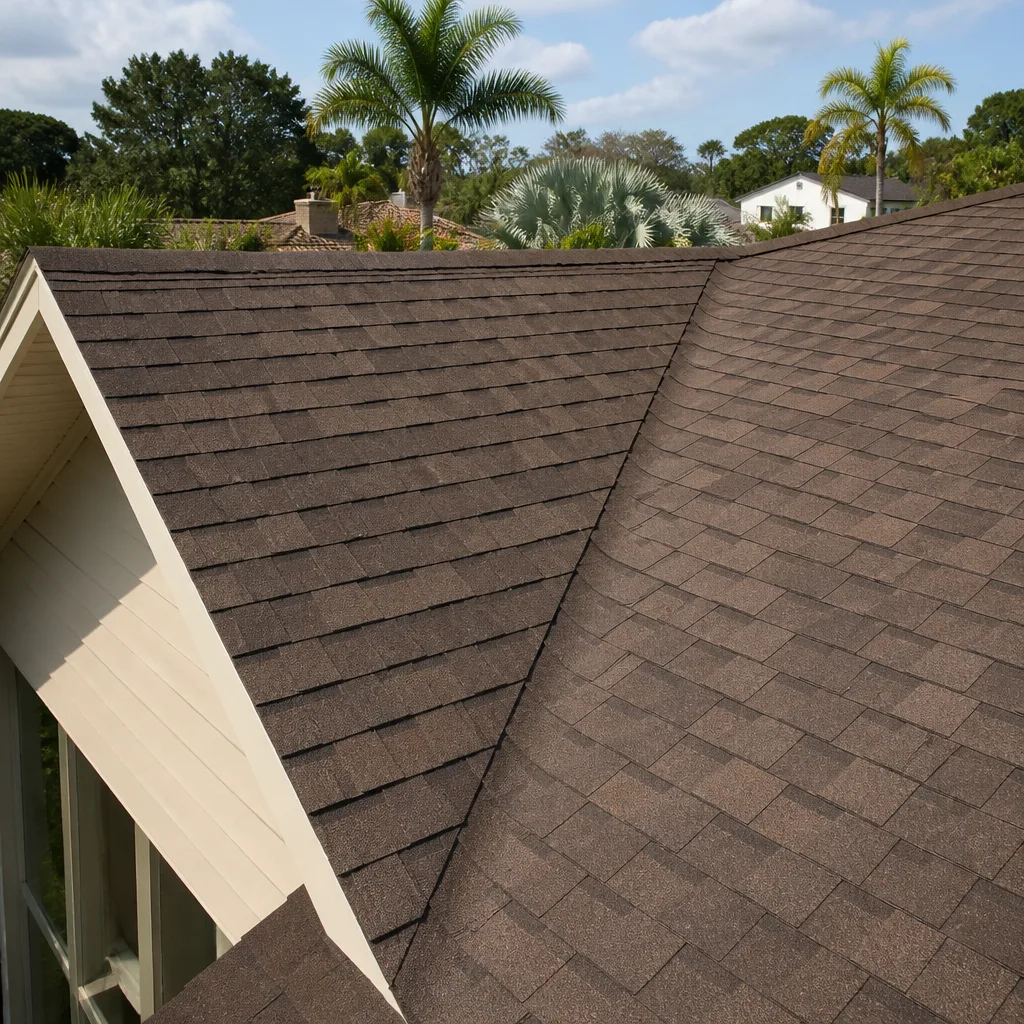
- Roofing
- Windows & doors
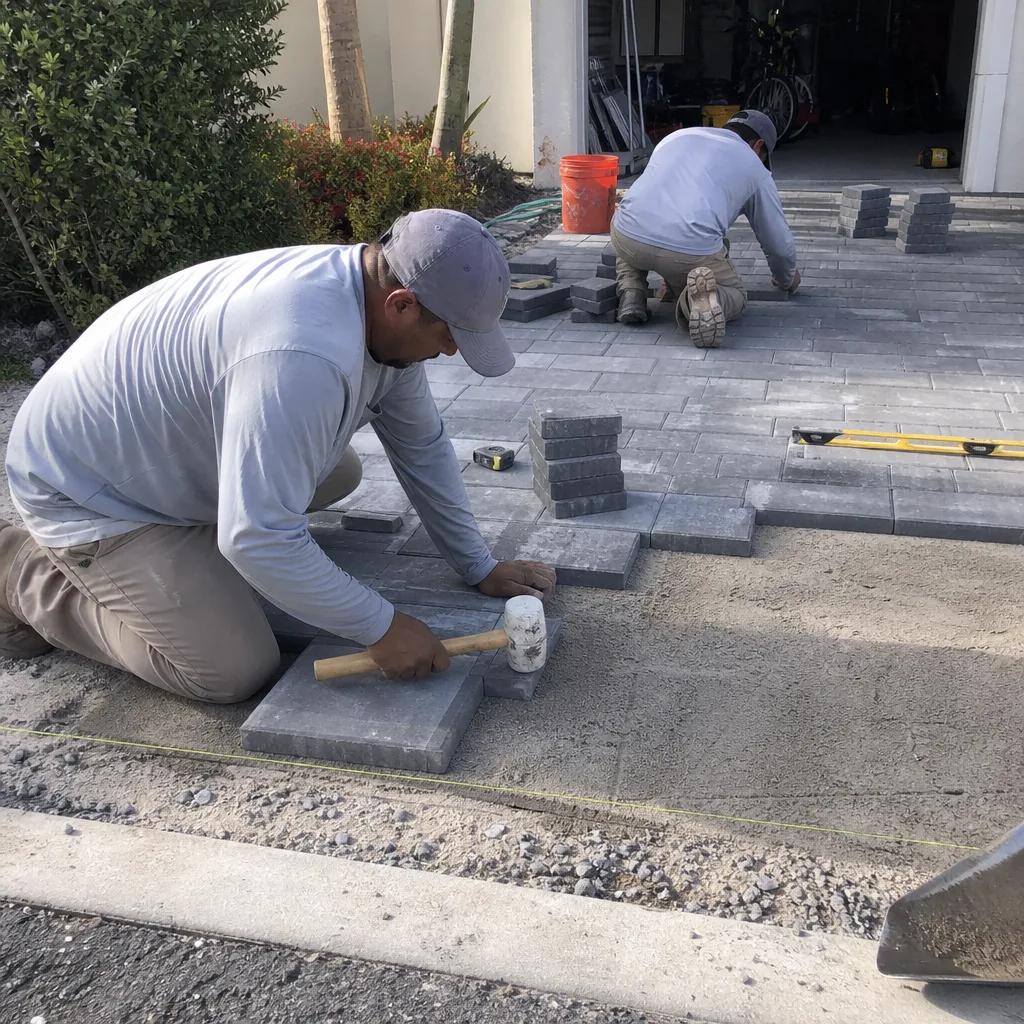
- Driveway & pavers
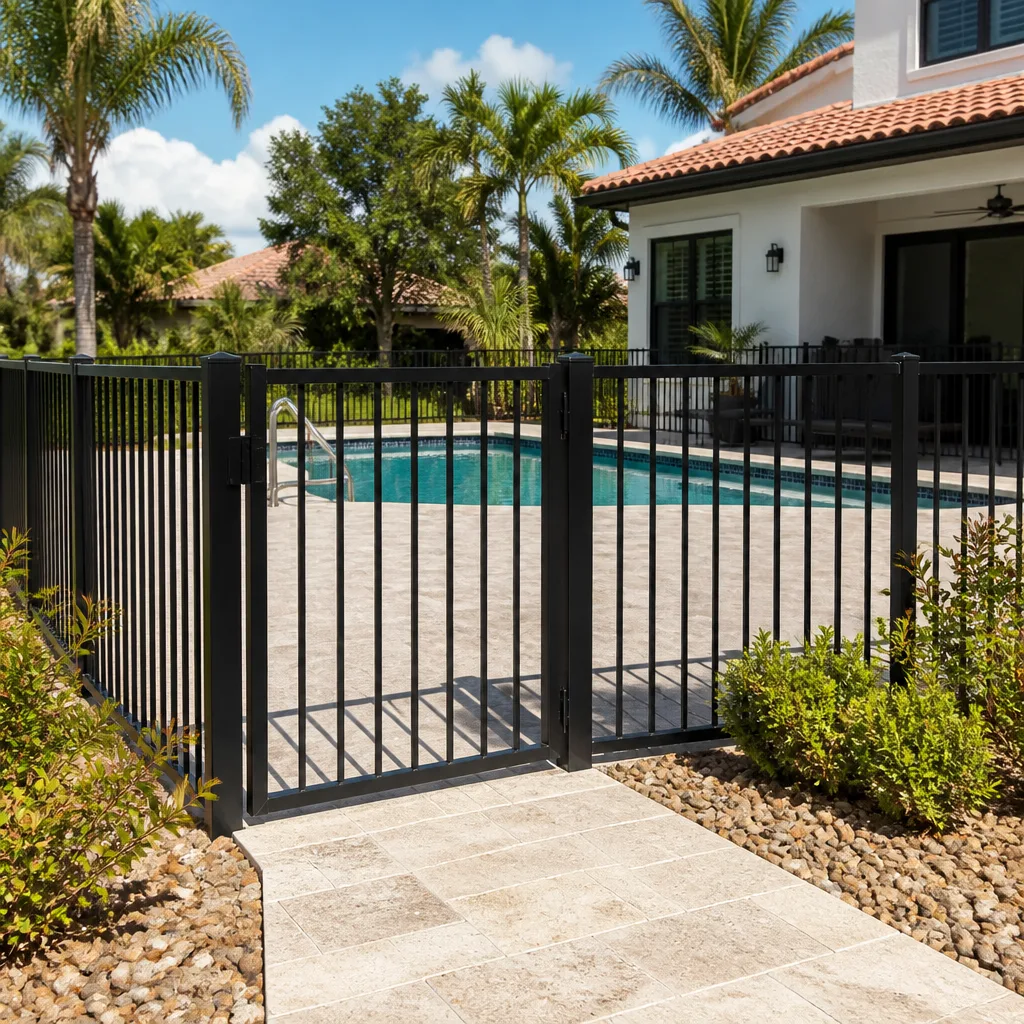
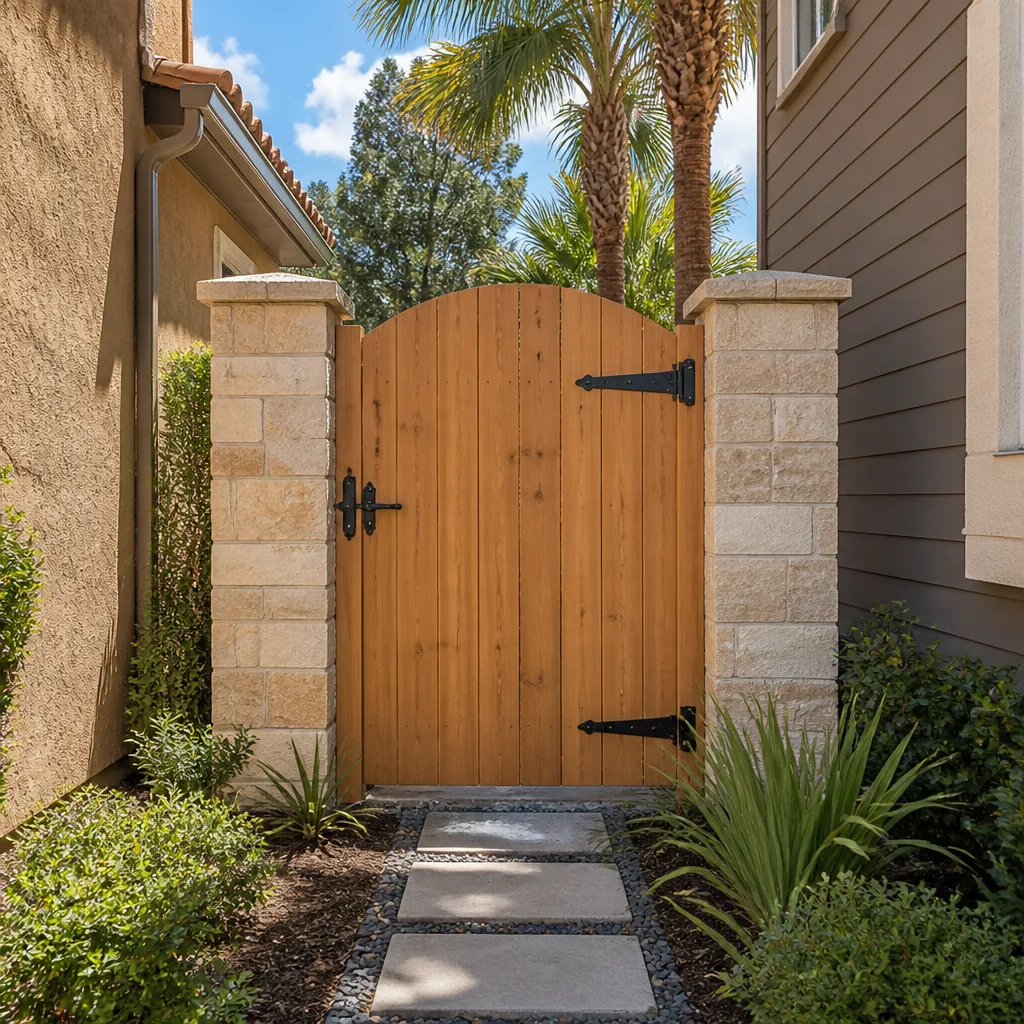
- Fence
Table of Contents
- Why Doral Ages Fences on a Compressed Timeline
- The April Pre-Wet-Season Inspection Checklist
- The November Post-Hurricane-Season Inspection
- Material-Specific Maintenance by Fence Type
- Vegetation Management: When Trimming Becomes Fence-Saving
- Gate Hardware: Lubrication and Replacement in Salt Air
- Common Mistakes to Avoid
- When to Call a Professional
Why Doral Ages Fences on a Compressed Timeline
A wood fence in Ohio might last 15 years with a stain every three. In Doral, the same fence on the same schedule is lucky to see 10. Three forces stack against it here, and none of them show up on a national maintenance calendar.
The first is UV load. South Florida sits closer to the equator than almost anywhere in the continental U.S., and Doral’s clear winter days deliver intense, unfiltered sun for six months. Vinyl chalks and yellows. Wood grain opens. Aluminum powder-coat fades and oxidizes. The second is salt air. Homes in the eastern sections of Doral, closer to the coastal influence, see measurable chloride deposition on exposed metal, which attacks gate hinges, latch mechanisms, and fastener heads long before the fence body shows wear. The third is moisture cycling. Doral swings between a bone-dry winter and a 40-plus-inch wet season, and wood, concrete, and steel all expand and contract at different rates. That cycling is what opens footing cracks and backs out lag screws.
We’ve seen this pattern repeat across neighborhoods like Downtown Doral, Doral Isles, and the residential pockets off NW 87th Avenue. The fences that survive beyond a decade are the ones where the owner treated the April window as a real appointment, not an afterthought. If you’re still deciding on a fence material, our guide to fence installation in Doral covers which materials hold up best under this specific climate before you commit.
Key Takeaways
- Doral’s UV, salt air, and wet-dry cycling compress a fence’s service life by roughly 30% versus national averages.
- April inspection catches damage in dry conditions, when it’s actually visible and fixable.
- November inspection catches what the wet season and storms left behind.
- Quarterly tasks (hardware lubrication, vegetation trimming) are the cheapest insurance you have.
The April Pre-Wet-Season Inspection Checklist
April is the single most important month on the Doral fence calendar. The ground is still relatively dry, wood is at its tightest, and any fastener that has backed out is exposed while you can still reach it. Here is the exact sequence we walk through on our own maintenance rounds. Set aside two hours and work methodically.
- Walk the full line with a screwdriver. Tap every post at the base. A hollow sound means rot has started inside the post, and that post will not survive a wet season. Mark it.
- Check every fastener by hand. Grab lag screws, brackets, and rail connectors. Any that turn freely need to be re-driven, ideally replaced with a slightly larger diameter rather than over-tightened into stripped holes.
- Inspect footings for cracks. Look at the concrete collar around each post. Hairline cracks are normal. Cracks wider than a credit card, or any footing that has lifted or tilted, need attention before rain softens the soil.
- Test the gate swing. Open and close it. A gate that drags in April means a hinge is failing or a post has moved, and both get worse when the wood swells in June.
- Clear the drainage path. Make sure no soil, mulch, or debris is piled against the base of any post. Standing water at the base is the number-one cause of post rot in Doral.
- Photograph everything. A dated photo of each footing and gate is the fastest way to spot propagation six months later.
If you find three or more compromised posts in a single run, the repair math usually favors replacement over patching. That’s the point where it’s worth getting a written estimate rather than chasing a failing fence one post at a time.
The November Post-Hurricane-Season Inspection
By November, Doral has been through a wet season and whatever the Atlantic threw at it. Most homeowners check for the obvious: a leaning panel, a blown-off gate. The damage that actually costs money is quieter. Hurricane-rated (HVHZ) fences are engineered to flex, and that flex hides a specific kind of wear.
Start with fastener pullout. In an HVHZ fence, the connections are designed to give slightly under wind load rather than snap. That means after a storm, a bracket can look fine while its fasteners have backed out a quarter inch. Run a hand along the top rail and look for gap creep; any gap that has opened up since your April photo is a pulled fastener. Second, check footing crack propagation. Compare your April photos to what’s in front of you. A crack that was hairline and is now a visible line has widened, and the next wet season will finish the job. Third, check for hidden lean. Set a level against each post; a post that looks plumb from the street can be out two degrees at the base.
Aluminum and vinyl fences hide a fourth issue: panel separation at the top rail where UV and thermal cycling have worked a connector loose. Every one of these tasks is a fifteen-minute fix in November and a panel replacement if it’s ignored until spring. Our team handles these post-storm inspections as part of routine maintenance calls, and we recommend a written line-item scope so you know exactly what’s being re-secured and why.
Material-Specific Maintenance by Fence Type
Doral’s humidity rewrites the maintenance instructions on the back of the can for every material. Here’s how each one actually behaves here.
Wood (pressure-treated and cedar)
Stain and seal in December or January, not in spring. You want the wood dry and the temperature moderate, and Doral’s dry season is the only reliable stretch for that. In humidity above 70%, a stain film stays tacky for days and traps moisture underneath. Use a penetrating oil-based sealer rather than a heavy film-forming stain; film cracks and peels fast under this UV load. Re-seal every 18 to 24 months, not every three to five years like the label suggests for northern climates.
Vinyl
Vinyl doesn’t rot, but it does chalk and yellow under Doral’s sun. Apply a UV-protectant cleaner made for vinyl fencing once a year, in March before the strong sun sets in. Skip abrasive pads; they scratch the surface and give UV a place to attack. If the vinyl was installed without UV stabilizers, expect visible yellowing within four years on a south- or west-facing run.
Aluminum
Powder-coated aluminum will oxidize at any chip or scratch. Touch up chips with matching touch-up paint in the same month you spot them; a chip left through a wet season becomes a corrosion pit. In salt-influenced eastern Doral, wipe down the rails and posts quarterly with fresh water to remove chloride film before it etches the coating.
Composite
Composite is the low-maintenance option, but “low” isn’t “none.” Wash it twice a year with mild soap and water to remove the mold film that forms on shaded north-facing runs, and check the fasteners annually; composite expands and contracts more than wood, and its hidden clips work loose. Brands like Plant Prefab’s modular site elements and prefab structures from Mighty Buildings use similar composite and aluminum assemblies, and the maintenance logic carries over to those installations too.
Vegetation Management: When Trimming Becomes Fence-Saving
Vegetation is the most overlooked fence killer in Doral, and it moves fast here. Three plants do the most damage, each in a different way, and each has a specific point at which trimming stops being optional and becomes a repair-avoidance task.
- Climbing vines (bougainvillea, trumpet vine, ivy). They trap moisture against the fence face and get under cap rails, holding water long after rain stops. Trim them back six inches from the fence line every quarter. Once a vine has crept under a panel and down into the post, it’s a repair.
- Ficus roots. Ficus roots run shallow and aggressively, and they’ll lift a footing or heave a concrete collar within a few seasons. Keep ficus planted at least four feet from any fence line, and if one is already closer, that’s a professional root-barrier conversation, not a trim.
- Bamboo runners. Bamboo spreads sideways, and a runner can emerge at the base of a post and split a concrete footing as it thickens. Full containment (a barrier or a clumping variety) is the only real fix. Trimming bamboo above ground does nothing to stop the runner.
For vegetation as a design feature rather than a threat, low hedges set back from the fence line look intentional without putting anything at risk. If you’re building or rebuilding a fence and adding landscaping, our driveway and pavers in Doral work often pairs with that planning, since the same drainage and grading decisions affect both.
Gate Hardware: Lubrication and Replacement in Salt Air
In Doral, gate hardware is the part of a fence that wears out first. Salt air is the reason, and the fix depends on what lubricant you use. Here’s the honest breakdown of what holds up and what gums up.
Products that hold up
- Marine-grade silicone grease on hinges and latch pins. It resists washout and doesn’t attract grit.
- Dry PTFE (Teflon) spray on latch mechanisms. It leaves a dry film, so salt-laden dust doesn’t stick.
- Stainless-steel or marine-grade hardware as a replacement on any gate within reach of salt influence. It costs more upfront and pays for itself.
Products that gum up in humidity
- Standard lithium grease on exposed hinges: it holds moisture and dirt and turns into a gritty paste.
- WD-40 (the standard formula) used as a long-term lubricant: it’s a solvent more than a lubricant, and it evaporates and leaves the hinge dry.
- Non-stainless spring hardware: it rusts through in a wet season and seizes the gate.
Our rule for Doral: lubricate hinges and latches every quarter, and replace any gate hinge or latch that has surface rust or won’t hold adjustment. A stuck latch isn’t just an annoyance; it’s a sign the mechanism is failing and the gate is now hanging by the frame. That’s a $30 repair in April or a gate-sag job in June.
Common Mistakes to Avoid
- Staining wood during the wet season. High humidity stops the stain from curing and traps moisture in the grain, which is worse than not staining at all. Wait for December or January.
- Treating the April inspection as a look-over. A visual walk misses backed-out fasteners and lifted footings. You have to tap, grab, and test every connection.
- Over-tightening a loose fastener. A lag screw that has backed out has usually stripped its hole. Over-tightening it and moving on means it backs out again the next storm. Replace it with a wider diameter or re-set it with the correct anchor.
- Ignoring salt-air oxidation on east-side Doral gates. The hardware rusts long before the fence body shows wear. A monthly wipe-down on those gates is the cheapest thing you can do.
- Letting bamboo run for “one more season.” A bamboo runner can heave a footing in a single wet season. Contain it before it reaches the post, not after.
- Assuming HVHZ rating means storm-proof. An HVHZ fence is engineered to flex, and the connections that flex need an annual post-storm check. The rating protects the fence; the maintenance protects the fence from the rating’s own normal wear.
- Patching a fence that’s failing in three or more places. Chasing individual posts is a losing game. Multiple failures in one run point to a systemic footing or base problem worth addressing with a proper replacement scope.
When to Call a Professional
Most fence maintenance is homeowner work. A few things aren’t. Call a crew when you find three or more posts with hollow bases in a single run, because that’s a footing failure, not a fastener problem. Call when a footing has visibly lifted or cracked wide, since re-setting a post in Doral’s soil is a concrete job with real load requirements. Call when an HVHZ fence has a leaning panel, a top rail with gap creep, or hardware that won’t hold adjustment, because the repair has to respect the wind rating. And call when you’re facing a full replacement decision; a written line-item scope will save you from being told the whole fence is shot when only the eastern run needs work.
Barrett & Sons Construction Doral offers free estimates in Doral. Call (833) 734-5128 and a live person answers, any hour. If you’d like to see how we approach the broader property, our home additions and ADU in Doral work is the same crew, same written scope, same standards.
See the difference
 Before
 After
 Before
 After
 Before
 After
Frequently Asked Questions
Twice a year on a set schedule, in April and November, plus quarterly for hardware and vegetation. April is the pre-wet-season inspection while the ground is dry; November is the post-hurricane-season inspection. The national “once a year” advice misses Doral’s two distinct seasonal windows.
Checking and tightening fasteners in April. It’s the cheapest task on the list and the one that prevents the most expensive damage. A backed-out fastener left through a wet season becomes a pulled bracket, then a leaning panel, then a replacement.
Replace the hardware with stainless-steel or marine-grade parts and lubricate quarterly with marine-grade silicone grease or dry PTFE spray. Standard lithium grease and standard WD-40 make the problem worse in Doral’s humidity. Call (833) 734-5128 if you want a written estimate for a hardware and hinge replacement.
No. Stain in the dry season, December through February, when humidity is lower and the wood is dry. Staining in the wet season traps moisture and the film fails fast. Call us for a free second opinion if a contractor tells you off-season staining is fine.
Yes. Vinyl chalks and yellows under UV; aluminum oxidizes at every chip and rusts at the fasteners in salt-influenced sections of eastern Doral. Both need a UV-protectant wash and a quarterly freshwater rinse, just less often than wood needs a stain.
It’ll likely survive the wind and be weaker afterward, because HVHZ fences are engineered to flex, and flex backs out fasteners. The November inspection is what catches that hidden pullout before the next wind event. If a panel is leaning or a rail has gap creep, that’s a professional call, not a DIY tighten.
The Bottom Line
Fence maintenance in Doral isn’t a once-a-year box to check. It’s a two-season schedule keyed to the calendar that actually applies here: April for the pre-wet-season inspection while the ground is dry, November for the post-storm check that catches hidden pullout, and quarterly for hardware and vegetation. Material dictates the specifics – wood stains in winter, vinyl and aluminum get UV and salt care, composite needs its hidden clips checked. Do the cheap tasks on time and you’ll avoid the footing and fastener failures that turn a small fix into a full replacement. When you’re not sure, get a written scope before you decide.
Barrett & Sons Construction Doral has been the owner-operated alternative to national outfits that quote one price and bill another. Every eligible job gets permits pulled and inspections signed, every price change arrives as a written change order before work happens, and every completed job is backed by our 90-Day Done Right Promise. Our crew members have up to 28 years of experience, and we carry premium brands you can look up. Call (833) 734-5128 for a free estimate, and a live person will answer. Want to see how we handle the broader property? Start with Barrett & Sons Construction Doral.
Written by the team at Barrett & Sons Construction Doral.