Last updated November 17, 2026




Free written scope consultation - allowances, timeline, and change-order rules on paper before a single trade is scheduled
Home Additions & ADU Maintenance Schedule: What to Do and When
The flashing seam where a new addition meets the original roofline is the most failure-prone spot on the entire project, and most homeowners never climb up to look at it after move-in day. That single detail explains why additions and accessory dwelling units (ADUs) age differently than the house they’re attached to: an ADU or an addition is a second structure with its own maintenance clock, and the joints, tie-ins, and systems where old meets new wear fastest. This guide lays out what to inspect at 30, 90, and 180 days after closing out construction, then the annual South Florida checks that keep a Doral addition or ADU sound through hurricane season, the rental-law maintenance duties that come with an ADU tenant, and how a simple maintenance log protects you at claim time and resale.
Quick Answer
An addition or ADU needs its own maintenance schedule: inspect the roof tie-in, foundation joint, and interior wall connections at 30, 90, and 180 days after construction, then run annual South Florida checks (hurricane straps, soffit, stucco cracks) before rainy season, service the ADU’s separate HVAC system every quarter in Doral’s humidity, and keep a dated maintenance log for insurance, disclosure, and warranty purposes. Owner-occupied ADUs follow standard homeowner upkeep; a rented ADU adds Florida landlord repair obligations and a 7-day rule for returning a security deposit.
Styles & brands we work with
- Kitchen remodeling
- Bathroom remodeling
- Home additions & ADU
- Roofing
- Windows & doors
- Driveway & pavers
- Fence
Table of Contents
- Why Addition Tie-In Points Fail First
- The 30, 90, and 180-Day Post-Construction Inspections
- Annual South Florida Checks Before Rainy Season
- Roof, Flashing, and the Seam You Never Look At
- The ADU’s Separate HVAC System: Filter and Drain Pan Schedule
- ADU Rental Maintenance: Florida Landlord Law vs. Owner-Occupied Standards
- Keeping a Maintenance Log: Insurance, Disclosure, and Warranty
- Common Mistakes to Avoid
Why Addition Tie-In Points Fail First
An addition doesn’t fail at the middle of the new roof. It fails where the new roof meets the old one, where the new slab meets the original foundation, and where new framing loads into an existing wall. Those three junctions carry two building systems that were never designed to move together. The original structure has been settling for decades; the new one is still finding its level. Doral’s soil and water table make that relationship more demanding than in drier parts of the country. Our crew members, some with up to 28 years on Florida jobs, see the pattern over and over: the tie-in is where deferred maintenance compounds fastest, and it’s the one spot most homeowners skip because it’s awkward to reach and easy to forget.
What makes these junctions fail is a combination of movement and water. A flashing seam moves a few millimeters as the two rooflines expand at different rates in the Florida sun. Stucco at the foundation joint cracks as the addition settles. Interior drywall at wall connections shows hairline cracks as framing shrinks. Each of these is normal in the first year. The question is whether water gets in while the movement settles.
What the three critical junctions are
- Roof tie-in: where new shingles, underlayment, and flashing step into the original roof slope. Water backs up here if the seam isn’t stepped correctly.
- Foundation joint: the cold joint between the new slab and the original footing. This is where stucco and caulk lines open.
- Interior wall connection: the framing and drywall seam where the addition loads into the main house. Hairline cracks here track framing movement.
If your addition came through Home Additions & ADU in Doral, those junctions should have been inspected and signed before final. That’s the starting line, not the finish. Ongoing maintenance is on you, and this schedule is the simplest way to keep up with it.
The 30, 90, and 180-Day Post-Construction Inspections
The first six months after move-in are when a new addition reveals how its tie-ins behave. Nothing about that is a defect; it’s ordinary settlement. Catching it at the right intervals lets you address small issues before they turn into water intrusion or drywall damage. We schedule these check-ins on every addition job for our own records, and we tell homeowners to repeat them whether or not they hired us.
30-day inspection
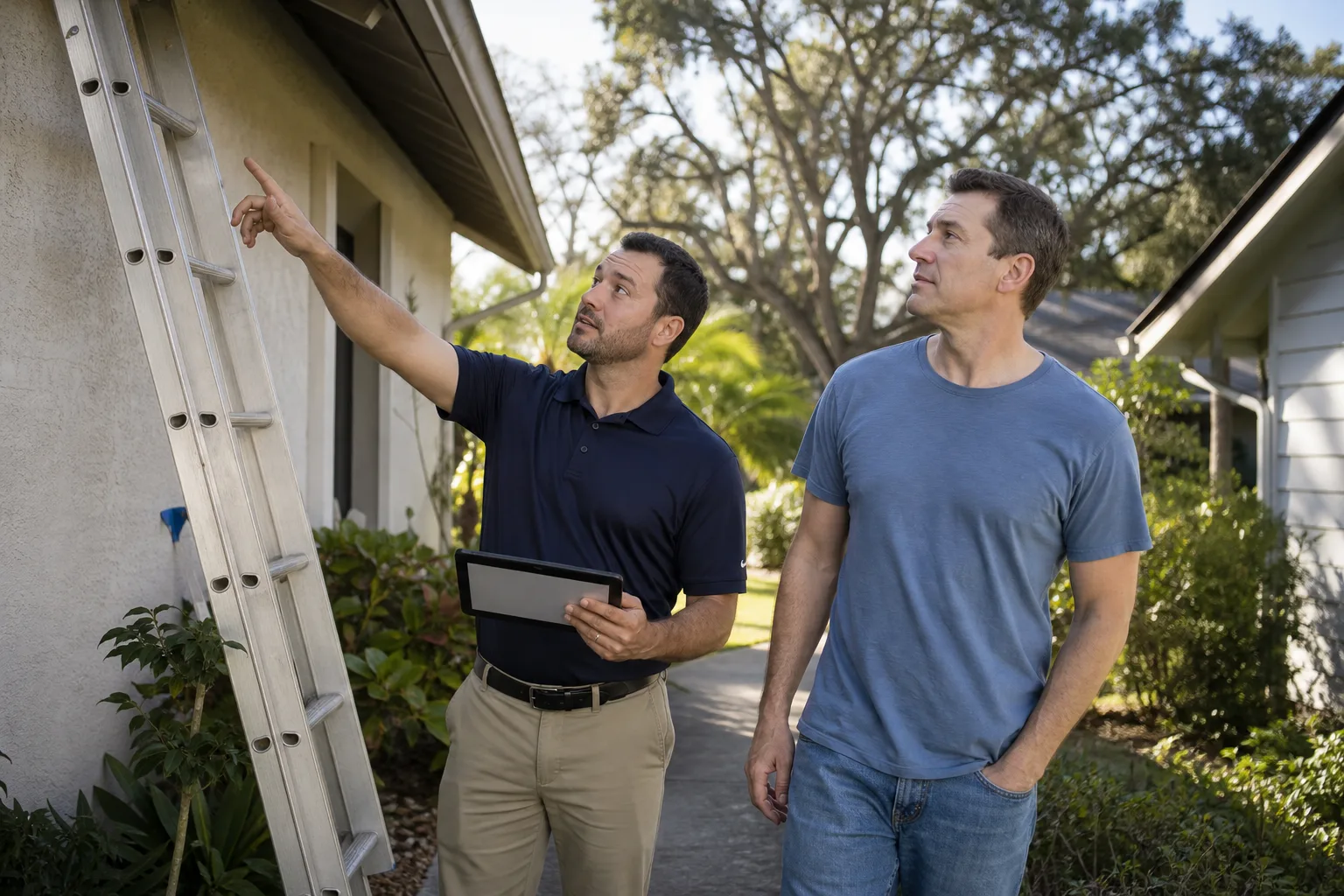
- Walk the roofline with binoculars from the ground and look at the flashing seam for lifted shingles or exposed underlayment.
- Look at the exterior stucco line at the foundation joint. Fresh hairline cracks are normal; a crack wider than a credit card is not.
- Check interior drywall corners where the addition joins the main house for new cracks or nail pops.
- Confirm every exterior door and window still latches cleanly. Settlement shows up first at hardware.
- Test the ADU’s separate HVAC: it should cool and drain freely.
90-day inspection
- Look for water staining at the interior ceiling line under the roof seam.
- Recheck the foundation joint after a good rain. Look for standing water along the new slab edge.
- Inspect window and door frames at CWS, ES Windows, or ECO Window Systems installs for pulled caulk lines.
- Compare interior wall cracks to the 30-day record. Bigger is a problem. Same is fine.
- Drain the ADU’s HVAC condensate pan manually to confirm it empties.
180-day inspection
- Take fresh photos of the roof tie-in and compare them to the 30-day set.
- Walk the ADU attic or soffit line for moisture or soft spots.
- Check hurricane straps on the addition’s roof framing if they’re visible.
- Look at soffit vent screens for debris or insect intrusion.
- Recheck caulk at every external penetration and refresh any that has cracked.
Six months in, the addition has largely finished its first round of settling. Write everything down, including the small stuff. It becomes useful later when the same spot fails again or doesn’t.
Annual South Florida Checks Before Rainy Season
Rainy season in Doral runs roughly May through October, and the storms that come through are nothing like the gentle summer showers in other parts of the country. Winds drive sheets of water sideways for twenty minutes and then stop. Anything on your addition or ADU that isn’t tight going into May will leak by June. We recommend running a full inspection every April, and again in late October to check for what the season left behind.
The annual pre-season checklist
- Hurricane strap integrity: check that metal connectors at the addition’s roof-to-wall and wall-to-foundation connections are still tight and not corroded. Straps are often visible from the attic or through soffit vents.
- Soffit condition: press firmly along the soffit panels under the addition’s overhang. Any softness, sag, or water staining means moisture is getting behind. Doral’s humidity makes deteriorated soffit a year-round problem once it starts.
- Stucco crack monitoring: walk the entire exterior wall and photograph any crack wider than a nickel. Hairlines that grow year over year at the foundation joint are the sign the slab is still moving.
- Roof flashing seam: the tie-in spot again. A glance each spring catches lifted shingles before the first storm.
- Gutters and downspouts: clear them and make sure they carry water away from the foundation joint, not into it.
- Exterior caulk and penetrations: refresh around windows, doors, hose bibs, and electrical boxes. Florida sun degrades caulk faster than most homeowners expect.
Brands matter here. If your addition used Andersen or Marvin windows, pull the maintenance guide and check the weep holes each spring. If it used ES Windows or ECO Window Systems for the impact glass, check the seals around each unit’s frame. We install all of these in Doral jobs, and the annual maintenance is what keeps the warranty intact.
Roof, Flashing, and the Seam You Never Look At
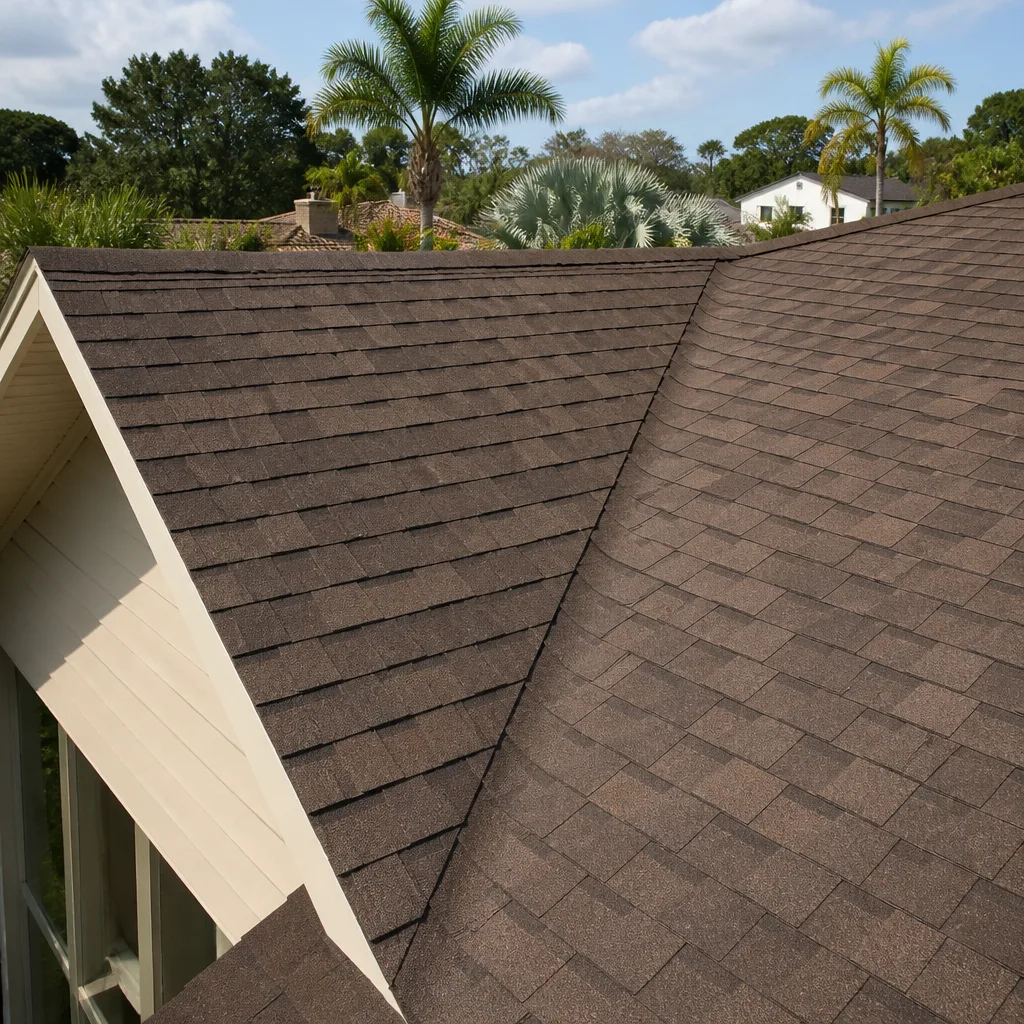
The flashing seam where your addition roof ties into the existing roof deserves its own section because it’s the single spot we see fail before anything else. Flashing is the metal that steps water from one roof plane onto the next. On a new addition, it’s typically installed as step flashing woven into each shingle course. Done right, it lasts. Done wrong, or with inadequate overlap, water gets behind it and finds the ceiling before you know it’s there.
What to check on the flashing seam each year
- Look for lifted or curled shingles along the seam from the ground with binoculars.
- Look for rust streaks or water staining on the shingle field below the seam.
- Check for granules washed down to the gutter right below the seam.
- Look at interior ceiling drywall under the seam after a heavy rain for any discoloration.
- Check that the metal counterflashing hasn’t pulled away from the wall it tucks into.
If your roof is GAF or CertainTeed, the shingle warranty usually requires documented maintenance. Skipping the annual check doesn’t void a warranty outright, but it makes a claim harder to win if the failure is traced to neglected flashing. Keep a dated photo log and you’re covered. On attachments and repairs, related work like a driveway tie-in or a fence at the property line is worth checking at the same time each year, and if you’re planning any hardscape updates, our service page on Driveway & Pavers in Doral covers how the runoff ties into the foundation drainage.
The ADU’s Separate HVAC System: Filter and Drain Pan Schedule
Most ADUs in Doral carry their own HVAC system. That means a second set of filters, a second condensate drain, and a second pan. In a humid Doral summer, the condensate drain is where trouble starts. The drain carries the water your AC pulls from the air in that unit to a safe exit point. When the line clogs with algae or debris, the pan overflows. Best case, you get a wet ceiling stain. Worst case, you’re replacing the ceiling, the drywall, and part of the unit’s framing.
ADU HVAC maintenance schedule
- Filter change every 30 to 60 days in Doral. A 1-inch filter should be swapped monthly during May through October. Thicker media filters can go 60 days.
- Condensate drain flush every 90 days. Pour a cup of vinegar down the drain access to keep algae from forming. Flush with water after.
- Pan inspection monthly during rainy season. Look for standing water in the secondary pan. Any water there means the primary drain is blocked.
- Outdoor unit cleaning twice a year. Rinse the coil with a garden hose and clear leaf debris.
- Professional service annually. A licensed HVAC tech should check refrigerant, blower, and drain line each spring.
Ask the HVAC tech to inspect the drain line’s slope and full run. In tight spaces under an ADU, a drain that slopes the wrong way holds water and clogs faster than anything else. This is the failure mode we hear about most from Doral ADU owners: a tenant calls in August about water on the floor, and the cause is a $15 drain flush that never happened.
ADU Rental Maintenance: Florida Landlord Law vs. Owner-Occupied Standards
An owner-occupied ADU follows one maintenance standard. A rented ADU follows two: your own standards, plus Florida landlord repair obligations. Under Florida law, a residential landlord must keep the unit in good repair, maintain working plumbing, hot water, heating, and cooling, and honor health and building code obligations. If a repair is a serious habitability issue and the tenant has sent written notice, they can pursue remedies – rent withholding, repair-and-deduct in some cases, or lease termination – if the landlord doesn’t fix it.
What changes once an ADU is rented
- Response time: document every repair request in writing and respond within days, not weeks. Show a written record.
- Cooling is habitability: a broken ADU AC in Doral summer is a habitability issue, not an inconvenience. Treat an HVAC call like a plumbing leak.
- Security deposit rules: Florida requires return of a security deposit within 15 days if no claim is made, or 30 days with a written claim notice. Keep your maintenance receipts for any damage deduction.
- Water intrusion: if a tenant reports ceiling water, that’s not a cosmetic repair. Water intrusion can trigger mold within days in Doral’s humidity, and that becomes a health-and-habitability issue fast.
- Inspection access: Florida law allows landlord entry to inspect with reasonable notice. Use it. A twice-a-year formal walkthrough catches small repairs before they become legal issues.
Owner-occupied ADUs skip the statutory duties but still need the same annual checks. The maintenance interval doesn’t change. The response-time obligation does.
Keeping a Maintenance Log: Insurance, Disclosure, and Warranty
A maintenance log is the cheapest insurance you’ll ever carry on an addition or ADU. It’s also one of the few things that shifts a claim or a negotiation squarely in your favor. Keep it as a simple spreadsheet or a binder with photos and dates. Homeowners who skip this end up arguing with adjusters about whether a leak was pre-existing or recent, and they’re the ones who lose.
What to log
- Date of every inspection (30, 90, 180, annual spring, annual fall) with a one-line note on what you found.
- Photos of every tie-in point taken from the same angles each time. Side-by-side comparison is what makes a log useful.
- Every repair with the contractor name, scope, cost, and a copy of the receipt or invoice.
- Every brand warranty document for the parts installed on the addition or ADU. If you used CWS or CGI for impact windows, or Andersen or Marvin for standard windows, those warranties have maintenance conditions. Log them.
- Every inspection that was signed by your county building official. This is proof the work was done to code.
Why it matters in three places
- Insurance: an adjuster reviewing a water claim looks at maintenance history. A dated log showing annual checks shifts the claim toward a covered event, not a neglected one.
- Resale: Florida seller’s disclosure requires you to disclose known defects. A log proves what you knew and when. It also lets you show a buyer that the addition was maintained, not just built.
- Warranty: most manufacturer warranties, and any written contractor warranty, require documented maintenance. The 90-Day Done Right Promise at Barrett & Sons covers construction defects. It doesn’t cover a flashing seam that failed three years later because the annual check never happened.
Common Mistakes to Avoid
- Never inspecting the roof tie-in. It’s the awkward seam most homeowners skip because they can’t see it clearly from the ground. Buy a $30 pair of binoculars and use them every spring.
- Treating the ADU like the main house. It has its own HVAC, its own roof tie-in, and its own foundation joint. It needs its own schedule, not the main house’s.
- Skipping the 30-day inspection. The first month is when the tie-ins reveal movement. Wait six months and you’ll miss the record you needed.
- Letting an AC condensate drain go unflushed in Doral summer. A $10 flush now prevents an $800 ceiling repair in August.
- Renting an ADU without a written repair-response process. Florida landlord law is unforgiving when a tenant has paper and you don’t.
- Ignoring hairline stucco cracks for two seasons. A hairline at the foundation joint is normal. Wider at the second anniversary is not. Compare photos year over year.
- Skipping the maintenance log because “we’ll remember.” No one remembers. The log is what wins claims and resale negotiations.
See the difference
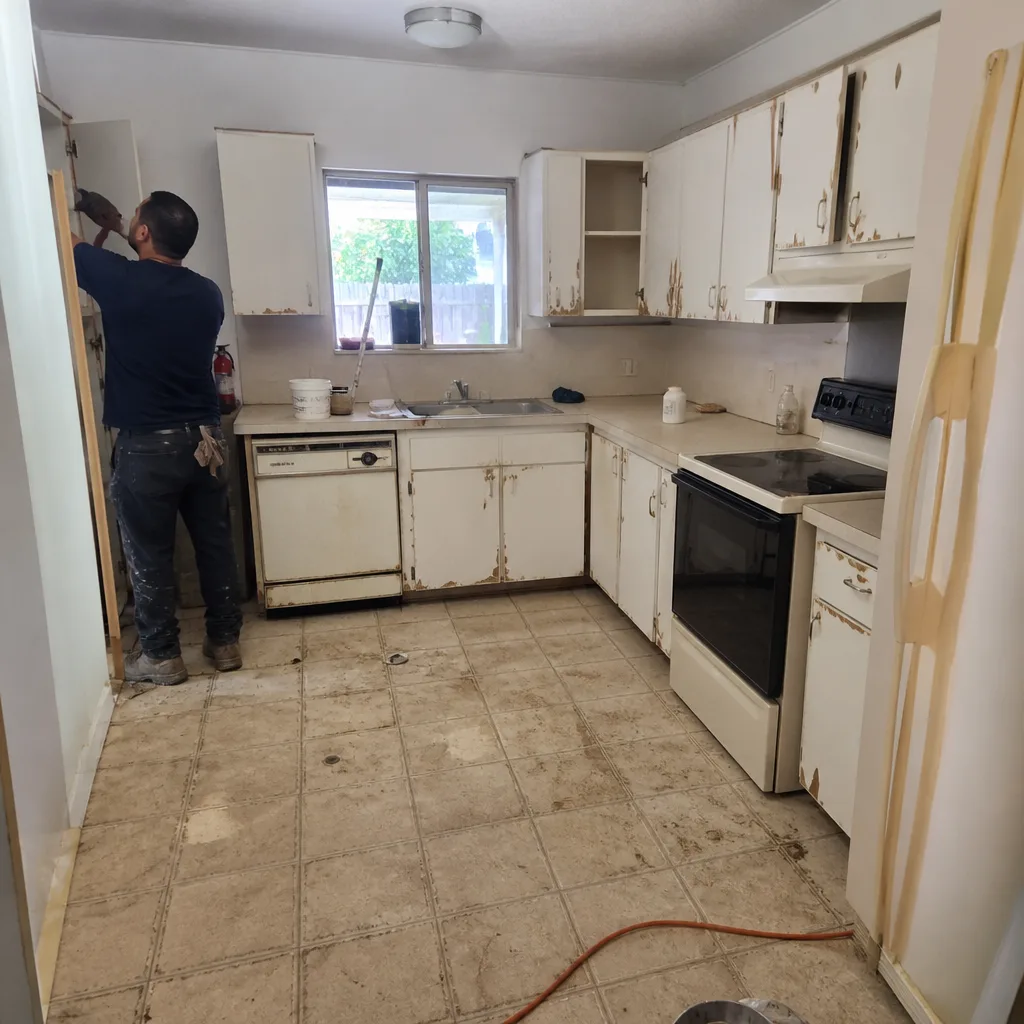 Before
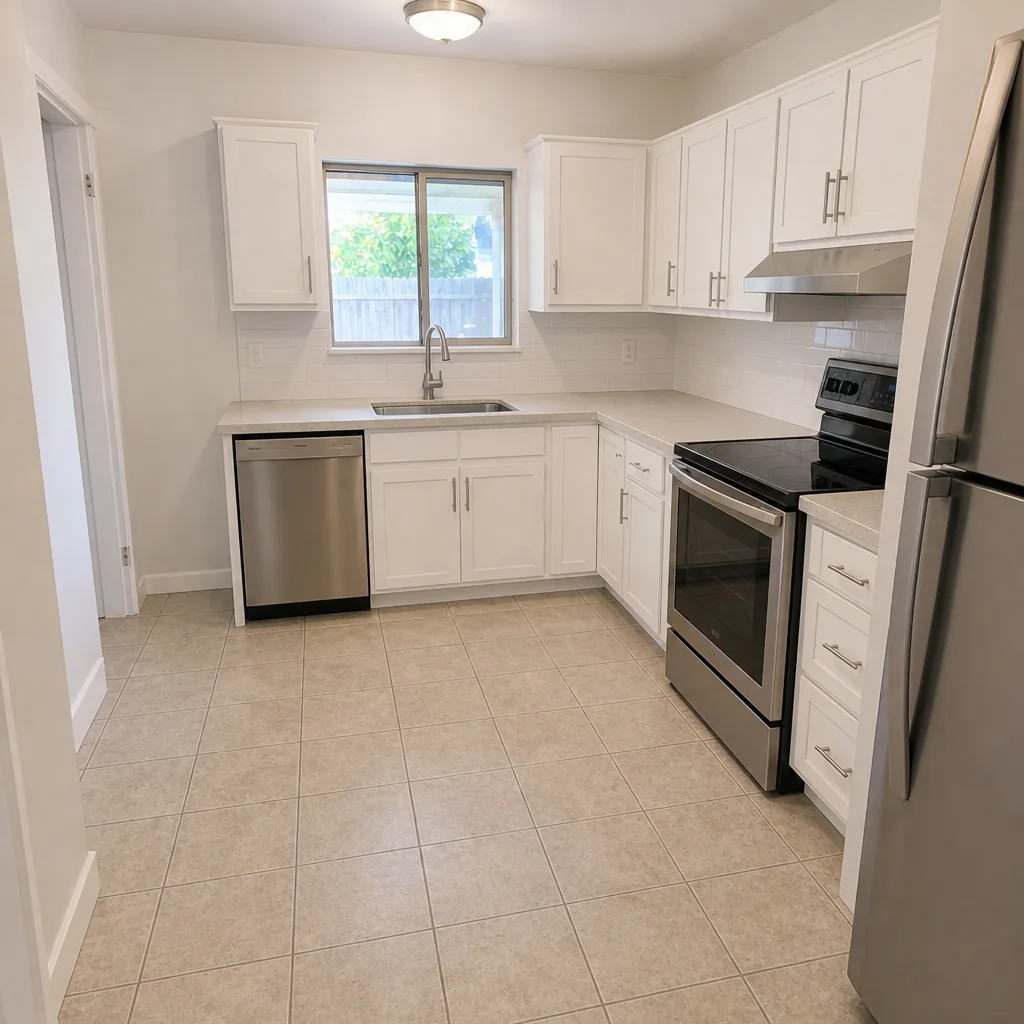 After
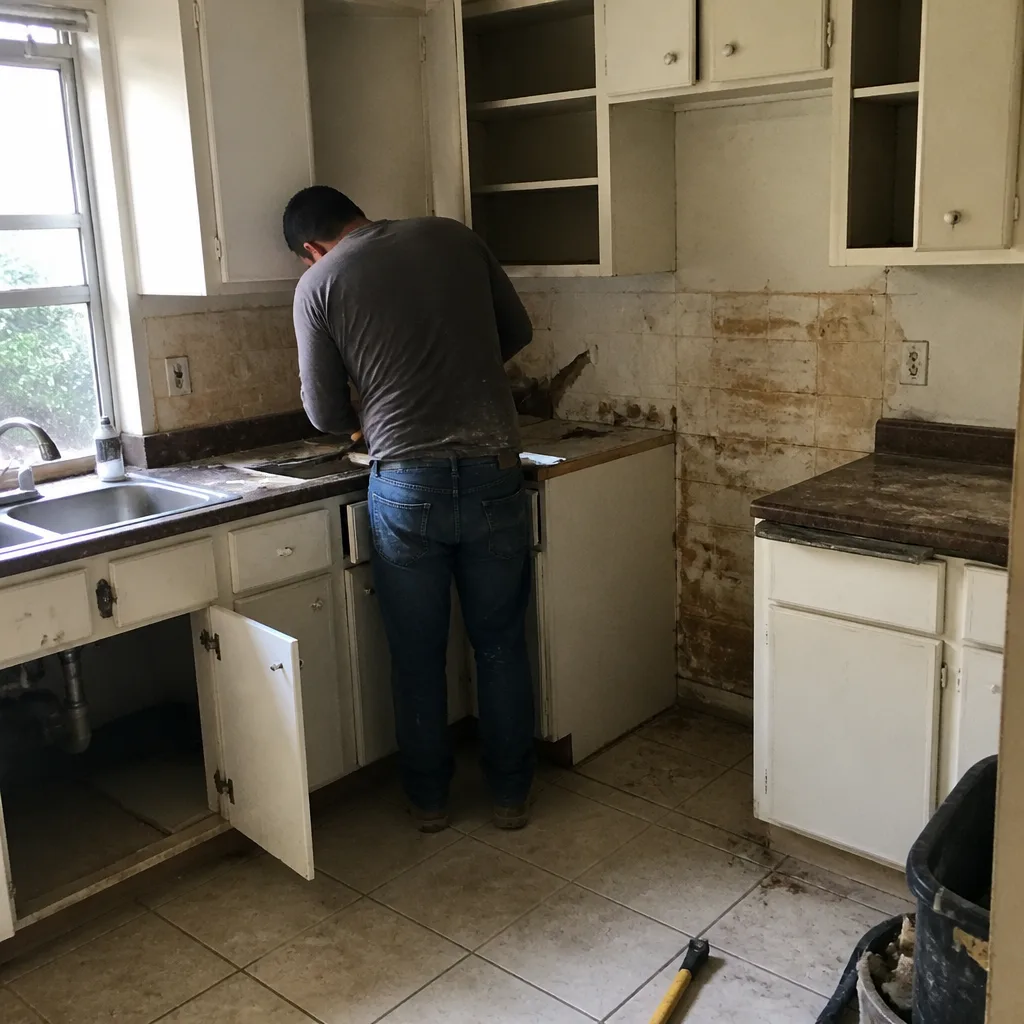 Before
 After
 Before
 After
When to Call a Professional
Some maintenance is homeowner work: changing HVAC filters, flushing the condensate drain, pulling the ladder out for a binocular check, caulking a window frame. Some of it isn’t. Call a professional when water is actively staining a ceiling, when stucco cracks are wider than a nickel or growing year over year, when the flashing seam shows lifted shingles or rust that reaches past the roof plane, when the attic shows soft spots or visible daylight, or when a tenant reports water intrusion. Those are not “we’ll get to it” problems in Doral. Water intrusion during rainy season can turn into mold within days, and a habitability issue with a tenant triggers a legal clock. Barrett & Sons Construction Doral offers free estimates in Doral – call (833) 734-5128 and we’ll take a look before the next storm. Second opinions on a written estimate from another contractor are also free, and there’s no trip charge inside the county.
Frequently Asked Questions
At 30, 90, and 180 days after construction, then annually every spring before rainy season and again in late fall. The first three checkpoints catch settling at the tie-in points; the annual checks catch wear from Florida weather. Log every inspection with photos from the same angles so year-over-year comparisons are easy.
Failure at the roof flashing seam where the new addition ties into the original roofline, followed by ADU HVAC condensate drain overflows. Doral’s rainy season drives the first; the humidity drives the second. Both are avoidable with the annual checks this guide lays out. Call (833) 734-5128 for a free estimate if you’re seeing early signs of either.
Yes. A rented ADU triggers Florida landlord repair obligations that don’t apply to an owner-occupied unit. You must keep the unit in good repair, respond to written repair requests within a documented timeline, maintain working plumbing, cooling, and hot water, and follow Florida security deposit rules. Keep every maintenance receipt for claims and deposit deductions.
Every 30 to 60 days during rainy season and every 60 to 90 days the rest of the year. Doral’s humidity loads the filter fast, and a dirty filter strains the unit and slows the condensate drain. Flush the condensate line every 90 days and check the pan monthly from May through October.
Yes, and it’s the difference between a claim that gets paid and one that doesn’t. Adjusters reviewing water damage look at whether maintenance was kept. A dated log with photos of the flashing seam taken every spring proves the seam was fine as of the last inspection. Without it, you’re arguing with the adjuster about pre-existing conditions. Start the log now.
The 90-Day Done Right Promise covers construction and remodeling work for 90 days after completion. If something we built isn’t right, one call brings us back. It doesn’t cover ordinary maintenance items like HVAC filter changes, HVAC drain flushes, or caulk refreshment, and it doesn’t cover deferred maintenance past the 90-day window. Call (833) 734-5128 if you’re unsure what falls inside the promise on your job.
The Bottom Line
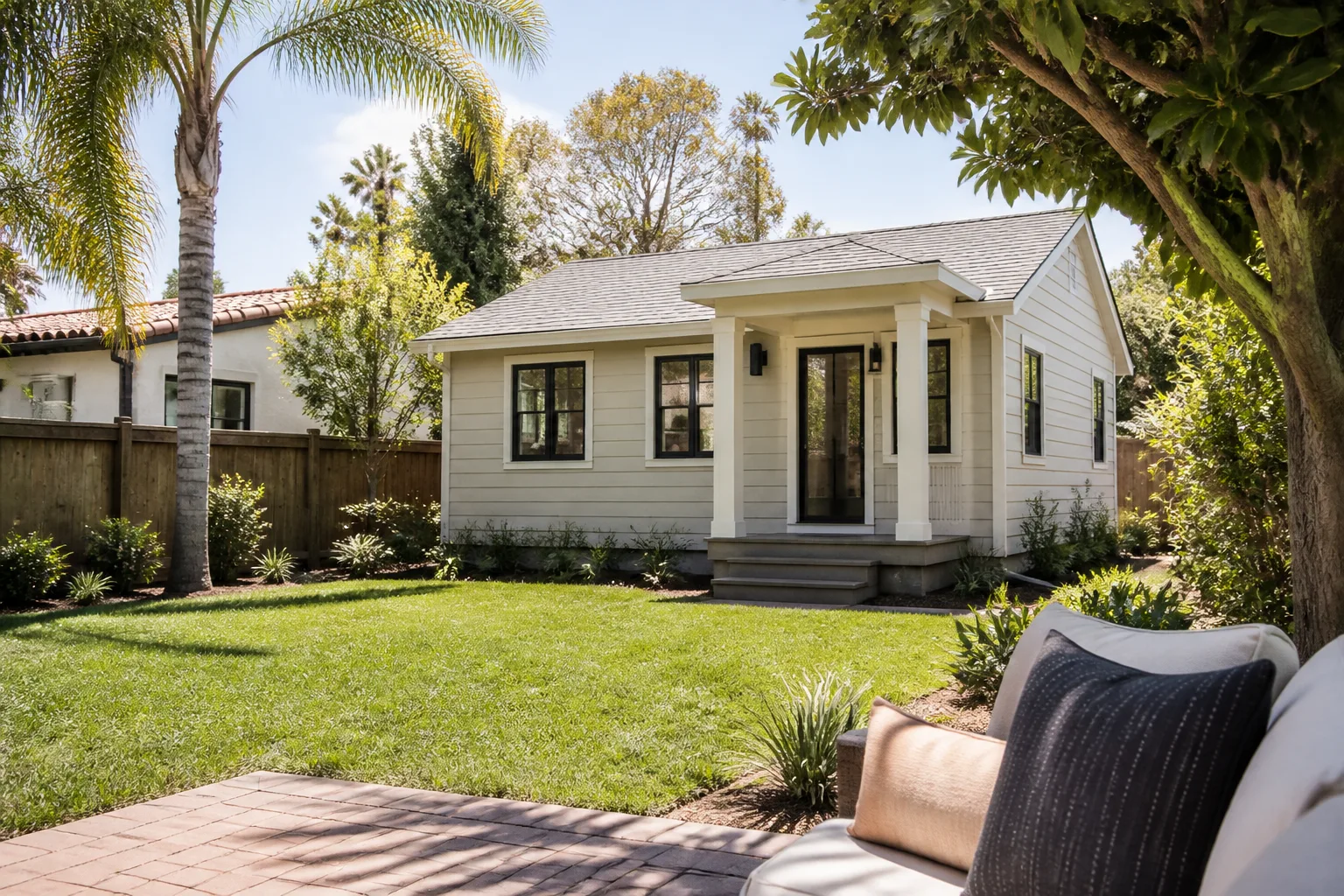
An addition or ADU is a second structure with its own maintenance clock. The tie-in points where old construction meets new – roof flashing, foundation joint, interior wall connection – are where deferred maintenance accelerates fastest, and they’re the spots most homeowners never think to check. Run the 30, 90, and 180-day inspections, then the annual South Florida checks before rainy season. Service the ADU’s separate HVAC every quarter. Honor Florida landlord obligations if the unit is rented, and keep a written log with dated photos. Do that, and a Doral addition stays sound through hurricane season for decades. Skip it, and you’ll learn the hard way why the flashing seam is the most important spot on the whole project.
Whether you’re planning a new addition, an ADU, or a related project like Fence Installation in Doral, everything scope-related starts with a written estimate and every price change arrives as a written change order before work starts. Barrett & Sons Construction Doral is owner-operated, permits are pulled and inspections signed on every eligible job, and the 90-Day Done Right Promise is written on the contract in plain language. Our crew members have up to 28 years of experience and we answer the phone live – not a voicemail box, not an out-of-state call center. Learn more about how we work at our Barrett & Sons Construction Doral home page. Then call (833) 734-5128 to schedule your free estimate.
Written by the team at Barrett & Sons Construction Doral.