Last updated November 17, 2026
Free written scope consultation - allowances, timeline, and change-order rules on paper before a single trade is scheduled
DIY vs Professional Fence Installation: What’s Safe to Do Yourself
Digging a post hole feels like the last thing you’d need help with. You’ve seen it done. It’s a shovel, a bucket, and some patience. But in Doral’s soil conditions, post holes are one of the first places a DIY fence project goes wrong in a way that can’t be fixed without tearing out what you built. The most counterintuitive pattern we see: the jobs that look hardest (hanging panels, staining, mounting hardware) are the safest to do yourself. The ones that look easiest (digging, mixing concrete, permits) are where projects fail. This guide breaks down exactly which fence tasks are safe to do yourself in Doral, which ones need a professional, and how to structure a partial-hire arrangement that saves money without risking your fence.
Quick Answer
Staining, painting, replacing pickets, and hanging a gate on posts that already exist are safe DIY fence tasks for a careful homeowner. Post-hole digging, footing calculation, and permitting in Doral are not. Those three tasks fail in ways that require full teardown to correct, and Miami-Dade permitting and insurance rules make the downside much bigger than the money saved.
Styles & brands we work with
- Kitchen remodeling
- Bathroom remodeling
- Home additions & ADU
- Roofing
- Windows & doors
- Driveway & pavers
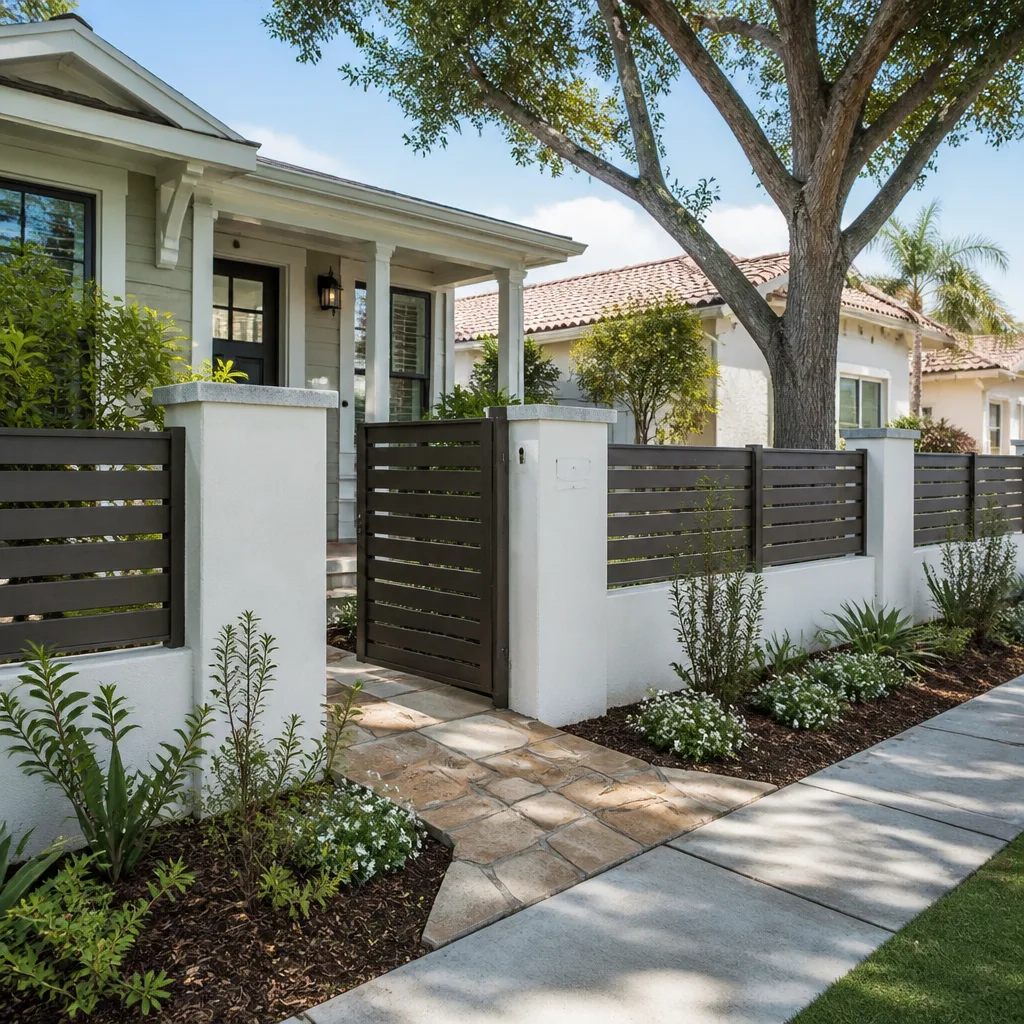
- Fence
Table of Contents
- Why the Hardest-Looking Tasks Are Actually the Safest DIY
- Post-Hole Depth and Footing Volume in South Florida Soil
- Miami-Dade Fence Permits: When They’re Required and What Skips Cost You
- Genuine DIY Wins (and Where Each One Goes Sideways)
- The HOA Approval Process and Why Plans Get Rejected
- How to Structure a Partial-Hire Arrangement
- Common Mistakes to Avoid
- When to Call a Professional
Why the Hardest-Looking Tasks Are Actually the Safest DIY
Panel installation looks like the hard part. You’re handling long, awkward pieces of material, leveling them, and making sure hinges line up. But here’s what we’ve learned after years of fence work in Doral: panels attach to posts. If the posts are set correctly, plumb, and in the right spot, hanging a panel is straightforward carpentry, and a homeowner with a level, a drill, and patience can do it. If the panels come out a little off, they can be adjusted.
Post holes work the opposite way. If a post is set in the wrong place, at the wrong depth, or in a footing that didn’t cure right, you don’t find out for two seasons. You find out when a windstorm comes through and the fence leans. At that point, you’re not fixing a panel. You’re digging out a cured concrete footing and starting the post over. That’s the failure mode that turns a DIY fence project into a professional teardown.
This is the inverted logic of DIY fencing in Doral. Judge each task by what happens when it fails:
- Reversible tasks (stain, paint, panel swap, gate hardware) – if it goes wrong, you undo it and try again. Low risk.
- Structural tasks (post placement, footing, depth) – if it goes wrong, you demo and rebuild. High risk.
- Regulatory tasks (permits, HOA approval, setbacks) – if it goes wrong, the fence may have to come down at your cost. Highest risk.
Our recommendation is simple: DIY the reversible work, hire out the structural and regulatory work, and split the middle wherever you can. That split is where the real savings live, and we walk through it below.
Post-Hole Depth and Footing Volume in South Florida Soil
Post depth isn’t a guess, it’s a calculation. Depth depends on three things: frost line (not an issue in Doral), wind load (a real issue in Miami-Dade), and soil bearing capacity. That last one is where DIY fencing breaks down in South Florida.
Doral sits on a mix of shallow limestone and sandy fill, and soil varies across the city. In newer developments, the yard has been graded and filled, and that fill may settle differently than native soil. Near older established neighborhoods, you may hit limestone shelf within a foot or two of the surface, which changes how deep a post can go and how wide a footing needs to be. Both of those change the concrete volume you need to pour.
Here’s how to actually find out what’s under your yard:
- Call 811 (Sunshine 811 in Florida) before you dig. This is not optional. It’s free and it protects you from hitting a utility line. It won’t tell you soil type, but it must come first.
- Check the Miami-Dade County Property Appraiser site for lot and soil records tied to your parcel. Some plats and surveys include fill material notes.
- Look at the Miami-Dade County Soil Survey (published by NRCS) and find your parcel’s mapping unit. Doral properties commonly fall into units describing limestone-underlain soil or urban land complexes, which matters for what depth a post can actually reach.
- Do a test dig at each post location with a post-hole digger to see how far down you get before hitting rock or dense fill. This tells you more than any map.
Footing volume is the next calculation. A post set in a hole 8 inches wide and 30 inches deep needs roughly 0.87 cubic feet of concrete – that’s about one and a half 60-pound bags per hole. A hole 10 inches wide and 36 inches deep needs about 1.4 cubic feet, or roughly two and a half bags. A 40-linear-foot fence with 8-foot post spacing means 6 posts. Multiply those numbers and you know your concrete order. Under-buy, and you end up with a short pour on the last post and a footing that never gets the volume it was designed for.
Wind load matters here too. Miami-Dade is a high-velocity hurricane zone. Posts set shallow in fill will lift and lean in a strong storm, and the repair is start-over expensive. This is why we don’t recommend DIY post installation in Doral even for capable homeowners – one bad post can compromise a whole run.
Miami-Dade Fence Permits: When They’re Required and What Skips Cost You
Miami-Dade permitting for residential fencing is where DIY fencing gets expensive fast. The general rule: a fence under 6 feet tall on a single-family residential lot inside the required setbacks typically does not require a building permit. Anything over 6 feet, any fence in a required setback, corner-lot sight-triangle fencing, and fencing that will hold a gate structure with overhead span often does require one. Pool barriers have their own rules under Florida Statute 515 and Miami-Dade’s private pool safety code – those are required on all residential pools, and the barrier has to meet specific height, opening size, and self-latching gate requirements.
Three things happen when a Doral homeowner skips a required permit:
- You may be ordered to remove the fence. Miami-Dade Code Enforcement can require a permitted structure to be brought into compliance, which on a fence means removal and rebuild. That’s the entire project cost, twice.
- Your homeowner’s insurance may deny a claim tied to the fence. If wind blows down an unpermitted fence and it damages a neighbor’s property or a vehicle, some carriers will dispute coverage on the grounds that the structure wasn’t code-compliant. This can turn a $4,000 fence into a liability claim that empties a savings account.
- Disclosure problems at sale. Unpermitted structures have to be disclosed in a Florida real estate transaction and often become a negotiation reduction or a closing delay.
The permit process itself is not the hard part – it’s knowing whether your fence needs one, which involves height, setback, and pool barrier rules. This is exactly the kind of thing an experienced fence contractor pulls as a matter of course. Ask any fence installer quoting you in Doral whether they pull permits on the job, and if the answer is “you don’t need one for a fence,” ask them to put their reasoning in writing.
Genuine DIY Wins (and Where Each One Goes Sideways)
There are real, honest DIY tasks on a fence project where a careful homeowner saves money and gets a good result. Here are the three we recommend most often, with the honest caveats.
Painting and Staining an Existing Fence
Staining or painting an existing wood fence is one of the best DIY fence jobs there is. The fence is already standing, so there’s no structural risk. You need to clean it first (a light pressure wash and 48 hours of dry time), then apply an exterior stain or paint rated for South Florida sun. The caveat: Doral’s humidity means moisture content matters. Staining wood before it’s dry traps moisture and causes peeling within a year. Let the wood dry after washing, and don’t stain during the rainy season window when afternoon storms hit almost daily.
Replacing Individual Pickets
If a few pickets are cracked, warped, or rotting, you can replace them yourself. Pop the fasteners, pull the picket, cut the new one to length, and fasten it back the same way. The caveat: match the profile and material exactly, or the run looks uneven. And if you’re replacing pickets because the wood is rotting, do a post check first. Rot usually starts at the post base, and picket replacement won’t fix a post that’s failing. If the posts are solid, picket replacement is genuinely a homeowner task.
Installing a Pre-Hung Gate on Existing Posts
Installing a pre-hung gate onto posts that are already set, plumb, and solid is doable. The gate manufacturers build these to be hung by anyone with a drill and a level. The caveat: the posts must be solid and the gate opening must be square. If the posts have leaned even slightly, the gate will drag. Check plumb on both posts with a 4-foot level, and if either one is out, that’s a post problem, not a gate problem. This is also where a lot of homeowners call us after a gate sagged for the second time.
What these three share: they touch material and hardware, not structure. That’s the line.
The HOA Approval Process and Why Plans Get Rejected
If your Doral property is in an HOA (many are), fence approval goes through the association before a shovel goes in the ground. Even a permitted, code-compliant fence can be rejected by the HOA if it doesn’t match the architectural standards for the community – material, color, height, style, and post spacing are all typically specified in the HOA’s governing documents.
Where DIY fence plans fail the HOA process is documentation. An HOA architectural review committee doesn’t just want to see a hand sketch. They typically want:
- A site plan showing the fence location relative to the property line and any easements
- A material specification sheet with brand, profile, and color
- A drawing or photo showing height, top style, and gate placement
- Proof that the fence meets Miami-Dade code and, when applicable, a permit application or approved permit
- Contractor information if installation is being done professionally
Submit a sketch and a verbal description, and the committee often rejects it. That rejection typically pushes the project back weeks while the homeowner gathers the correct paperwork and resubmits. Doral HOA review cycles are not always fast. This is one of the places where a contractor’s documentation saves real time. When we submit HOA packages for fence jobs, we include material specs from manufacturers like Belgard and Techo-Bloc where hardscape and fencing meet at the property line, and the package is built to pass review on the first submission. If you’re going to DIY any part of a fenced-in HOA community, let the contractor handle the paperwork package.
How to Structure a Partial-Hire Arrangement
One of the most underused ways to save money on a fence project is a partial hire: you do the demo and panel installation, and the contractor does the post setting, footings, and permitting. Done correctly, this is a fair trade for both sides, and it can save a meaningful chunk of the total project cost. Done poorly, it creates disputes nobody wants.
Here’s how to structure the conversation:
- Be upfront about the split in the first call. Say exactly what you plan to do yourself and what you want the contractor to do. A contractor who works this way will tell you immediately if the split makes sense for your project.
- Get the split in writing. The contract should list each task with a clear owner (you or the contractor). Ambiguity on scope is where partial-hire arrangements break down.
- Talk about who pulls the permit. The permit is typically pulled by the party doing the permitted scope of work. If that’s posts and footings, it’s the contractor’s paint on the permit. If you’re installing panels after, that has to be understood by the inspector.
- Agree on a handoff inspection. Before you install panels, the contractor should walk the post line with you, confirm plumb and alignment on every post, and both of you sign off. Once you install panels, the posts are effectively done.
- Agree on warranty scope. If posts fail, the contractor’s workmanship warranty covers them. If panels fail, they’re yours. Get that boundary in writing.
What this typically saves: the panel installation labor and the demo, which together are often the smaller share of the labor line but still meaningful – real money back in your pocket if you’re willing to do the work. The structural work stays with the crew that does it every day. For more on how we handle fence projects end to end, see our Fence Installation in Doral page.
Common Mistakes to Avoid
- Skipping the 811 call because “the yard has been empty for years.” Utilities don’t care. A marked line is free; hitting an irrigation or cable line costs hundreds and adds days to the project.
- Setting posts on a wet-concrete timeline that doesn’t match Doral heat. Concrete cures faster in the summer here, and setting posts in fresh concrete before the mix has stiffened leaves them out of plumb. Give it the time it needs.
- Pouring footing volume by eye. Short-poured post holes are the most common failure we see on Doral fence tear-outs. Measure the hole, calculate the bags, don’t eyeball it.
- Hanging the gate before the posts have fully cured. Fresh concrete doesn’t hold a swinging load. Wait before hanging, or the gate drags by week two.
- Assuming “under 6 feet” rules apply everywhere on the lot. Corner-lot sight triangles, easements, and pool barriers have their own requirements. A fence inside setback isn’t the same as a fence in the front yard.
- Submitting HOA plans without material specs. This is the single most common reason Doral fence HOA submissions bounce, and it typically costs two to four weeks of project delay.
- DIYing post holes in fill soil and hoping it holds. Fill settles at different rates than native soil, and a post set shallow in loosened fill is the first thing to lean in a summer storm. There’s no repair that doesn’t involve digging it out.
When to Call a Professional
Call a professional for fence work in Doral the moment the task involves post placement, footing depth, concrete volume, or permitting. Those are the tasks where a DIY failure costs more to fix than to have hired out in the first place. Call for anything over 6 feet tall, any fence on a corner lot or in a required setback, any pool barrier, any HOA-submitted plan package, and any fence that has to hold a heavy gate.
Also call if the fence is going in against a wall or property line you share with a neighbor, because setback and party-wall rules in Miami-Dade are specific, and a fence that crosses the wrong line by a few inches becomes a legal problem. And call if you started a fence and hit rock or dense fill at 12 inches and don’t know what to do next – that’s a signal the depth plan needs to change, and it’s the right time to get a professional eye on it.
Barrett & Sons Construction Doral offers free estimates in Doral – call (833) 734-5128. We’ll walk your property, look at the soil, talk through the split you want to do yourself, and give you a written estimate with every scope, allowance, and price change on paper before any work begins.
For the broader set of projects we handle around the home, see the Barrett & Sons Construction Doral home page. If your fence work is part of a larger exterior project – new driveway, pavers, a stand-alone structure – the Driveway & Pavers in Doral page covers the hardscape side, and Home Additions & ADU in Doral covers anything structural. Every permit gets pulled, and every eligible job passes inspection, because the permit inspector works for you, not for us.
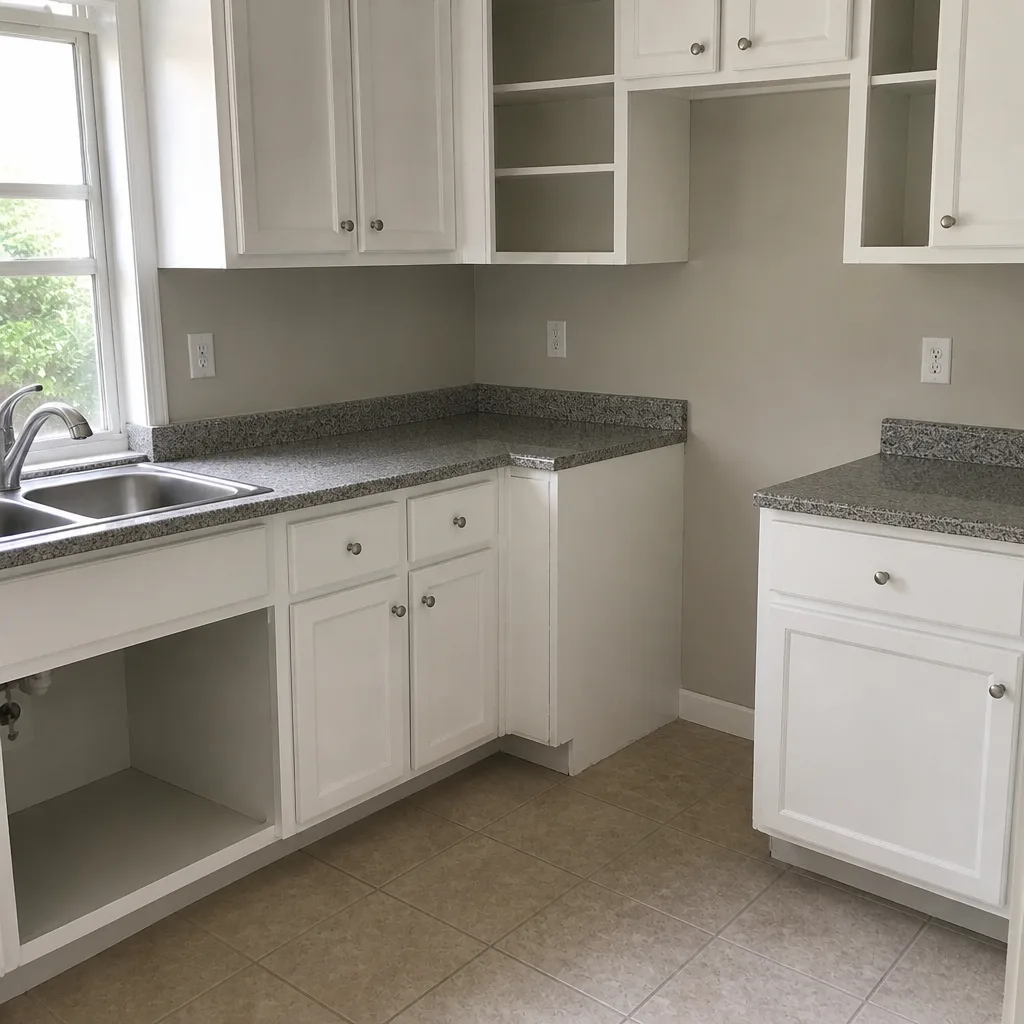
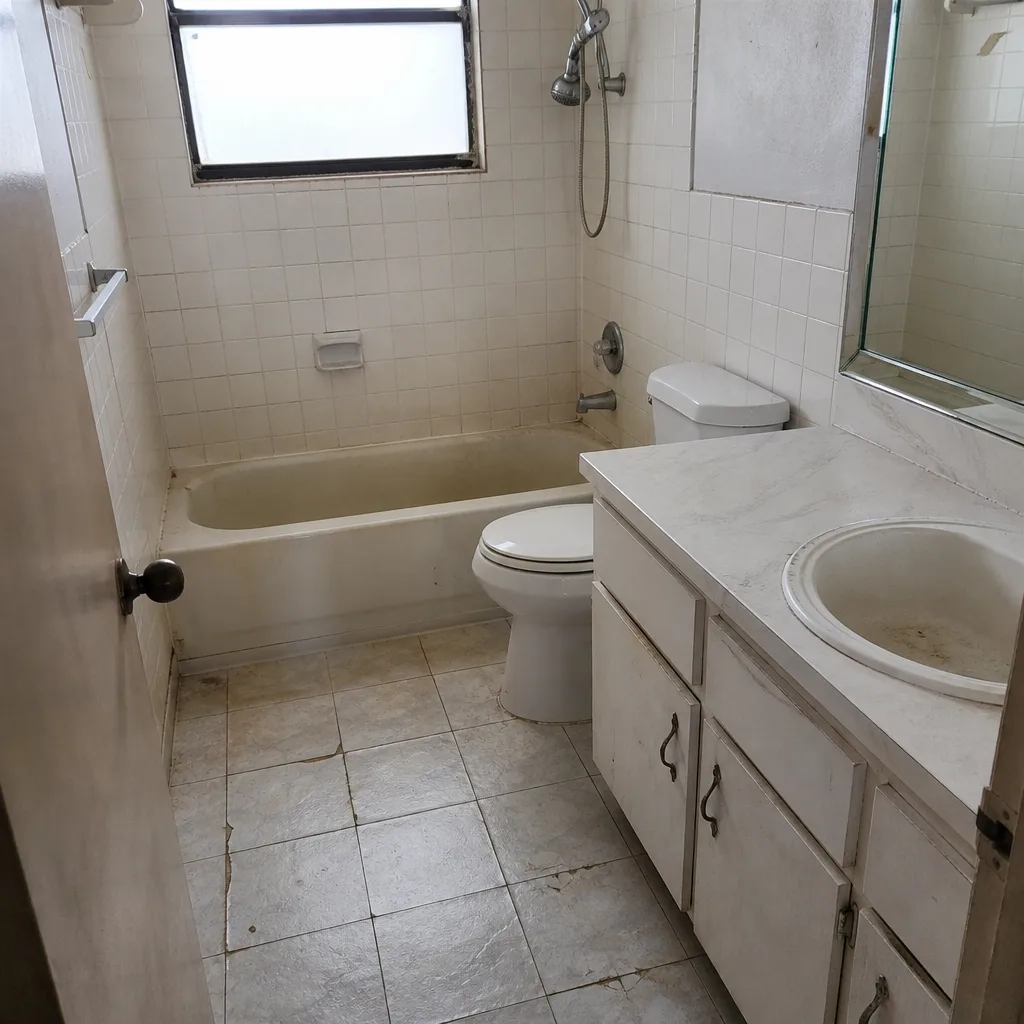
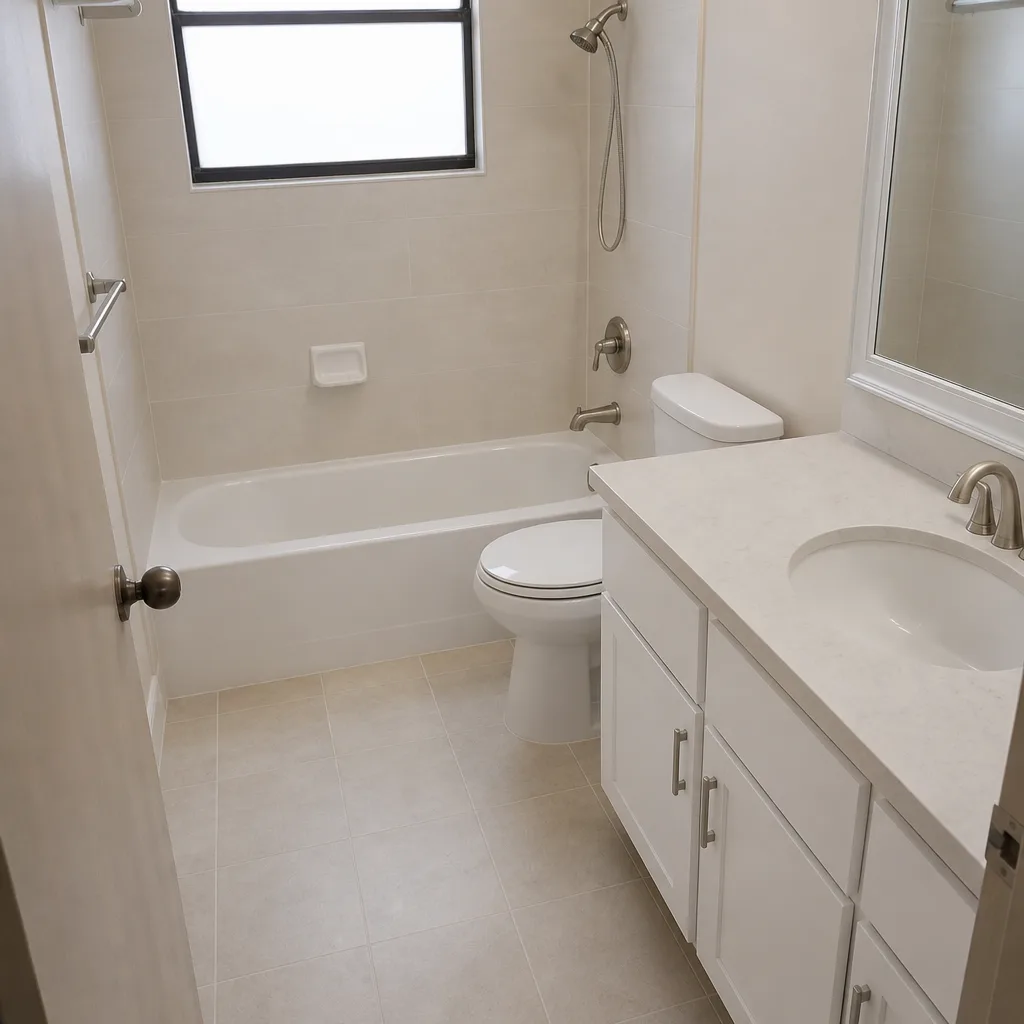
See the difference
 Before
 After
 Before
 After
 Before
 After
Frequently Asked Questions
Hiring a professional is usually cheaper when you account for the full project cost, including permits, soil surprises, and repairs. On a typical 100- to 150-foot residential fence in Doral, DIY material costs often land close to the professional installation cost once you add concrete, equipment rental, permit fees, and HOA resubmission costs – and DIY has no workmanship warranty behind it. The partial-hire arrangement is where real savings live, because you keep the labor you’re equipped to do and hand off the structural risk.
Fences under 6 feet tall on a single-family residential lot inside required setbacks typically don’t need a building permit, but anything taller, in a setback, on a corner lot sight triangle, or serving as a pool barrier does. Pool barriers are always required under Florida law, and Miami-Dade enforcement takes that seriously. Call (833) 734-5128 for a free estimate, and we’ll tell you exactly what your specific property needs before any work starts.
Post depth in Doral is set by wind load and soil classification, not a universal number, and the calculation varies by whether you’re set in fill, limestone, or native sandy soil. A test dig at each post location plus a look at the Miami-Dade soil survey for your parcel is the only reliable way to know. Most residential fence posts in South Florida should go at least 30 to 36 inches down with a footing volume matched to the hole, but confirm depth against your specific soil before you pour. Call (833) 734-5128 for an exact answer on your property.
Yes, but you’ll likely need contractor-style documentation to pass HOA review on the first submission. That means a site plan, material spec sheet with brand and color, height and style drawing, and proof of Miami-Dade code compliance. Submit a hand sketch and you risk a rejection that costs weeks. If you’re going to DIY installation, the smart split is to have a professional prepare the HOA package and set the posts. Call (833) 734-5128 to talk through that arrangement.
Two expensive things can happen. Miami-Dade Code Enforcement can require the fence to be brought into compliance, which on fencing usually means it comes down and gets rebuilt at your cost. And your homeowner’s insurance carrier may deny a claim tied to an unpermitted structure, especially if the fence caused damage to a neighbor’s property or a vehicle. The permit fee is small next to the downside. Call (833) 734-5128 for a written estimate that includes permits.
Yes, and it’s a common arrangement that saves real money while keeping the structural risk with the trained crew. The key is getting the split in writing: who pulls the permit, who owns the post line at handoff, and what each party’s warranty covers. We do these partial-hire fence jobs in Doral regularly and can walk you through a working split. Call (833) 734-5128 to start that conversation.
The Bottom Line
Fence work in Doral rewards an inverted instinct. The tasks that look hard – panel installation, gate hanging, staining – are usually safe to do yourself because they’re reversible. The tasks that look easy – digging, footing volume, permitting – are where DIY fences fail in ways that force you to start over. If you’re going to DIY part of a fence in Doral, DIY the material side and hire the structural and regulatory side. Get a written estimate that separates each piece, ask who’s pulling the permit, and confirm the warranty scope before anyone touches a shovel. Call (833) 734-5128 for a free estimate, and we’ll help you figure out the exact split for your property.
Written by the team at Barrett & Sons Construction Doral.