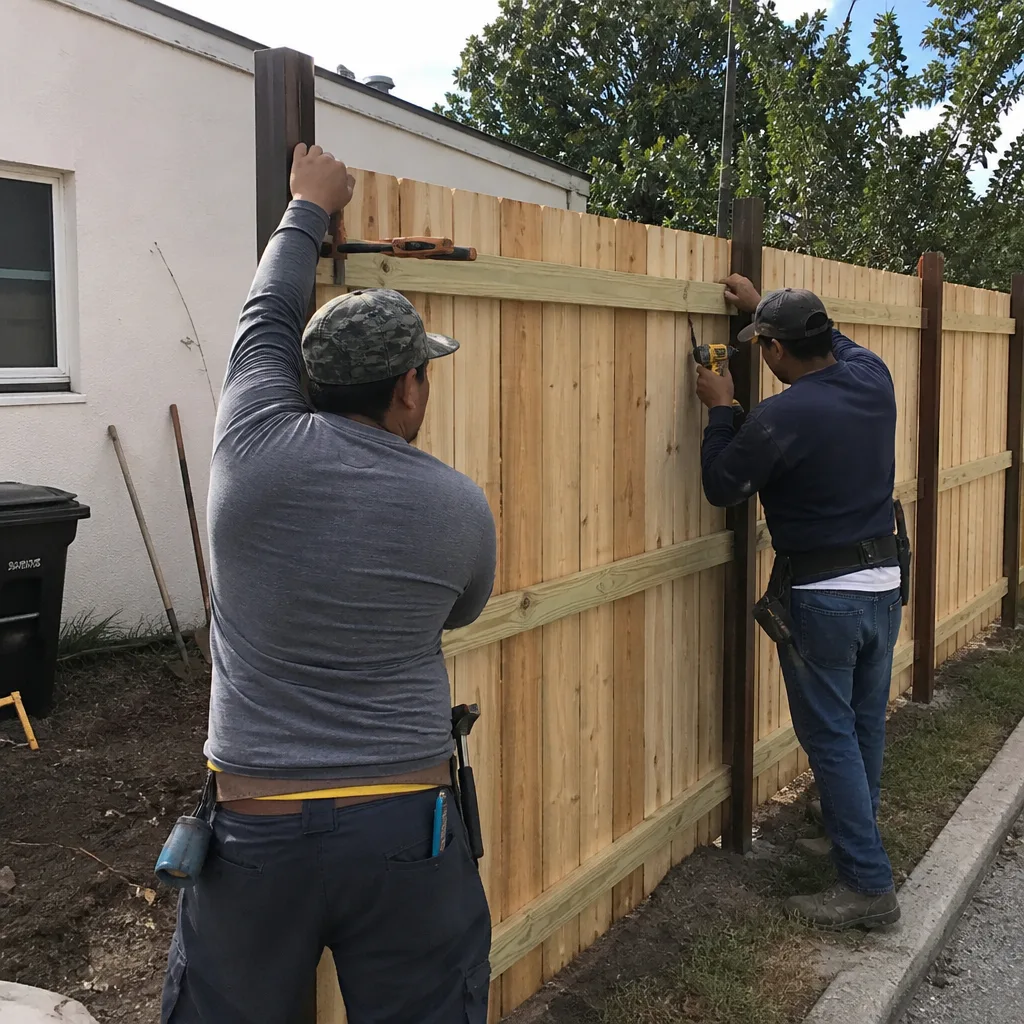
Last updated November 17, 2026
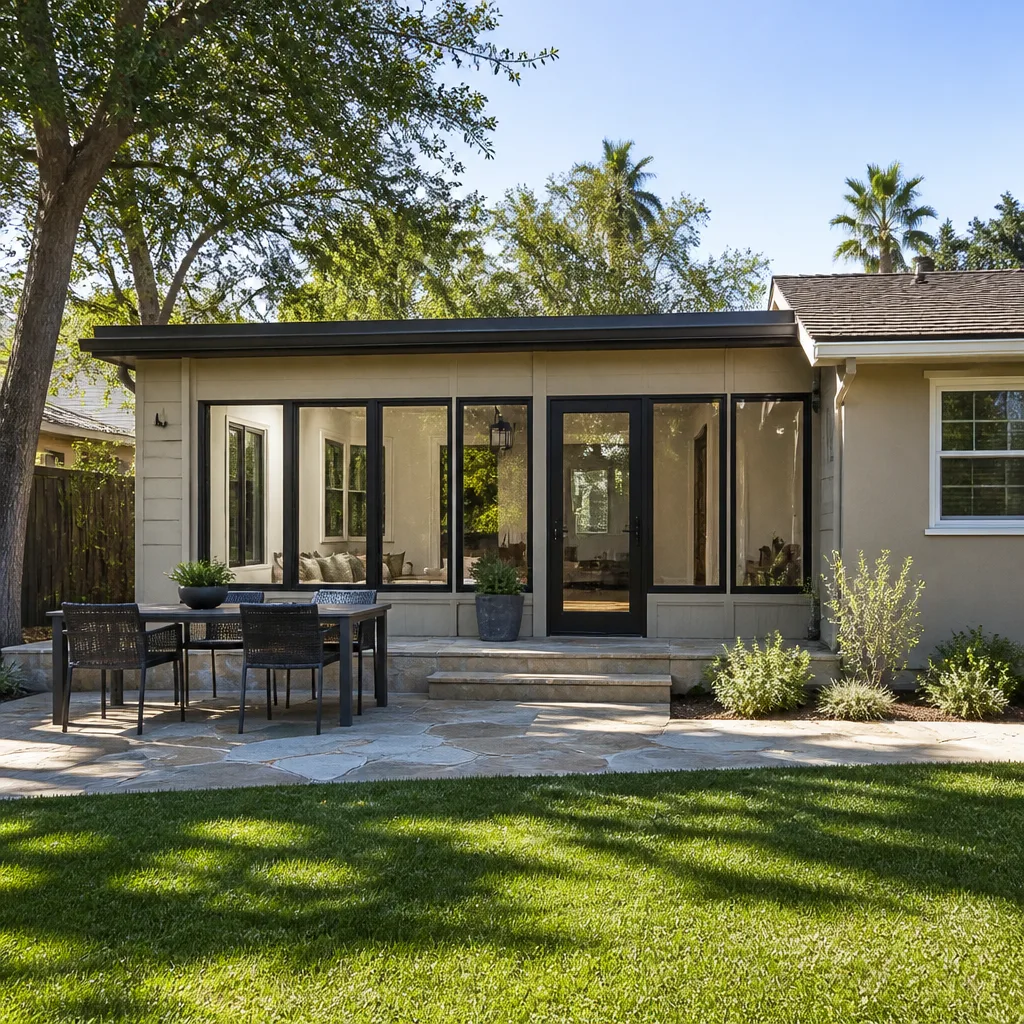
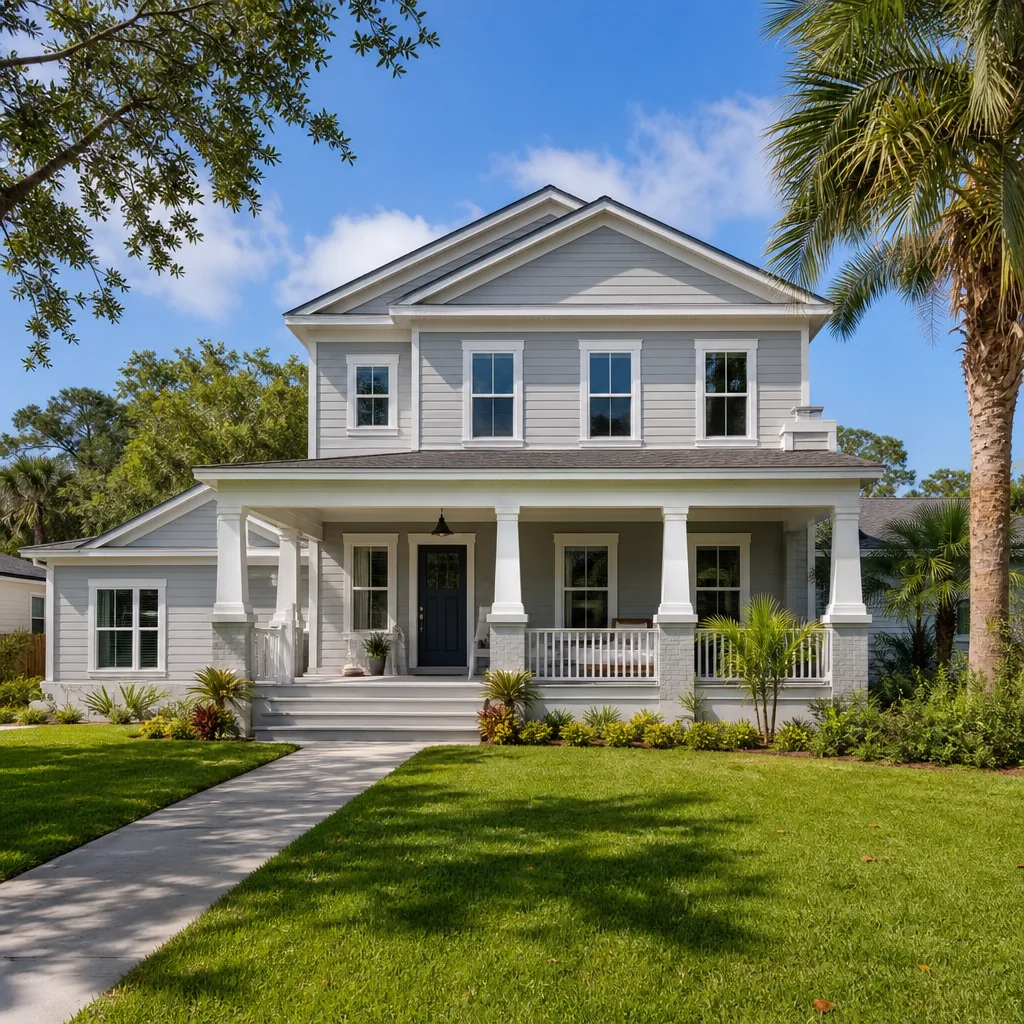

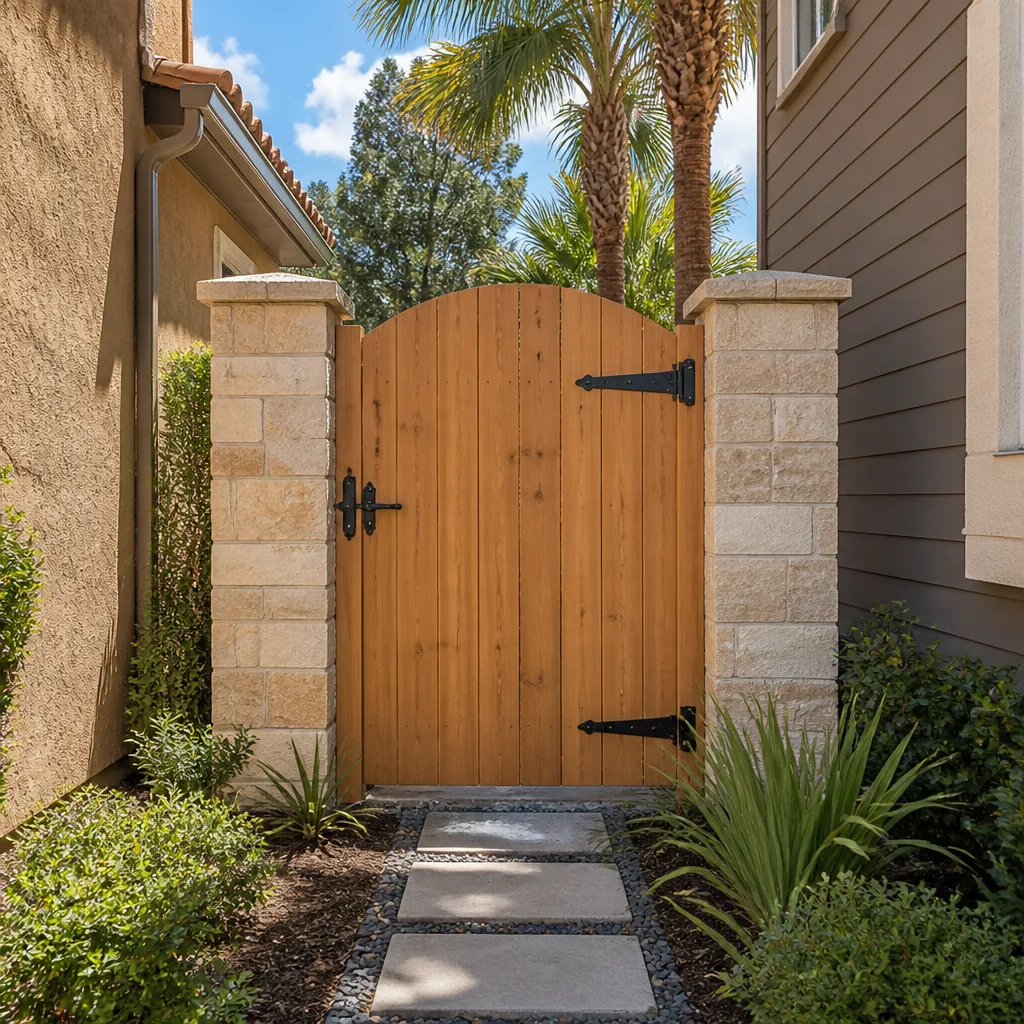
Free written scope consultation - allowances, timeline, and change-order rules on paper before a single trade is scheduled
DIY vs Professional Home Additions & ADU: What’s Safe to Do Yourself
In Florida, pulling an owner-builder permit for your own addition is legal. You can file the paperwork, pay the fees, and act as your own contractor without holding a state license. But here’s the part most YouTube tutorials skip: if you sell that home within one year of the final inspection, you must disclose the owner-builder work in writing, and a buyer can walk away from the contract with no penalty and no explanation. That single rule reshapes the whole DIY conversation. The real question isn’t whether you’re handy enough. It’s which scopes a Florida homeowner can legally touch, which ones require a licensed contractor no matter who pulls the permit, and what you’re risking down the line when you guess wrong. This guide covers all three, from a Doral shop that has watched these decisions play out for a long time.
Quick Answer
In Florida, homeowners can legally do demolition, insulation, painting, finish carpentry, and landscaping on their own addition under an owner-builder permit. Electrical, plumbing, and mechanical work always require a licensed contractor in Miami-Dade, regardless of who pulls the permit. Structural work that affects wind resistance, roof attachment, or the building envelope should go to a licensed general contractor because unpermitted work creates insurance and resale problems that cost far more than the job itself.
Styles & brands we work with
- Kitchen remodeling
- Bathroom remodeling
- Home additions & ADU
- Roofing
- Windows & doors
- Driveway & pavers
- Fence
Table of Contents
- What Florida’s Owner-Builder Exemption Actually Covers
- Scopes That Require a Licensed Contractor No Matter What
- Where Experienced DIYers Can Legitimately Add Value
- Why Unpermitted Structural Work Hurts Your Insurance in South Florida
- How to Partner With a GC as an Owner-Builder
- The Permit and Inspection Process, Step by Step
- The Safety Line: What Not to Touch
What Florida’s Owner-Builder Exemption Actually Covers
Florida Statute 489.103(7) lets a homeowner act as their own contractor on a single-family residence they intend to live in. You don’t need a state license to pull the permit in your own name. That much is true. What the exemption does not do is let you skip the licensed trades, skip inspections, or hide the work later.
The statute is narrow. The exemption covers construction, improvement, or repair on a building you own and occupy. It does not cover multi-family units, rental property, or homes you plan to flip. It also does not carry over to a friend or relative doing the work on your behalf. If your brother-in-law picks up a nail gun on your addition, he’s contracting without a license unless he holds one.
The one-year resale trigger is the piece most people miss. Under Florida law, a buyer can cancel the sale of a home with owner-builder work within one year of the final inspection, and they don’t owe you a reason. That clock starts at certificate of occupancy, not at the day you signed the contract. If you’re planning to stay put for years, it’s a non-issue. If life might move you in 10 months, it changes the entire calculation. We’ve watched families in Doral and the neighborhoods around it find this out during closing, and it’s a hard conversation to have with a buyer holding all the leverage.
You also assume full liability for the work. A licensed contractor carries insurance and warranty obligations. An owner-builder carries their own. If a storm peels back your addition and the insurance adjuster finds unpermitted structural work, the claim gets complicated fast, and that’s before anyone talks about resale.
Scopes That Require a Licensed Contractor No Matter What
Here’s where the line gets sharp. Miami-Dade County requires a state-licensed professional for three core trades, and the owner-builder exemption does not create a workaround. You cannot pull a permit and then do your own electrical rough-in. You cannot have an unlicensed friend install the plumbing. The electrical, plumbing, and mechanical trades are licensed scopes from the first wire to the last fitting.
- Electrical. Panel work, new circuits, fixtures, fans, receptacles, and the trench and conduit for service upgrades all belong to a licensed electrician. Miami-Dade inspectors will fail a job on sight if the permit holder isn’t licensed for the work.
- Plumbing. Supply lines, drain lines, water heaters, gas piping, and the rough-in for any fixture. Gas work in particular carries a separate licensing requirement and a separate set of safety risks.
- Mechanical. HVAC ductwork, refrigerant lines, mini-split installations, and anything that touches the building’s climate system. The equipment sizing, the load calculation, and the actual installation are all licensed-scope work.
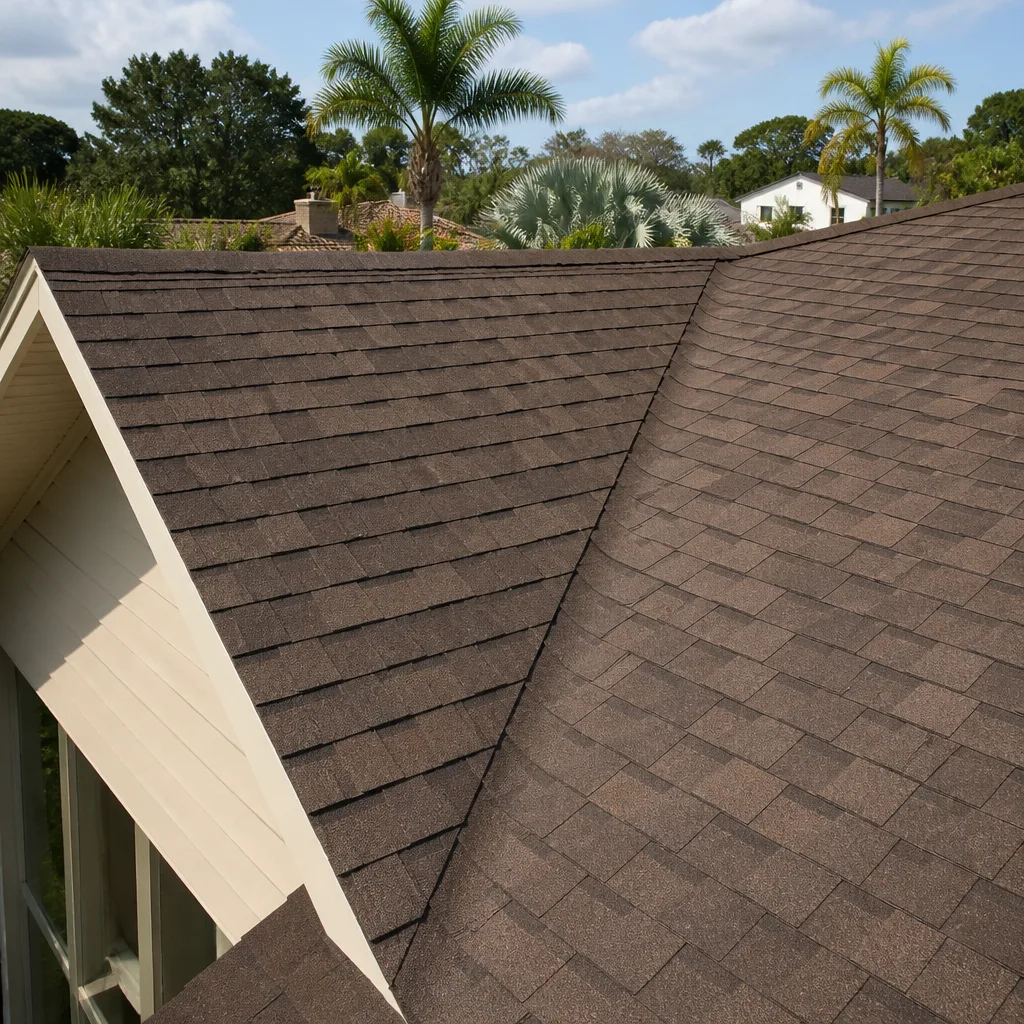
- Roofing and structural. While a homeowner can technically pull an owner-builder permit for a roof replacement in some cases, the wind-uplift requirements in Miami-Dade’s High Velocity Hurricane Zone mean the engineering, the product approval, and the attachment details have to meet a code standard that changes year to year.
Doral sits entirely inside Miami-Dade’s High Velocity Hurricane Zone. That means every structural element of your addition is evaluated against uplift pressures and impact-resistance standards that a generic tutorial written for Ohio will not cover. When we’re working in Doral neighborhoods like Downtown Doral or the corridors near 87th Avenue, the wind mitigation details matter more than the paint color. That’s not a sales pitch. It’s how the code reads.
If the trade you want to do requires a license and you do it anyway, the inspector fails the job and you get to hire a licensed professional to tear out the work and start over. That’s the best case. The worst case involves an insurance claim denial years later after a water heater leaks or an unpermitted circuit causes a fire, and no one wants to live in that scenario.
Where Experienced DIYers Can Legitimately Add Value
Now the good news. There’s real money to save on an addition or ADU if you’re honest about what you’re good at. These are the scopes we’ve seen homeowners do well, and they mostly involve finish work and cleanup rather than anything buried behind drywall.
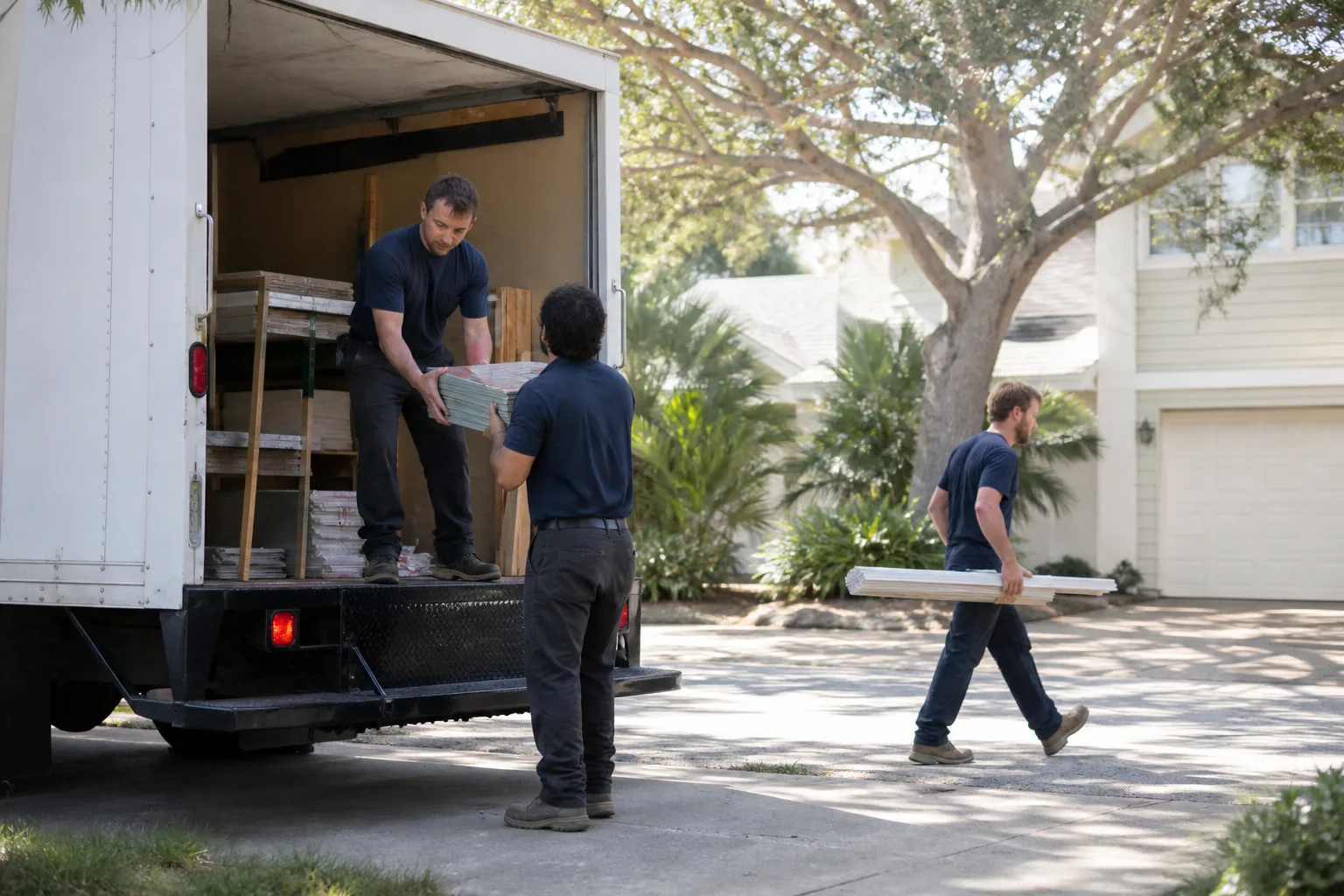
- Demolition. Tearing out old finishes, cabinets, flooring, and non-load-bearing drywall is straightforward work. Be careful around anything structural, and always get a pro to confirm what’s load-bearing before you swing a sledgehammer. In Doral, tile removal is the big one, and it’s unpleasant but doable.
- Insulation. Batting or blown-in insulation in walls and ceilings is homeowner-friendly. Pay attention to the R-value the permit calls for. South Florida’s climate zone is different from the rest of the country, and the wrong R-value can fail the inspection.
- Painting. Interior and exterior painting are almost never licensed scopes. If you have a steady hand and the right prep, this is real savings on a large addition.
- Finish carpentry. Baseboards, crown, door casings, closet shelving, and trim are fair game in most jurisdictions. If your permit lists this scope under finish work and there’s no structural component, a homeowner can typically handle it. Confirm with your inspector first.
- Landscaping around the addition. Sod, planting beds, mulch, and irrigation (though irrigation sometimes touches plumbing) fall outside the structural permit. The exterior finish matters to the final look of the addition, and this is an easy win for a homeowner who likes yard work.
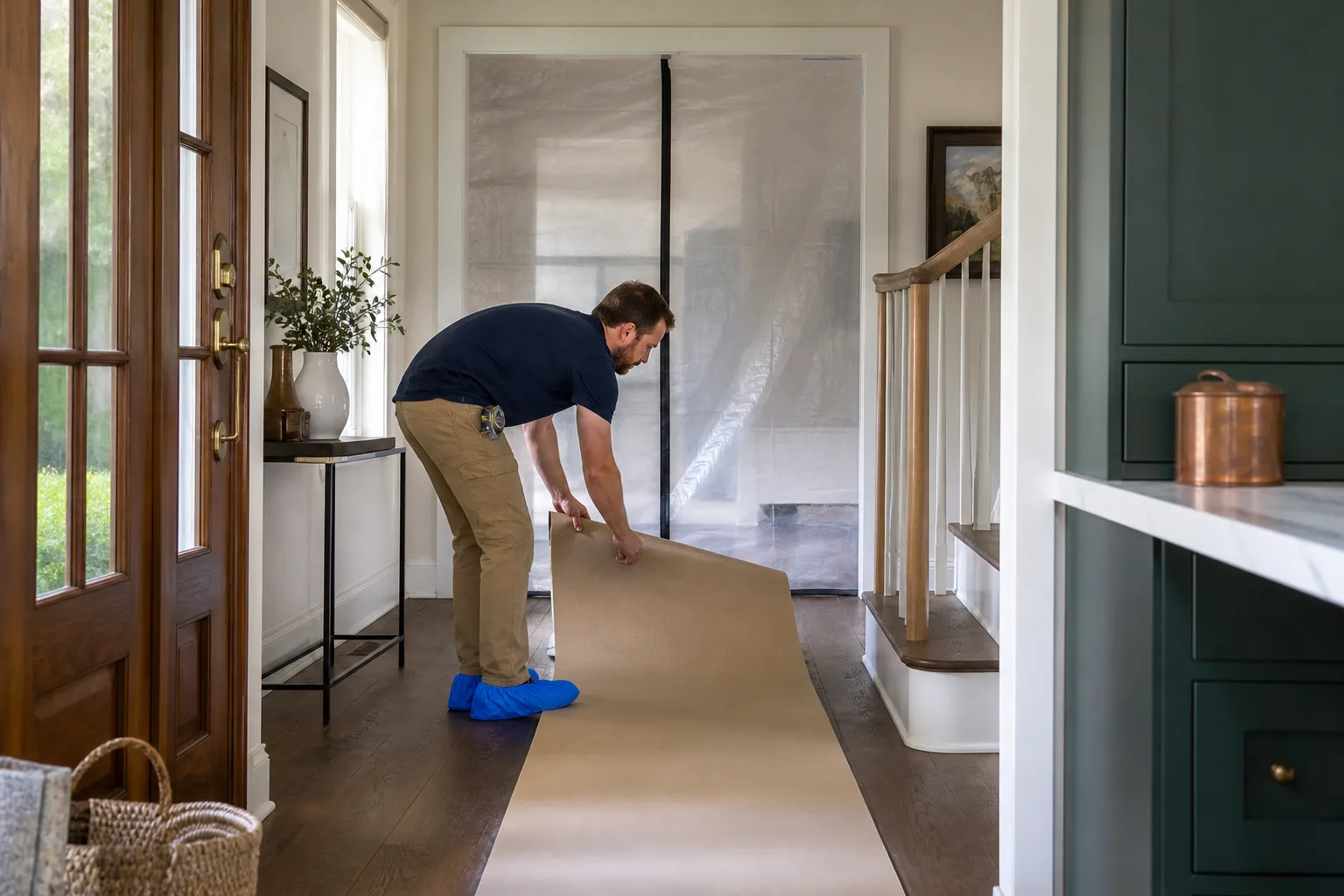
- Cleanup and punch list. Hauling debris, cleaning windows, final touch-up, and organizing the site for the final inspection. Nobody has ever been cited for sweeping up.
We’ve seen homeowners handle finish work themselves on an ADU in Doral and do beautiful work. The savings were real. The key was knowing which line items to claim and which to hand to a licensed sub. The homeowner who tried to save the same money by pulling the electrical himself was in a much worse position, and the inspector wasn’t interested in hearing about the tutorial.
Why Unpermitted Structural Work Hurts Your Insurance in South Florida
Most of the DIY conversation focuses on resale. That’s a real concern, but it’s not the one that keeps us up at night. The insurance angle in South Florida is sharper and more immediate.
Homeowners insurance carriers in Miami-Dade have been tightening their underwriting for years. They ask for the wind mitigation inspection before they write the policy. That inspection looks at roof attachment, roof-to-wall connections, opening protection, and the other features that determine whether your home stands up to a hurricane. If there’s an addition on the property that isn’t reflected in the county’s records – or worse, one that was built without permits – the wind mitigation report becomes unreliable, and the carrier may decline, surcharge, or drop the policy entirely.
Then there’s the claim itself. If a hurricane or a wind event damages your addition and the adjuster discovers unpermitted structural work, the claim is likely to be denied or substantially reduced. The insurer isn’t obligated to cover work that doesn’t meet the code standard the premium was priced against. That’s not a technicality. It’s the difference between a check that rebuilds the addition and a check that doesn’t arrive.
- Wind mitigation credits depend on verifiable, permitted construction features.
- Unpermitted structural additions can void a claim after a wind event.
- Carriers increasingly cross-reference county records against the property.
- Unpermitted work can affect the policyholder’s renewal or rates even before a claim happens.
The Doral market in particular has a lot of homes that saw additions or garage conversions in the last decade. If you’re buying a home with anything that looks unpermitted, ask for the permits before you sign. If you’re building one, pull the permits. It costs more up front and it protects everything after.
How to Partner With a GC as an Owner-Builder
The middle path most people don’t know exists: you can pull the owner-builder permit and still hire a licensed general contractor to handle the parts you’re not equipped to do. The relationship gets defined in writing, and the writing matters more than a handshake.
Here’s what that arrangement looks like when it’s done well, and how we’ve structured these in Doral:
- You file as the owner-builder so the permit is in your name and you control the schedule.
- You contract the GC separately for specific scopes – structure, framing, roofing, everything that has to be inspected as structural. Use a written contract, not a verbal agreement.
- The GC contracts the licensed subs for electrical, plumbing, and mechanical, or you contract them directly. Either works, but the names on the permits have to match the licenses.
- You keep a written scope that lists what you’re doing yourself and what the GC is doing. No overlap, no confusion at inspection.
- Every change comes as a written change order before the work proceeds. On the jobs where change orders are handled in writing, the surprise invoice at the end never shows up. On the jobs where they aren’t, it always does.
- You keep copies of every permit, inspection, and product approval in one folder. It becomes the disclosure packet when you eventually sell.
The GC’s insurance and warranty obligations only cover the scopes they’re contracted for. Your own work is yours. That’s the tradeoff. You get to control more of the job and save more on labor, but you also own the risk on the pieces you touched, so be honest with yourself about which pieces those are.
We do this regularly. Full-service on the Home Additions & ADU in Doral work, or a scoped arrangement where the homeowner files and handles the finish work, and we pull the permits, run the licensed trades, and carry the inspections. Both work. The second only works when the paperwork is right.
The Permit and Inspection Process, Step by Step
Whether you’re the owner-builder or working with a GC, the permit process follows roughly the same arc. Miss a step and you’re not building, you’re tearing out.
- Drawings and site plan. Architectural drawings, a survey, and a site plan showing setbacks and impervious surface coverage. Miami-Dade has specific lot coverage limits, and Doral’s own zoning code adds local layers on top.
- Structural calculations. Required for any addition in the High Velocity Hurricane Zone. This is where the wind uplift engineering lives, and it’s not a scope a homeowner draws up alone.
- Permit application and fees. Submittal through Miami-Dade County’s e-permitting system, with fees scaled to the value of the work.
- Plan review. The county and sometimes the city review drawings for code compliance. Plan review comments are normal; they get resolved with revised sheets, not arguments.
- Rough-in inspections. Foundation, framing, electrical rough, plumbing rough, and mechanical rough happen in sequence as the job progresses.
- Final inspections per trade. Each licensed trade signs off, then the building final, then the fire and life-safety sign-offs if applicable.
- Certificate of Occupancy. This is your proof the addition is legal. Keep it. It’s what gets pulled up at resale, at insurance renewal, and at the building department when you sell.
The permit inspector works for you, not for the contractor. That’s why we like the process, even when it’s slow. Every inspection that passes is another layer of safety and one more document that helps you at resale and at insurance time. The permit process is the thing that turns the work into a verified asset instead of a liability.
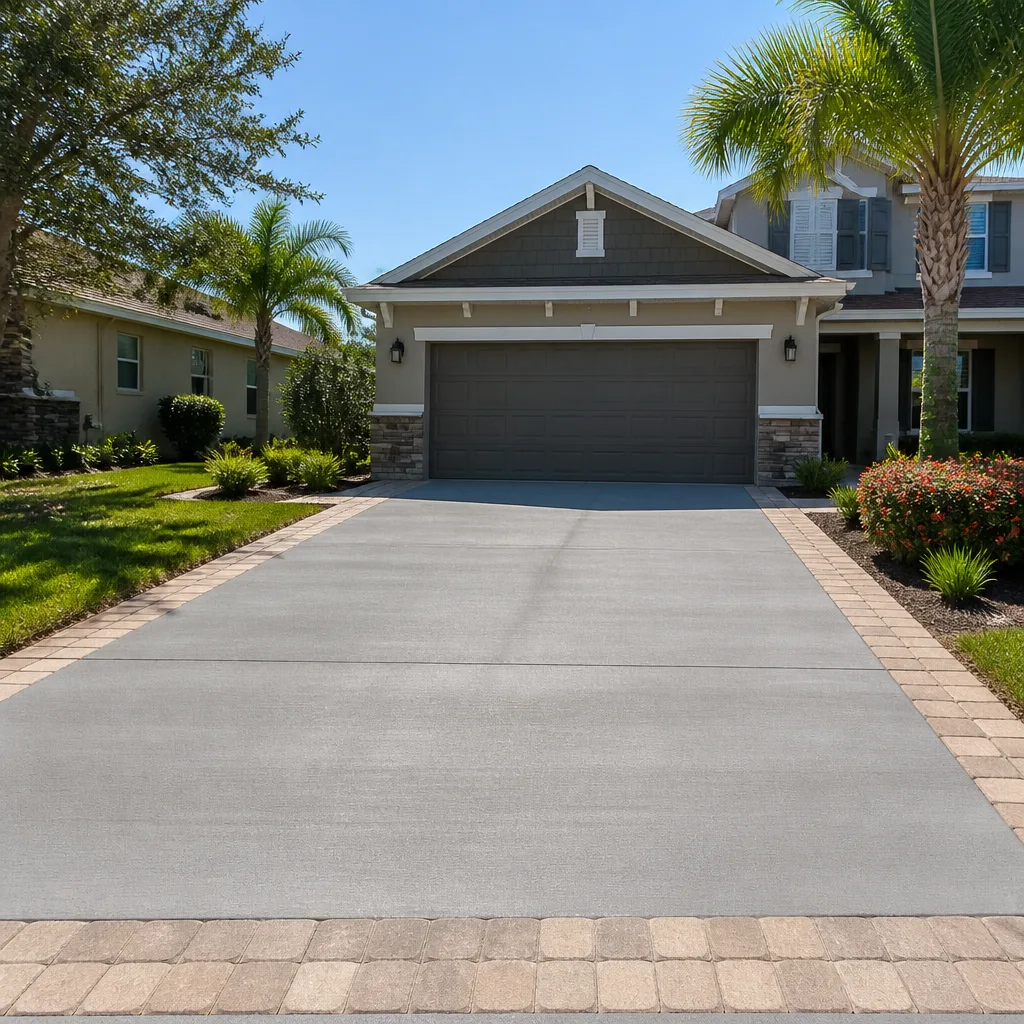
For exterior work that ties into an addition – driveways, fence lines, and the connection between the new structure and the property – the Driveway & Pavers in Doral and Fence Installation in Doral scopes usually come up around the same time. Each one has its own permit story, and the sequencing matters.
The Safety Line: What Not to Touch
Some DIY savings are just savings. Others are dangerous, and the safety risk is the real reason they’re licensed. A homeowner can’t safely do electrical panel work without the training to understand arc flash, load calculations, and grounding. Gas lines leak silently and ignite catastrophically. Structural work in a hurricane zone affects the lives of everyone inside the home. The high-tension springs and cables on garage doors and the steep-roof work on a two-story addition are the same story.
None of that is a knock on a capable homeowner. It’s just a fact that these scopes have failure modes that kill people, and a licensed contractor carries the insurance, the training, and the accountability to make them safer. When the work involves an electrical panel, gas piping, or anything structural, hire the licensed professional. Every time.
Common Mistakes to Avoid
- Pulling an owner-builder permit and then subbing out the whole job to unlicensed labor. The permit only covers you doing the work yourself. Subcontracting to unlicensed people breaks the exemption and can void the permit entirely.
- Skipping the electrical permit because “it’s just adding a couple of outlets.” In Miami-Dade, even a small electrical change on a permitted addition has to be inspected. Unpermitted electrical work is the most common cause of a failed final.
- Treating the one-year disclosure rule as a technicality. A buyer can walk away from a home with owner-builder work within a year of final inspection. That’s a real contract term, not a rumor. Plan around it.
- Assuming Doral’s building department and Miami-Dade County are interchangeable. They’re not. Doral has its own zoning and permitting overlays on top of the county’s structural code, and a permit done correctly for the county can still trip a local review.
- Buying impact windows and doors without checking the NOA and Dade County product approval. Brands like ES Windows, ECO Window Systems, or Therma-Tru all make excellent products, but the exact model has to be listed for the opening and wind pressure the addition calls for. Off-the-shelf won’t pass inspection in the HVHZ.
- Skimping on wind mitigation details to save on the addition budget. The wind mitigation features are exactly what your future insurance premium is priced against. Cutting corners here saves a few thousand up front and costs multiples of that in premiums and lost claim coverage over the life of the home.
- Hiring a GC without a written scope and written change orders. The best contractor on earth is a bad contractor if the paperwork is verbal. Scope in writing, allowances in writing, change orders before any work proceeds. That’s the whole discipline.
See the difference
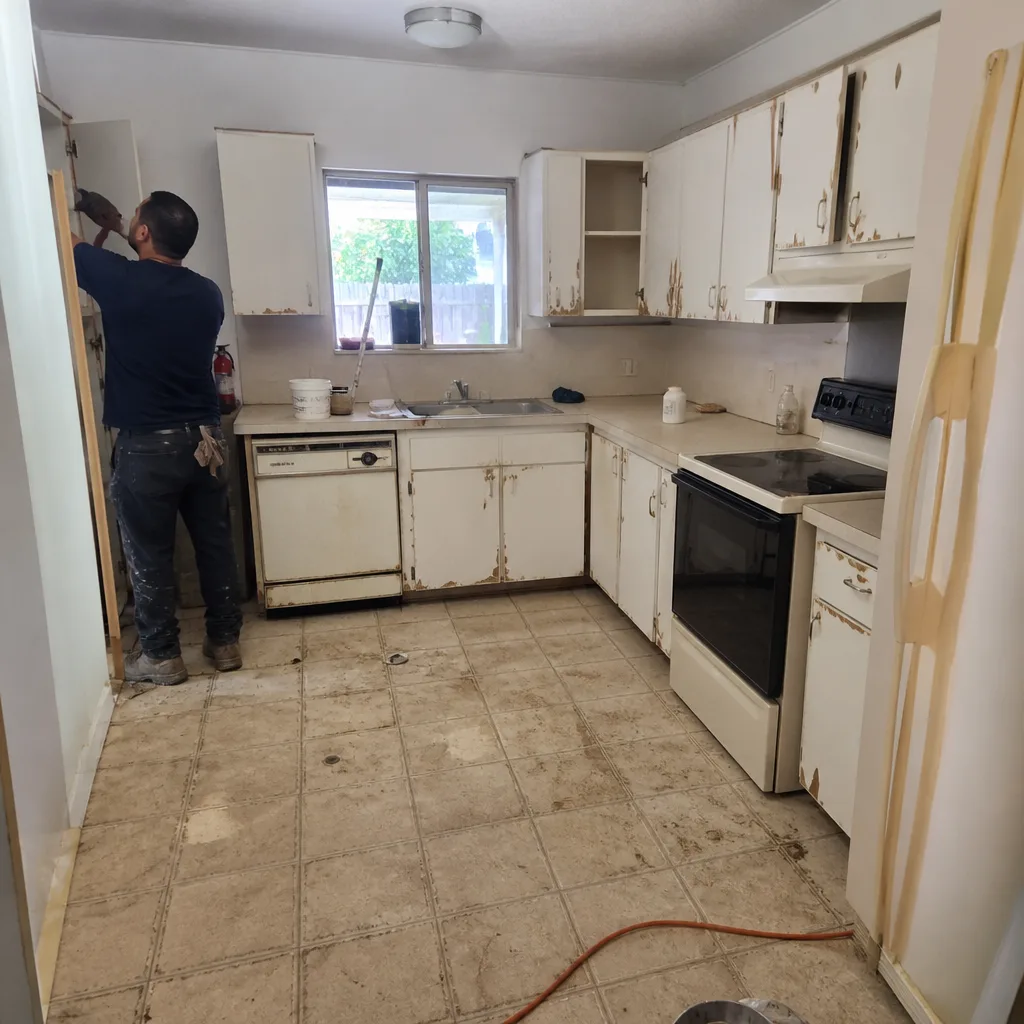 Before
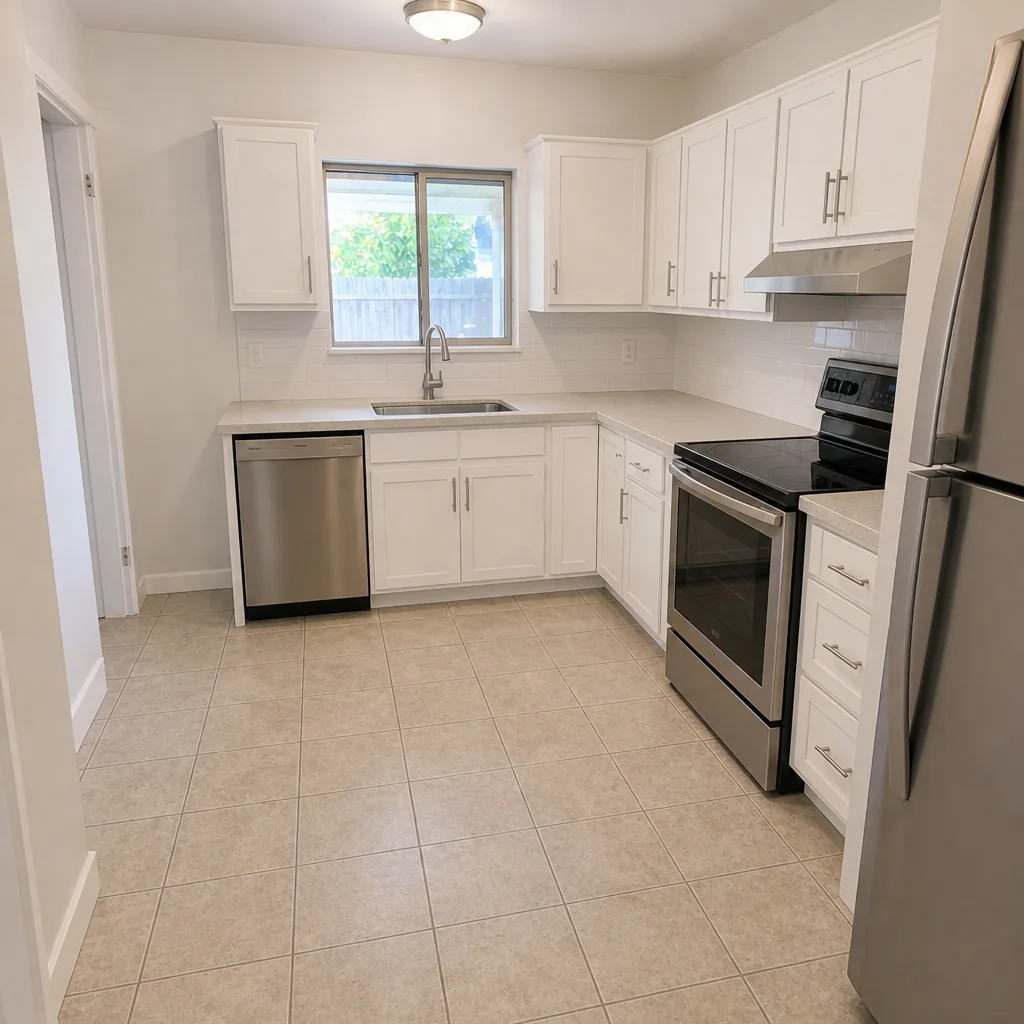 After
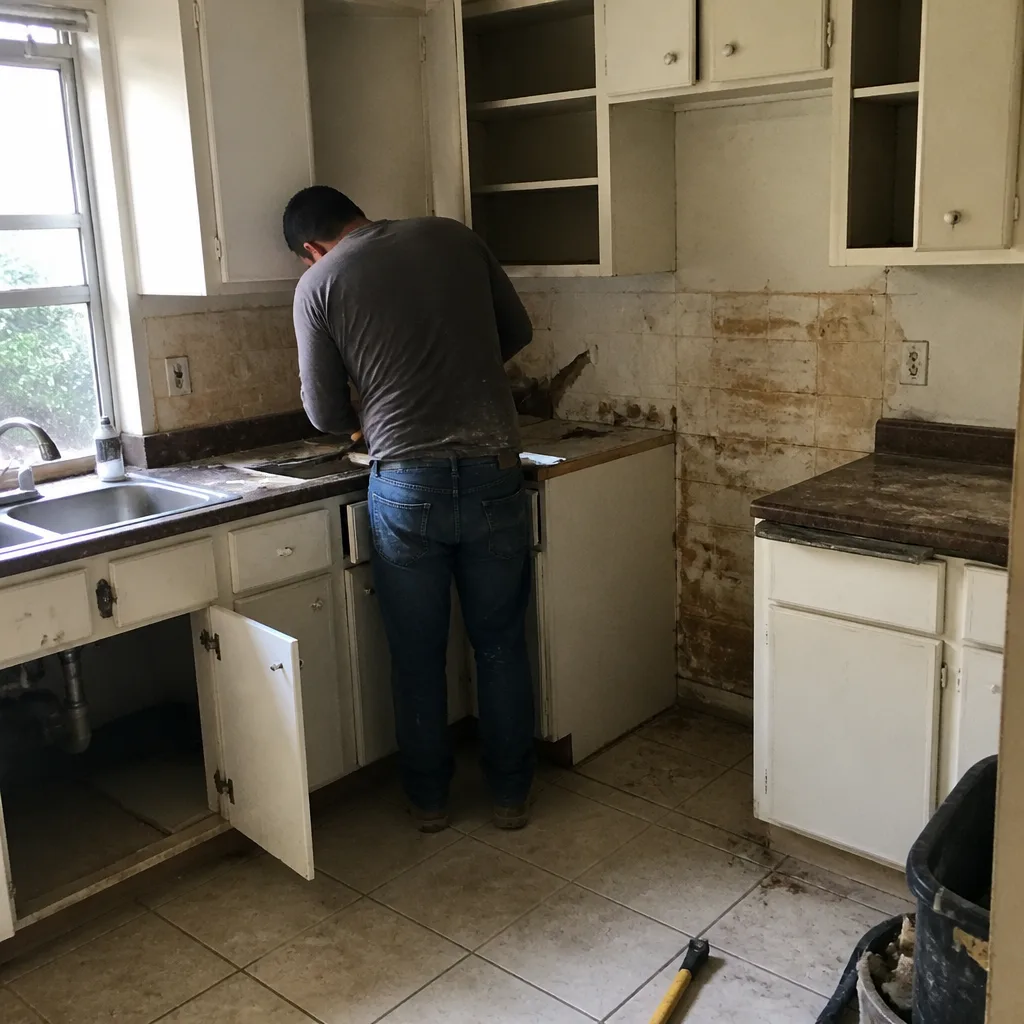 Before
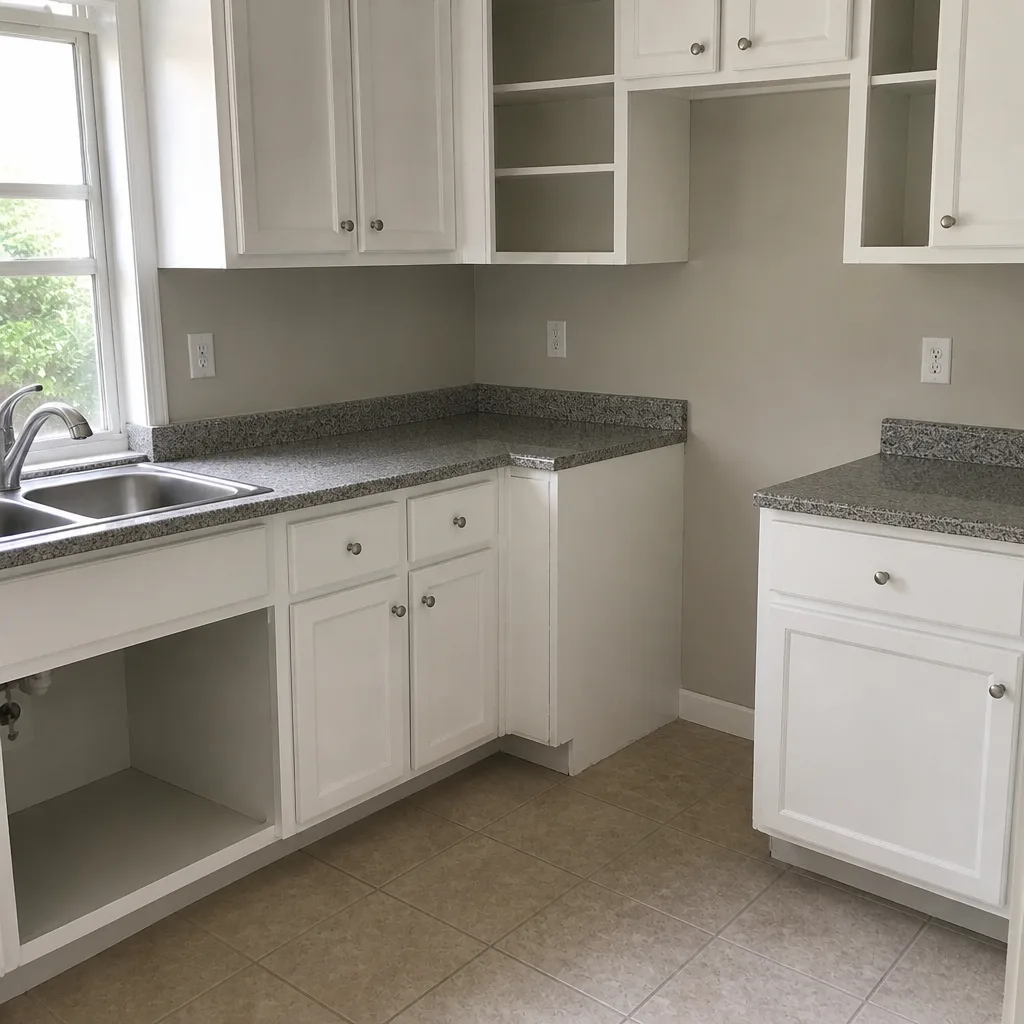 After
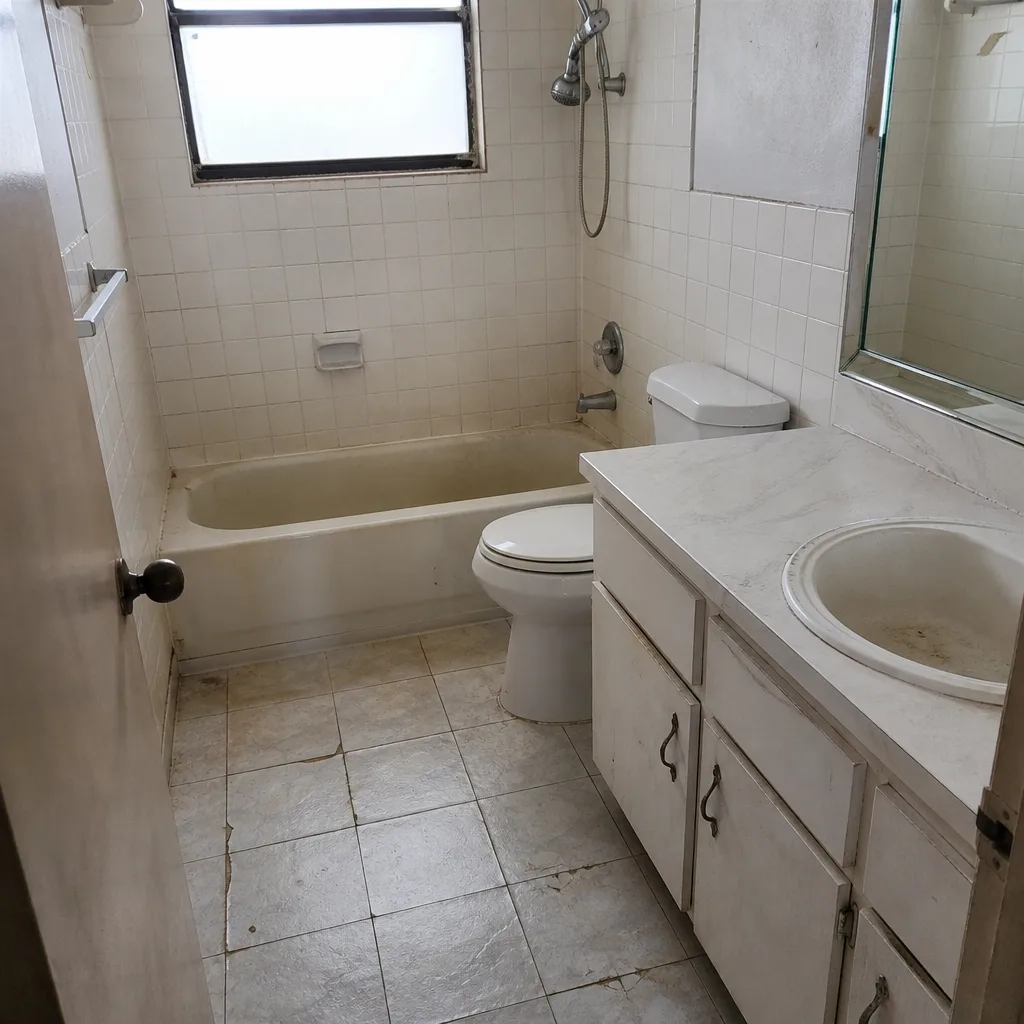 Before
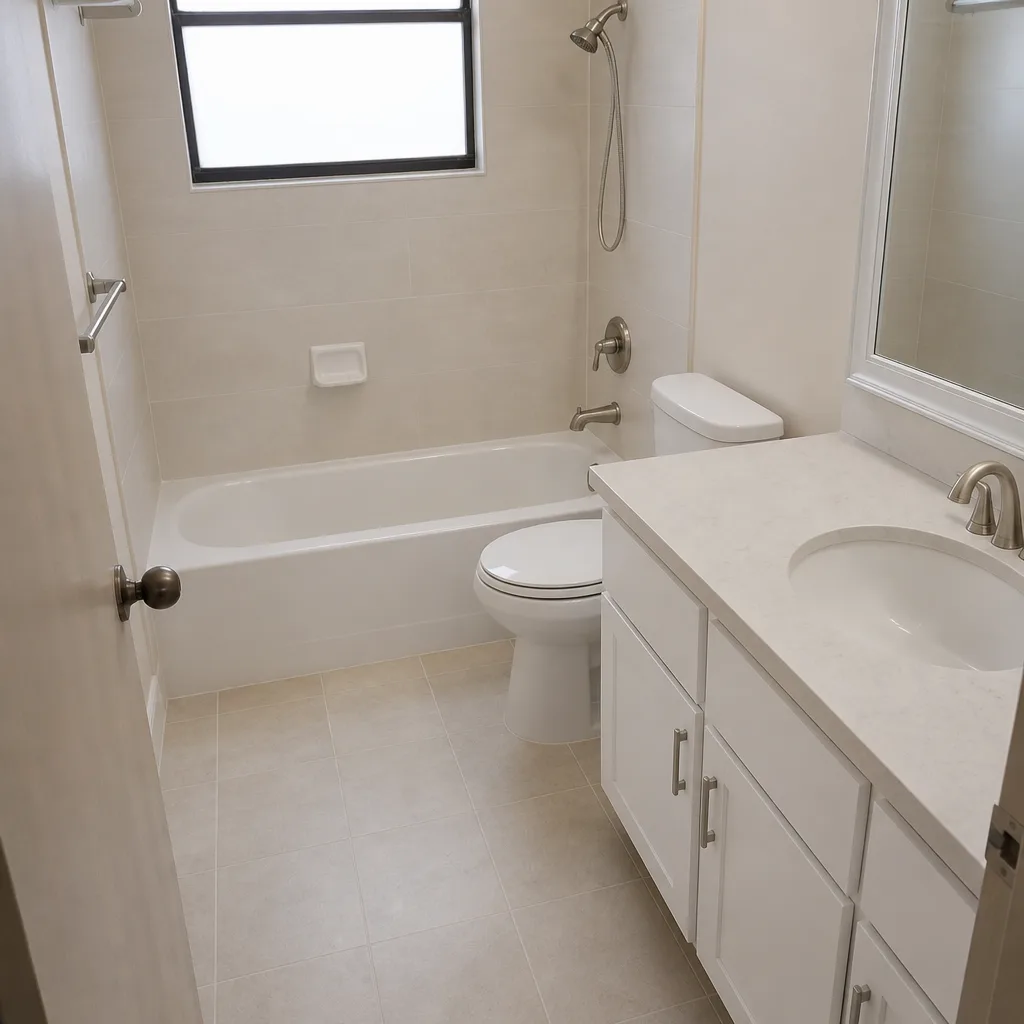 After
When to Call a Professional
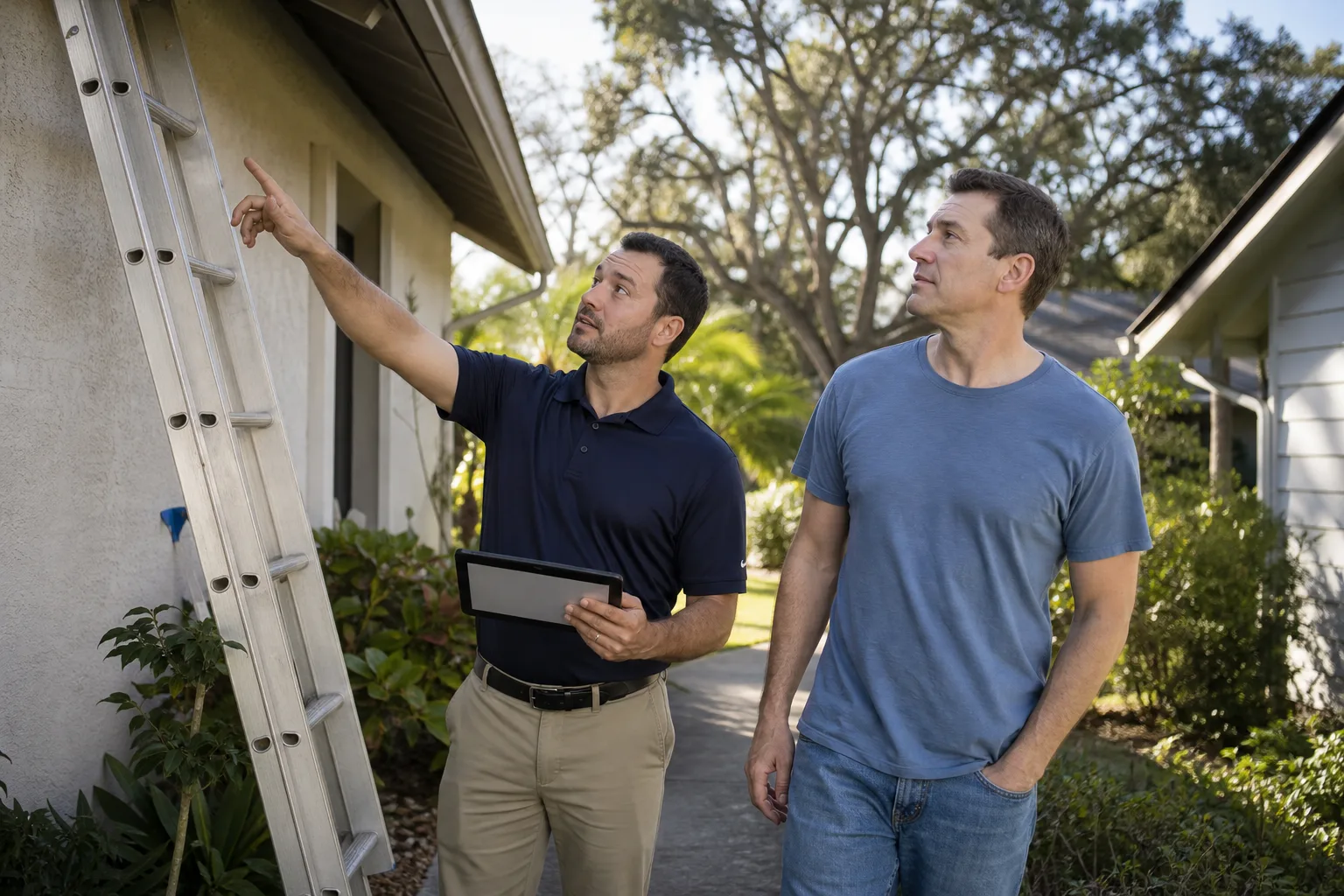
Call a professional the moment your scope touches electrical, plumbing, mechanical, or anything structural. Call one if you’re within a year of possibly selling the home, if the addition changes the roof line or the wind resistance of the home, if you’re converting a garage into living space, or if you don’t have the drawings and engineering to submit for the permit. Those are the trigger points. If you’re only doing demolition, insulation, painting, and finish work, you’re probably fine on your own – but confirm with the inspector before you start, because local interpretations vary.
Barrett & Sons Construction Doral offers free estimates in Doral, including the free-second-opinion review on any written estimate you’ve already collected. No trip charge inside the county. Call (833) 734-5128 to schedule and we’ll walk you through what’s realistically a DIY scope on your specific job and what isn’t.
Frequently Asked Questions
Not for the full scope, but you do for electrical, plumbing, and mechanical. Florida’s owner-builder exemption lets you pull the permit and act as your own contractor on a home you own and occupy, but the licensed trades stay licensed no matter who holds the permit. Structural work in Miami-Dade’s HVHZ is also best handled by a licensed GC because of the wind uplift engineering. Call (833) 734-5128 for a free estimate and we’ll help you sort the scopes.
You can, but you have to disclose the owner-builder work in writing, and the buyer can cancel the contract within the first year without penalty or explanation. The one-year window runs from the date of the final inspection or certificate of occupancy, not the contract signing. If a sale might land inside that window, plan to hold off or have a GC pull the permit instead.
The worst-case outcomes are a failed insurance claim after a storm, a dropped policy at renewal, and a forced demolition or costly code-compliance process at resale. Unpermitted structural work can also invalidate your wind mitigation certification, which affects both claims and premiums. It’s never just a fine.
Demolition, insulation, painting, finish carpentry, and landscaping around the addition are the realistic DIY scopes. Confirm each one with the permit inspector before you start, because scope lists vary by job. Anything that touches the licensed trades or the structural envelope is off the table.
Yes, and the contractor typically pulls them. Whether you file as the owner-builder or have the GC pull the permits, every addition, structural change, and licensed-trade scope needs permit and inspection in Miami-Dade. If anyone tells you permits are optional, walk away from that contractor.
Owner-builders typically save 10 to 25 percent of the total project cost on the scopes they handle themselves, mostly on labor. The savings shrink once you factor in your own time, material overages, and any inspection retries. The bigger effect of doing finish work yourself is that you control the quality of the parts you care about most, and you can direct more of the budget into the structure and envelope. For a specific number on your property, call (833) 734-5128 for an exact quote – estimates are free.
The Bottom Line
DIY and professional isn’t a philosophical question. It’s a permit question and a licensed-scope question, and Florida draws both lines more sharply than most tutorials admit. You can legally pull an owner-builder permit on your own home and handle demolition, insulation, painting, finish carpentry, and landscaping. You cannot do electrical, plumbing, or mechanical work without a licensed contractor, and the one-year disclosure rule on resale can hand a buyer an exit whenever it wants. Structural work in Doral’s HVHZ should go to a licensed GC every time. The savings on finish work are real. The savings on structural shortcuts are not – they come back as insurance denials, failed inspections, and hard conversations at closing.
Work With a Contractor You Can Look Up Before You Sign Anything
If this guide helped you decide which scopes to keep and which to hand off, the next step is a written estimate that matches your plan. Barrett & Sons Construction Doral has been owner-operated since 1998, and Tom Barrett publishes his name, his address, and his license number – look it up before you sign anything. Every eligible job gets permits pulled and inspections signed. Every scope change arrives as a written change order before a nail moves. Every completed job is backed by the 90-Day Done Right Promise, and if something isn’t right, one call brings Tom back to fix it. Premium brands installed across every trade, from KraftMaid and Cambria to GAF and CertainTeed, plus a free second opinion on any written estimate you’ve already got and a permanent 10% Senior & Veteran discount. Visit Barrett & Sons Construction Doral home for the full picture, or call (833) 734-5128 to schedule your free estimate. A live person answers, day or night.
Written by the team at Barrett & Sons Construction Doral.