Last updated November 17, 2026






Free written scope consultation - allowances, timeline, and change-order rules on paper before a single trade is scheduled
Home Additions & ADU Troubleshooting: Common Problems and How to Fix Them
Most home addition problems don’t announce themselves. They show up as the small, easy-to-dismiss stuff: the back door that needs a shoulder to latch, a hairline crack above the window, an outlet that trips whenever the AC decides to run. You tell yourself it’s nothing.
Often, it’s something. A door that won’t latch after an addition is finished is frequently the first sign that the new foundation is settling unevenly against the original structure.
We’ve walked through plenty of newly finished additions across Doral and the surrounding county, and the pattern repeats. This guide connects those small signals to what’s actually causing them, before the repair bill gets serious.
Quick Answer
Most post-construction addition problems trace back to four root causes: differential settlement between old and new foundations, roof tie-in flashing failures that leak before you see a stain, an undersized HVAC system that can’t carry the new square footage, and electrical work tapped off an aging panel without a proper load calculation. Catching a sticky door, a ceiling stain, or a tripping breaker early usually means a targeted repair. Waiting turns the same problem into structural surgery.
Styles & brands we work with
- Kitchen remodeling
- Bathroom remodeling
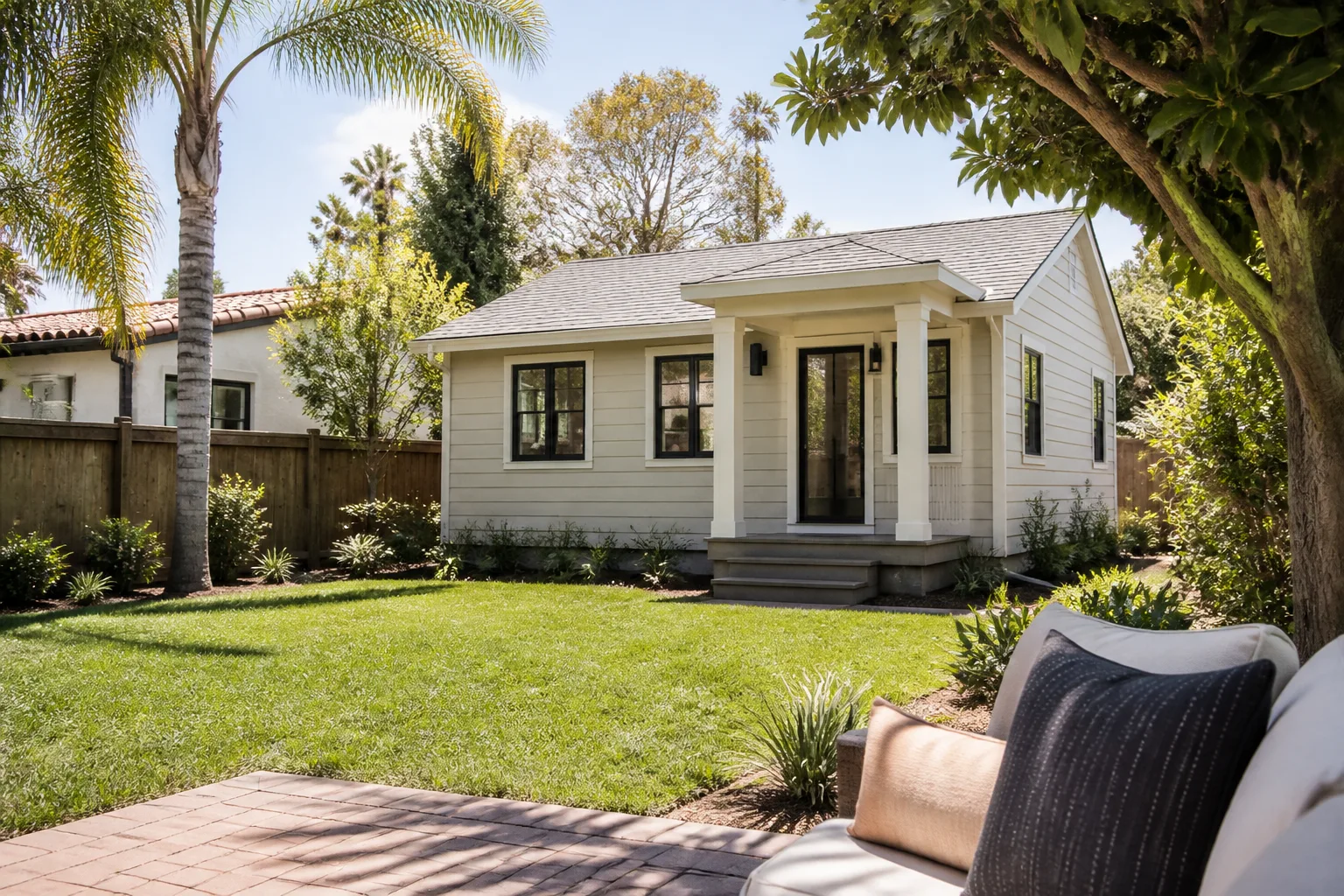
- Home additions & ADU
- Roofing
- Windows & doors
- Driveway & pavers
- Fence
Table of Contents
- Foundation Settling: Why the New Wing Moves and the Old House Doesn’t
- Roof Tie-In Leaks: The Flashing Failure Nobody Checked
- HVAC Capacity After an Addition: Signs Your System Is Now Undersized
- Electrical Problems From Tapping an Aging Panel
- Sticking Windows and Doors: Reading the Signals
- Contractor Disputes in Florida: How to Document and Escalate
- Keeping a New Addition Healthy Year After Year
Foundation Settling: Why the New Wing Moves and the Old House Doesn’t
South Florida sits on expansive soils that swell when wet and shrink hard in dry weather. Your original home has spent decades finding its level in that ground. A brand-new addition footed on fresh soil hasn’t. When the two structures settle at different rates, the joint between them moves, and that movement shows up far from the foundation itself.
In our experience in Doral, this is the single most common cause behind a door that won’t latch or drywall cracks that fan out from the corners of the addition. The new slab or pier system carries a different load than the original, and the soil under each responds differently through the wet and dry seasons.
How a proper diagnosis works:
- Mark every crack and every sticking door with painter’s tape and a date. Re-check in 60 to 90 days.
- If the movement is still actively changing, elevation readings are taken at the old foundation and the new one.
- A soil check tells you whether the issue is a drainage problem funneling water under one corner or a footing that was under-designed.
- The fix is usually site drainage and re-leveling at the joint – sometimes pier work – not patching drywall over a moving wall.
Patching a crack that keeps reopening is one of the most common wastes of money we see. Find the cause first. If you’re still planning the project, our Home Additions & ADU in Doral page covers how footings and drainage are scoped from day one.
Roof Tie-In Leaks: The Flashing Failure Nobody Checked
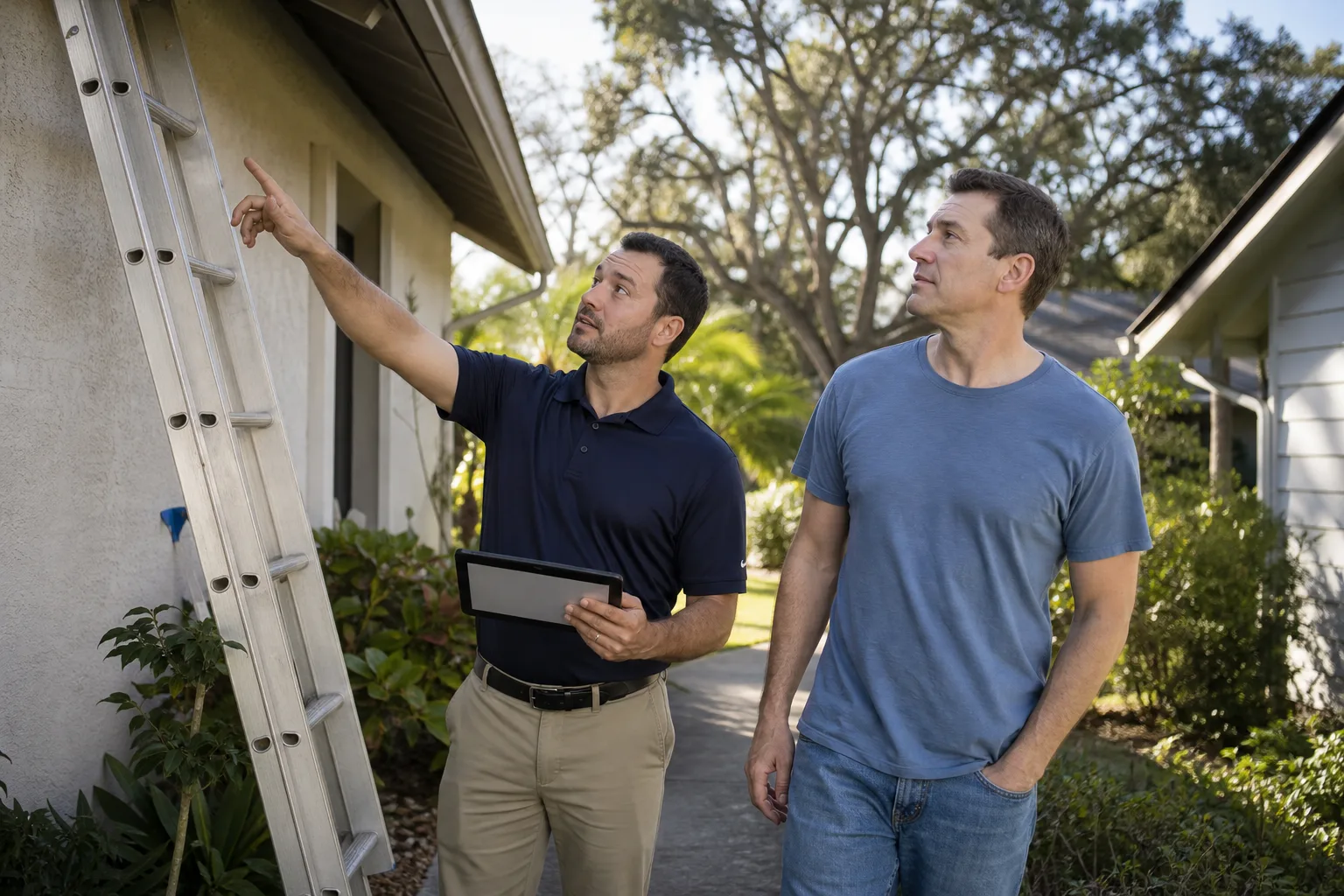
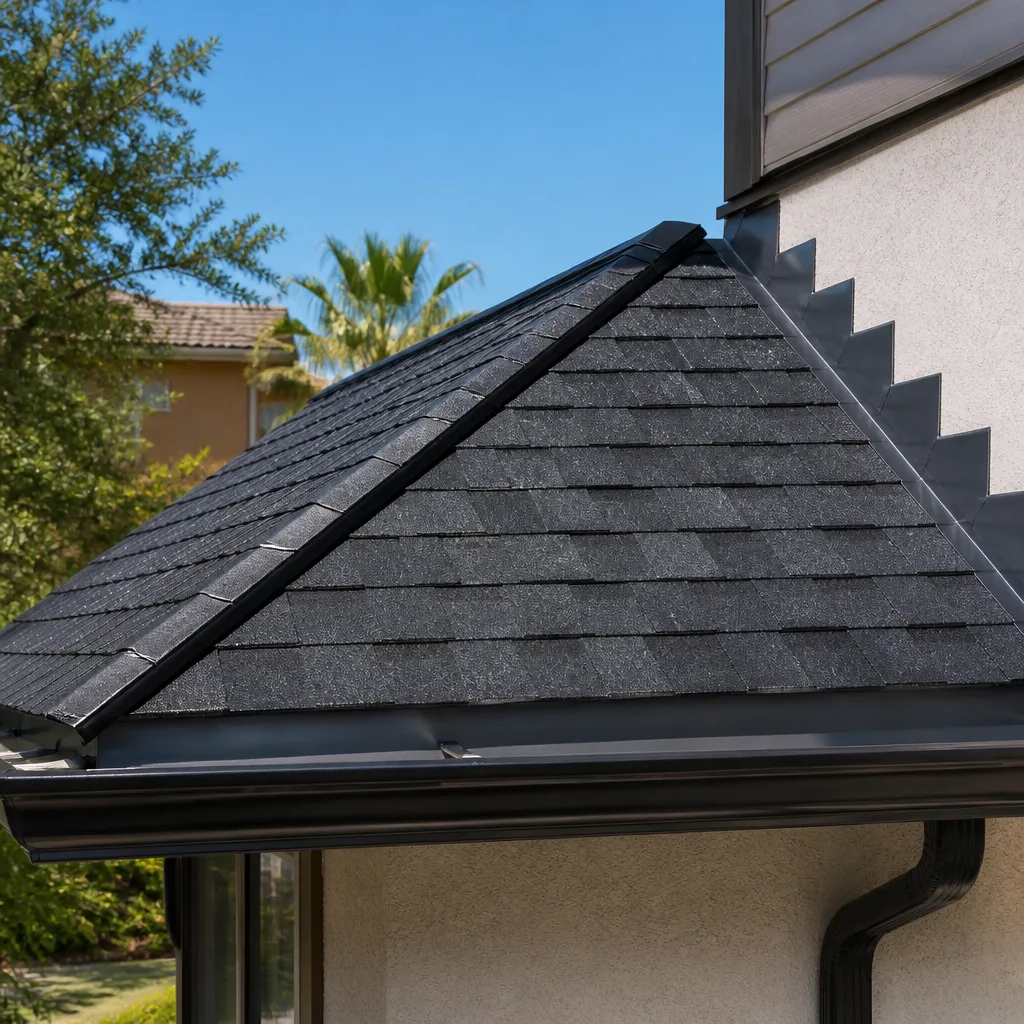
The seam where the new roof meets the original roof is where most addition leaks begin, and it’s the spot most likely to be waved past at final walkthrough. A flashing detail that looks fine from the ladder can let water ride sideways under shingles for months before you see a ceiling stain inside.
Why it fails here: Doral summers deliver wind-driven rain at an angle that pushes water into places straight-down rain never reaches. A tie-in that’s acceptable in a mild climate can fail in a South Florida squall.
What to check and what to do:
- Look at the valley from below, not just above. Step-flashing should be woven against the siding or laid in courses, not surface-caulked. Caulk is a four-season bandage, not a fix.
- Watch for separation at the wall-to-roof meeting. A gap the width of a coin is enough to let water in.
- Check the crawl or attic side after heavy rain. Moisture travels; the leak may show up six feet from the actual breach.
A proper repair means tearing back the shingles to the tie-in, installing new metal flashing, and re-laying with a water barrier underneath. Brands like GAF and CertainTeed make flashing and underlayment components that hold up. Don’t let anyone seal a leak over the top.
HVAC Capacity After an Addition: Signs Your System Is Now Undersized
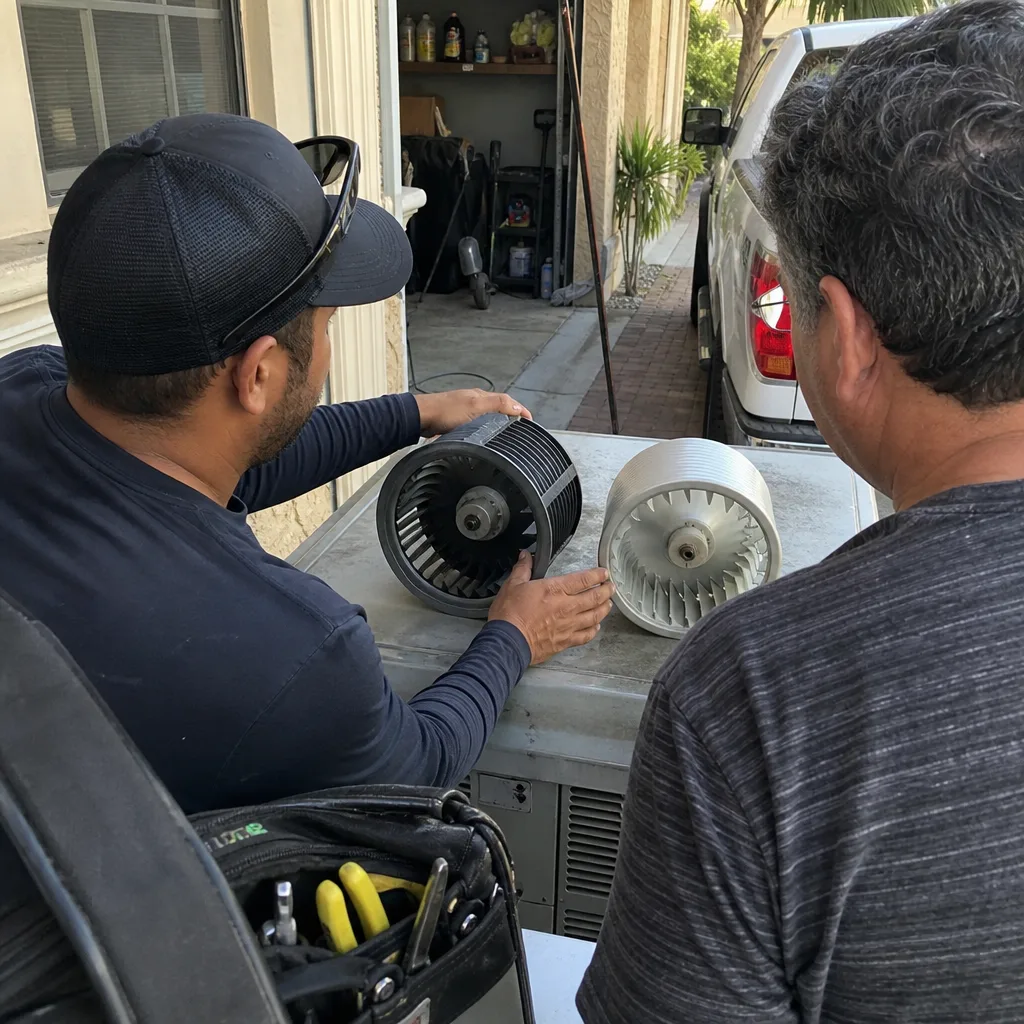
Adding square footage without recalculating the load is a quiet mistake. The system that kept a 1,600-square-foot house comfortable now has to carry 2,200 square feet, and it can’t. The signs creep in: the new room never quite cools, the system runs constantly, humidity climbs, and the energy bill jumps.
A proper load calculation (a Manual J) accounts for the addition’s windows, insulation, and sun exposure. Here’s what to look for before you call anyone:
- Room temperature gaps. If the addition runs 4 to 6 degrees warmer than the rest of the house in the afternoon, the system is short.
- Short cycling in the original rooms. The thermostat satisfies the old space fast but the new wing never catches up.
- Duct sizing. A single added register won’t fix it if the trunk line was sized for half the new volume.
The fix is usually a right-sized mini-split for the addition or a whole-system upgrade evaluated on a real load calculation, not a guess. Paying for a quick add-on without the math tends to cost twice.
Electrical Problems From Tapping an Aging Panel
Running new circuits off an older panel is where a lot of additions get into trouble. The new wiring might be flawless and the panel still not safe to carry it. Older Doral-area homes often still run the original panel, and adding an ADU, a kitchen, or a bath off that panel can push it past what it was rated for.
Signs the panel is the problem:
- A breaker that trips on a schedule rather than occasionally. Repeated trips are the load telling you it doesn’t fit.
- Lights that dim when the AC or a dryer kicks on. That’s a load or connection issue worth investigating.
- Warm panel covers or a faint burning smell. Stop. Turn it off and call someone.
Specific code triggers in Miami-Dade: an ADU with its own kitchen and laundry usually needs its own feed and subpanel, not a tap off the house. Wet-location areas (baths, kitchens, laundry, outdoors) call for GFCI protection, and Florida’s updated code requirements for AFCI breakers have caught plenty of older installs off guard at inspection.
Safety note: the electrical panel and any work tied into it is genuinely dangerous. This isn’t a weekend project. A trained, licensed electrician handles the load calculation and the connection; don’t open the panel yourself.
Sticking Windows and Doors: Reading the Signals
A window that was smooth on day one and now sticks is a symptom with several possible causes. If it’s a window in the addition and it’s been six months since the work was signed off, look at the structure. If the window is in the original house and the addition is new, suspect differential movement at the joint.
Try this diagnostic first: open the window fully and look at the gap between the sash and the frame. An even, straight gap that still sticks means the frame has racked slightly. An uneven gap that tapers means real movement. The first is often a hardware fix; the second is worth a structural look.
Andersen and Marvin windows hold their tolerances well, but even a premium window will bind if the wall it’s set in has moved. If the fix turns into reframing, it’s time for someone who knows how to check the structure before patching the opening. You can browse Barrett & Sons Construction Doral home for the full picture of how we scope window and structure work together.
Contractor Disputes in Florida: How to Document and Escalate
If a problem isn’t getting fixed, documentation matters more than anger. Florida has a clear path, and you want to walk it in order.
- Keep a dated file. Photos, contract, change orders, invoices, texts, and emails. Every conversation from here forward gets confirmed in writing within a day.
- Send a written notice of the defect to the contractor. Describe exactly what’s wrong, where, and when it started. Include photos. Send it by a method you can prove (certified mail or a tracked email) and keep the receipt. This is the step most people skip and later regret.
- Give a reasonable cure window. Florida statute is built around notice and opportunity to fix. A written deadline of 10 to 30 days is standard for a defect claim.
- Request the remedy in writing. If the contractor doesn’t respond or refuses, save that written refusal too.
- Escalate. A complaint with the Florida Department of Business and Professional Regulation (DBPR) usually needs the written notice and a copy of the contract. If the defect involves structural or code-level work, pull the permit file with your local building department first; the inspection history helps your case.
The written notice requirement isn’t a technicality. Contractors who won’t show up to fix a defect usually lose when the documentation is clean, and homeowners who skip the notice step often find the process much harder. If your dispute is with a national outfit that quoted you one number and billed another, it’s also worth reaching out for a free second opinion on any written estimate before you sign anything else.
Keeping a New Addition Healthy Year After Year
An addition ages better with a small annual routine. This is the part most people skip, and it’s where the stuck door and ceiling stain come from.
- Check the roof tie-in every spring. Look for flashing separation and any new staining on the ceiling below.
- Clear the drains and check grading where the addition meets the original slab. Water pooling against the joint speeds up differential settlement.
- Watch the joint for a few weeks after the dry season and again after the wet season. Movement that changes season to season is the one to track.
- Test every GFCI outlet monthly. A button that doesn’t pop means the protection has failed.
- Get the HVAC filter changed on schedule. An addition that carries more load is more sensitive to a clogged filter and dirty coils.
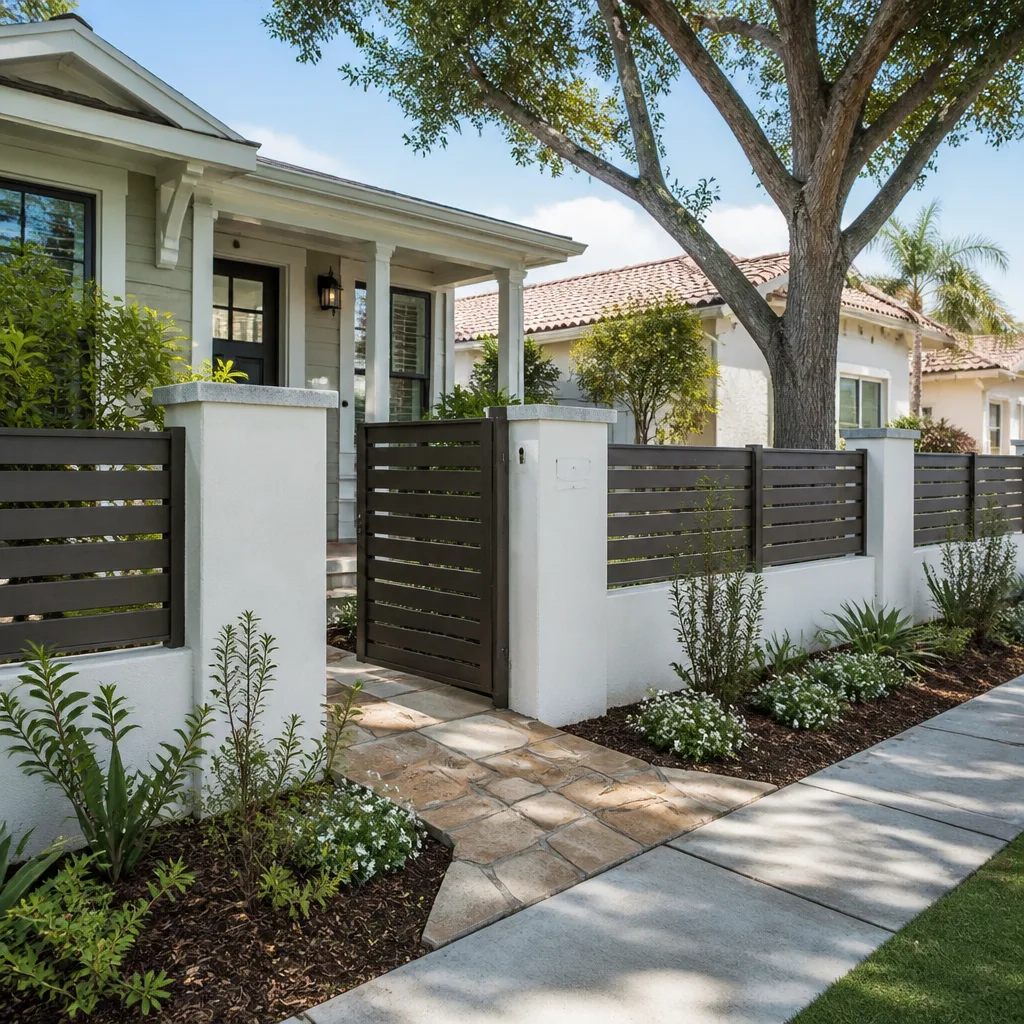
If you’re planning hardscape or drainage around a new addition, the same water-control logic applies. Our Driveway & Pavers in Doral page covers grading that keeps water moving away from the structure, and Fence Installation in Doral shows how gates and fencing get set so they don’t aggravate the drainage you just fixed.
Common Mistakes to Avoid
- Patching drywall over a moving crack. It looks fixed for a season and hides the real cause. Find why the wall moved before you touch the surface.
- Skipping the roof tie-in inspection. Leaks start at the seam and often show up months later, long after the final check. Look at it yourself before the crew leaves.
- Adding square footage without a load calculation. If your contractor sized the HVAC from a rule of thumb rather than a Manual J, expect comfort problems within the first summer.
- Tapping an aging panel without checking its capacity. The panel might be rated for less than the addition needs. The breakers will tell you before the fire does.
- Accepting verbal change orders. In Doral, an allowance that isn’t on paper is a surprise waiting for a date. Get every scope and price change in writing before work starts.
- Filing a complaint without the written notice. DBPR and most Florida dispute paths expect you to have given the contractor a documented chance to fix it first.
- Ignoring a door that won’t latch. It’s often the cheapest early signal you’ll get that the two structures are settling apart.
See the difference
 Before
 After
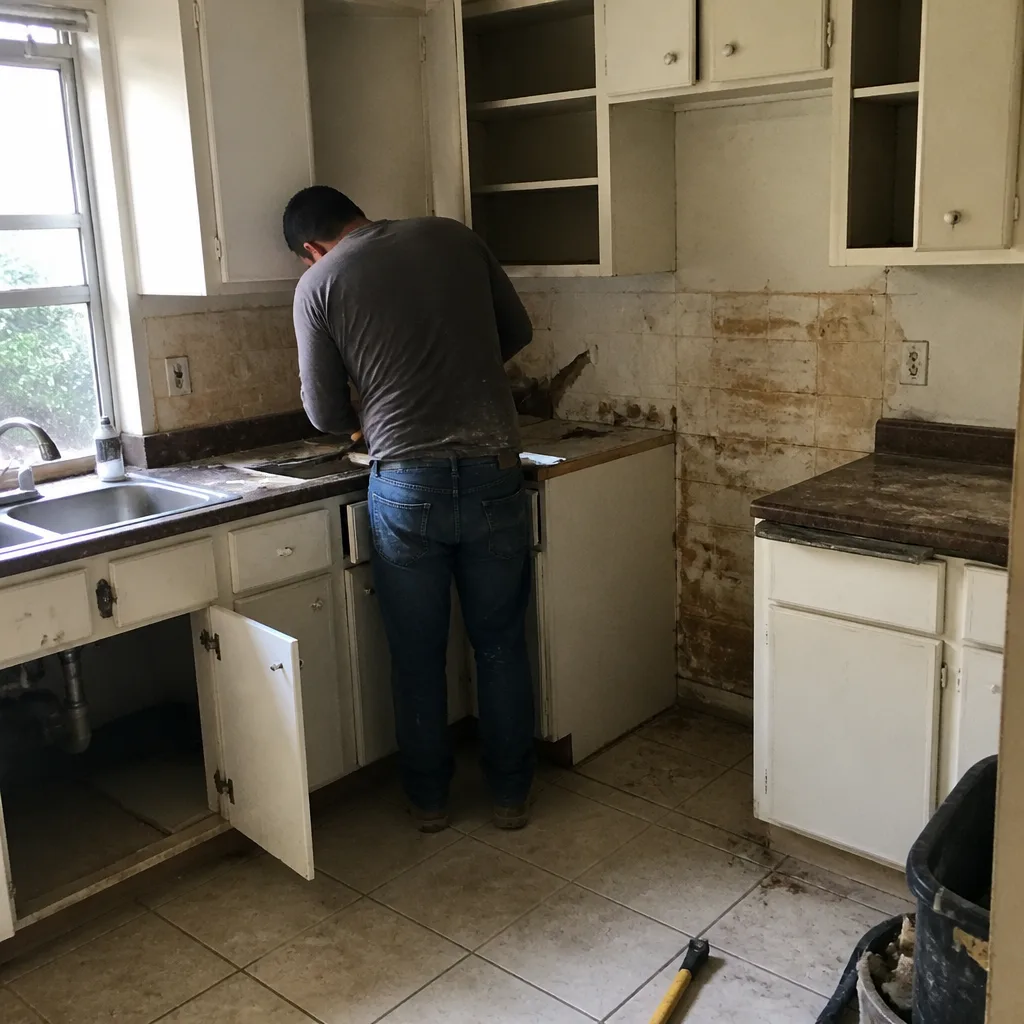 Before
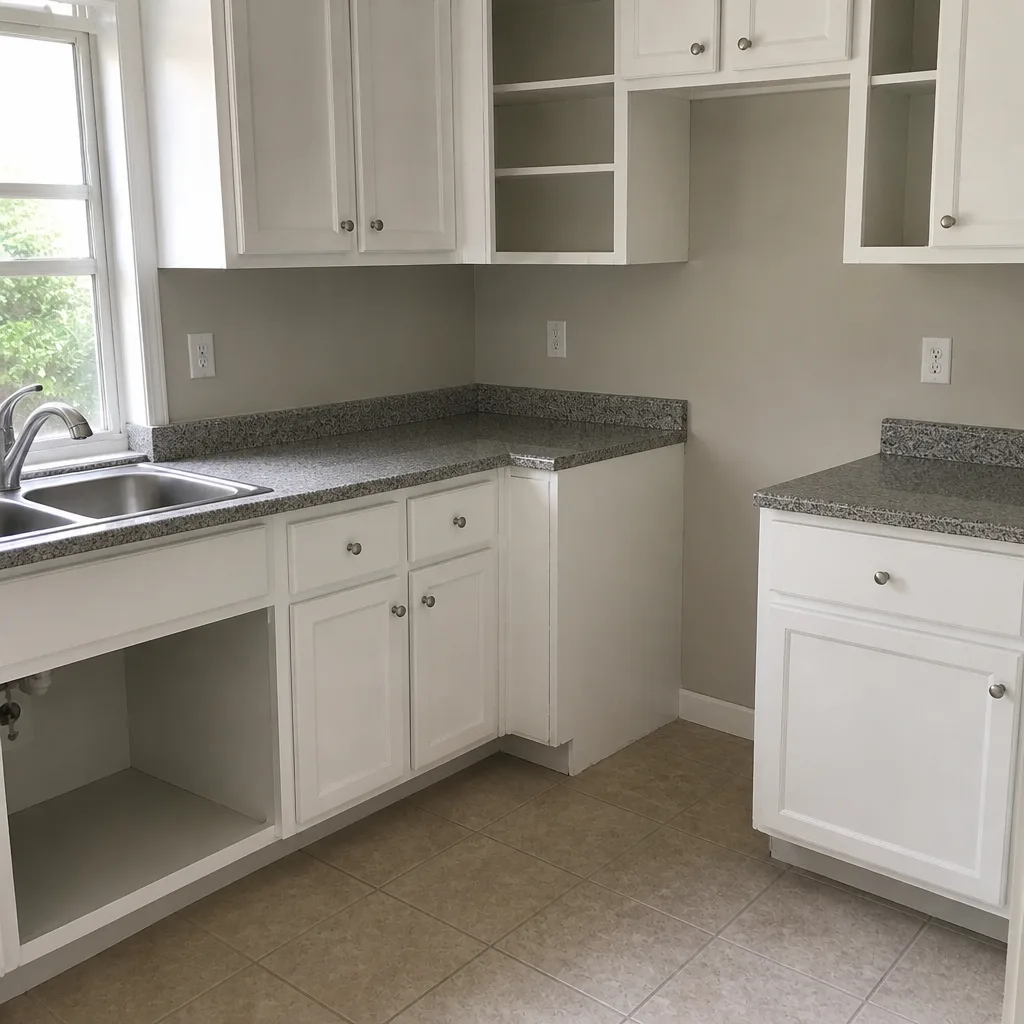 After
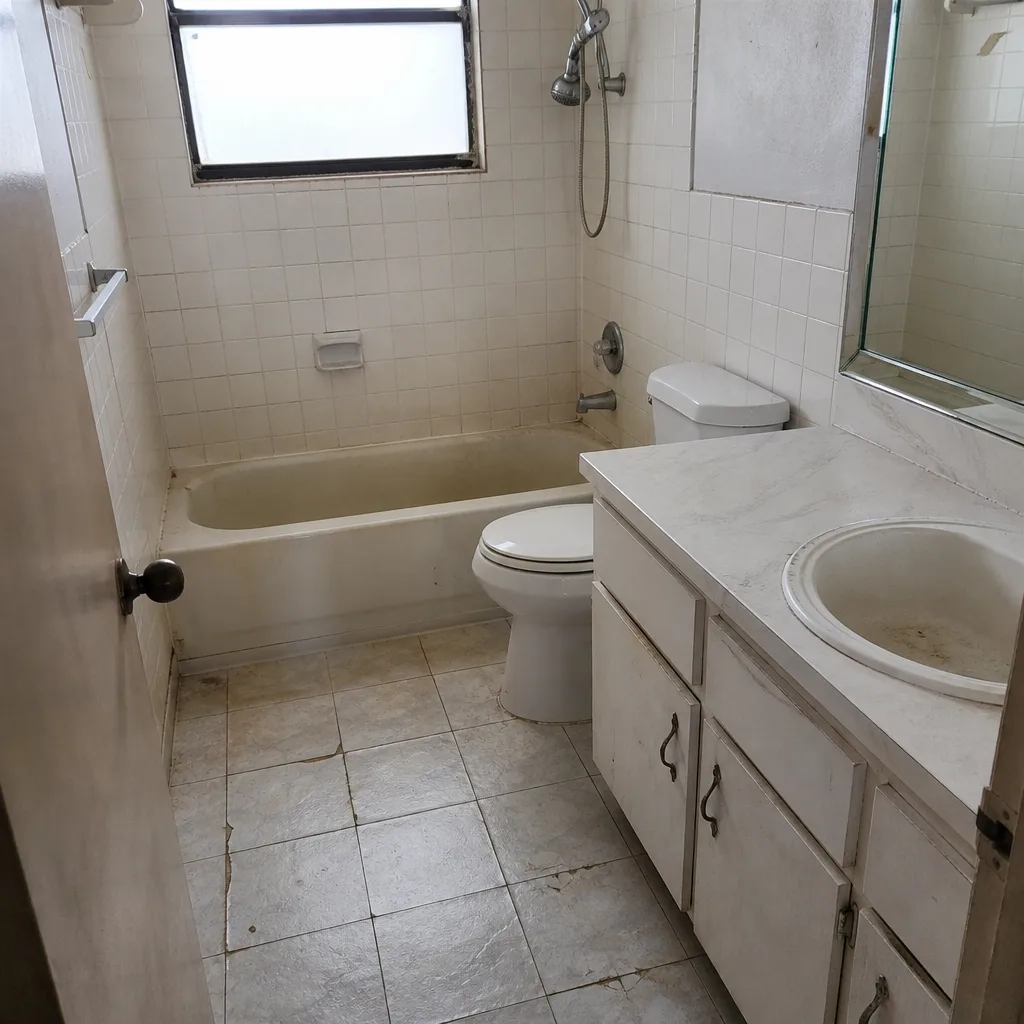 Before
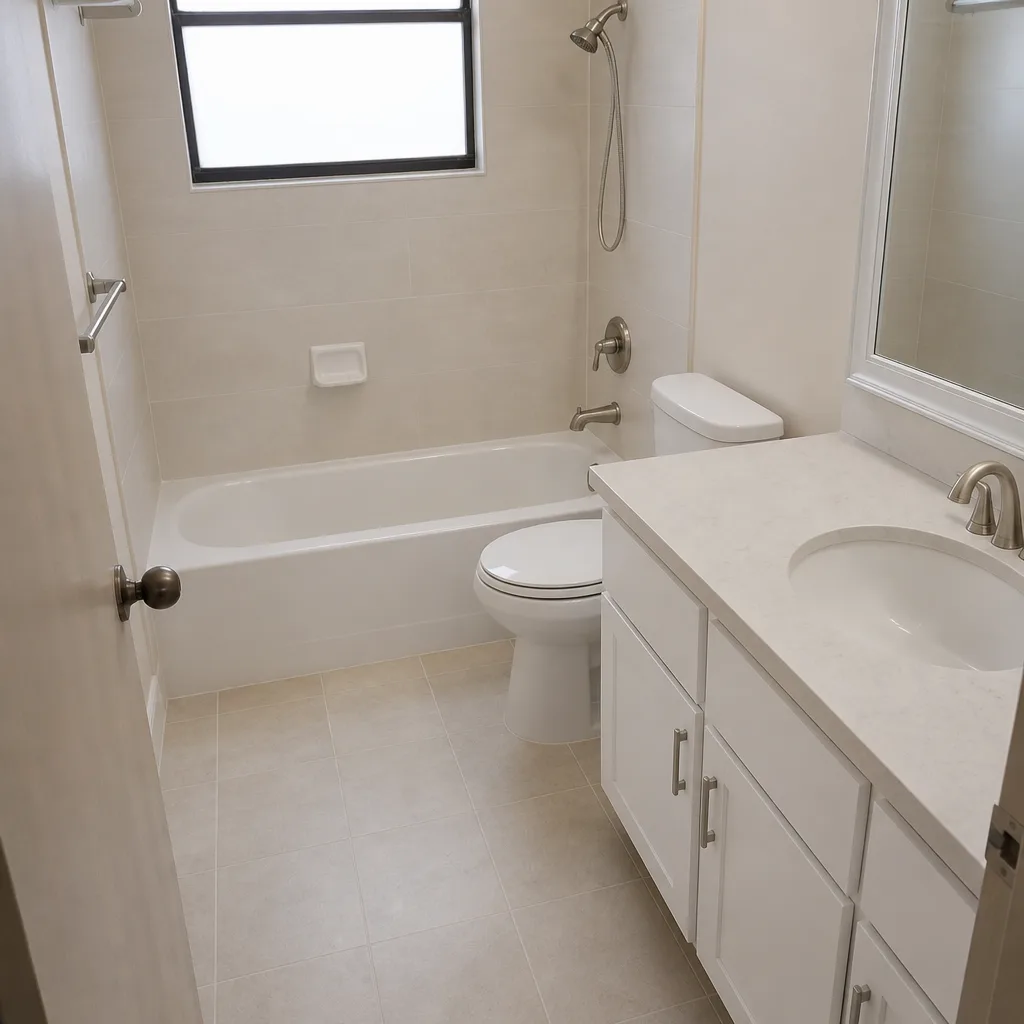 After
When to Call a Professional
Some problems are a quick fix. Others are the job telling you the structure is moving. Call a professional when you see: active movement that keeps reopening cracks, a leak at the roof tie-in after a second attempt to seal it, a panel that trips or smells hot, an HVAC system that can’t hold the new room within a few degrees, or a written dispute with a contractor that’s going nowhere.
These are the cases where a bad diagnosis is expensive. At Barrett & Sons Construction Doral, we pull the permits, get inspections signed, and put every scope change in writing before work happens. We offer free estimates in Doral and the surrounding communities; call (833) 734-5128 to schedule yours.
Frequently Asked Questions
Most differential settlement repairs run from a few thousand dollars for drainage correction and joint re-leveling up to significantly more if pier work is needed, and the exact figure depends on how many footings are affected and how deep the movement goes. Get an elevation reading before agreeing to any number. Call (833) 734-5128 for a free estimate on a proper diagnosis.
The leak is almost always at the tie-in flashing where the new roof meets the original, not in the shingles you can see. Wind-driven South Florida rain pushes water sideways under a flashing detail that looks acceptable from above. The fix is new metal flashing and underlayment at the seam, not another layer of caulk.
Usually not, if the addition adds more than a few hundred square feet. An existing system sized for the original house runs short and never quite cools the new wing. A proper load calculation tells you whether a separate mini-split for the addition or a full system upgrade is the right move. Call for a free estimate before you buy equipment based on a guess.
An ADU with its own kitchen and laundry typically needs its own subpanel and feed, not a tap off the original house panel, and code requirements for GFCI and AFCI protection are strict here. A licensed electrician should do the load calculation and open the panel. It’s dangerous work, and the inspection will catch shortcuts anyway.
Send a written notice of the defect to the contractor, describing exactly what’s wrong and giving a reasonable deadline to fix it, then keep proof you sent it. If they refuse or ignore it, that written record is what you need to file a DBPR complaint. Get a second opinion on the original estimate before you sign with anyone else.
It shouldn’t. A written, line-item estimate with named allowances is the standard, and any change to scope should arrive as a written change order before the work happens. If a contractor can’t put allowances on paper, that’s the signal to walk. Call (833) 734-5128 for a written estimate with no surprise invoices at the end.
The Bottom Line
The small stuff is the early warning system. A door that won’t latch, a crack above the window, an outlet that trips on a schedule, a ceiling stain after a storm: each one points to a cause that’s cheap to fix now and expensive later. Watch the joint between old and new, check the roof tie-in every spring, and insist on a real load calculation before any HVAC decision. When a problem keeps coming back, get a proper diagnosis instead of another patch.
Barrett & Sons Construction Doral builds additions and ADUs with permits pulled, inspections signed, and written change orders on every scope shift. Estimates are free.
Written by the team at Barrett & Sons Construction Doral.