Last updated November 17, 2026





Free written scope consultation - allowances, timeline, and change-order rules on paper before a single trade is scheduled
Bathroom Remodeling Troubleshooting: Common Problems and How to Fix Them
If your bathroom grout is cracking within a year of a remodel, it’s almost never a grout problem – it’s a substrate or waterproofing failure that the tile and grout are just the first to show. That’s the lesson from nearly three decades of handling bathroom remodels around Doral, and it’s the one most homeowners learn the expensive way. We’re talking to people who paid once, watched things go wrong, and don’t want to pay twice.
This guide teaches you to sort a bathroom problem into one of three root-cause buckets before you start tearing anything apart: waterproofing shortcuts, ventilation undersizing, or plumbing rough-in errors that got tiled over. Two of those three hide behind finished walls. Knowing which one you’re facing changes everything about the fix.
Quick Answer
Most post-remodel bathroom problems fall into three categories – waterproofing failures behind the tile, undersized or disconnected exhaust ventilation, and plumbing rough-in errors covered by finish work. Diagnose the category first with moisture readings, a fan flow check, and a pressure test before any demolition. Surface repairs without finding the root cause almost always fail a second time.
Styles & brands we work with
- Kitchen remodeling
- Bathroom remodeling
- Home additions & ADU
- Roofing
- Windows & doors
- Driveway & pavers
- Fence
Table of Contents
- Cracking Grout and Efflorescence: Surface Failure or Waterproofing Failure?
- Persistent Mildew Smell After a Remodel: Three Different Fixes
- Low Water Pressure After a Remodel: The Three Usual Suspects
- Tile Lippage and Cracking in Doral Homes
- How to Document a Failed Remodel in Florida
- Common Mistakes to Avoid
- When to Call a Professional
- Frequently Asked Questions
Cracking Grout and Efflorescence: Surface Failure or Waterproofing Failure?
Cracked grout and white powdery bloom (efflorescence) look the same on the surface, but they come from opposite problems. Efflorescence is mineral salt pushed through the tile assembly as water migrates behind it and evaporates at the surface. Cracking in a straight line along a joint is usually movement. Cracking in a spiderweb pattern across the field is usually substrate failure. Neither is a grout problem. Both point to what’s happening behind the tile.
Before you let anyone touch that floor, run these diagnostics:
- Pinch test on the white powder. Rub efflorescence between your fingers. If it dissolves and tastes salty on the tongue (a tiny touch is safe), it’s mineral salt migrating through – a moisture source behind the tile. If it’s gritty and doesn’t dissolve, it’s grout residue or adhesive haze from the original install.
- Tap the tile with a plastic tool handle. A hollow, dull “thud” over an area means the thinset didn’t bond or has failed. Solid tile sounds tight and sharp. Mark the hollow spots with painter’s tape.
- Check moisture at the base of the wall. A pin-type moisture meter on the drywall above the shower curb, or on the floor near the shower, should read under 15%. Anything higher on a bathroom that’s been dry for a week says water is trapped.
- Look at the shower pan corners. Cracking that radiates from the pan corners or the curb is the signature of a missing or improperly sloped pan liner – the number one waterproofing shortcut we see. Doral homes built on slab after 1990 usually have PVC liner pans; pre-1990 remodels sometimes have no liner at all or a copper pan that’s pinholes and rust.
If the hollow spots cluster around the drain, the corners, or the base of the shower wall, you’re looking at a waterproofing failure and the surrounding tile has to come out. No amount of regrouting lasts more than a season when the assembly underneath is wet.
Persistent Mildew Smell After a Remodel: Three Different Fixes
A mildew smell that comes back within weeks of a fresh remodel is a diagnostic puzzle with three honest answers, and they have nothing to do with how well anyone cleaned. The three root causes are: undersized exhaust fan (CFM shortfall), exhaust duct that’s disconnected or venting into the attic, and hidden moisture intrusion into the wall cavity or subfloor from a plumbing or waterproofing leak.
Here’s how to tell them apart without cutting anything:
- Fan CFM check. Bathroom fans should move 1 CFM per square foot of bathroom floor area at minimum. A 50-square-foot bathroom needs 50 CFM. A 70-square-foot Doral master bath with a 40 CFM builder-grade fan was undersized from day one, and it will never dry the shower. A cheap handheld anemometer (about $40) reads flow at the grille; anything under 60% of rated flow means the fan or the duct is failing.
- Duct check. Climb into the attic, or have someone do it. A duct that’s disconnected from the roof cap, kinked at a 90-degree turn, or dumping into the attic insulation will pump moist air right back into the house. Confirm the duct exits through the roof.
- Moisture test. If the fan and duct check out and the smell persists only after showers, suspect a slow leak. A pin moisture meter on the baseboards behind the toilet, inside the vanity cabinet, and along the shower wall is your next read. Splash a sample of the subfloor near the toilet flange – a soft, musty read there means a leaking wax ring or supply line got tiled over.
The fix depends entirely on which one you’ve got. A bigger fan is a two-hour job. A disconnected duct run is a half-day. A hidden leak is a demo. In Doral, we’ve seen the third case more than the first two combined, because slab-built homes hide plumbing runs where a small leak can feed a wall for months before you touch it.
Low Water Pressure After a Remodel: The Three Usual Suspects
Reduced flow from a remodeled shower or faucet is almost never a “remodel went bad” issue, and homeowners waste hundreds on unnecessary fixes chasing it. The three usual causes get progressively more expensive to rule out, so check them in this order:
- Shutoff valve not fully reopened. Every fixture has an angle stop behind the wall or under the sink. When a plumber closes one during rough-in and only cracks it halfway open at the end, you get correct pressure at the sink but a stalled shower head. Turn each shutoff fully counterclockwise to the hard stop and re-test. This solves the problem about a third of the time.
- Flow restrictor at the rough-in or in the showerhead. New shower valves and heads come with a flow restrictor (usually a small plastic insert) that a plumber may have left in place if it was a replacement, or doubled up if the fixture was swapped after the valve was set. Unscrew the showerhead and check for a plastic disc in the valve body or the head. If there are two restrictors stacked, removing the extra one restores flow.
- Water hammer arrestor needed. If you hear banging in the wall when the shower or a nearby toilet shuts off, you don’t have a pressure problem – you have a shock wave problem. A water hammer arrestor (a small air-charged device) installed at the fixture stops it. This is a legitimate skill-required plumbing job if the wall is closed.
If all three of those check out and flow is still low, the last suspect is a partially blocked supply line from sediment that got knocked loose during rough-in. That’s a call to a plumber with a camera.
Tile Lippage and Cracking in Doral Homes
There’s a specific reason bathroom floor tile in Doral and similar South Florida markets cracks and lips at joints after a remodel, and it’s not the tile’s fault. Doral homes are almost entirely built on slab foundations (the CBS construction method – concrete block and stucco), which behaves differently than wood subfloor up north. Slab movement from seasonal moisture changes, plus the natural flex that occurs at the perimeter of a slab where it contacts grade, puts lateral stress on a tile installation. If the tile was laid with insufficient thinset coverage (under 80% is a failure in any standard) or without an uncoupling membrane, the deflection transfers straight to the tile.
The signature pattern is lippage – one tile edge sitting higher than its neighbor by 1/16 inch or more – appearing along a straight line that reaches to the wall. That line is usually a control joint the installer skipped, or the edge of a slab crack the installer tiled right over.
What you can check:
- Run a straightedge across the floor. Any rocker of 1/8 inch or more across two tiles is a lippage issue.
- Look for cracking that follows a straight line: that’s slab movement, not thermal or impact damage.
- Tap suspect tiles for the hollow-thud sound of failed thinset.
- Ask for the original thinset product name. Modified thinset with an uncoupling membrane (Schluter, Laticrete, Mapei systems) is standard for Doral slab-on-grade bathrooms. Plain thinset over a bare slab, with no membrane, will fail over time.
In our experience, this is the failure we’re asked about most in Doral, and it’s the one least documented by the original contractor – so knowing the pattern before you call gives you real leverage.
How to Document a Failed Remodel in Florida
If a remodel failed and you’re headed toward a contractor dispute or an insurance claim, the quality of your documentation determines the outcome more than the size of the failure. Florida construction law (Chapter 489 and Chapter 558, the notice-of-claim statute) has specific requirements for pre-suit notice, and insurance adjusters want the same kind of evidence. Get it before the contractor touches anything.
Here’s what to capture:
- Photograph the failure at three scales. Wide shot showing the room and the location, medium shot showing the specific failure, and a close-up with a tape measure or penny for scale. Include a date-time stamp, and keep the original unedited files – not just texted copies.
- Write a dated log. Every phone call, every visit, every promise, every price change. Note what was said, not just what was done.
- Get the moisture and substrate readings in writing. If you or a professional ran a moisture meter or tapped test on the tile, record the readings with the date. Adjusters weight documented data over impressions.
- Preserve the failed material. Don’t let anyone haul the cracked tile, the failed pan liner, or the wet drywall to the dump before photographs and a sample are taken. That sample is evidence.
- Send a written demand letter. Under Florida’s Chapter 558 process, before you file suit against a contractor you generally must serve a written notice of claim describing the defect and giving the contractor a chance to inspect and respond. The letter should be dated, describe each defect, reference your contract, and demand a cure deadline. Time is short – Florida has shortened construction defect statutes, so don’t wait on sending this.
If you’re in Doral and need a second look at a failed remodel, our free second opinion on any written estimate is a good place to start – we’ll walk the bathroom and give you an honest read on what you’re looking at before you move forward.
Common Mistakes to Avoid
- Regrouting before diagnosing. Regrouting a shower floor always looks right for one season, then fails again because the water is still trapped underneath. If you see cracking or efflorescence, diagnose moisture first.
- Skipping the exhaust fan test. A 40 CFM fan in a 70-square-foot Doral master bath is a code shortfall in most local jurisdictions. Check the CFM rating against the floor area before you assume you have a cleaning problem.
- Letting a contractor demo before photos. Once the tile is in the truck, your leverage for a dispute or claim is gone. Photograph everything in place first, at three scales, with a date stamp.
- Taking the “we’ll touch up the grout” promise. This is the number one line we hear from disappointed homeowners in Doral. Touch-up that doesn’t address the substrate or membrane will fail by the next summer.
- Assuming a low-pressure shower is a valve problem. Check the shutoff valve and flow restrictor first. The fix is often a ten-minute job.
- Paying the final draw before the punch list closes. Florida’s construction contract norms put teeth in a fair holdback – keep 5-10% until every punch item is verified.
- Ignoring a straight-line crack that reaches the wall. That’s slab movement, and it needs an uncoupling membrane and likely a control joint – not a patch.
When to Call a Professional
Call a professional when the failure is behind the wall – waterproofing, rough-in plumbing, or ducting – and when the documentation needs to hold up in a dispute. That means: any shower pan that’s leaking or crack-radiating from the corners, any efflorescence that’s come back after one repair, any smell of mildew that survives a fan upgrade, any floor cracking that follows a straight line, and any remodel you’re documenting for an insurance or contractor claim. All of those involve diagnosing and repairing what’s behind finished surfaces, and most involve permits and inspection – which is the part most homeowners get talked out of.
Barrett & Sons Construction Doral offers free estimates in Doral – call (833) 734-5128. Every eligible job we take on has the permits pulled and inspections signed, every scope and price change is in writing before work happens, and every completed job is backed by our written 90-Day Done Right Promise. We’re the owner-operated, name-on-the-truck alternative to the national outfits that quote one price and show up with another, and we’ve been doing it the same way since 1998.
Frequently Asked Questions
Because the grout is almost always the messenger, not the cause. Cracking within a year of a fresh install is the signature of a substrate or waterproofing failure behind the tile – usually missing uncoupling membrane, insufficient thinset coverage, or a failed shower pan liner. Check with a hollow-tap test and a moisture reading before you let anyone regrout. Call (833) 734-5128 for a free estimate if you need a professional diagnosis.
If the smell returns only after showers and a fan CFM check shows you’re moving less than 1 CFM per square foot of bathroom floor, it’s a ventilation shortfall. If the fan is adequately sized and the duct is confirmed exiting through the roof, a leak in the wall or subfloor is your likely cause. Pin moisture meters on the baseboards and vanity cabinet will confirm the second case. Call (833) 734-5128 for a free estimate on a full diagnosis and repair.
Check the shutoff valve behind the wall first – a plumber may have left it half-open. If that’s fully open, unscrew the showerhead and look for a plastic flow restrictor in the valve body or a doubled-up restrictor in the head. If neither of those is it, you may need a water hammer arrestor or a look inside the supply line. Call (833) 734-5128 for a free estimate if the fix requires opening the wall.
Because most Doral homes sit on slab foundations, and slab movement plus missing uncoupling membrane or insufficient thinset coverage puts stress straight into the tile. The straight-line crack pattern that reaches the wall is slab movement – not a thermal or impact failure. This is the failure we see most in Doral bathrooms. Call (833) 734-5128 for a free estimate and we’ll give you an honest read.
Photographs at three scales with date-time stamps (as originals, not texts), a dated written log of every call and every promise, moisture and substrate readings in writing, and preserved failed material. Then a written demand letter that describes each defect and gives the contractor a cure deadline. Florida’s Chapter 558 notice-of-claim process has specific timing rules, so don’t delay sending it. Call (833) 734-5128 for a free second opinion on your written estimate before you proceed.
Not without your signature. Every scope, allowance, and price change we issue arrives as a written change order before work happens – that’s the standard we’ve held since 1998. The allowance that isn’t on paper is a surprise waiting for a date, so we put it on paper first. Call (833) 734-5128 to schedule your free estimate, and if you already have a written bid from someone else, take advantage of our free second opinion.
The Bottom Line
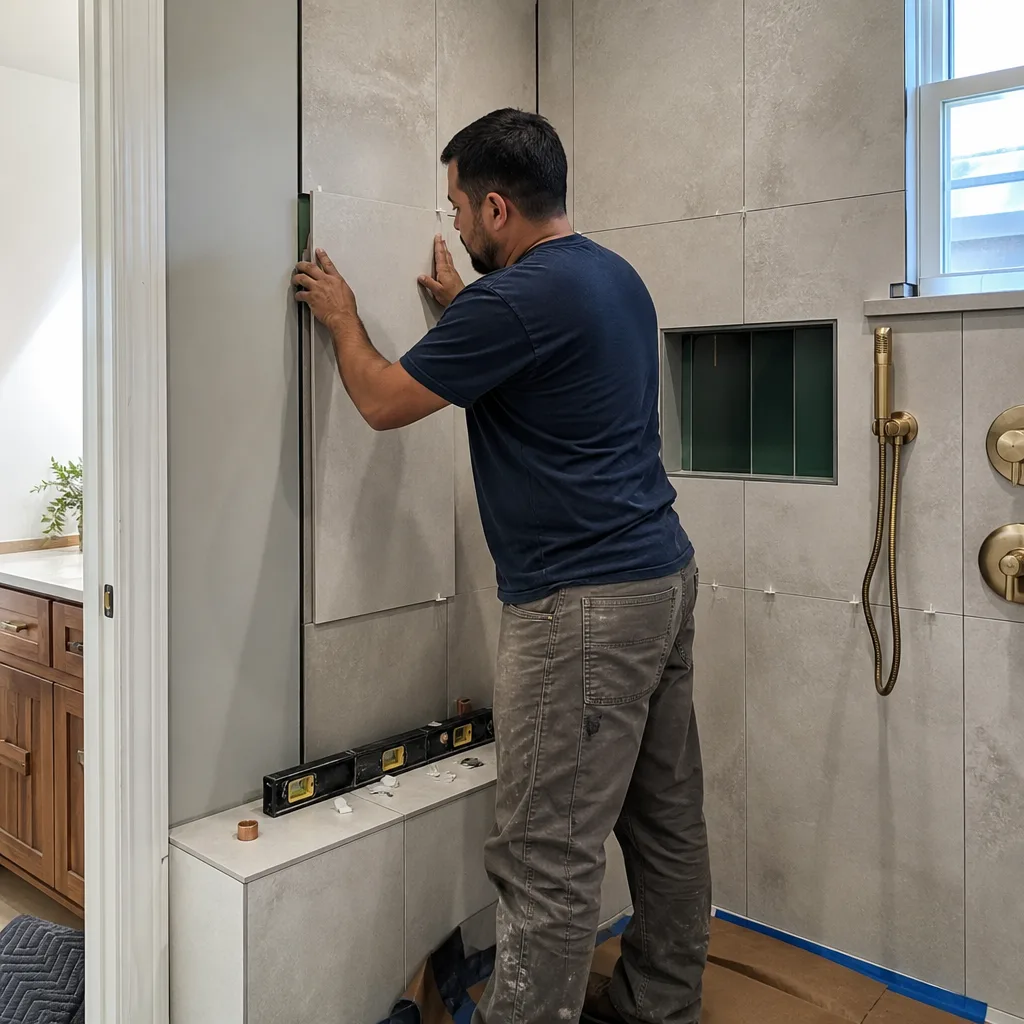
Most bathroom remodel failures trace back to one of three root causes: waterproofing shortcuts, ventilation undersizing, or plumbing rough-in errors that got tiled over. Diagnose the category before you diagnose the symptom. That means moisture readings, a fan CFM check, a shutoff-and-restrictor check on pressure issues, and photographs before any demo. The diagnostic work takes a few hours and saves you a full second remodel. If the diagnosis points behind the wall – a leaking pan, a disconnected duct, a slab movement crack – get it in writing and get a professional on it. That’s when a name you can verify matters more than a cheap bid.
At Barrett & Sons Construction Doral, we pull the permits, we issue written change orders on every scope and price change, and we back every completed job with our written 90-Day Done Right Promise. If you’re troubleshooting a failed bathroom in Doral and want a straight read from someone who’ll shake your hand at the hardware store on Saturday, we’re a call away. Live person answers 24/7 at (833) 734-5128, and estimates are free. Check out our Barrett & Sons Construction Doral home page if you want to see the full range of what we do, or explore our other services like Driveway & Pavers in Doral and Fence Installation in Doral. For homeowners planning a bigger reconfiguration around a bathroom upgrade, see our Home Additions & ADU in Doral page. Reach out when you’re ready to schedule your free estimate and get the diagnosis in writing.
Written by the team at Barrett & Sons Construction Doral.
See the difference
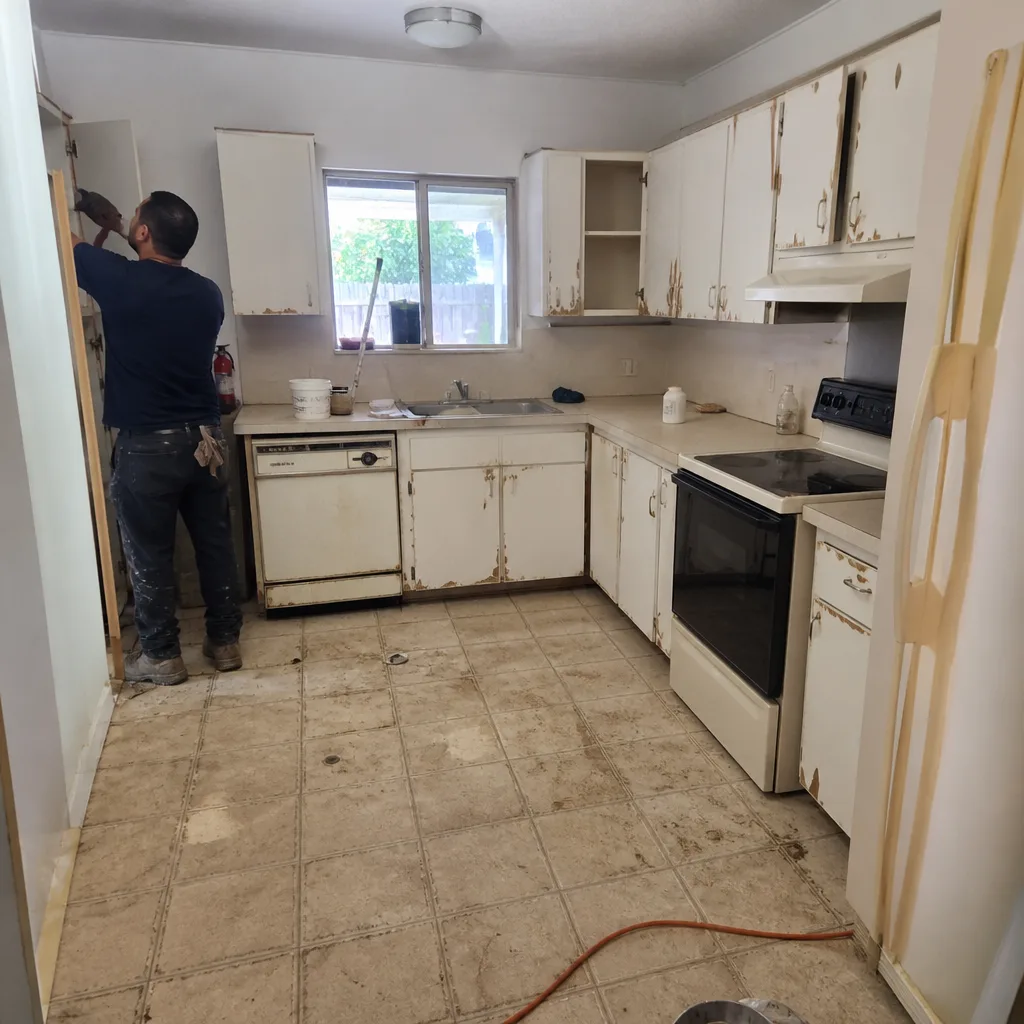 Before
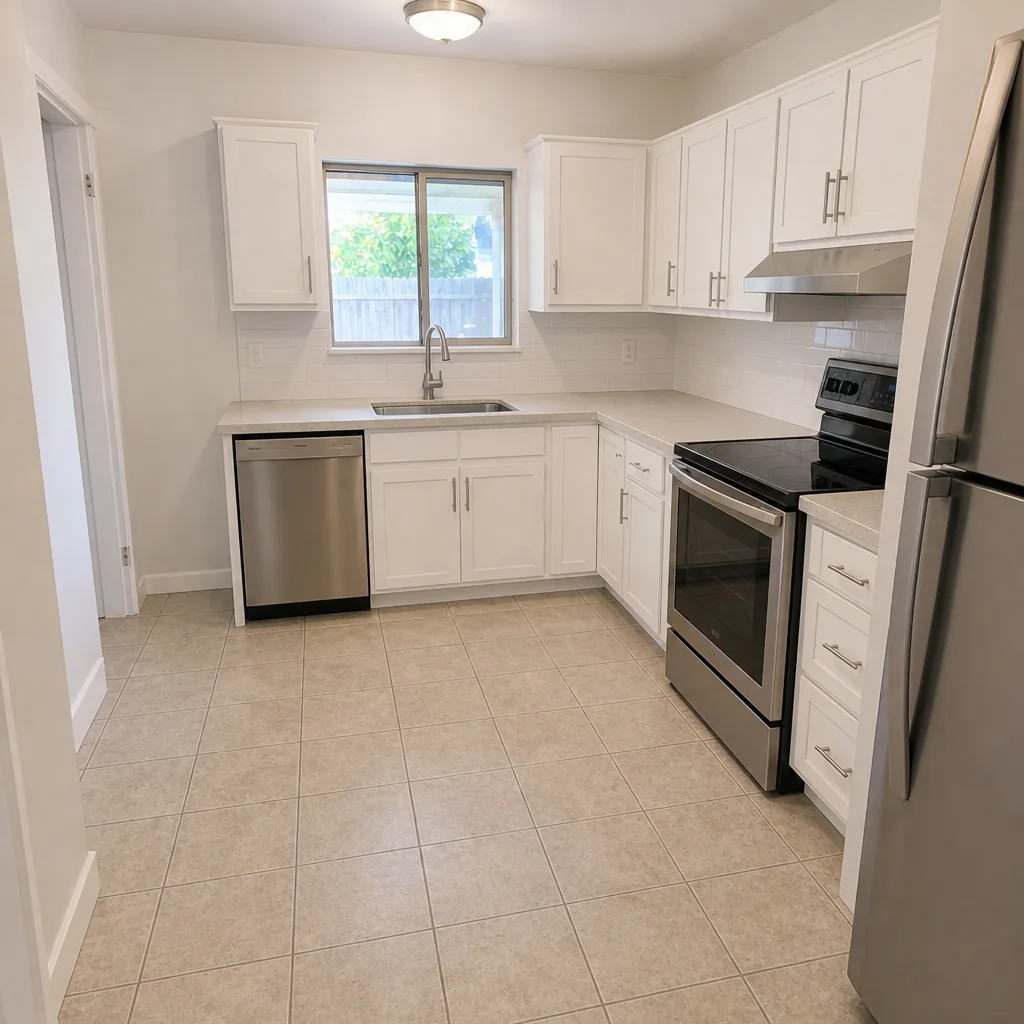 After
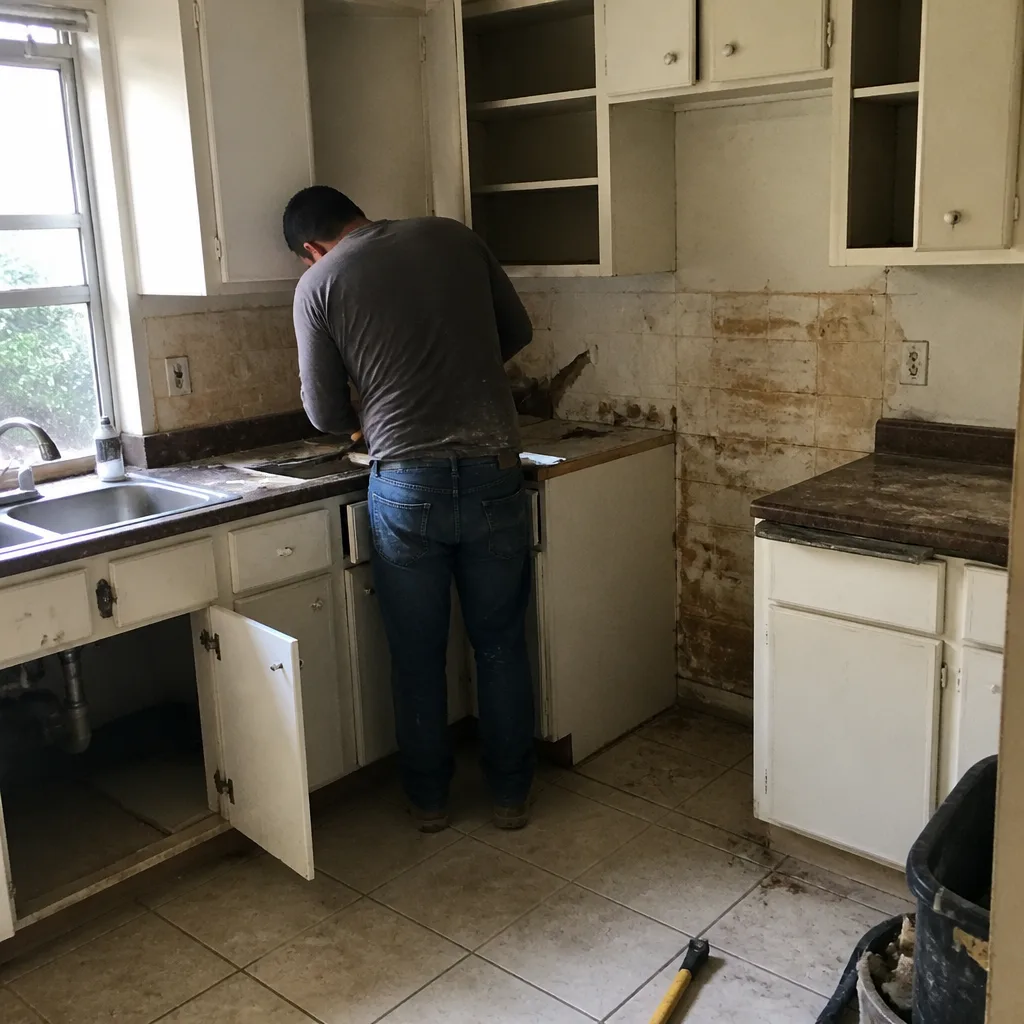 Before
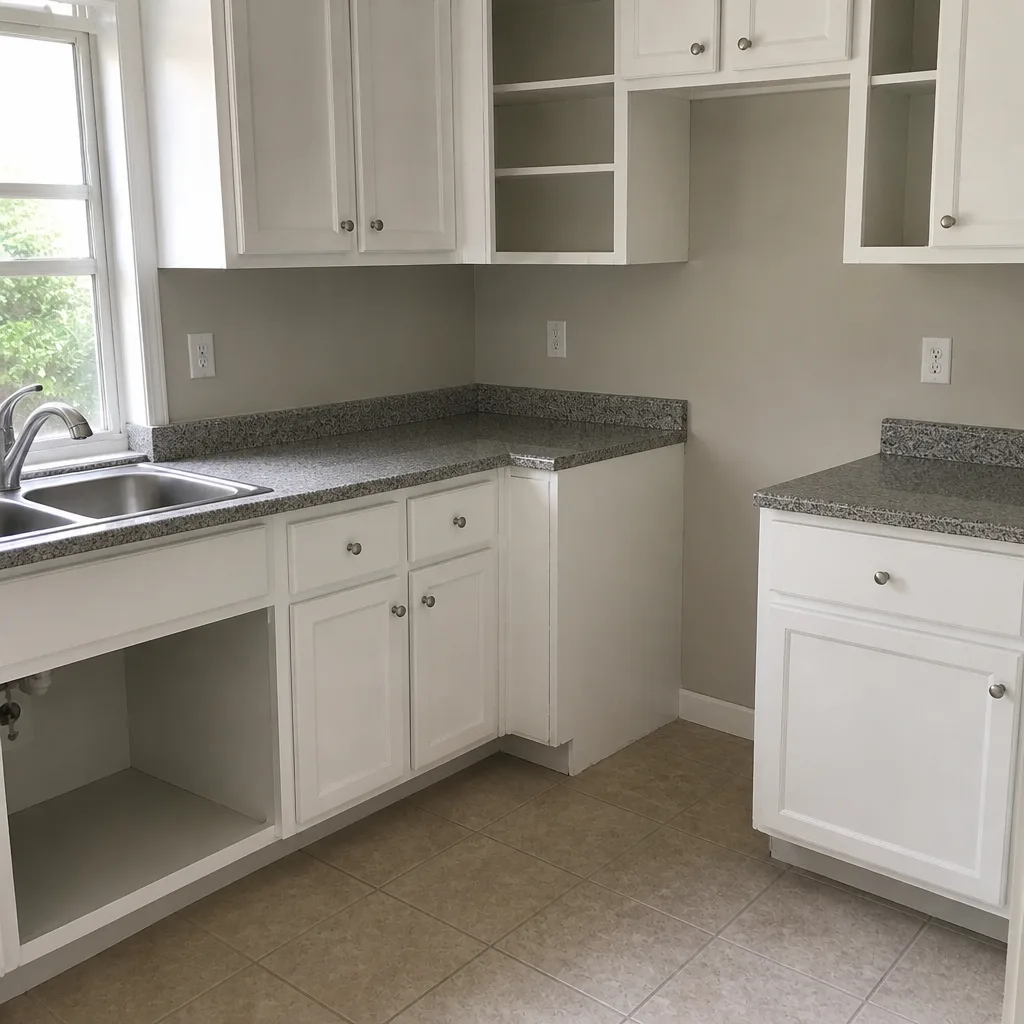 After
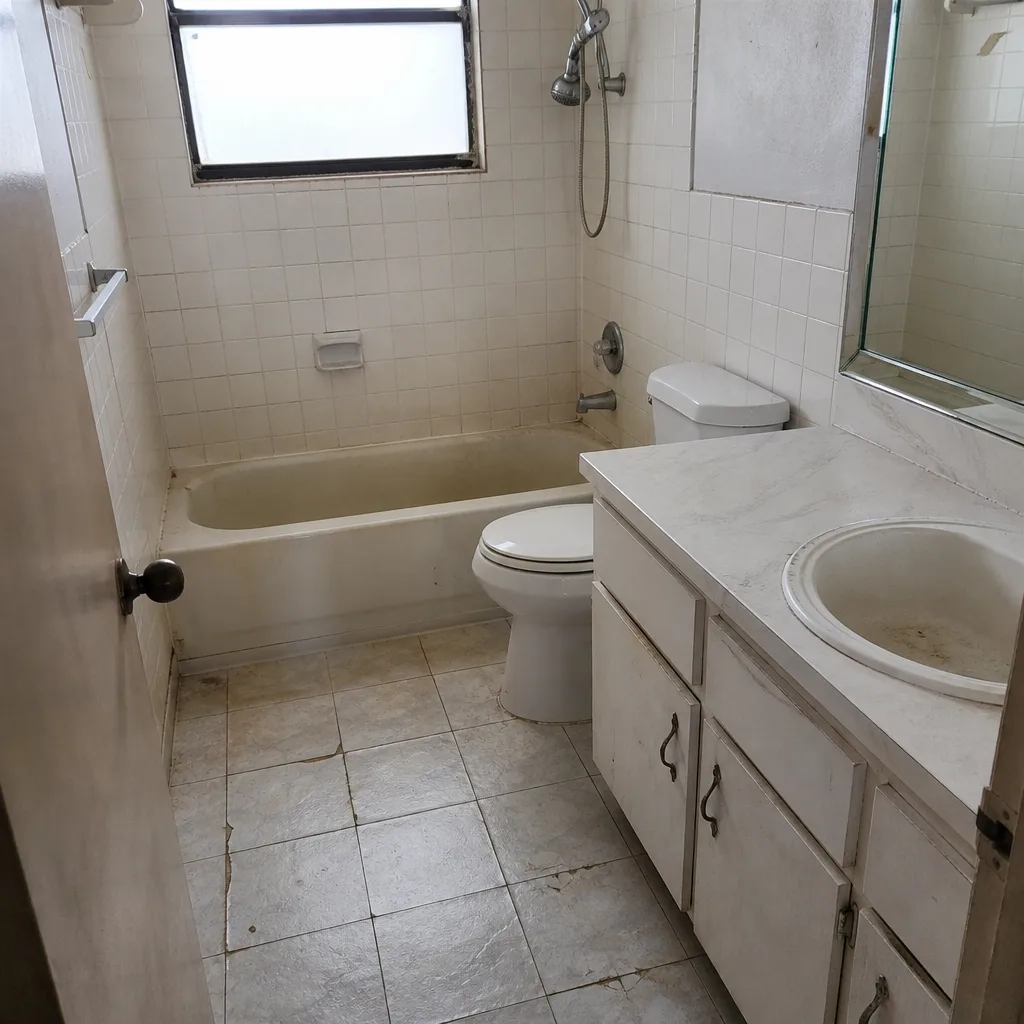 Before
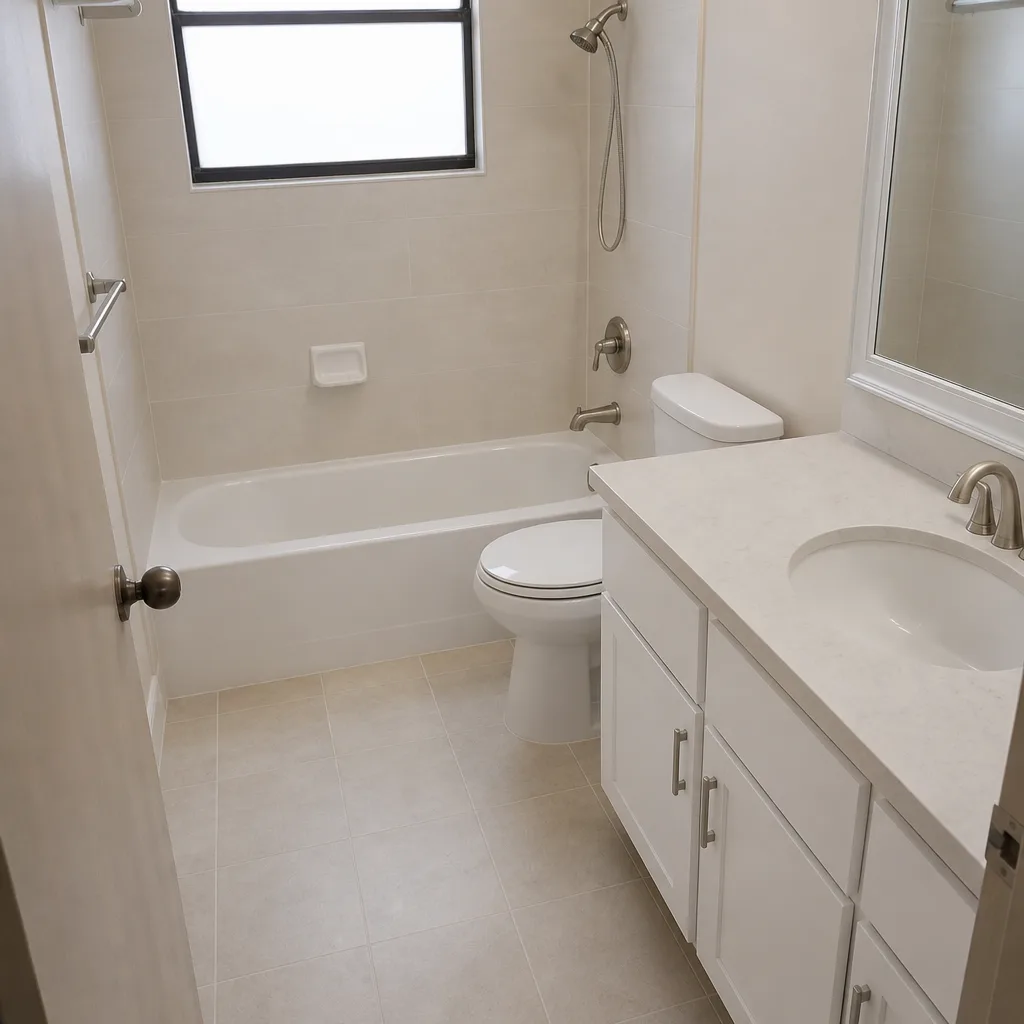 After