Last updated November 17, 2026





Free written scope consultation - allowances, timeline, and change-order rules on paper before a single trade is scheduled
Windows & Doors Troubleshooting: Common Problems and How to Fix Them
A door that sticks in July and swings freely in December isn’t a hardware problem. It’s your house moving, and in South Florida’s humidity swings, that’s normal. We’ve watched a lot of Doral homeowners pay for a service call on a door that needed a dehumidifier more than a new hinge. The opposite happens too: a window that fogs between the panes, a slider that grinds, a frame that weeps water into drywall only after a hard afternoon storm. Most of those trace back to two root causes. Installation shortcuts, and deferred maintenance in a climate that forgives neither. This guide shows you how to tell seasonal movement from real damage, what you can fix with a Saturday trip to the hardware store, and what signals a problem you shouldn’t touch yourself. No sales pitch. Just how to know what you’re actually looking at before you spend a dime in Doral.
Quick Answer
Most window and door problems in South Florida come down to humidity-driven seasonal movement, worn hardware, or a shortcut taken during installation. Seasonal sticking usually reverses with the weather and clears with a track or hinge adjustment. Frames that stay misaligned year-round, windows that fog between the glass, and water that shows up inside the wall are the ones that point to an installation or structural issue and need a professional look. Diagnose first, then decide whether to fix or call.
Styles & brands we work with
- Kitchen remodeling
- Bathroom remodeling
- Home additions & ADU
- Roofing
- Windows & doors
- Driveway & pavers
- Fence
Table of Contents
- Seasonal vs. Structural: Why Doors Stick in Doral’s Climate
- Why Impact Windows Fog Between the Panes
- Sliding Glass Door Track and Roller Failures
- Finding Air and Water Infiltration Around Frames
- When a Hardware Fix Is Legitimate vs. Masking a Bigger Problem
- Doral Code and Impact Requirements You Should Know
- A Simple South Florida Maintenance Calendar
Seasonal vs. Structural: Why Doors Stick in Doral’s Climate
Wood, vinyl, and even aluminum expand and contract with heat and moisture. Doral sits on limestone bedrock with a high water table, and our summer air holds more moisture than most of the country sees all year. A door that binds in August and swings free in January is telling you the frame is moving with the weather. That’s physics, not failure. Structural movement looks different: the door sticks every month of the year, the gap at the top of the frame is uneven on one side, or a window sash no longer sits square in its opening.
Here’s how to tell them apart without paying anyone:
- Wait for a dry week and re-test the door. If it frees up, it’s seasonal movement.
- Run a level along the top and sides of the frame. Consistent gaps mean the frame is true.
- Open the door halfway and let go. If it swings on its own, the hinges are out of plumb, which usually means the jamb moved.
- Look for cracks in the drywall at the corners of the opening. Those point to settling, not humidity.
- Check the strike plate. A plate that no longer lines up with the latch, year-round, suggests the frame shifted.
In Doral we see plenty of seasonal binding in older stucco homes where the original frames were set without shims at the hinges. The fix is usually a hinge adjustment and a fresh coat of paint on the jamb edge to seal it. That’s a Saturday afternoon, not a contractor visit. When the movement continues through the dry months, though, that’s when a closer look at the framing and the opening pays off. If your windows are at the end of their life and the misalignment is part of a larger replacement scope, that’s the moment to look at Barrett & Sons Construction Doral home and see how a full window package gets priced against a patch job.
Why Impact Windows Fog Between the Panes (and What It Actually Means)
Fog between the panes of a sealed impact window is a failed seal in the insulated glass unit, not condensation from outside. The two panes are bonded at the edge with a spacer and desiccant. When that edge seal breaks, moisture gets in, the desiccant is used up, and the gap between the glass clouds over. It usually starts as a faint haze in one corner and spreads. In our experience, the failure is almost always at the bottom edge, where water sits after summer storms.
What it means for performance:
- Insulation value drops. The trapped gas that made the unit efficient is gone. Expect higher cooling bills in a Doral summer.
- Clarity degrades. Beyond the cosmetic part, a fogged pane distorts a view and reduces light.
- Warranty questions follow. Most premium impact window brands (Andersen and Marvin among them) cover seal failure for a defined window of years. So the first step is to find the manufacturer’s date stamp on the spacer and check the coverage.
What it doesn’t mean: the impact rating has usually failed. The laminated glass itself is still intact. But a failed seal is still a problem, and once the desiccant is saturated, the fog will not clear. The only repair is replacing the sealed unit or, on older windows, the whole sash. Call the manufacturer first. Then, if the warranty is expired, get a written line-item quote for the glass unit only, not the whole window. Be wary of anyone who insists the entire window must be replaced when only the glass unit has failed unless the frame is visibly compromised.
Sliding Glass Door Track and Roller Failures
Sliding glass doors take more punishment in South Florida than any other opening in the house. Sand, grit, and salt-laden air work into the track, and the rollers underneath the panel wear flat. The first sign is a panel that grinds when it slides. Next it starts to lift out of the track at the far end. Then the panel drags. A good number of these problems are fixable with hardware store parts. Others signal the frame itself is failing.
What you can fix yourself:
- Vacuum the track, then scrub it with a stiff brush and a mild detergent. Rinse and dry completely.
- Inspect the rollers at the bottom corners of the sliding panel. If they’re flat or wobbly, they can often be replaced. Most doors use a standard roller assembly you can match at the hardware store.
- Lubricate the track with a silicone spray, never grease. Grease attracts grit and makes the problem worse.
- Adjust the roller height with the screw at the bottom of each roller. A quarter turn at a time, then test.
- Check the weep holes at the bottom of the outer track. They drain water out. Clogged weep holes are why water pools inside the track after a storm.
What signals the frame is compromised: a track that is bent or rusted through, a bottom sill that has rotted or heaved, or a head that has sagged out of square so the panel scrapes on the top rail. Those are not roller problems. Sliding glass door frames are set into a wall opening and tied to the structure. Once the sill or head is out of true, replacing rollers is a temporary fix at best, and the door will leak water into the wall behind it. If you’re at that stage, it’s a replacement conversation, not a hardware fix. This is exactly the kind of thing worth pricing alongside a larger scope, and a written second opinion on the quote you’re holding is free from us.
Finding Air and Water Infiltration Around Frames
Air and water get in around the frame long before the window itself leaks. The usual culprits are the seal between the frame and the rough opening, a failed bead of caulk on the exterior, or a piece of flashing that was skipped during installation. The damage usually shows up first on the inside, as a stain or a soft spot on the drywall under the window after a hard rain. Catching that early is the whole game in Doral, because once the wall cavity is wet, the problem scales fast.
Here’s how to trace it with a flashlight and a wet paper towel:
- On a windy day, run your hand around the interior edge of the frame. A draft tells you where air is coming in.
- Wet the paper towel and press it against the exterior caulk line. If the water wicks into a crack in seconds, that joint has failed.
- Shine the flashlight along the interior sill from below in a dark room. Light leaking through is a direct path for water.
- Check the exterior weep holes and the drip cap at the top of the frame. A missing or loose drip cap lets water run down behind the siding.
- Look for paint or caulk that has cracked along the frame-to-wall joint. That joint moves with the house, and it needs to be recoated every few years.
For water that reaches the drywall, though, the fix goes beyond a bead of caulk. When the flashing was skipped at installation, the moisture gets behind the frame and the wall has to be opened to fix it right. That’s not a weekend job, and it’s not a problem to bury under a fresh coat of paint. Ask anyone on your street who’s been through it, or get a written second opinion before you commit. If it’s part of a larger exterior repair, the Home Additions & ADU in Doral page covers how structural fixes get scoped and permitted in the same project.
When a Hardware Fix Is Legitimate vs. When It’s Masking a Bigger Problem
Hardware fixes are real fixes when the frame is sound and the weatherstripping, hinges, rollers, or locks have simply worn out. We replace hinge plates, strike plates, rollers, and weatherstripping on jobs where the frame itself is fine. The door works because the frame is true and the hardware just needed to be brought back to spec. That’s honest work. The problem comes when a hardware swap is used to paper over an installation shortcut or a structural problem, and the same complaint comes back in three months.
The tell is what happens after the fix. A legitimate hardware repair holds for years. Masked problems return within one season. Signs a hardware fix is covering something bigger:
- The door was rehinged or had hardware replaced within the last year and is binding again.
- The frame is visibly out of square or the sill is soft or rotting.
- Water shows up inside the wall even when the hardware and weatherstripping are new.
- The window sash sits crooked in the frame no matter how many times it’s adjusted.
- The original installer skipped flashing, shims, or the sill pan. Look for missing pieces of the puzzle at the opening.
When you find those signs, a hardware fix will not solve it. The honest answer is to scope the actual repair and put it in writing before anyone touches a hinge. This is why we insist on a written change order before scope changes on any job. An allowance that isn’t on paper is a surprise waiting for a date, and a hardware fix that hides an installation shortcut is the same kind of surprise, just delayed a season. Our crew members are background-checked, and every eligible scope we take on gets pulled permits and signed inspections, because the last contractor many Doral homeowners used told them permits were optional. Look up the license number yourself before you sign anything.
Doral Code and Impact Requirements You Should Know
Doral sits in Miami-Dade County’s High Velocity Hurricane Zone. That means any window or door replacement needs to meet the county’s impact or opening-protection requirements and be permitted and inspected. If your home was built more than a couple of decades ago, you may also have a pre-existing nonconformity that shows up when you replace an opening. The permit process is how you square that with current code. Skipping it exposes you to problems at resale, at insurance renewal, and at the next storm.
What this means for troubleshooting:
- Never replace an impact opening without a permit. Doral and Miami-Dade both require it on eligible replacements.
- Keep the product approval numbers. Your window and door system comes with a Miami-Dade product approval. The installer should hand you the paperwork, and the inspector will ask for it.
- Ask for the notice of acceptance. It’s the manufacturer’s document confirming the opening meets HVHZ standards. The permit file should include a copy.
- Written scope before work starts. Every change on a permitted job goes through a written change order, or the inspection can fail and the closing gets delayed.
The permit inspector works for you, not for the contractor. That’s why we like him. If you’ve had an impact window install go sideways in Doral and the installer is telling you no permit was needed, that’s the red flag to double back on. The Fence Installation in Doral page has the same posture on permits for exterior work, and it’s a useful reference if your scope grows beyond the openings.
A Simple South Florida Maintenance Calendar
The reason so many window and door problems become expensive in Doral is that they’re deferred. Fifteen minutes twice a year keeps most of them from ever starting. Here’s the rhythm we recommend to homeowners:
- Every spring (April): Wash windows inside and out, clear weep holes on all sliding doors, lubricate tracks with silicone, and inspect caulk lines around every opening. Recaulk any joint that has cracked.
- Every fall (October): Feel around each frame for drafts on a windy day, test every lock and latch, and check the weatherstripping. Replace any strip that has gone stiff or torn.
- After any named storm: Check for water inside the track of sliding doors, look at the drywall under each window for new stains, and clear any debris from the weep holes and drip caps.
- Every three to five years: Have the exterior caulk lines around windows and doors inspected by someone who does it for a living. Our Driveway & Pavers in Doral crews see the same failure pattern on exterior joints, and the timing is about the same.
If you have an impact-rated door with a multi-point locking system, add a light application of silicone spray on the lock mechanism once a year. A lock that seizes is an easy fix, and a locking system that fails during a storm is not.
Common Mistakes to Avoid
- Slapping caulk over water damage. A fresh bead of caulk over wet drywall traps the moisture and lets mold start behind the paint. Find the source first, or have someone find it for you.
- Tightening every hinge you can find. Over-torquing hinge screws strips the jamb and creates a bigger problem than the one you started with. A stripped screw hole in a door jamb is a repair, not a touch-up.
- Replacing a whole impact window because the glass unit fogged. The glass unit is the part that fails. Replacing the whole window when only the sealed unit is at fault is a five-figure mistake when a few hundred dollars would have done it.
- Skipping the permit on a Doral replacement. Short of structural failure, this is the most expensive shortcut a homeowner can take. It shows up at resale, at insurance, and at the next storm.
- Using grease on a slider track. Grease holds grit and sand, and in South Florida that turns a smooth glide into a grinding one within a season. Silicone spray only.
- Ignoring the same complaint after two hardware fixes. If a door has been adjusted twice in a year and is binding again, the frame, not the hinge, is the issue. Stop re-fixing and start diagnosing.
- Hiring the first name you see on a truck. In Doral, the last contractor many homeowners used quoted one price on the phone and handed over a different bill at the door. Verify the license and the address. Tom Barrett publishes his, so you can.
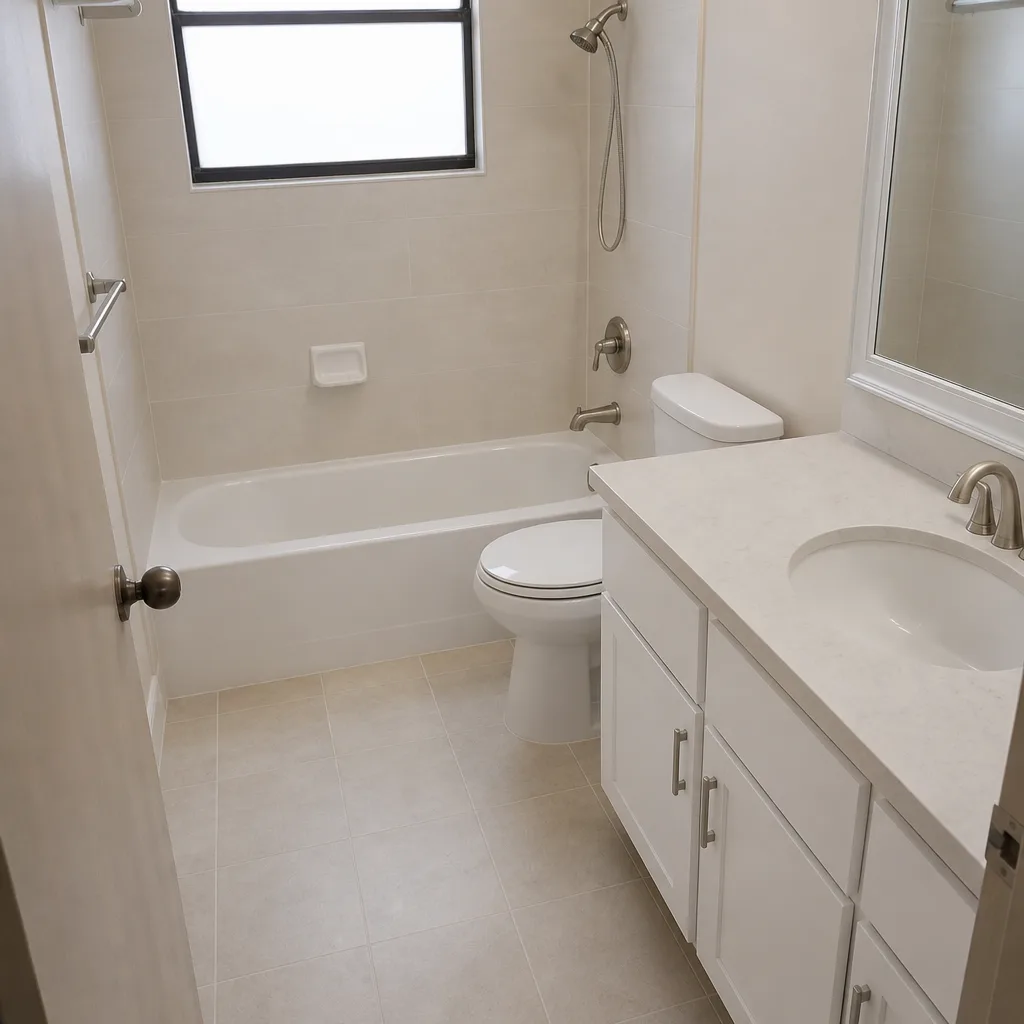
See the difference
 Before
 After
 Before
 After
 Before
 After
When to Call a Professional
Call a professional when the misalignment holds year-round, not just in the wet months. Call when water shows up inside the wall under a window, when a fogged impact unit is out of warranty and you want a line-item quote on the glass only, or when the frame of a sliding door has sagged so the panel scrapes on the top rail. Call if a lock or latch mechanism is failing on an impact door, if a permitted replacement is in your future, or if you’ve had two hardware fixes that didn’t hold. And call if you’re not sure, and you want someone to look at it with you before you spend money. Diagnosing it first is free. Most of our Doral visits start as a walk-through before anyone touches a hinge or a quote. Barrett & Sons Construction Doral offers free estimates in Doral. Call (833) 734-5128 to schedule yours.
Frequently Asked Questions

It’s seasonal movement, not a hardware failure. Wood, vinyl, and aluminum frames swell with humidity, and the summer air in Doral holds enough moisture to make a door bind in August and swing free in January. If it frees up in a dry week, that’s confirmation. Call (833) 734-5128 if it stays stuck year-round, because that points to a structural or installation issue. Estimates are free.
It’s a failed seal in the insulated glass unit, and often it’s a warranty issue. Find the manufacturer’s date stamp on the spacer and check the seal-failure coverage. If the warranty is expired, get a written quote for the glass unit only. Call (833) 734-5128 for a free second opinion on your quote. Estimates are free.
Usually yes, if the problem is grit in the track or worn rollers. Vacuum the track, clean it, replace the rollers if they’re flat, and lubricate with silicone spray, never grease. If the track is bent, the sill is soft, or the frame is out of square, stop and call. Call (833) 734-5128 and we’ll walk through what to check. Estimates are free.
Yes. Doral sits in Miami-Dade’s High Velocity Hurricane Zone, so any eligible window or door replacement needs a permit and inspection, and the permit file should include the Miami-Dade product approval. Skipping it causes problems at resale and insurance. Call (833) 734-5128 if you’re not sure about your scope. Estimates are free.
Start with a flashlight, a wet paper towel, and a windy day. Run your hand around the interior edge for a draft, press a wet paper towel against the exterior caulk line to see if it wicks in, and shine a flashlight along the sill from below in a dark room. If water has reached the drywall, call. Call (833) 734-5128 to schedule a free estimate. Estimates are free.
A simple hinge or strike plate adjustment is usually a small repair, which is why our standing $40 Off Any Repair Over $200 offer applies. If the frame is out of square or the problem returns after two fixes, the real cost is a structural repair, not a hardware fix, and it needs to be scoped in writing first. Call (833) 734-5128 for an exact quote. Estimates are free.
Not without a written change order. Every scope, allowance, and price change arrives in writing before work proceeds, and you’ll see the change on paper before a single nail moves. That’s the same posture we take on every window and door job in Doral. Call (833) 734-5128 to see a written estimate. Estimates are free.
The Bottom Line
Most window and door problems in South Florida trace back to two things: installation shortcuts and deferred maintenance in a climate that punishes both. Seasonal movement you can fix yourself with a track cleaning, a hinge adjustment, and a fresh bead of caulk on the exterior joint. Fogged impact glass, water inside the wall, a frame that won’t stay square year-round, and a slider whose sill is soft all mean it’s time to look at the real problem, not the symptom. Diagnose first. Fix what’s fixable. Get a written quote on the rest. And before any contractor touches an opening in Doral, verify the license and get the scope in writing, because the last contractor many homeowners used skipped that step. Live person answers our phone, and every completed job is backed by our 90-Day Done Right Promise. If it’s not done right, we come back and make it right.
Contact
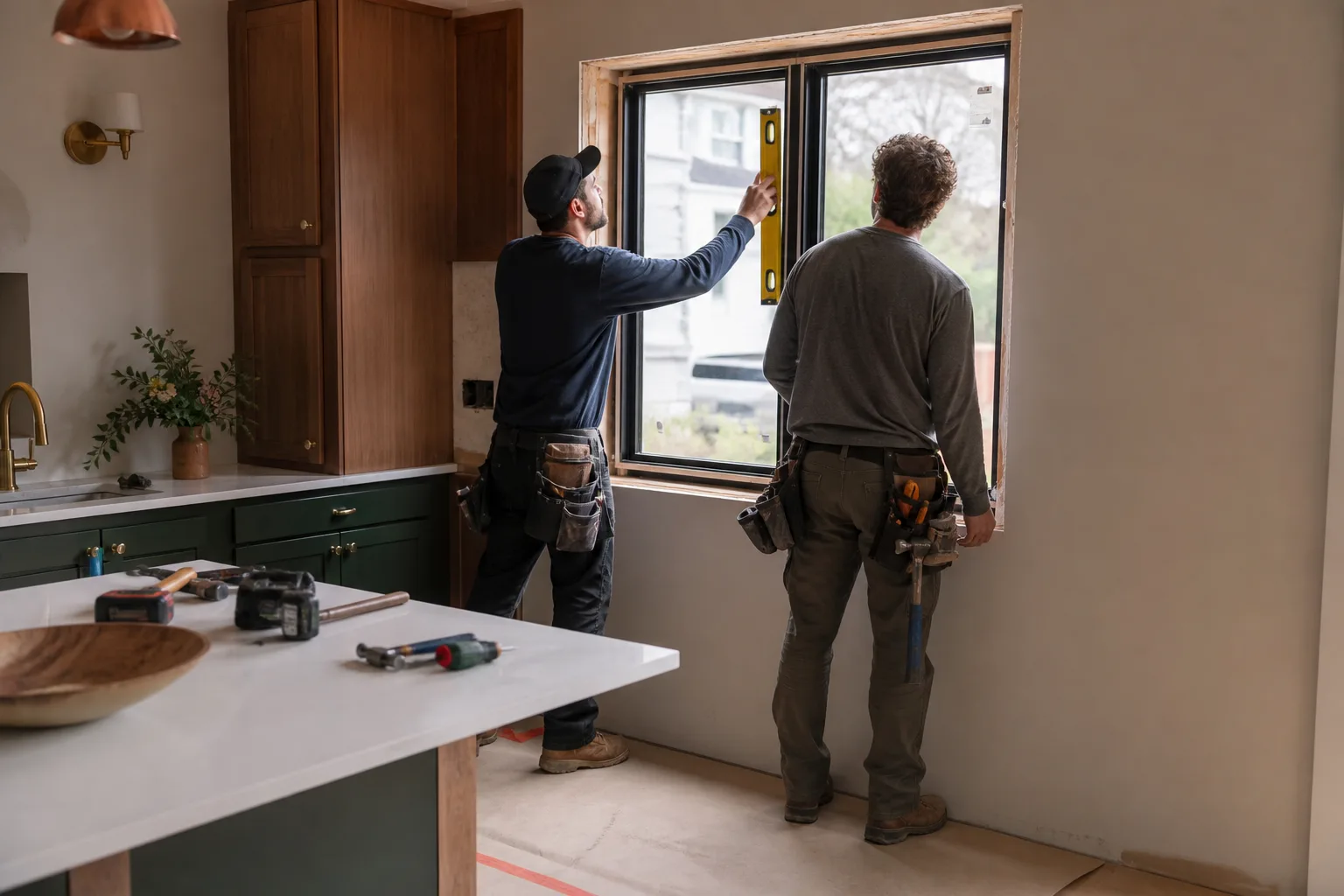
Call (833) 734-5128 to schedule a free estimate with Barrett & Sons Construction Doral. We’ll walk your windows and doors with you, tell you what’s seasonal and what’s structural, and put any scope in writing before anyone touches a hinge. One call, one look, and a straight answer on what you’re actually looking at. If it’s a repair, we’ll quote the repair. If it’s a replacement, we’ll price the replacement in writing, permits included. The 90-Day Done Right Promise is on every contract. If it’s not done right, one call brings us back.
Written by the team at Barrett & Sons Construction Doral.